



























A business bank account separates business income, costs and payments from personal money. If you’re new to importing, it gives supplier payments, currency charges and other order costs their own clear transaction history.
UK Finance found that 55% of UK SMEs describe their day-to-day banking needs as ‘simple‘, prioritising low fees, easy-to-use apps and basic cash flow tracking. Those features are important, but importers also need to consider how an account handles overseas payments and foreign currencies.
In this article, we explain why you should have a business bank account and what to consider before choosing one.
Key takeaways:
- Separate business and personal money: A business account gives supplier payments, freight, customs duty, import VAT and FX charges their own record, while making upcoming order costs easier to plan.
- The account requirement depends on your business structure: Limited companies must keep company finances separate from personal money, while sole traders and ordinary partnerships generally don’t need a separate account by law.
- Compare the FX margin and full payment cost: Check the customer exchange rate, total GBP debit, amount expected to reach the supplier and any transfer or intermediary bank fees.
- Make sure the account supports the supplier’s payment setup: The account should support the invoice currency, destination and beneficiary type within the required payment limit and processing time.
- A World Account can support overseas payments alongside your UK current account: You can hold, receive and convert supported currencies, pay overseas suppliers and withdraw funds to your business bank account when needed.
Open a World Account to manage supplier payments with clearer currency costs and payment records.
What is a business bank account?
A business bank account is an account typically held with a bank for commercial use. However, they are also available from non-bank providers; Electronic Money Institutions and payment providers can offer accounts for commercial use, although these operate under a different regulatory model.
The term covers several products, including business current accounts, savings accounts and foreign currency accounts.
In everyday use, a business bank account usually refers to a business current account. This handles regular transactions such as receiving customer payments, paying bills, setting up Direct Debits and using a business debit card.
Read more: 10 best business bank accounts for startups
What is the difference between a business bank account and a personal account?
A personal account is used for an individual’s finances, while a business bank account supports commercial activity carried out by a company, partnership or sole trader.
Personal account vs business bank account
| Area | Personal account | Business bank account |
| Account holder | An individual | A company, partnership or sole trader |
| Main use | Salary, household bills and personal spending | Revenue, operating costs and other commercial transactions |
| Account name | The individual’s name | The legal or trading name, depending on the business structure |
| Business features | Usually limited | May include accounting integrations, payment approvals and business cards |
| Commercial use | Provider terms may restrict it | Designed for business activity |
Why have a business bank account: 8 main reasons
Here are eight benefits of opening a business account as a new UK importer:
1. Separate business and personal money
A mixed balance makes the business’s available cash harder to read. Personal transfers, household bills and supplier payments all appear in the same transaction history.
A business bank account gives trading funds their own balance. You can see what the business has received, what it has spent and what remains available without having to work through personal transactions.
2. Track cash between supplier payments
After paying a deposit, you may still need to cover the final supplier instalment, customs duty, freight and import VAT before the stock generates revenue.
A separate business balance makes those commitments easier to plan. You can reserve the next payment, see what remains for other costs and avoid spending money already allocated to the order.
3. Simplify bookkeeping, VAT and tax records
Business statements give your accountant or accounting software a focused set of transactions to work from. You can match payments with invoices, identify fees and trace refunds before preparing your records.
More than 860,000 sole traders and landlords entered the first phase of Making Tax Digital for Income Tax from 6 April 2026. A business bank account reduces the work involved in maintaining digital records, although each transaction still needs the correct category.
4. Match every import cost to the right order
The price of the goods forms only part of an import order. Other payments may reach different recipients at different stages, including:
- Product inspection and sourcing charges
- Freight, customs duty and import VAT
- Foreign exchange (FX) costs and payment fees
A dedicated account makes these payments easier to match with the relevant supplier invoice and purchase order. That gives you a reliable starting point for assigning each charge to the correct shipment and reviewing the final margin.
5. Pay suppliers in the invoice currency
A supplier invoice states the amount due and the currency agreed for the order. Paying the invoice currency keeps the payment aligned with the invoice and gives both sides a consistent record.
Sending GBP against an invoice issued in USD, EUR or offshore renminbi (CNH) means a supplier may need to arrange the conversion or request a revised amount. A business account with suitable international payment support lets you send the invoiced currency to the named beneficiary with the correct reference.
6. See the full cost of FX and transfers
FX rates can change the cost of overseas payments before transfer fees or bank deductions are added. For example, a 1% FX margin adds £100 to a conversion worth £10,000. The total cost may also include:
- An outgoing payment fee
- Intermediary or receiving-bank charges
- Another conversion along the payment route
Where the account supports currency holding, you may also be able to convert before the supplier’s payment deadline.
7. Make payments easier for suppliers to identify
Your supplier needs to match each payment with the correct buyer, invoice and purchase order. A payment sent under the company or trading name, with the agreed reference, gives the accounts team the details needed to allocate it and confirm receipt without extra follow-up.
That becomes more important when you pay a deposit and balance separately or when the supplier receives similar amounts from several customers.
8. Build a stronger record for future finance
As order values rise, you may need funding to cover the period between paying suppliers and receiving customer revenue.
Business account statements provide evidence of:
- Sales and other incoming revenue
- Supplier and operating payments
- Regular cash movements over time
That record may support an application for an overdraft, trade finance or another form of business funding. Keep in mind that approval still depends on affordability, trading history, credit information and the provider’s eligibility criteria, but having organised records can increase the likelihood of a positive outcome.
Do you legally need a business bank account in the UK?
According to official Business.gov.uk guidance, the answer depends on your business structure:
| Business structure | Legal position |
| Limited company | Must have a business bank account |
| Sole trader | No general legal requirement |
| Ordinary partnership | No general legal requirement |
Your need for domestic banking services depends on how your business operates. Sole traders and ordinary partnerships may not be required by law to have a business bank account. However, their personal account provider may still restrict its use for overseas supplier payments and other trading activities.
How to choose a business account for importing
The best option depends on the supplier payments and UK banking services you expect to use most often.
1. Compare the cost of a typical supplier payment
Before choosing a business account, compare the costs each provider publishes. Check the indicative exchange rate, transfer fee and any known bank deductions.
For example, use a US$15,000 supplier invoice and compare:
- The estimated GBP amount required
- The amount expected to reach the supplier
- Any transfer or intermediary bank fees
Some providers publish calculators or indicative rates, while others may provide a sample quote.
2. Make sure the payment route fits the supplier
A business account may support a currency without supporting the supplier’s country, account type or preferred payment method. Check this before opening the account, especially if you already know where and how you will pay suppliers.
A supplier may request USD to a business account in Hong Kong, CNH to a mainland China account or EUR to a German account. The available route can affect the payment limit, processing time and information required.
The main details include:
- Supported currency and destination
- Local or SWIFT payment route
- Individual and daily limits
- Business beneficiary support
- Expected processing time
These details matter when the supplier needs the final balance before production or dispatch. A slower or unsupported route may affect the order timetable.
Read more:
3. Check the payment records before choosing an account
Before opening a business account, review the payment confirmations, statements and export options the provider offers. Product demos, help-centre examples and sample documents can show how much information appears after each transfer.
Look for records that include:
- Beneficiary name
- Amount and currency
- Exchange rate and fees
- Payment reference
- Transfer status
Detailed records make it easier to trace a supplier payment, confirm that a balance was sent and match a refund with the correct order. This becomes more important when deposits, final balances and refunds begin to overlap.
4. Decide which UK banking services matter
The account may also need to handle domestic costs alongside overseas supplier payments.
| Banking service | When it may matter |
| Direct Debits and standing orders | For software, insurance and regular business bills |
| GBP transfers | For UK suppliers, refunds and operating costs |
| Business debit cards | For day-to-day business spending |
| Cash or cheque deposits | For businesses that receive offline customer payments |
| Branch access | For in-person support or cash-based activity |
| Overdraft | For short-term cash flow needs, subject to approval |
| Accounting connections | For sending transaction data to bookkeeping software |
Some importers use one business current account for UK banking and another business account for international payments. This can work well when the current account covers payroll, taxes and direct debits, while another provider offers better FX rates, lower transfer costs or wider currency support for supplier payments.
The setup is most useful when overseas payments are frequent enough to justify managing two accounts, and the business can clearly reconcile transfers between them.
5. Understand how customer funds are protected
Banks and non-bank payment providers use different protection models.
Eligible deposits with a UK-authorised bank, building society or credit union receive FSCS protection up to £120,000 per eligible person, per authorised institution.
Brands operating under the same banking licence share that limit. A limited company may qualify separately from its directors, whereas a sole trader’s personal and business deposits with the same institution share a single limit.
Electronic Money Institutions and Authorised Payment Institutions use safeguarding. They separate relevant customer funds from their own money or protect them through an approved insurance arrangement or guarantee.
If the provider fails, returning safeguarded funds may take time, and insolvency costs may reduce the amount returned.
Manage overseas supplier payments with a World Account
When a supplier invoice is due in EUR, USD or offshore renminbi (CNH), paying from a GBP-only account may tie the currency conversion to the payment deadline.
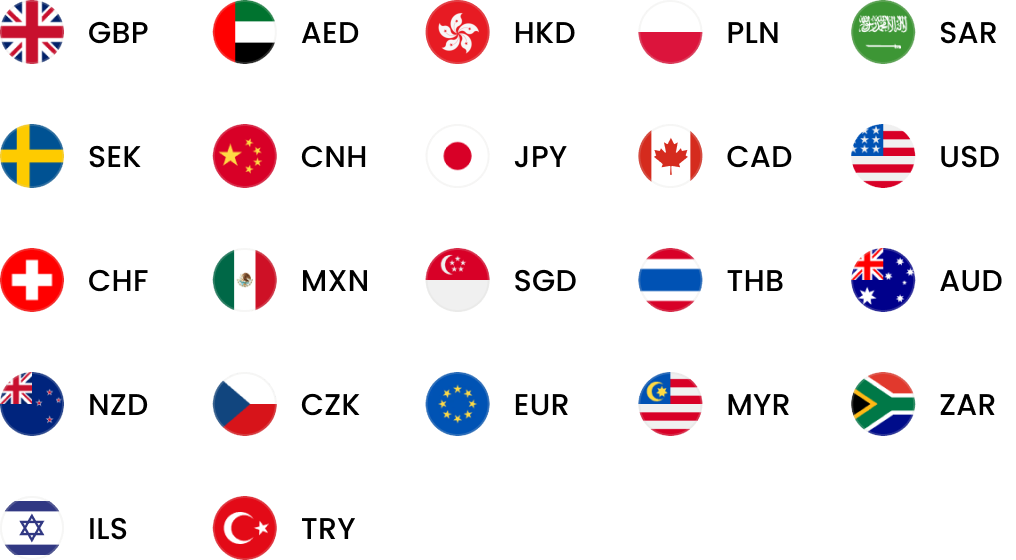
World Account is a multi-currency account that allows you to hold funds in 20+ currencies, convert a supported balance before the invoice falls due and pay suppliers in 100+ currencies across 200+ countries.
You can use the World Account alongside your UK business current account. The current account may handle Direct Debits, domestic payments and other UK banking services, while the World Account handles supported currencies and overseas supplier payments. You can withdraw funds to your own business bank account when needed.
If you receive business revenue in a supported currency, you can use that balance towards supplier payments in the same currency instead of converting it into GBP first.
The account is free to open and has no ongoing account fee. Receiving and holding supported currencies are also free under WorldFirst’s current published pricing.
Example: comparing the cost of a €11,900 supplier payment
Consider a UK importer paying a €11,900 supplier invoice. Bank of Scotland publishes a standard FX margin of 2.60% for international payments worth £25,000 or less. In its example calculation, a wholesale GBP/EUR rate of 1.1900 becomes a customer rate of 1.1591 after the margin is applied.
Using the same wholesale rate, an illustrative comparison would look like this:
| Area | Bank of Scotland | WorldFirst |
| Supplier invoice | €11,900 | €11,900 |
| Published FX margin | 2.60% | Up to 0.50% |
| Illustrative customer rate | 1.1591 | 1.18405 |
| Estimated GBP debit | £10,266.59 | £10,050.25 |
| Other payment charges | Additional charges may apply | Free for cross-currency payments above £5,000 |
The calculation applies each provider’s published FX margin to the same wholesale rate. It uses WorldFirst’s maximum published margin of 0.50%, rather than a promotional rate.
On that basis, the estimated GBP debit through WorldFirst is £216.34 lower. The comparison excludes any additional Bank of Scotland payment charges and any third-party fees that may apply to either payment route. Live exchange rates, quotes and route-specific charges may change the final cost.
WorldFirst isn’t a bank. The Financial Conduct Authority authorises World First UK Limited as an Electronic Money Institution under the Electronic Money Regulations 2011. Customer funds are safeguarded rather than protected by the FSCS.
Open a World Account to manage overseas supplier payments and currencies from one place.
FAQ
1. What documents do I need to open a business bank account in the UK?
You’ll usually need proof of identity, proof of address and details about the business, its owners and expected account activity. Limited companies may also need Companies House information, while providers may request evidence of turnover or the source of funds.
2. Can I open a business bank account before I start trading?
Yes, many providers let you apply before your first sale or supplier payment. A limited company will normally need to be incorporated first, and every applicant must still meet the provider’s eligibility checks.
3. What bank details do I need to pay an overseas supplier?
You’ll usually need the supplier’s exact beneficiary name, account number or IBAN, SWIFT/BIC code, bank name and payment reference. Some payment routes also require a local clearing code, beneficiary address or reason for payment.
4. Can I pay customs duty and import VAT from my business bank account?
Yes, you can use the account to pay HMRC directly or reimburse a customs agent, freight forwarder or courier that pays on your behalf. Keep the payment reference and import documents so you can match the transaction with the correct shipment.
5. What happens if an overseas supplier payment is rejected or returned?
The provider will usually return the funds or ask for more information before completing the payment. Fees may be deducted, and a new exchange rate may apply if you resend or reconvert the amount.
Sources:
- https://www.ukfinance.org.uk/news-and-insight/blogs/finding-balance-forces-play-uk-commercial-banking
- https://moneyweek.com/economy/small-business/what-you-need-to-know-about-making-tax-digital
- https://www.business.gov.uk/support/business-tax-and-reporting/getting-a-business-bank-account/
- https://business.bankofscotland.co.uk/international/fx-margins.html