



























According to the U.S. Department of Commerce, International Trade Administration, Britain is the third-largest e-commerce market in the world, with ecommerce sales projected to reach US$185.97 billion (£141.95 billion) by 2029.
Theoretically the UK should be the perfect place for entrepreneurs to build a dropshipping business from scratch and fulfill their dream. So how come most people who try dropshipping in the UK don’t make it past year one?
Key Takeaways
- Dropshipping is a real business with complex operations, not a hands-off source of passive income.
- High failure rates in online businesses are caused by under-testing, poor cash flow, and operational mistakes.
- Set a one-week deadline to pick a business niche and start testing real sales data.
- Hidden FX fees and 2–4% bank markups on foreign supplier payments silently drain business profit margins.
- Using a multi-currency account lets you hold and send foreign currencies like USD, EUR, and CNY without losing money on forced conversions.
- A realistic first-month budget for a UK seller is £700–£1,500, which includes store setup and an adequate testing ad budget.
- Stabilize your supply chain, delivery speeds, and cash flow cycles before scaling up your advertising spend.
Britain’s large ecommerce market makes it an attractive place for entrepreneurs to build a dropshipping business from scratch. But those who are thinking of starting a dropshipping business should also know its failure rate before plunging into it.
Speaking at a WorldFirst event earlier this year, Clemens, WorldFirst’s EU manager, said the failure rate among dropshippers is usually 80-90%, with most of them not able to take their businesses to a second year. A failure rate that high means you need to plan the boring operational parts just as carefully as the product.
So if you are wondering, “How do I start dropshipping?” – it’s simple. Just get your business registered, launch an online store, invest a few pounds! The real question to solve is: why so few make it to a second year?
To make things easier, we’ve created this guide to find out what they do differently than other entrepreneurs.
Dropshipping: Meaning and Explanation

Dropshipping means selling products online without holding any stock. You don’t need a warehouse or inventory management staff for it. Usually, the process is when a customer books an order on your online store, you forward it to your supplier, and the supplier ships the product directly to the customer within the specified deadline.
As a business owner, your primary job is providing appropriate customer support services, improving customer experience, the marketing, and making sure that your suppliers and other stakeholders are paid on time. Dropshipping is a full-time business. It comes with its own set of operational problems that a business owner has to find a meaningful solution to, notwithstanding the cost of starting a dropshipping business is far less than starting a traditional retail shop in the UK.
Starting A Dropshipping Business in the UK: Legal Rules You Should Know
HM Revenue and Customs (HMRC) requires you to register as either a sole trader or a limited company once your gross earnings exceed the £1,000 (tax-free Trading Allowance) with your dropshipping business.
From a tax perspective, you pay Income Tax and National Insurance only on your net profit after deductible business costs, with the standard UK Personal Allowance rebate up to the first £12,570 of earnings.
Dropshippers should stay aware of UK VAT Rules. While the domestic VAT registration threshold is £90,000 in rolling 12-month taxable turnover, HMRC enforces a specific £135 consignment rule for goods fulfilled directly to UK consumers from overseas suppliers.
For imported consignments valued at £135 or less sold directly through your own website, UK supply VAT (20%) must be charged at the point of sale from your very first order. Here, the standard £90k threshold does not apply.
Pro tip: if you sell directly through your own website and the consignment is £135 or less, UK supply VAT applies from your very first order. The £90k threshold doesn’t protect you here.
What’s more, all dropshippers are legally liable for honoring a customer’s 14-day right to cancel. So, you should be responsible for non-delivery, faulty product delivery, or customers receiving a fully or partially damaged product as per the Consumer Rights Act 2015 and the Consumer Contracts Regulations 2013.
Why So Many UK Dropshippers Don’t Make It
When we spoke with Elisabeth van Nieuwamerongen, Business Developer at CJ Dropshipping, one of the largest sourcing and fulfilment platforms globally, and a partner of WorldFirst’s, and asked her the same question:
She said, “A good product is important, but finding a product is only the beginning. Many new sellers underestimate the complexity of building a real business — understanding customers, managing cash flow, optimising advertising, improving fulfilment, and continuously learning. The sellers who succeed are usually those who treat dropshipping as a business, not just a quick opportunity.”
Top 6 Key Mistakes to Avoid in Dropshipping Business
1) Pick a niche, then stop researching
The most common early mistake committed by most dropshippers, according to Elisabeth: “For new sellers joining CJ, the biggest challenge is often not moving too quickly, but spending too much time trying to find the ‘perfect’ product or waiting until everything is ready before taking action.”
Here is how dropshippers should proceed after finalising their product niche.
A practical approach for UK dropshippers:
Check real demand: Keep a tab on Google Trends and Ahrefs’ free keyword tool. These tools will show you what people are searching for, what you want to sell, and whether that’s seasonal or consistent.
Look at what’s already moving: You may also look into TikTok Shop and Amazon’s bestseller lists to find out which product category has real buyers. Simply copying and pasting your competitors’ business ideas or strategy will not work in the long run if not backed up by your own independent research.
Choose room to stand out: Oversaturated categories like generic phone cases, cheap jewellery items, and toys are hard to win purely on price. Instead, you should look for a niche where you can add value while offering customers better CX, faster delivery, and timeliness of delivery.
Give yourself a deadline: Only studying and researching may not give you real exposure, though these are essential to give you a brief idea of the dos and don’ts in dropshipping. Instead, a good idea is to follow three weeks of real sales data. It will give you practical selling exposure and give you real selling experience, not just data on spreadsheets.
2) Find a supplier you can actually rely on
If you are looking for appropriate suppliers for UK-based dropshipping businesses, you may pick CJ Dropshipping, AliExpress, or Spocket.
Warehouse location decides your delivery time: If you’re sourcing from China, don’t ignore the shipping days. On average, it takes 7–12 days to get your ordered consignment back to the UK. Suppliers with EU-based warehousing cut that to 2–5 days.
CJ Dropshipping runs warehouses across the US, EU and China specifically to solve this for European and UK sellers. Using its platform, you can get access to over 100,000 sourceable products with quality checks before dispatch.
Ask about quality control before shipping: As a dropshipping store, you should insist on photo checks or inspections from suppliers before dispatch. It can prevent a large share of the refund and chargeback headaches new sellers run into.
Go for custom branding: A logo on the box, a branded thank-you card, or even packages that carry your full business name with attractive labeling make a store feel like a real business and will differentiate your brand from other online sellers who just opt for random parcelling instead of taking some time to improve their packaging process.
Don’t rely on one supplier alone: Suppliers are the backbone of a dropshipping business. You should be in touch with three-four suppliers starting from day one. In case any one of the suppliers is not able to honor customers, then at least you can request another seller to ship that item to customers.
1688 sourcing is worth knowing: Sellers who want to scale their business should know that by sourcing directly from 1688, China’s largest wholesale marketplace, you can save a lot of money. But paying 1688 suppliers directly usually means dealing with CNY invoices and bank transfers that take days and carry a currency markup.
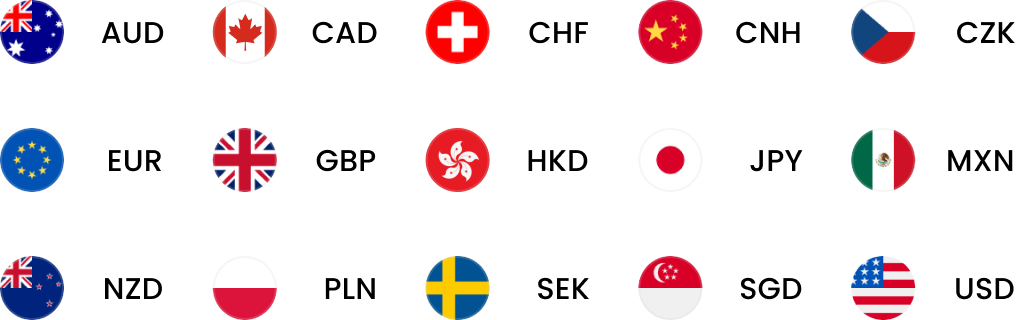
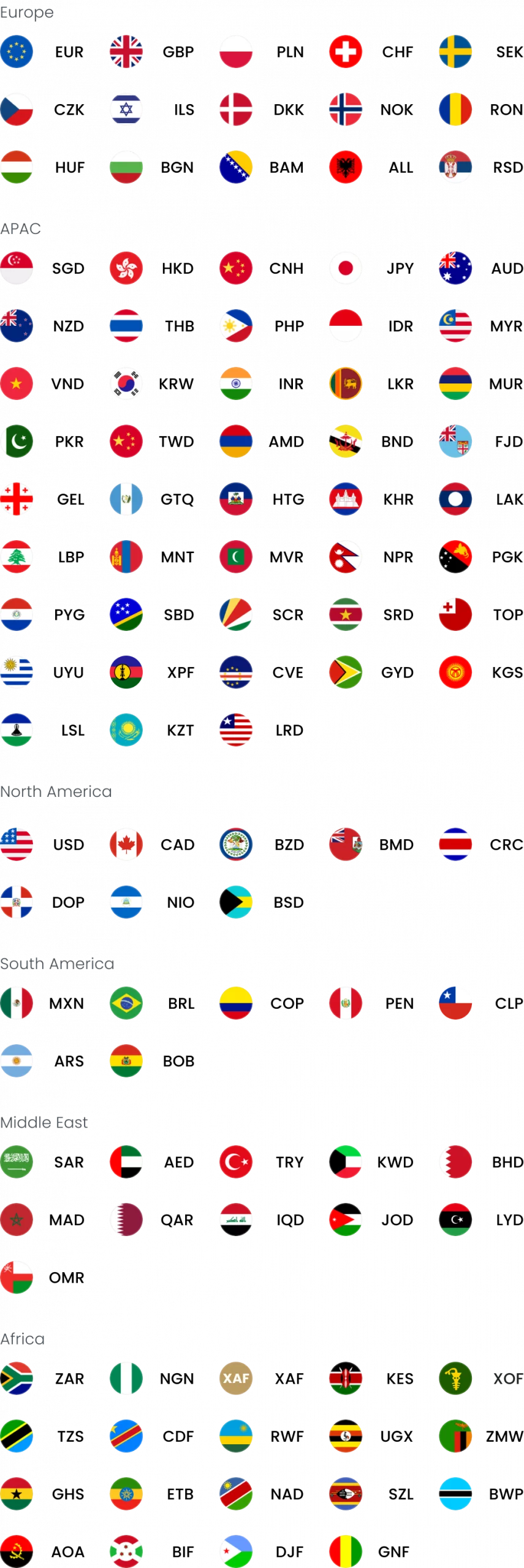
In such a case, using WorldFirst’s multi-currency World Account is useful for scaling sellers. It supports direct payments in CNY alongside USD, EUR and 20-plus other currencies, without forcing an automatic conversion the moment funds land.
3) Build Your Online Ecommerce Store
Shopify is one of the most popular online ecommerce platform builders in the UK. It is especially popular with dropshippers because it integrates with sourcing and automation tools such as DSers, AutoDS, CJdropshipping, and Zendrop.
Here are key steps to make your online ecommerce store more attractive:
Write your own product descriptions: For each product, come up with your own product description. Write them on your own or hire an experienced copywriter for that. If you’re using AI for writing them, don’t forget to manually check the text, stats, and product title before publishing them on your site.
Technical SEO: Your online store should be fast and have a good navigation panel. The attention span of customers is only 2-3 seconds, so your site must be able to retain the attention of customers on their first visit. Make sure your site has fast loading speed, a proper sitemap, a low bounce rate, and so on. Also, as soon as a product is unavailable on your site, it must come with an automatic message like “Out of stock” instead of an error 404 page, which is seriously jarring for customers.
Add UK-specific details: As far as possible, your site should give proper delivery timeframes, a returns policy that reflects the Consumer Rights Act, and real contact information relevant to UK customers. Don’t overstate anything. Whatever you say or mention in the online store must be verifiable.
4) Be Clear on Your Payment and Currency Matters
Many dropshippers in the UK make the mistake of not paying much attention to payment issues and currency conversion matters. But the currency conversion fees that might look very low could actually become a huge amount if you calculate them at the end of the year.
Don’t forget that once you’re sourcing from overseas suppliers, foreign currency becomes part of your daily operations. Most suppliers invoice UK business owners in USD, EUR or CNY.
Though UK banks will convert that for you, they will take a substantial cut of the total amount. Getting the product and store right doesn’t count for much if your payments silently eat your margin
Research from Wise found that UK businesses lost around £5.6 billion in 2022 alone to hidden FX charges in the form of bank exchange rate markups, commonly running 2–4% above the real mid-market rate.
On a £2,000 supplier payment, that’s £40–£80 gone before you’ve even noticed a fee was charged.
This is specifically where WorldFirst UK helps dropshippers, and it’s worth being concrete about what that actually means:
A multi-currency World Account: that holds and receives money in 20-plus currencies. You don’t need to convert the moment funds land. If you’re paid in USD and pay suppliers in USD, you can skip the conversion fee.
Free, instant payments to CJ Dropshipping: Thanks to WorldFirst’s direct partnership with the platform, the payment can be settled instantly, avoiding delays that might otherwise occur with a standard SWIFT transfer.
Transparent FX rates shown upfront: rather than a spread buried inside a transfer confirmation after the money’s already gone.
A traditional bank account is simpler to set up if you’ve only ever paid and billed in GBP. The problem is most dropshippers aren’t.
Meta/ TikTok Ad Account Bans: getting your ad account banned or restricted mid-campaign on TikTok or Meta can be frustrating. But new advertiser accounts, generic-looking stores, and thin product pages often get flagged by Meta and TikTok’s automated review systems. Some ad accounts get closed within minutes of the first ad going live.
A frozen ad account means wasted ad spend, paused sales, and sometimes locked funds that you can’t access for days.
Here’s how you can mitigate that risk:
- Start slowly. Try posting ads with a small daily budget instead of going all-in on day one.
- Keep your store’s refund policy, contact details, and business information clearly visible on your site.
- Avoid reusing the same card, device, or account details across multiple ad accounts.
Important: if a previous ad account was ever restricted or banned, using the same payment method on a new one can still get your new ad account restricted, too.
This is exactly where a cashback tool like the World Card earns its keep. Since ad spend is one of the biggest costs in this business, getting cashback on it can make a real difference over a few months of testing.
Traditional UK Banks Vs WorldFirst World Account: Features at a Glance
| Feature | Traditional UK Banks | WorldFirst World Account |
| FX markup | Typically 2 to 4% hidden in the exchange rate | Transparent rate shown before you send |
| Paying CJ Dropshipping | Standard transfer fees, typically takes 3 to 5 business days | Free transfers, instant processing, usually arrives within 1 to 2 business days |
| Currencies held | Usually GBP only, with mandatory currency conversion | Hold 20+ currencies without forced conversion |
| Ad spend on Meta, Google, or TikTok | No cashback | Cashback available through the World Card |
| 1688 / CNY supplier payments | Slower payments with higher FX markup | Direct CNY payment support |
5) Launch as a Test
Every online store was once an idea. Then it goes into a test. And eventually it turns into a full-time business. So, success in dropshipping requires time, patience, consistency and tight financial management.
A realistic first-month budget for a UK dropshipper looks something like:
Store platform (Shopify or similar): £25–£35/month
Initial ad spend: £500–£800 to properly test a product
Sourcing tools: often free to start
Total: roughly £700–£1,500
Your first few weeks into the dropshipping business are about learning which creative gets clicks, which price converts, and how your supplier holds up under real order volume.
As Elisabeth, put it, when we asked what separates sellers who make it past year one:
“In the early stage, successful sellers are not afraid to test and learn. They understand that not every opportunity will work, but through continuous testing and learning, they can recognise the opportunities worth investing in.”
You need to be cautious about spending, money receipt, and fees incurred for making or receiving payments from day one. Even a slightly casual approach to your financial management for a few weeks can turn your profit-oriented dropshipping business into a breakeven one, as dropshipping runs on thin margins with huge competition all around.
Adding further, she said, “Payments are a critical part of the journey, especially when sellers operate across different countries and currencies. We are experts in supply chain and e-commerce operations, while WorldFirst has strong expertise in global payments. Together, we can provide sellers with a more complete solution.”
That’s really the case for pairing a sourcing platform with a payments provider that’s built for exactly this: fewer currency conversions, faster supplier payments, and a virtual debit card that gives something back on the ad spend you’re already putting in.
Don’t Ignore UK product safety rules for Dropshippers
Since Brexit, most products sold in the UK need to meet UKCA marking rules (or, for now, a recognised CE mark, as the government is allowing both to run in parallel while the transition plays out). This applies to regulated categories like electronics, toys, cosmetics, plug-in gadgets, and wearables.
For example, if you’re dropshipping a phone charger, a kids’ toy, or a skincare product sourced from an overseas supplier based in China or Malaysia, as an “importer,” you have to comply with the UKCA marking rules. Thus, before launching your dropshipping business and finalising your product selection, check whether your product category needs UKCA/CE marking before you list it on your online store.
Ask your supplier for a Declaration of Conformity if the product falls into a regulated category. The good news is that you don’t need a lawyer for it. Even a few hours of research are sufficient, especially when you are picking a product niche in a regulated category. Non-compliance with these rules can get your shipment stopped at customs.
What happens when a supplier refunds you in a different currency
Let’s take an example; suppose you paid a supplier $500 USD for a batch of stock, converted straight to GBP the moment it landed, and then had to send some of it back for a refund. If your account converts to GBP automatically, that refund often comes back and gets converted again, at whatever the exchange rate happens to be that day.
If the rate moved 3% against you between payment and refund, a $200 refund could land £8–£10 short. It’s a small loss on one order, but it adds up across a few dozen refunds a year.
That’s when multi-currency accounts can simplify the task. When you’re holding a balance in USD or CNY (rather than converting the second it lands) means a refund just goes back into that same currency balance. No second conversion, no second markup, no getting caught out twice on an order that didn’t even go through.
With WorldFirst’s World Account, you can hold the currency you’re paid or refunded in and choose when (or if) to convert it, which matters a lot more once you’re processing dozens of supplier refunds a month rather than just one or two.
Grow Your Dropshipping Business With WorldFirst
You should protect your margins when doing dropshipping business. A WorldFirst World Account allows you to collect revenue from 130+ marketplaces (Shopify, Amazon, Etsy) and pay international suppliers in 100+ currencies at competitive rates, including CNY for Chinese suppliers. Paying suppliers directly in their local currency cuts out hidden conversion markups, ensuring more of your calculated profit actually reaches your balance. The World Account also helps you download payment history and statements directly, anytime you need it.
Power your global growth with one account
Get local currency accounts, fast payments and competitive FX – all in one place.
FAQs
1. How much money do I need to start dropshipping in the UK?
It completely depends on the type of online dropshipping store that you want to launch. Overall, based on some estimates, anything between £700–£1,500 can be sufficient for the first month.
2. How long does shipping actually take?
Usually, it takes 2–5 days from EU-based warehouses, while 7–12 days from China directly.
3. Do I need to register as a business?
Yes — once you’re trading with intent to profit, HMRC expects registration as a sole trader or limited company.
4. How do I avoid losing money on currency fees?
A multi-currency account like WorldFirst’s World Account lets you hold funds in the currency you’re paid in and pay suppliers directly.
Sources
- https://www.trade.gov/country-commercial-guides/united-kingdom-ecommerce
- https://www.gov.uk/set-up-business
- https://www.gov.uk/set-up-sole-trader
- https://www.legislation.gov.uk/ukpga/2015/15/contents
- https://www.legislation.gov.uk/uksi/2013/3134/contents/made
- https://wise.com/gb/blog/the-state-of-transparency
- https://cjdropshipping.com/
- https://www.worldfirst.com/uk/product/
- https://www.gov.uk/guidance/placing-ukca-or-ce-marked-products-on-the-market-in-great-britain
- https://transparency.meta.com/policies/ad-standards/
This article is intended for informational purposes only and does not constitute legal, tax, or professional advice. WorldFirst makes no representations or warranties regarding the accuracy, completeness, or applicability of the content, and readers are encouraged to consult with legal or financial professionals for advice tailored to their specific situation.