



























A business bank account keeps your company’s money separate, organised and easier to manage, while a personal account helps you manage salary, bills and everyday spending.
That choice matters for millions of UK businesses. There were 5.7 million private sector businesses in the UK at the start of 2025 and 5.64 million were small businesses.
For many of them, especially freelancers, sole traders and growing SMEs, keeping business and personal money separate makes it easier to track income, manage costs and monitor cash flow.
This business bank account vs personal guide explains the key differences, when you need a business account in the UK and what to compare when your business sends or receives money internationally.
Key takeaways:
- A business bank account keeps business money separate from personal spending: It helps you track income, expenses, tax records and cash flow without mixing invoices, supplier payments and everyday personal costs in one place
- Limited companies and LLPs need clear financial separation: If your business is a separate legal entity, its money should stay separate from your personal funds. Sole traders may have more flexibility, but a separate account still makes bookkeeping and tax records much easier
- Using a personal account for business can create extra work and risk: You may need to sort transactions manually, check if your bank allows business activity and deal with messier records when preparing Self Assessment, VAT returns or company accounts
- A business account gives you better tools as your business grows: Features like higher transaction limits, accounting integrations, multi-user access, business cards and approval controls can make payments and spending easier to manage
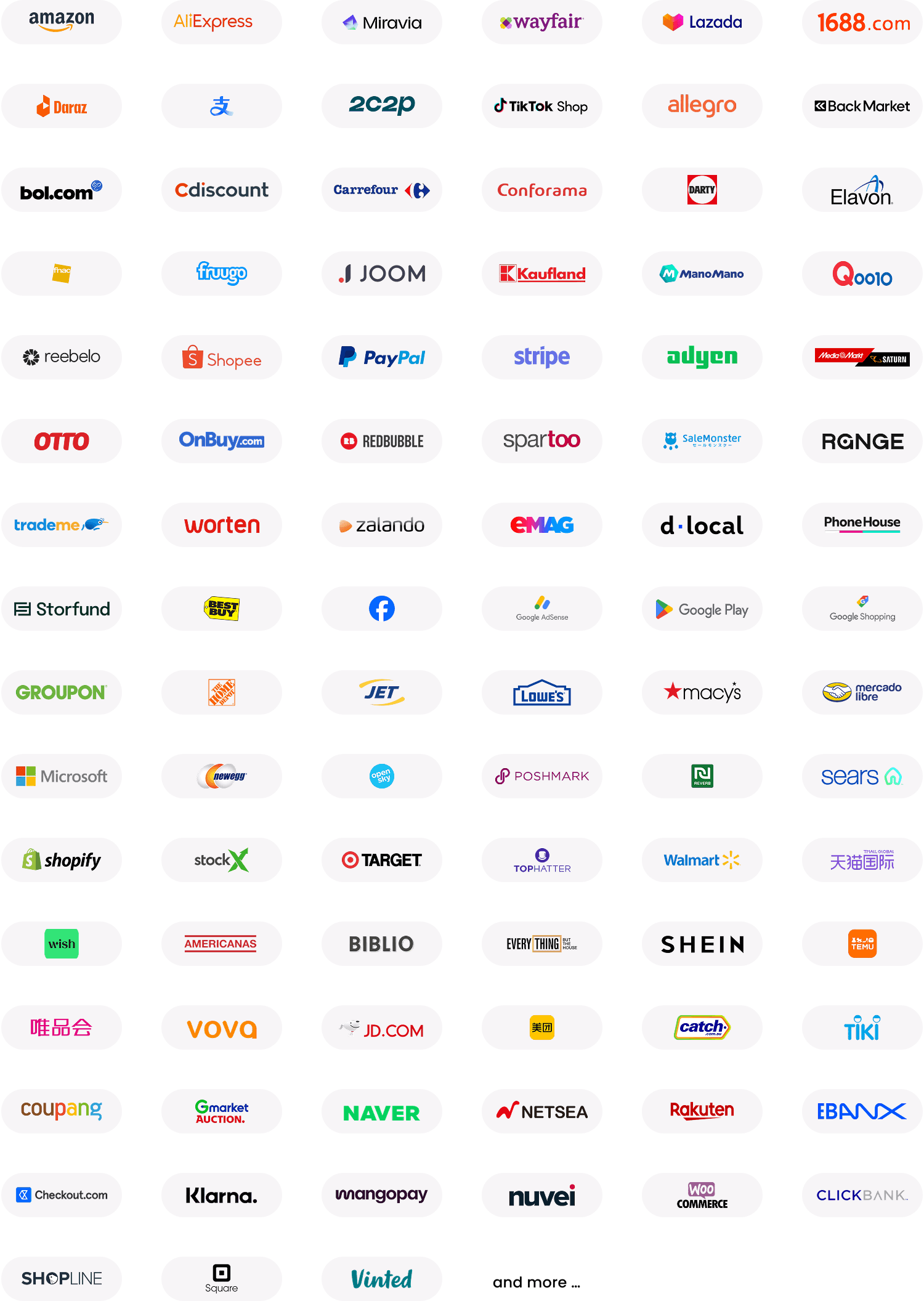
- World Account can help if your business trades internationally: A standard business account may be enough for local banking, but World Account supports global payments, 20+ currency balances and payments in 100+ currencies, giving you more control over international transactions and FX
What is a business bank account?
A business bank account is an account used to manage business income, expenses, payments and financial records separately from personal money.
It helps you receive payments from customers or marketplaces, pay suppliers and staff, manage VAT and tax records and keep your finances separate from everyday personal spending.
For example, customer payments go into your business account. Supplier invoices,
subscriptions, salaries and other business costs come out of the same account. That gives you a clearer view of what your business earns, spends and keeps.
Business accounts can also offer features that personal accounts usually don’t, such as:
- Multiple user access for partners, accountants or team members
- Accounting software integrations
- Higher transaction limits
- Business payment tools
Clearer cash flow tracking
Who needs a business bank account?
A business bank account is essential for some UK business structures and highly useful for others:
- Limited companies: Yes. A limited company is a separate legal entity, so you need to keep company money separate from personal money
- Limited Liability Partnerships: Yes. LLP finances are separate from personal finances, so a dedicated business account is needed
- General partnerships: Usually recommended. There may not be the same strict legal separation as a limited company, but a business account makes it easier to manage shared income, expenses and records
- Sole traders: Not always legally required, but strongly recommended once business income becomes regular. It makes bookkeeping, tax returns and payment tracking much easier
- Growing businesses: Yes. If you pay contractors, work with suppliers, sell internationally or plan to expand, a business account helps you track cash flow and manage payments more clearly

What is a personal bank account?
A personal bank account is an account you use to manage your own money, including your salary, bills, savings and everyday spending.
Personal accounts are the default way most people manage money day to day. In May 2024, 97% of UK adults had a current account, according to the FCA.
It’s the account you’d usually use for rent, utilities, groceries, phone bills, personal subscriptions, insurance, family costs and leisure spending.
Personal accounts don’t usually offer the tools businesses need, such as invoice tracking, supplier payment workflows, multi-user access or accounting software integrations. If you use one for business, you’ll need to manually separate personal and business payments, which can make bookkeeping, VAT records and Self Assessment more difficult.
Some freelancers or solo entrepreneurs may start with a personal account, but many banks restrict business activity on personal accounts. Always check your account terms before using a personal account for business payments.
Key differences between business and personal accounts
1. Purpose and usage
The main difference between a business account and a personal account is how you use the money:
- A business account is for money associated with your business. You use it to receive customer payments, pay suppliers, manage invoices, cover payroll, buy stock and track tax-related payments such as VAT or corporation tax
- A personal account is for your own money. You use it for salary, savings, rent or mortgage payments, household bills, groceries, subscriptions, travel and other everyday spending.
Mixing the two quickly creates confusion:
- Messy tax records: You’ll need to manually separate business and personal transactions. That increases the risk of missed expenses, incorrect claims and HMRC queries
- Poor cash flow visibility: Personal spending can hide what the business actually earns, spends and keeps
- Account terms issues: Some personal accounts don’t allow business transactions. If you use one for business, you could breach your account terms
- Less professional payment details: Clients and suppliers may expect to see your business name on invoices and payments, not your personal name
- Harder finance applications: Lenders and investors usually prefer clean business records. Mixed transactions can lead to extra questions and more paperwork
2. Legal and accounting separation
A limited company must keep its money separate because it’s a separate legal entity.
Business income, expenses and payments shouldn’t run through your personal account.
Separate banking makes accounting and tax filing much easier. You can see what belongs to the company, what the business has spent and what you’ve withdrawn as a director.
It also creates a cleaner audit trail. If your accountant, HMRC or Companies House needs to review your records, separate business banking makes it easier to prove where money came from and where it went.
3. Tax records and bookkeeping
A business account makes tax records easier to manage because all business transactions stay in one place.
That makes it easier to:
- Categorise expenses
- Review income
- Prepare Self Assessment or company accounts
- Track VAT, if you’re registered
- Share cleaner records with an accountant
- Match payments with invoices and receipts
Some business accounts also connect with accounting software, including tools that support Making Tax Digital.
A personal account can still show payments, but it creates extra work. You’ll need to manually separate business and personal transactions, which can lead to missed expenses, errors and unclear records.
4. Fees and charges
Business accounts often have more fees than personal accounts, but the real cost depends on how you use the account.
Personal accounts can look cheaper at first because many don’t charge a monthly fee for everyday banking. Business accounts may come with extra costs, such as:
- Monthly account fees
- Transfer fees
- Cash deposit fees
- Card fees
- International payment fees
- FX conversion costs
- Additional user or card fees
But don’t judge an account only by the monthly fee. A free personal account can still cost you time if you need to sort business and personal transactions manually. A low-cost business account can also become expensive if you make frequent overseas payments with unclear fees or built-in exchange rate margins.
Compare the full cost, including the services you actually need. Some accounts include free UK transfers and basic tools, but charge more for international payments. Others may have fewer everyday fees but limited cash handling, card controls or accounting features.
For global businesses, FX matters too. Even a small difference in exchange rates can affect margins when you pay overseas suppliers or receive international sales.
5. Transaction limits and volume
Business accounts help you manage higher payment volumes and day-to-day business activity. They allow multiple transactions per day, high-value transfers and higher deposit/withdrawal limits.
Personal accounts often have lower limits appropriate for personal use (e.g., monthly spending limits, fewer free ATM withdrawals per week, etc.).
If your business grows, you may exceed the limits of a personal account or incur charges. A business account can give you more room to manage regular payments, supplier costs and incoming sales.
6. Professional image
A business account makes your payments look more professional because they appear under your business name.
When clients pay invoices or suppliers receive payments, they see your company name instead of your personal name. That can make your business look more established and reduce confusion, especially when working with new clients, partners or overseas suppliers.
It also keeps your brand more consistent. Your invoice, business name and payment details all match, which feels clearer than asking someone to pay money into a personal account.
7. Team access and spending controls
A business account makes it easier to give the right people access without giving them full control of your money.
A personal account usually works for one person. That becomes limiting when you need an accountant to review transactions, a team member to make payments or a manager to approve spending.
Business accounts may support features such as:
- Multiple users
- Accountant access
- Role-based permissions
- Payment approvals
- Business cards
- Spending limits
- Transaction exports
These controls help you manage spending more safely as your business grows.
8. International payments and FX
A personal account may let you send money overseas, but it usually won’t give businesses enough control over international payments and FX.
Cross-border trade involves more than sending a transfer. A dedicated business account, especially a multi-currency one, can help you manage foreign transactions with clearer controls, better payment tracking and fewer manual workarounds.
FX management matters because exchange rate movements can affect profit. A 2025 report found that UK SMEs lost an average of around £53,000 each to currency volatility in 2024–2025.
Bank of England data adds useful context: net average daily turnover in the UK foreign exchange market reached US$4.745 trillion in April 2025, up from US$3.735 trillion in April 2022, confirming the UK remains the world’s largest FX centre.
Key points to compare include:
- Payment speed
- Transfer fees
- FX rates and margins
- Conversion timing
- Supplier currency preferences
- Local receiving account details
- Marketplace payment flows
- Multi-currency reconciliation
A basic business bank account can help, but it may still limit flexibility. You might need to convert funds earlier than planned, pay higher FX costs or manage separate accounts for different currencies.
Which account should you choose?
Stick with a personal account if you only have personal income and spending, no business activity at all. If you truly have no business income (just a hobby, for example), a personal account is enough.
Move to a business account once your business activity becomes regular. That includes situations where:
- You run a limited company (you must)
- You’re a sole trader or partner with regular business income
- You pay suppliers, contractors or employees
You want cleaner bookkeeping and tax records - You need business cards, payment approvals or better transaction limits
- You plan to apply for a loan, credit or other financing
Consider a multi-currency account if you:
- Pay suppliers in foreign currencies (e.g., USD, CNY, EUR)
- Receive sales from overseas clients or marketplaces
- Need local receiving accounts (e.g., Amazon/Shopify payouts in USD or EUR)
- Want to avoid unnecessary currency conversions
- Need to time FX conversions strategically
- Want a single platform for all cross-border transactions
Manage international business payments with WorldFirst
A personal account is for everyday individual spending. A business account is for managing a company’s income, expenses and records. But what if a traditional business account isn’t flexible enough for the way your business moves money overseas?
If you pay suppliers, receive marketplace sales or manage costs in different currencies, you may need more than a basic business account. You need a way to hold funds, choose when to convert, pay internationally and track foreign transactions more clearly.
WorldFirst offers World Account, a multi-currency business account that helps international payments feel more like local payments.
World Account isn’t a traditional bank account. It’s a multi-currency business account that works alongside your main UK business bank account, giving you more control over international payments and FX.
You’ll still need a UK business account for local banking, tax records and day-to-day operations. WorldFirst helps with the global side: holding multiple currencies, paying overseas suppliers, receiving international sales and converting funds when it suits your business.
With a World Account, your business can:
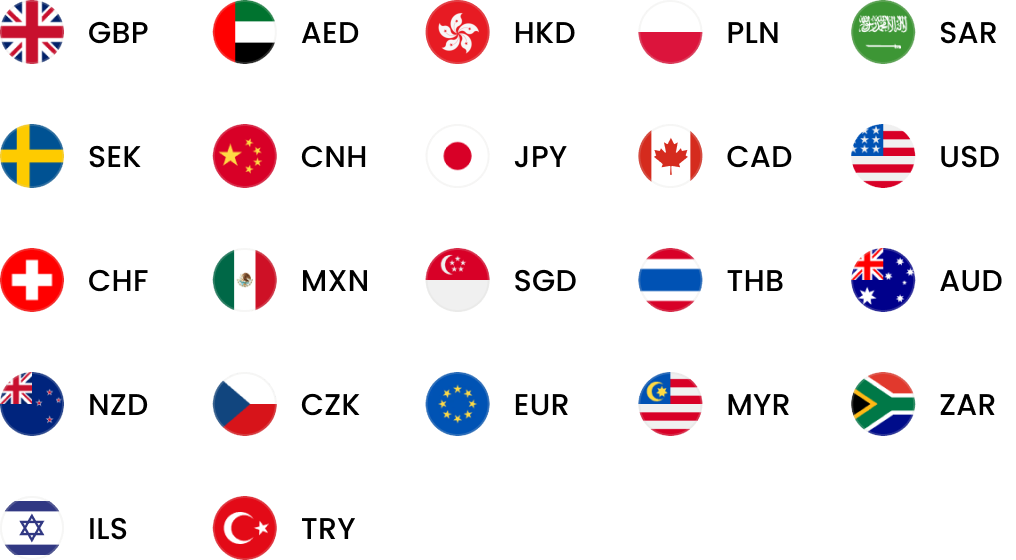
- Receive funds in 20+ currencies: Collect payments in currencies such as USD, EUR, HKD and SGD, with local account details available for key markets
- Hold balances in 20+ currencies: Keep funds in the original currency until you’re ready to convert, helping you avoid unnecessary conversions and manage FX timing more carefully
- Pay suppliers in 100+ currencies: Send international payments to suppliers, partners and contractors across global markets from one account
- Convert currencies with more control: Use live rates to convert funds when it suits your business, with clear FX pricing before you make a transfer
- Manage global payments in one place: Bring international collections, supplier payments and currency balances into a single platform, instead of relying on separate accounts and manual tracking
Personal account vs business bank account vs World Account:
| Feature | Personal account | Business bank account | World Account |
|---|---|---|---|
| Main purpose | Everyday personal spending | Business income, expenses and records | International business payments and FX |
| Best for | Salary, bills and personal costs | UK business banking and tax records | Businesses that send, receive or hold foreign currencies |
| Business use | Often restricted | Yes | Yes, for international payment needs |
| Legal fit for limited companies | Not suitable | Yes | Works alongside your main UK business account |
| Multi-currency support | Limited | Varies by provider | Hold balances in 20+ currencies |
| International payments | Basic overseas transfers | Available, often with fees and FX margins | Pay in 100+ currencies |
| FX control | Limited | Varies by account | More control over when you hold and convert funds |
| Team access | Usually no | Often available | Business-focused controls available |
| Best use case | Personal income and spending | Day-to-day business banking | Overseas suppliers, marketplace sales and currency management |
FAQ
1. Do I legally need a business bank account in the UK?
2. Can I use a personal bank account for business?
3. What should I look for in a business bank account?
Sources:
- https://www.business.gov.uk/support/business-tax-and-reporting/getting-a-business-bank-account/
- https://www.gov.uk/running-a-limited-company
- https://www.worldfirst.com/uk/
- https://www.bankofengland.co.uk/-/media/boe/files/statistics/bis-survey/2025/summary-of-uk-survey-results-2025.pdf
- https://www.leasinglife.com/news/uk-smes-count-cost-of-currency-volatility-average-53k-lost-in-2025/
- https://www.fca.org.uk/publication/financial-lives/financial-lives-survey-2024-key-findings.pdf