



























If you’re researching how to hold foreign currency, you only really have two options. You can either:
- Apply for separate accounts in different countries and currencies
- Open a multi-currency account and hold the different currencies you need in the same place
The second option is by far the easiest. You don’t need to prove residence in different regions or spend weeks waiting on documents to be approved. Plus, many multi-currency accounts are often free to open and only take minutes to sign up.
In this guide, we’ll walk through both approaches and share why WorldFirst is a top option for international SMEs looking to hold foreign currency.
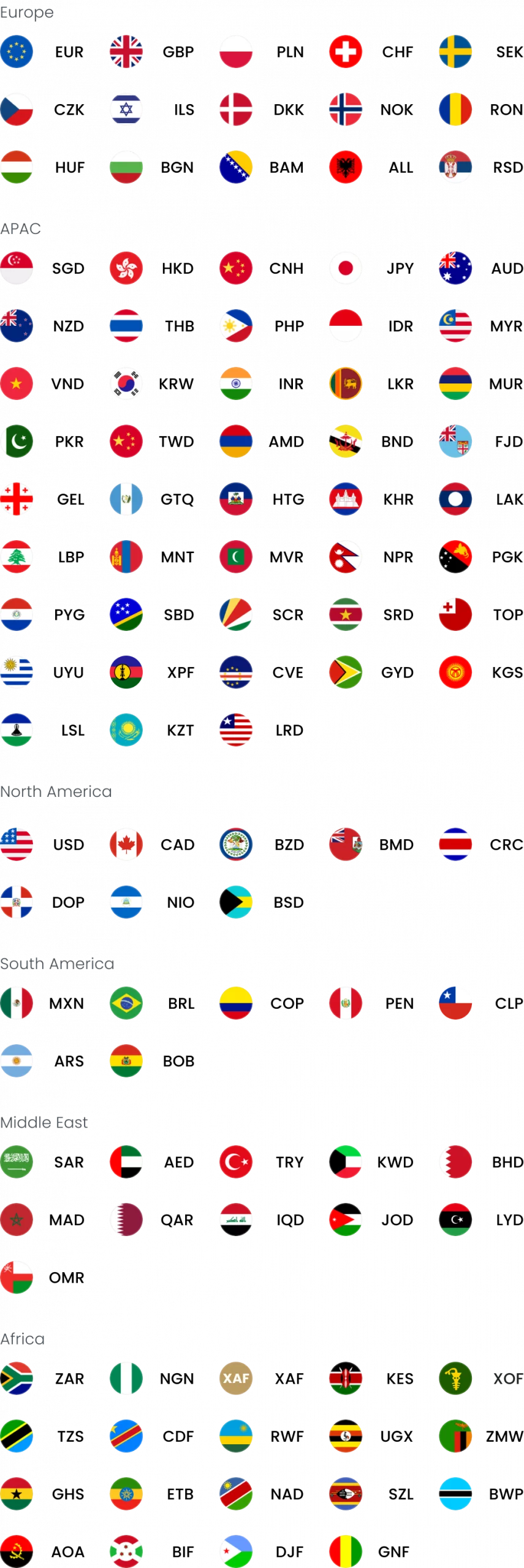
With a World Account, you can open accounts in 20+ currencies, hold funds without being forced to convert and pay local suppliers directly in their preferred currency.
Plus, the World Account allows you to manage all your global business spending on a single platform so you can oversee your transactions in one place. And as you expand into new markets, there’s no need to open new accounts – you can simply add more currencies.
In this guide, we’ll cover:
- Why the World Account is the best way to hold foreign currency
- Why opening multiple accounts for different currencies is a much more complex way to hold foreign currency
- 4 ways to save money on foreign currency exchange
Sign up for a World Account so you can start holding 20+ currencies for free.
Why the World Account is the best way to hold foreign currency
WorldFirst is a global payments platform designed to help businesses hold foreign currency without needing to open a foreign bank account.
For 20+ years, we’ve supported over 1.5 million businesses to send money across the world, transacting more than US$500 billion globally.
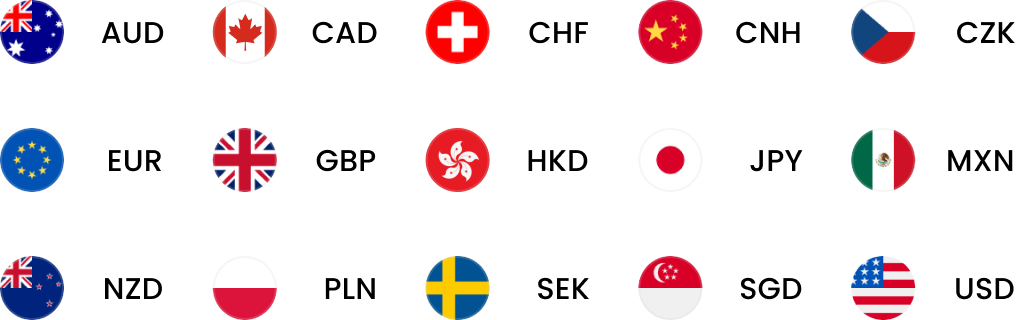
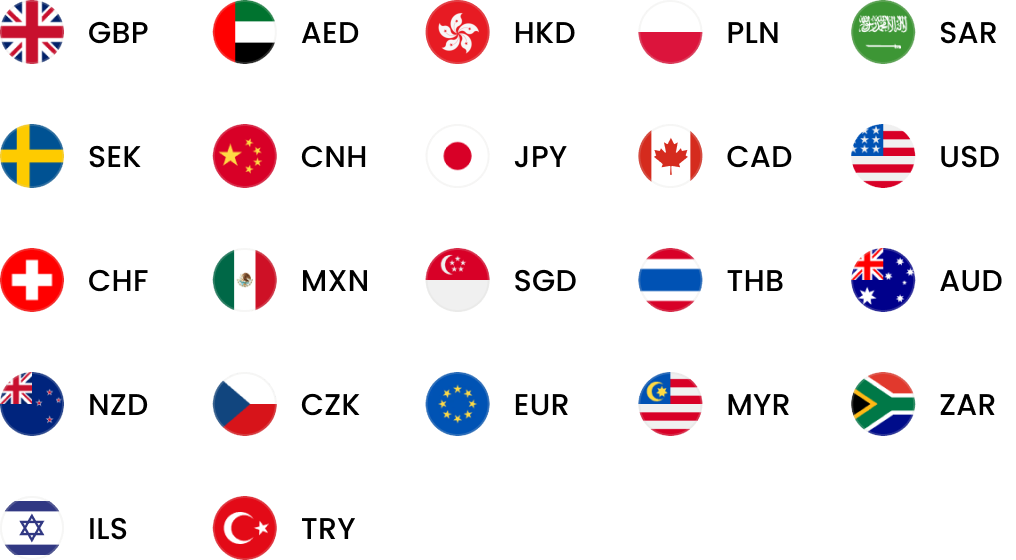
With a World Account, you can hold 20+ currencies (including USD, GBP, EUR, JPY and CNH), all in one place. Each currency comes with its own local account details, so you can get paid like a local business and hold those funds without being forced to convert them.
Here are a few additional benefits of using a World Account:
Get set up easily and hold 20+ currencies in one place
If you’re juggling multiple platforms or accounts just to hold different currencies, you know how time-consuming and hard to manage it can be.
That’s exactly why we created the World Account, to make it easy for businesses to manage their global spending in one place.
It only takes 10–15 minutes to register for an account (including setting up two-factor authentication), and most accounts are approved within 48 hours. Once you’re set up, you can choose from the 20+ currencies that you need.
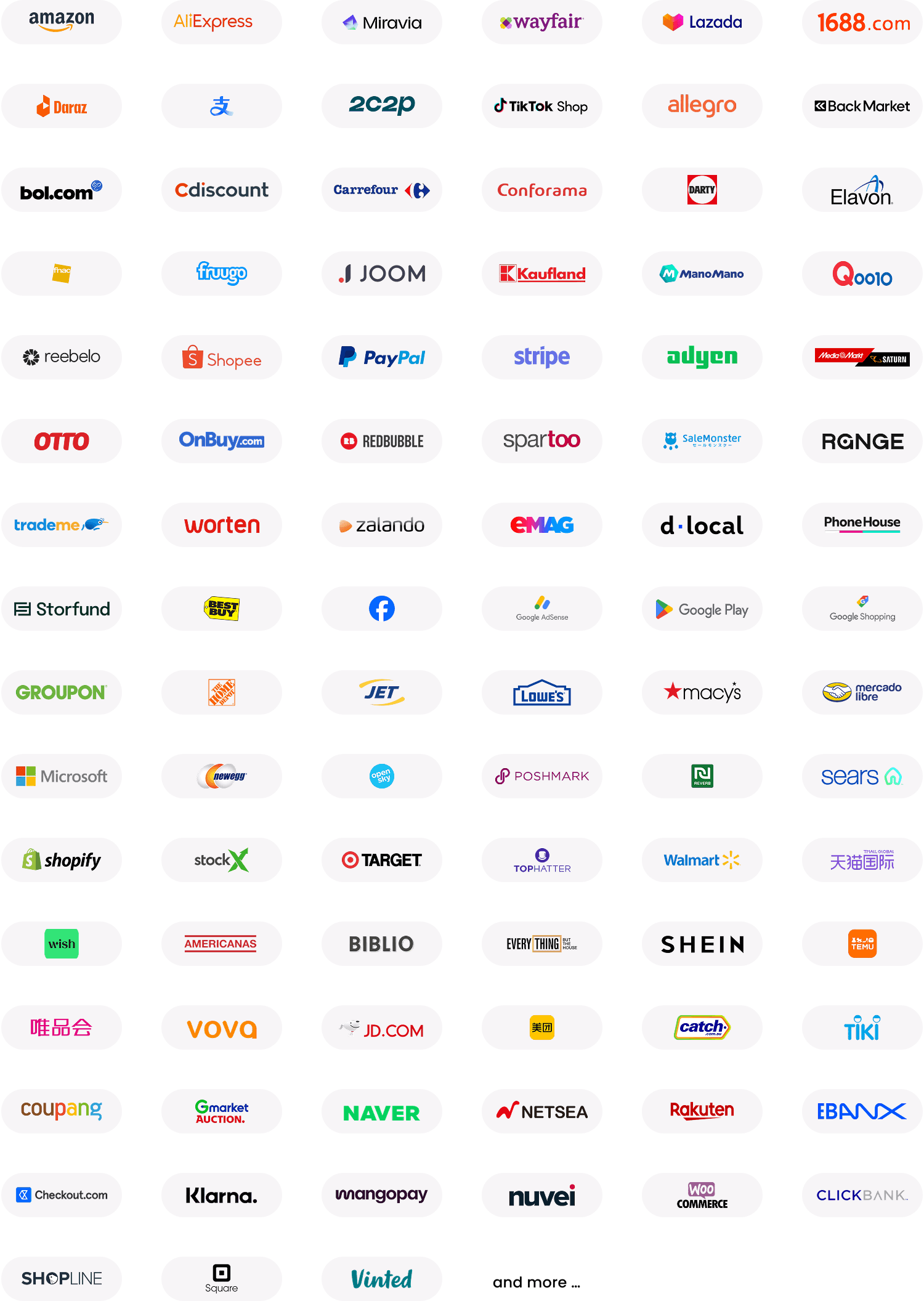
You can also send and receive payments directly from these accounts – including payouts from 130+ marketplaces – and track everything from a single dashboard.
Because everything sits under one login, you can manage payments, move funds between currencies and generate reports without switching platforms.
Read more: How to choose a multi-currency business account (+ 7 options)
Multi-currency accounts are tied to local networks, so 90% of payments arrive the next day
When you send money with a traditional bank account, it’s transferred through the SWIFT network.
The trouble with this is that these transactions can take 3–6 working days to settle. Along the way, funds often pass through multiple intermediary banks, each adding additional checks and fees, which takes time.
And when you’re moving your own money across borders, it’s treated like any other payment. You’ll need to convert currencies (at a variable exchange rate) and wait for funds to settle – and so you’ll lose a portion to fees each time.
With a World Account from WorldFirst, the process is much simpler.
Each multi-currency account comes with local banking details (such as account numbers, IBANs or routing information) so you can receive funds like a local, hold them in that currency and send them out using the same local rails.
Because you’re bypassing SWIFT and intermediary banks, payments move much faster – with 90% arriving by the next day.
On top of that, you have full visibility from your dashboard, with real-time tracking and status updates at every stage, so you always know where your money is and when it will arrive.
Read more: How to make same-day international money transfers as a cross-border business
Pay zero fees to hold major currencies and only convert when rates are favourable
When you convert currencies, you’re often paying 3–4% in FX fees – and that’s before factoring in intermediary bank deductions along the way.
With a World Account, you don’t need to convert funds every time you receive them. Instead, you can hold your currencies and choose when to convert them based on what works best for your business.
When you’re ready to spend the currencies you hold, you pay zero FX fees in the same currency. And when you send funds to another World Account, all transactions are completely free.
Even when you pay in currencies outside your 20+ currency accounts, currency conversion is based on the mid-market rate with a low 0.5% markup on major currencies.
That said, even with a low, transparent markup, exchange rates still fluctuate, which can change how much you end up paying from one transfer to the next.
To help manage this risk, you’ll have access to FX tools like forward contracts and firm orders, giving you control over the rate you convert at.
Read more: Foreign exchange risk management: How to make international business more affordable
Why opening multiple accounts for different currencies is a much more complex way to hold foreign currency
We’ve shown how multi-currency accounts help international businesses hold foreign currencies in one place – often at no cost.
Now, let’s look at the alternative: setting up multiple accounts in different countries.
Many businesses operating across borders attempt to open currency accounts in the countries where they do business because there are a few clear advantages to this approach:
- They operate like a local business: Having a local account allows you to send and receive payments through domestic networks, making transactions faster, cheaper and more familiar for local customers and suppliers.
- They avoid some cross-border fees: Local payments typically bypass international transfer routes like SWIFT, helping reduce intermediary fees and delays. They also avoid repeated FX conversions when they’re receiving and paying in the same currency.
- They build credibility with local partners: In some markets, having a local bank account signals commitment and legitimacy. Suppliers, customers and even regulators may prefer (or even require) it.
However, here’s where it gets complicated:
- Extensive documentation requirements: Banks often require certified business documents, proof of directors, ownership structures and detailed financial information – sometimes translated or notarised.
- In-person verification: Many banks require directors or authorised signatories to visit a branch in person to verify identity, which can slow things down and add travel costs.
- Local entity or address needed: In some countries, you may need a registered local business, office address or tax ID to open an account.
- Lengthy approval timelines: Account opening can take weeks (or longer), especially if additional compliance checks or back-and-forth documentation requests are involved.
- Ongoing compliance checks: Banks may require regular updates, documentation renewals or reviews to keep accounts active and compliant.
- Multiple banking relationships to manage: Each country may involve a different bank, platform and support team – making day-to-day management more fragmented.
- Cross-border transfers still come at a cost: When you send funds back to the UK or convert between currencies, banks still takes a cut because payments go through the SWIFT network.
This is why it’s often easy for international businesses to open multi-currency accounts with a single payment provider rather than open bank accounts in multiple countries.
Read more: Business foreign currency accounts: 4 options compared
4 ways to save money on foreign currency exchange
So, when it comes to holding foreign currency, it pays to use a multi-currency account. But to reduce your costs even further, bear these capabilities in mind when choosing a provider:
- Avoid unnecessary conversions. One of the biggest drivers of FX cost is converting funds multiple times. If your bank automatically converts foreign currency to your home currency, and you then need to convert again to make a payment, you’re paying fees at each step. Find a provider that lets you hold different currencies so you don’t have to convert it every time.
- Look for transparent FX pricing. Not all FX fees are clearly shown. Some providers build their margin into the exchange rate, making it difficult to see what you’re actually paying. Choosing a solution that offers the mid-market rate with a clear markup helps you understand the true cost of each transaction.
- Ensure access to local payment networks. Sending money through international networks like SWIFT can introduce intermediary fees and delays. Using local payment rails allows you to send and receive funds like a local, often reducing both costs and processing times.
- Use additional tools to manage currency risk. When you’re dealing with larger amounts or future payments, exchange rate movements can impact your margins. Using tools like forward contracts or rate alerts can help you lock in or target specific rates, giving you more predictability and control over your costs.
Open a multi-currency World Account and start holding foreign currency
Ready to open a World Account and start holding foreign currency? It’s free to set up, there are no minimum or maximum balance requirements and it only takes a few minutes to get started.
Here’s how to get started:
- Create your account: Select your country, verify your email and set your password.
- Enter your business details: Add your company name, registration number and address.
- Verify directors and owners: Upload photo ID and proof of address for all directors and any shareholders with 25% or more ownership.
- Add supporting information: Share a recent bank statement, your business website and a few details about your trading partners or expected transaction volumes.
- Submit for review: Double check your details and submit your application. Most accounts are reviewed within two working days, and you’ll be contacted by email if anything else is needed.
Once you’re approved, you’ll have access to your World Account dashboard, where you can:
- Open 20+ local currency accounts
- Receive, hold and send international payments
- Manage business transactions from one place
Open your WorldFirst multi-currency account for free today and start holding foreign currency.
FAQs
What does it mean to hold foreign currency?
Holding foreign currency means keeping funds in the original currency you receive or plan to use, rather than converting it immediately into your home currency. This gives you more control over when you convert, helps you manage exchange rate volatility and can reduce fees – especially when dealing with larger amounts of money.
Do I need a foreign bank account to hold foreign currency?
No, you don’t necessarily need a foreign bank account. While some businesses open separate accounts in different countries, many now use multi-currency accounts through online banking platforms to hold and manage multiple currencies in one place without needing a local presence.
Are there fees for holding foreign currency?
It depends on the provider. Some banks charge account maintenance or inactivity fees, while others may charge for holding certain currencies. Many multi-currency accounts allow you to hold funds at no cost, with fees only applied when you convert or send payments.
Can I open a savings account in another country to hold foreign currency?
In some cases, yes, but eligibility requirements can be strict. You may need a local address, tax ID or business entity to open a savings account abroad. Because of this, many businesses choose online banking solutions that offer multi-currency accounts, which are easier to set up and manage without the same barriers.