

























You’ve built a strong local business – now it’s time to expand internationally and reach new markets.
Whether you’re a marketplace seller, manufacturer or e-commerce brand, scaling across borders requires more than ambition. You’ll need a well-defined go-to-market strategy, awareness of local regulations, and reliable systems for handling payments, logistics, and taxes.
Below, we break down how to expand your business internationally with practical examples and proven steps.
Quick answer:
To expand your business internationally, start by researching target markets, understanding regulations, adapting your brand and product for local audiences, and setting up localised payments and logistics. Using a multi-currency business account like WorldFirst helps you receive and pay in local currencies, manage FX risk and scale globally with confidence.
Key takeaways
- Successful expansion starts with the right market and the right entry model, not just a good product.
- Compliance, localisation and logistics are where most expansions slow down, so plan them early.
- Customers buy more readily from brands that speak their language, price in their currency and support their time zone.
- Cross-border payments and FX are a common source of hidden cost. Holding and paying in local currencies protects your margins.
- A multi-currency account like the World Account lets you receive and pay like a local in 20+ currencies, without opening bank accounts overseas. WorldFirst is a payments provider, not a bank.
Why Global Expansion Matters in 2025
Before you decide how to go global, understand why companies do it:
- Global e-commerce is growing fast: The global e-commerce market is projected to hit $8 trillion by 2027
- Cost arbitrage is real: Hiring an engineer in Eastern Europe or Latin America can cut total compensation costs by 30–60% vs North America
“The companies that win globally aren’t necessarily the biggest – they’re the fastest to adapt to local demand while staying legally compliant.”
— Nathan Latka, SaaS Investor & CEO Playbook Host
1. Choose your next target market with confidence
Selecting the right country is the cornerstone of successful international expansion. Choosing the next target country can be overwhelming due to the factors to consider:
- Customer demand and buying behaviour
- Ease of doing business and import regulations
- Language and cultural nuances
- Competitive landscape and price sensitivity
- Market size and logistics infrastructure
Example (Amazon UK → Germany):
Let’s use the example of a successful Amazon toy seller in the UK who wants to expand further into Europe. After analysing sales trends, they find Germany offers high potential – strong toy sales, growing e-commerce adoption and a familiar Amazon ecosystem (Amazon.de).
Their research showed that Amazon DE was the top online store for the Toys and Baby segment followed by Otto.de and mytoys.de in Germany. Various factors were considered and researched, allowing the business owner to come up with a go-to-market strategy. This helps them launch quickly with minimal operational friction.
Tip: When analysing markets, use tools like Google Market Finder or Statista to compare country-level demand.
2. Understand local regulation and compliance
When expanding your business internationally, understanding the local legal and regulatory duties is one of the most critical steps to get right. Each country operates under its own rules for trade, customs, product safety and taxation – and even minor oversights can delay shipments or create costly compliance issues.
Here’s the checklist to help you stay compliant:
- Register for local VAT or GST
- Review IP and trademark protection
- Confirm product safety standards
- Understand customs duties and documentation
- Use a local tax agent or compliance partner (e.g. Avask)
Example:
Our UK toy seller registers with the Hamburg Port Authority to manage customs, hires IP lawyers to secure trademarks and partners with Avask for EU tax filings.
3. Adapt your products and brand for new markets
One of the biggest challenges when expanding business internationally is ensuring your product and brand resonate with customers abroad. What sells well in your main market may not immediately appeal to audiences in another country due to differences in language, culture or consumer behaviour.
A tailored approach can help you stand out in competitive markets and build lasting brand trust. Here are key adaptations to implement:
- Translate listings and labels into local languages
- Localise product descriptions and visuals
- Adjust packaging and safety warnings
- Make sure to use the local currencies on the website
- Optimise search keywords for each market (using tools like Helium10 or Google Keyword Planner)
Case example:
The UK toy seller retains their original brand but localises listings for Amazon.de. They use German keywords and bilingual product information to increase discoverability.
4. Build customer trust through local engagement
Expanding into new markets isn’t just about logistics – it’s also about relationships. Customers are far more likely to buy from brands that speak their language, understand their culture and provide support in their time zone.
To build credibility:
- Offer local customer service channels
- Create country-specific social media profiles (e.g., Instagram DE, TikTok DE)
- Partner with local influencers for brand visibility
- Showcase local reviews and testimonials
Tip: Use location-based ad campaigns in local languages to build familiarity and trust.
5. Manage cash flow and payments across currencies
Handling multiple currencies can create operational headaches and FX losses. With a World Account from WorldFirst, businesses can:
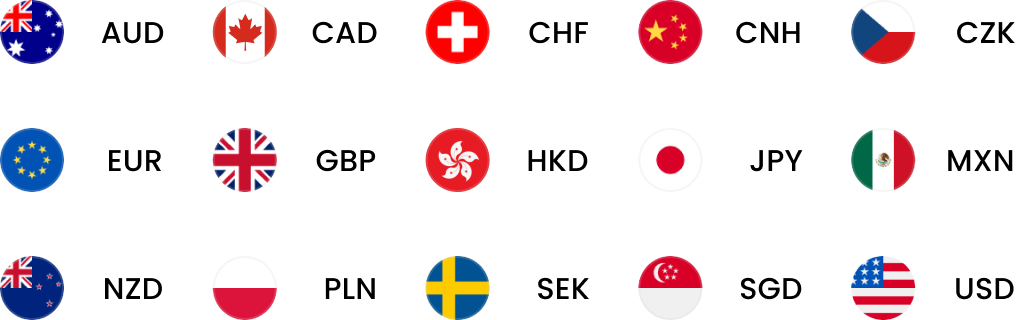
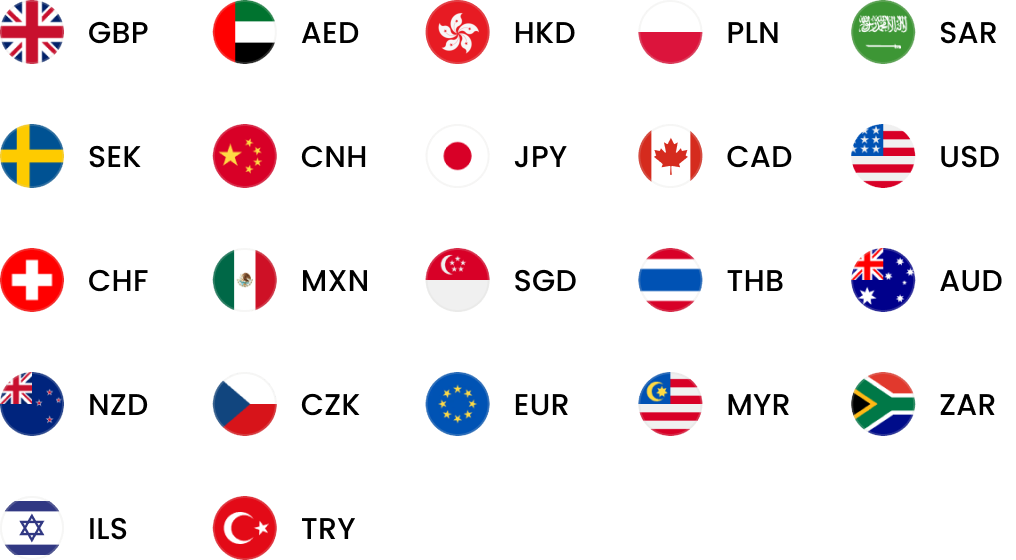
- Open 20+ local currency accounts instantly (GBP, EUR, USD, AUD, CNH, etc.)
- Receive international payments as if they were local
- Pay overseas suppliers in their currency to avoid hidden conversion fees
- Lock in exchange rates for up to 24 months for better cash flow predictability
- Integrate with accounting software like Xero to automate reconciliation
This is vital for businesses working with global suppliers or marketplaces such as Amazon, Shopify, Etsy and Alibaba.
6. Expand international operations to sell in a new market
Moving into the operational side of expansion, it’s crucial for your business to have smooth procedures in place, such as market testing, warehousing and tax.
Continuing our Amazon UK → Germany example:
Imagine the UK business currently has several manufacturers in China and imports roughly 200,000 units of toys per year, totalling a cost of $1 million per year.
To expand into Germany, the business plans to introduce its top product lines and initially test the market. They negotiate with one Chinese supplier to add 20,000 units for $100,000 (the same cost per unit rate).
As part of the negotiations, the business will continue to use a freight forwarder, ensuring that once the goods are produced, they will be loaded onto containers and shipped accordingly. In the UK, the business has an account with UK customs and its own warehouse. However, since there is little presence in Europe today, slightly different plans need to be implemented.
After looking at the best way forward, the business:
- Registers with the Hamburg Port Authority in Germany (the largest German port for e-commerce) and ensures that all commercial invoices are up-to-date to avoid goods being held up at the port.
- Ensures that they have the licence agreements to sell in Germany with specialist IP and trademark lawyers.
- Sets up a virtual warehouse with Byrd, an e-fulfilment partner in Germany. It specialises in storage, packing and shipping units that are received from the port and then distributes them to Amazon Germany warehouses for Prime fulfilment.
- Creates an account with Avask, tax compliance experts, and appoints them as a tax agent to handle all tax-related issues when selling in Germany.
- Registers for a multi-currency account allowing them to receive revenue into a local EUR bank account.
What successful international sales look like
The key to long-term success is localisation and adaptability.
Here’s what successful businesses typically do to ensure this:
- Retain their brand identity but tailor messaging
- Translate listings and content accurately
- Use performance metrics (sales, CPA, engagement) to refine marketing
- Invest in social channels with the highest ROI in each country
- Continuously test new markets and remove underperforming products
Pro tip: Measure success through a combination of sales growth, return rate and marketing efficiency (cost per acquisition).
Summary table
The table below summarises the five essential steps for expanding your business internationally – including what to do, why it matters and real-world examples.
| Step | Action | Example |
|---|---|---|
| 1 | Research markets | Identify demand, competition, logistics |
| 2 | Meet regulations | Register VAT, trademarks, tax filings |
| 3 | Adapt products | Translate, localise and rebrand if needed |
| 4 | Build trust | Use local social media and influencers |
| 5 | Manage payments | Open a multi-currency account (e.g. WorldFirst) |
Expand your business internationally with WorldFirst
Expanding overseas doesn’t have to be complex. With a World Account from WorldFirst, you can simplify your international operations – from making global payments and supplier transfers to cash flow management and tax integration. Here’s what WorldFirst helps you with:
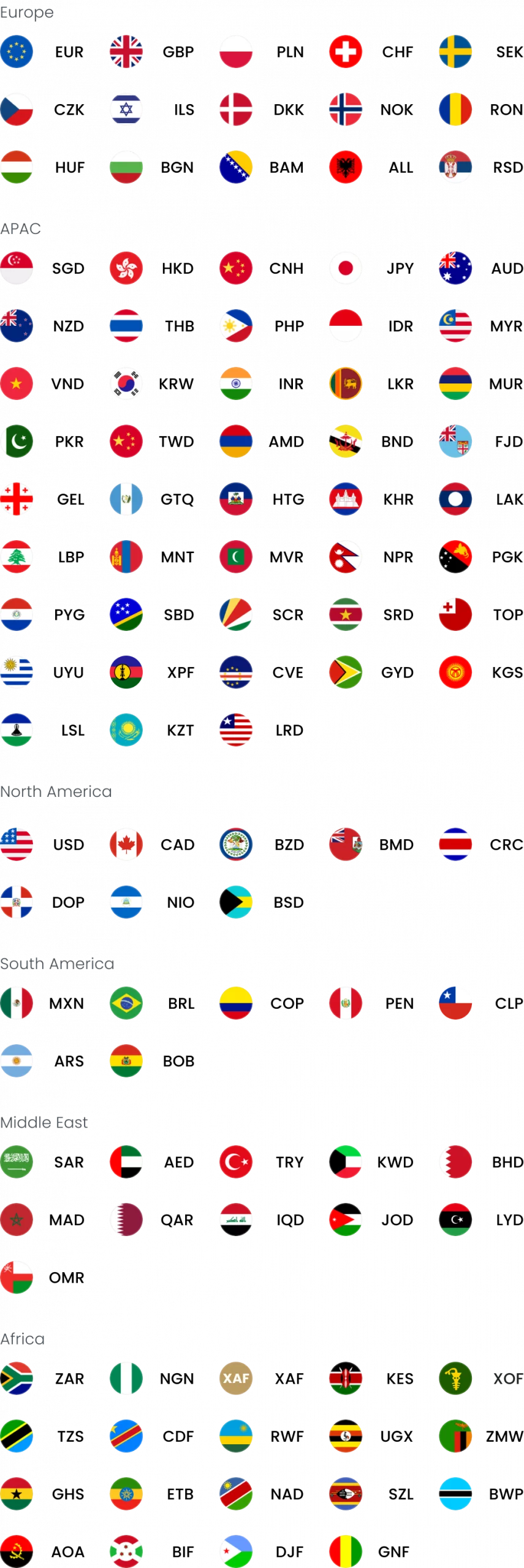
- Open 20+ local currency accounts instantly
- Send payments in 100+ currencies, receive in 20+
- Lock in FX rates to protect your margins
- Connect with 100+ global marketplaces like Amazon, eBay and Etsy
Get started today – open your World Account for free and manage your global growth with ease.