



























PayPal is a popular choice for UK businesses, but it may not always be the most cost-effective option as your business grows. Transaction fees, FX costs, and international payment requirements can quickly affect your margins.
Fortunately, there are plenty of PayPal alternatives offering different ways to manage payments, currencies, and international transactions.
In this guide, we compare 10 leading PayPal alternatives for UK businesses in 2026, looking at their fees, currency support, integrations, and key features, including how WorldFirst helps UK businesses simplify cross-border payments and manage multiple currencies.
Key takeaways
- PayPal remains a popular choice for UK businesses, but transaction fees, FX costs, and international payment needs can make other options worth considering.
- PayPal alternatives for UK businesses vary widely, from payment processors and ecommerce solutions to platforms focused on international money management.
- The right option depends on your business needs, including payment methods, currencies, integrations, transfer requirements, and overall costs.
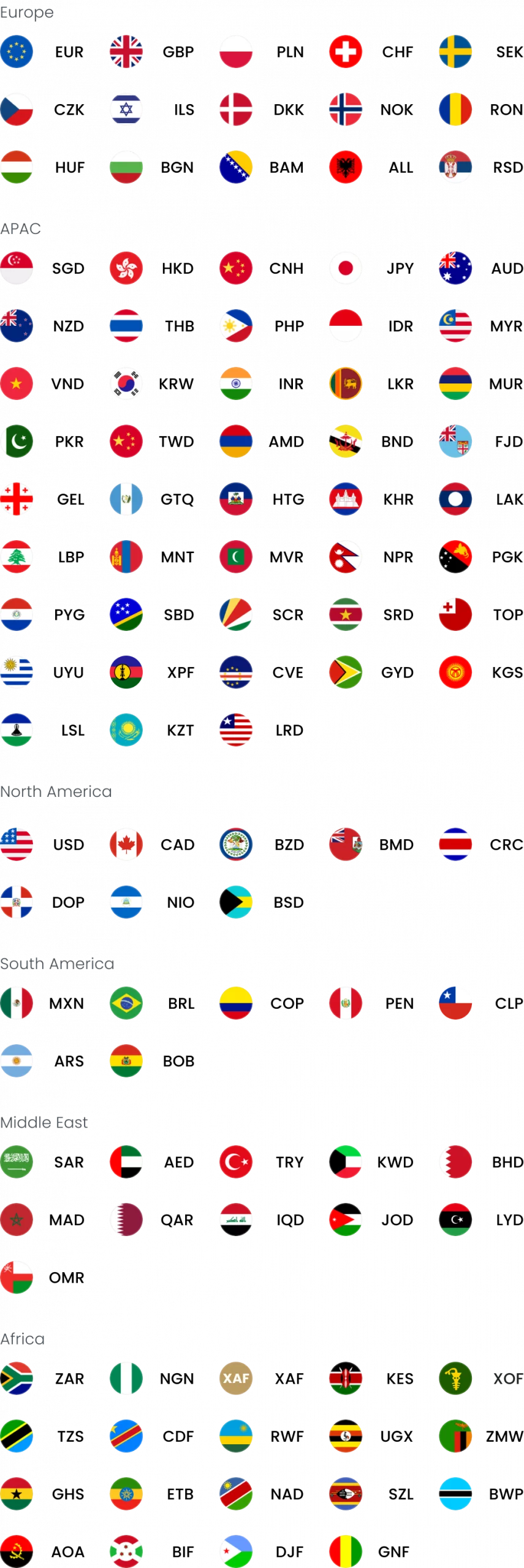
- WorldFirst is suited to cross-border businesses, with 130+ marketplace connections, 20+ currencies to manage, local account details in 15+ currencies, supplier payment solutions and FX tools.
- Fees can differ significantly between providers, so compare transaction, transfer, withdrawal, and currency conversion costs before choosing a platform.
What is PayPal?
PayPal is an online payment platform founded in 1998 that allows businesses to accept customer payments, send and receive money, and manage transactions online. UK businesses can integrate PayPal with their websites and e-commerce platforms or use it for invoicing and other business payments.
For businesses trading internationally, PayPal also supports multiple currencies and cross-border transactions. However, transaction fees, currency conversion costs, and other charges can vary depending on the payment type, currency, and location.
Why are UK businesses looking for PayPal alternatives?
PayPal is a widely used payment platform for UK businesses, but it may not meet every business’s needs as they grow. Businesses expanding internationally, handling higher transaction volumes, or managing multiple currencies may start looking for platforms with different pricing, payment options, or international payment capabilities.
Cost is another consideration. Transaction fees and currency conversion charges can add to the cost of receiving and sending payments, particularly for businesses that regularly deal with overseas customers or suppliers. Some businesses may also need features that go beyond PayPal, such as multi-currency accounts, local receiving details, marketplace collections or more specialised payment integrations.
The right choice ultimately depends on how your business sends, receives and manages money. Comparing PayPal alternatives can help UK businesses find a provider that better fits their payment needs, international operations and growth plans.
Key Factors When Choosing a PayPal Alternative
Choosing a PayPal alternative depends on your business model, payment needs, and where you operate. Before switching providers, consider these key factors:
- Fees: Compare transaction, withdrawal, transfer, and account fees to understand the overall cost.
- FX rates and fees: If you send or receive international payments, check the exchange rates and currency conversion fees.
- Currency support: Look for the currencies you need to send, receive, hold, or convert.
- Payment methods: Check whether the provider supports cards, bank transfers, digital wallets, and other payment methods your customers use.
- International payments: Consider supported countries, transfer speeds, and costs for cross-border transactions.
- Integrations: Make sure the platform works with your ecommerce, accounting, and other business software.
- Security: Check the provider’s security measures, transaction protection, and dispute-handling processes.
- Business features: Consider tools such as invoicing, multi-currency accounts, payment links, recurring payments and business cards.
- Scalability: Choose a provider that can support your transaction volumes and international growth as your business expands.
Comparison Table: Best PayPal Alternatives for UK Businesses
Choosing the right PayPal alternative depends on your business needs, from international payments and currency management to payment processing and e-commerce integrations. The table below highlights the key differences between 10 popular options:
| Provider | Currency support | Local account details | FX fees | Transaction fees | Integrations | Customer support | Best for |
| WorldFirst | 20+ currencies | Yes | Up to 0.50% on major currencies | From £0.30 for local transfers | 130+ marketplaces and payment gateways | Phone, email & online support | International businesses |
| Wise Business | 40+ currencies | Yes | From 0.24% depending on currency | from 0.24% | Xero, QuickBooks, Sage, API | Help centre, email & chat | International transfers |
| Airwallex | 20+ currencies | Yes | 0.5% above interbank for major currencies; 1% for others | Local transfers are free; SWIFT payments cost £10–£20 per transfer. | Shopify, Xero, QuickBooks, NetSuite, API | 24/7 online support* | Global businesses |
| Stripe | Multiple currencies | Yes | +2% when currency conversion is required | From 1.5% + 20p for standard UK cards; Bacs Direct Debit is 1% (20p minimum, £4 cap) | Shopify, WooCommerce, Xero, QuickBooks, API | Email, chat & support centre | Online payment processing |
| Revolut Business | 25+ currencies | Yes | 0.6% over the plan allowance and 1% outside market hours | Free within plan limits; £5 thereafter | Xero, QuickBooks, Shopify, API | In-app chat & online support | SMEs & international businesses |
| Shopify Payments | Multiple currencies | No | Additional currency conversion fees may apply | From 1.5% + 25p for online standard cards | Shopify ecosystem | 24/7 chat & support | Shopify merchants |
| Payoneer | Multiple currencies | Yes | Variable (based on currency pair and transaction type) | Fees vary by payment method | 2,000+ marketplaces, platforms and networks | Help centre, chat & support | Freelancers, e-commerce sellers, and small businesses |
| Mollie | Up to 12 payout currencies | No | 1% for payouts in a different currency from the primary balance | 1.20% + £0.20 for EEA consumer cards; 3.25% + £0.20 for non-EEA cards | Shopify, WooCommerce, Zapier, Chargebee, Jotform, Spryker and more | Customer support available | Ecommerce businesses selling across Europe |
| Skrill | 40+ currencies | No | Variable; depends on the currency and transaction type | Varies by payment method | Shopify, WooCommerce, Magento, Wix and more | Help centre & online support | Businesses accepting international payments |
| Monese | GBP, EUR and/or RON | Yes | Varies by plan and currency exchange type | Varies by plan and transfer type | Limited third-party integrations | In-app support & help centre | Individuals and small businesses needing simple multi-currency accounts |
All details are up to date as of September 2026. Fees, features, and availability can vary by provider and business type, so confirm the latest information on each provider’s UK pricing page before making a decision.
1. WorldFirst
WorldFirst is a global payment platform designed for businesses that send, receive, and manage money across borders. Its World Account lets businesses open local receiving accounts in 15+ currencies, while the platform also supports international payments, currency conversion and marketplace collections.
For UK businesses that regularly work with overseas customers, marketplaces or suppliers, WorldFirst is one of the PayPal alternatives worth considering for managing international business payments. It offers tools designed specifically for cross-border transactions, making it a practical option for businesses with international payment needs.
Key features
- Local receiving accounts: Get local account details in 15+ currencies, including GBP, USD, EUR, CAD, AUD, and JPY.
- Multi-currency management: Manage funds in 20+ currencies through the World Account, making it easier to receive, convert, and use money for international business transactions.
- International payments: Send international payments and local payments in GBP, EUR, and USD.
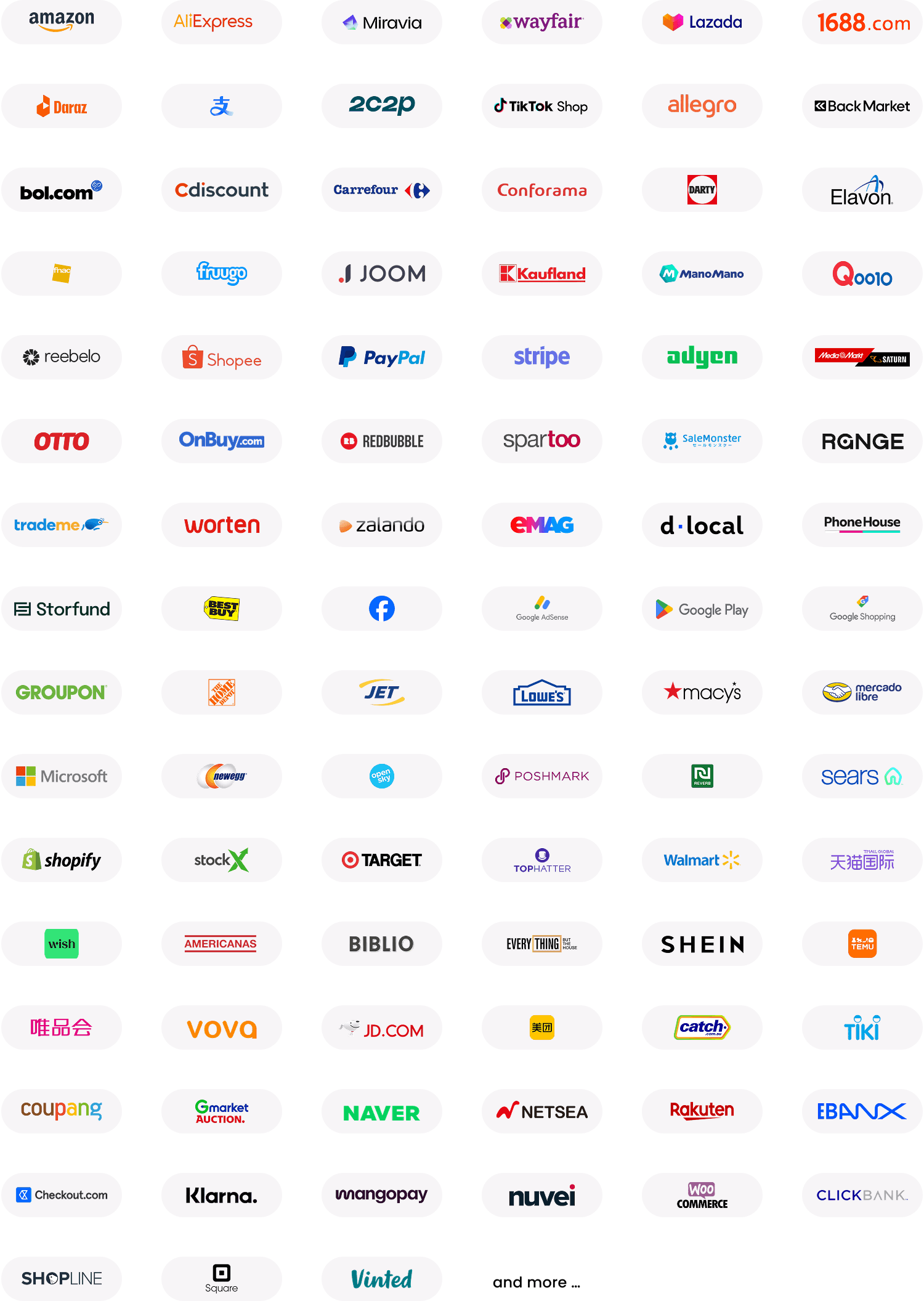
- Marketplace collections: Receive payouts from 130+ marketplaces and payment platforms.
- Currency conversion: Convert major currencies with competitive exchange rates, with fees of up to 0.50%.
- Business spending: Use the World Card to make business purchases online and in-store, with up to 1.2% cashback on eligible purchases and 0% FX fees when spending from an eligible currency balance.
- Supplier payments: Supports international supplier payments, including solutions for businesses paying Chinese suppliers.
Pros and cons of WorldFirst
| Pros | Cons |
| No monthly or setup fees: No ongoing subscription cost. | Business-focused: Not designed for personal use. |
| 20+ currencies: Manage funds across multiple currencies. | Variable fees: Costs depend on the payment type and currency. |
| 130+ marketplace connections: Receive payments from major platforms. | Feature availability: Some features depend on location and eligibility. |
| World Card: Up to 1.2% cashback on eligible purchases. | Payment limits: Limits may apply depending on the payment type and account. |
2. Wise Business
Wise Business is designed for businesses that need to send, receive, hold, and convert money internationally. Its pricing is based largely on usage, with no ongoing subscription required simply to maintain the account. Wise says its exchange rates use the mid-market rate rather than inflating the exchange rate.
As one of the alternatives to PayPal for international business payments, Wise Business can be useful for companies that regularly send and receive money across borders and need access to multiple currencies and local account details.
Key features
- Multi-currency account: Hold money in 40+ currencies.
- International transfers: Send money internationally with fees that vary by currency.
- Currency conversion: Convert currencies at the mid-market exchange rate, with fees starting from 0.24% depending on the currency.
- Business spending: Pay with a Wise Business card where available.
- Local account details: Get account details for supported currencies to receive money internationally.
- Volume discounts: Businesses spending more than £20,000 or equivalent can receive a volume discount.
Pros and cons of Wise Business
| Pros | Cons |
| Transparent fees: Uses the mid-market exchange rate with upfront conversion fees. | Not a traditional bank: Wise is an electronic money institution rather than a bank. |
| No monthly fees: No ongoing account maintenance or minimum balance fees. | No credit facilities: Doesn’t offer traditional business loans or overdrafts. |
| 40+ currencies: Hold multiple currencies and access local account details in supported regions. | No cash handling: Physical cash deposits and withdrawals aren’t supported. |
| Batch payments: Pay up to 1,000 recipients in a single batch. | Regional restrictions: Some features and services vary by country. |
Learn more: Wise Business Review
3. Airwallex
Airwallex is a global financial platform that combines business accounts, international transfers, foreign exchange, cards and online payment acceptance. Its UK plans include accounts with local bank details in 20+ currencies and access to payment acceptance and business-spend tools.
For businesses considering alternatives to PayPal, Airwallex provides a broader set of tools for managing international payments, currencies and business spending in one platform.
Key features
- Global accounts: Collect and hold funds in 20+ currencies.
- Local bank details: Access local account details in 20+ currencies.
- International transfers: Send local transfers to 120+ countries.
- FX: Access interbank rates, with a 0.5% markup for major currencies and 1% for other currencies.
- Business cards: Multi-currency company and employee cards with zero international fees.
- Payment acceptance: Accept cards and 160+ local payment methods.
- Integrations: Connect business financial data with platforms such as Xero and QuickBooks.
Pros and cons of Airwallex
| Pros | Cons |
| Competitive FX rates: Uses interbank rates with a transparent markup. | No physical branches: Fully digital, with no branch-based banking. |
| Global accounts: Hold, receive, and pay in multiple currencies with local account details. | Plan-based pricing: Some features may require a paid plan. |
| Multi-currency cards: Physical and virtual cards support international business spending. | Feature availability varies: Services can depend on the market and account eligibility. |
| Accounting integrations: Connects with tools such as Xero and QuickBooks. | International fees vary: Transfer costs depend on the payment route and currency. |
4. Stripe
Stripe is a payment infrastructure platform that helps businesses accept online payments and manage payment-related operations. As a PayPal competitor, it supports cards, digital wallets, bank-based payment methods, and other payment options, making it particularly useful for e-commerce businesses and companies with online checkout requirements.
Key features
- Online payment acceptance: Accept credit and debit cards and other payment methods.
- Digital wallets: Supports payment methods such as Apple Pay and Google Pay.
- International payments: Accept cards issued in the UK, EEA, and other countries.
- Payment links and invoicing: Create payment experiences without building everything from scratch.
- Multi-currency settlement: Supports multi-currency settlement in eligible markets.
- Currency conversion: Instant currency conversion is available from multi-currency settlement funds.
- Business integrations: Stripe provides APIs and integrations for websites, ecommerce platforms, and business software.
Pros and cons of Stripe
| Pros | Cons |
| No monthly fees: Standard pricing has no setup, monthly, or hidden fees. | Higher international fees: International cards can cost more than UK cards. |
| Developer-friendly: Offers APIs and tools for custom payment experiences. | Additional FX costs: Currency conversion can add a 2% fee in applicable transactions. |
| Multiple payment methods: Supports cards, wallets, bank payments, and other payment options. | Variable pricing: Fees depend on the payment method, card type, and location. |
| Built-in fraud prevention: Stripe Radar helps detect and prevent fraudulent payments. | Online-focused: Best suited to businesses accepting digital payments rather than primarily cash or in-person payments. |
Learn more: How do I receive money from Stripe?
5. Revolut Business
Revolut Business combines business accounts, international payments, currency exchange, cards and payment acceptance. Its pricing is plan-based, so the features and allowances available to a business depend on the selected plan.
With its range of business banking and payment tools, Revolut Business is one of the alternatives to PayPal for businesses looking to manage international payments and everyday spending from one platform.
Key features
- Multi-currency business accounts: Manage funds in multiple currencies.
- Currency exchange: Exchange currencies within the account.
- International transfers: Send international payments.
- Business cards: Issue cards for business spending.
- Payment acceptance: Supports online card payments, Revolut Pay, and Open Banking.
- Expense management: Manage business spending and employee expenses.
- Integrations: Connect with business and accounting tools.
Pros and cons of Revolut Business
| Pros | Cons |
| Multi-currency support: Manage and exchange multiple currencies from one business account. | Monthly fees: The Basic plan costs £10 per month. |
| Business cards: Issue cards for employees and manage business spending. | FX limits: Fees apply once you exceed your plan’s monthly FX allowance. |
| Bulk payments: Send payments to multiple recipients at once. | Extra transfer fees: International payments cost £5 per transfer on the Basic plan. |
| Business integrations: Connect with accounting and other business tools. | Weekend FX fees: A 1% fee applies to exchanges outside market hours. |
Learn more: Revolut Business Review
6. Shopify Payments
Shopify Payments is Shopify’s built-in payment solution for merchants using the Shopify platform. It lets businesses manage payment processing and orders from Shopify while offering cards, accelerated checkout options, and selected local payment methods.
For Shopify merchants considering alternatives to PayPal, Shopify Payments offers a way to manage payments directly within their existing store. It is most relevant to ecommerce businesses already operating their stores through Shopify.
Key features
- Built into Shopify: Manage payments and orders directly from your Shopify admin.
- Card payments: Accept major credit and debit cards through Shopify Payments.
- Accelerated checkout: Supports payment options such as Apple Pay, Google Pay and Shop Pay.
- Local payment methods: Availability includes methods such as Klarna, Bancontact and iDEAL | Wero, subject to eligibility.
- Multi-currency payouts: Eligible UK merchants can receive payouts in supported currencies, subject to Shopify’s requirements.
- Fraud tools: Shopify Payments includes fraud analysis and 3D Secure features.
Pros and cons of Shopify Payments
| Pros | Cons |
| Built into Shopify: Manage payments and orders directly from your Shopify admin. | Shopify-only: Designed for merchants using the Shopify platform. |
| No extra transaction fees: Shopify doesn’t charge additional transaction fees when using Shopify Payments. | Plan-dependent fees: Payment processing rates vary by Shopify subscription plan. |
| Multiple payment methods: Accept cards, Apple Pay, Google Pay, Shop Pay, and local payment methods. | Currency conversion fees: Additional fees can apply when payments require currency conversion. |
| Multi-currency payouts: Eligible merchants can receive payouts in supported currencies. | Regional availability: Features and payout options depend on location and eligibility. |
7. Payoneer
Payoneer is built around one of the biggest challenges for international businesses; getting paid globally and moving that money where it needs to go. The platform supports multi-currency funds, international transfers, business spending, and receiving payments from online marketplaces.
That makes Payoneer worth considering alongside PayPal for businesses whose revenue comes from multiple countries, marketplaces, or international clients.
Key features
- Multi-currency funds: Hold funds in multiple currencies and convert them through Smart FX.
- International payments: Send and receive business payments internationally.
- Marketplace payments: Receive funds from supported marketplaces and platforms.
- Business cards: Issue multi-currency physical and virtual cards.
- Expense management: Manage business spending and budgets.
- Working Capital Advance: Eligible businesses can access working capital.
Pros and cons of Payoneer
| Pros | Cons |
| Global marketplace support: Connects with major marketplaces and platforms used by international businesses. | Fees vary by service: Receiving, withdrawing, and converting funds can carry different fees. |
| Multi-currency receiving: Provides local receiving account details in supported currencies such as USD, EUR and GBP. | Annual account fee: A $29.95 annual fee applies if you receive less than $6,000 in 12 consecutive months. |
| Payoneer-to-Payoneer transfers: Receive payments from other Payoneer customers without a receiving fee. | Withdrawal fees: Fees may apply when withdrawing funds to a bank account, depending on the currency and route. |
| Business spending: Eligible users can use Payoneer cards to spend from their balances. | Feature availability: Services and eligibility vary by country and account type. |
Learn more: WorldFirst vs Payoneer: Which Is Better for UK Businesses?
8. Mollie
Mollie is a European payment service provider focused on online and in-person payments. It supports ecommerce businesses with payment acceptance, checkout, payment links, recurring payments, and invoicing. Its broad range of payment methods makes it a practical option for businesses exploring alternatives to PayPal for online payments.
Key features
- Online payments: Accept cards and local payment methods.
- 35+ payment methods: Supports global and local payment options.
- Payment links: Accept payments without requiring a full checkout integration.
- Recurring payments: Supports subscription and recurring billing.
- Invoicing: Create and manage invoices.
- Ecommerce: Built around ecommerce, marketplaces, and SaaS use cases.
- Business accounts: Mollie also offers business-account functionality.
Pros and cons of Mollie
| Pros | Cons |
| No monthly fees: Mollie uses pay-as-you-go pricing with no setup fees. | Payment-method fees vary: Transaction costs differ depending on the payment method used. |
| Fast digital setup: Merchants can complete onboarding online and start accepting payments after approval. | Payout fees can apply: Additional fees may apply for certain payout frequencies or currency conversions. |
| 35+ payment methods: Supports cards, digital wallets, bank payments, and local payment methods. | Primarily ecommerce-focused: Its tools are geared mainly towards online payments and commerce. |
| Ecommerce integrations: Connects with platforms such as Shopify and WooCommerce. | Feature availability varies: Payment methods and features depend on the business’s location and eligibility. |
9. Skrill
Skrill provides digital payment services for businesses, including online payment acceptance and ecommerce integrations. Its shopping-cart solutions support ecommerce platforms such as Wix, Magento, PrestaShop and BigCommerce, making it useful for businesses that want to add online payment options to an existing store.
Key features
- Online payment acceptance: Accept payments through Skrill.
- Ecommerce integrations: Supports platforms including Wix, Magento, PrestaShop and BigCommerce.
- International transfers: Supports international money transfers.
- Multiple payment options: Payment availability varies by market and integration.
- Digital wallet: Businesses can use Skrill’s payment infrastructure to receive and manage funds.
Pros and cons of Skrill
| Pros | Cons |
| 40+ currencies: Businesses can accept payments in more than 40 currencies through a single merchant account. | Variable fees: Costs depend on the payment method, transaction type, and other factors. |
| 100+ local payment options: Supports a broad range of local and international payment methods. | Inactivity fee: A monthly service fee can apply after 6 months without a login or transaction. |
| Ecommerce integrations: Connects with platforms including Shopify, WooCommerce, Magento and Wix. | Transaction fees vary: Costs depend on the payment method and type of transaction. |
| Multilingual support: Provides customer support in multiple languages for international businesses. | Feature availability varies: Payment methods and services depend on the merchant’s location and account. |
10. Monese
Monese provides electronic money accounts with multi-currency functionality. Its multi-currency account allows users to manage separate currency accounts within one app and transfer money between them. Monese states that its accounts can provide account details in multiple currencies for receiving money.
For a business-focused comparison, Monese is better viewed as a simpler account and money-management option than a full business payment-processing platform.
Key features
- Multi-currency accounts: Manage multiple currency accounts within one app.
- Multiple account details: Monese says its multi-currency account provides account details in multiple currencies.
- International transfers: Send money abroad.
- Direct Debits: Set up recurring payments.
- Mobile account management: Manage accounts through the Monese app.
- Multilingual support: Monese has a multilingual support team.
Pros and cons of Monese
| Pros | Cons |
| Quick digital setup: Accounts can be opened through the Monese app without visiting a branch. | Not a full payment processor: Better suited to account and money-management needs than online merchant payment acceptance. |
| Multi-currency accounts: Manage separate GBP, EUR and RON accounts within the same app. | Plan-based pricing: Transfer, exchange and card fees vary depending on the plan. |
| International transfers: Send money internationally from the app, with pricing depending on the transfer type and plan. | Limited business tools: Offers fewer business-focused payment and commerce features than dedicated business payment platforms. |
| Mobile-first account management: Manage accounts, transfers, and card spending directly through the app. | Transfer fees can apply: Some bank and international transfers carry fees, particularly on lower-tier plans. |
Why do businesses consider WorldFirst as a PayPal alternative?
PayPal works well for businesses that need a familiar way to send and receive payments online. But businesses with more complex international payment needs may also look for a platform that gives them greater control over currencies, marketplace payouts, supplier payments, and foreign exchange. This is where WorldFirst can be worth considering.
WorldFirst brings several cross-border payment tools into one account, including:
- Multi-currency account: 20+ currencies to hold and manage funds, with local account details available in 15+ currencies.
- FX management tools: Forward contracts to lock in exchange rates and firm orders to target a preferred rate.
- 1688 supplier payments: Pay 1688 suppliers directly from your World Account without needing a Chinese bank account or sourcing agent.
- Business spending: World Card with 0% FX fees on eligible currency balances and up to 1.2% cashback on eligible purchases.
- Lower account costs: No setup or monthly account fees, with currency conversion fees of up to 0.50% for major currencies.
- Marketplace integrations: 130+ marketplace connections for receiving payouts from major marketplaces and payment platforms.
- Faster transfers: Local payment routes can help eligible payments reach recipients faster than traditional international transfers.
WorldFirst can be a practical option for businesses that regularly move money across borders and need tools for marketplace collections, multi-currency management, supplier payments, and FX. PayPal may still be more suitable for businesses primarily focused on familiar online payment acceptance.
Ready to manage your international business payments in one place? Open a World Account and get started.
FAQs
1. What is the best PayPal alternative for UK businesses?
There is no single best option for every business. The right choice depends on whether you need online payment processing, international transfers, multi-currency accounts, marketplace collections, or e-commerce integrations.
2. What should UK businesses consider when choosing a PayPal alternative?
Compare transaction fees, FX rates, supported currencies, payment methods, transfer speeds, integrations, and business features. Also check whether the provider supports the countries and payment methods your business uses.
3. Are PayPal alternatives suitable for international businesses?
Yes. Many providers offer features such as multi-currency accounts, international transfers, local receiving details, and marketplace payment collection. The right option depends on where your business operates and how it receives and sends money.
4. Which PayPal alternative is best for receiving marketplace payments?
The best choice depends on the marketplaces you use and the currencies you receive. WorldFirst, for example, connects with 130+ marketplaces and payment platforms, making it an option for businesses that receive regular marketplace payouts.
5. Can businesses use a PayPal alternative for both receiving and sending money?
Yes. Some providers support both incoming and outgoing international payments, allowing businesses to receive customer or marketplace revenue, hold currencies, and pay suppliers or other business partners from the same account.
Sources:
- https://www.worldfirst.com/uk/
- https://www.worldfirst.com/uk/pricing/
- https://wise.com/gb/pricing/business
- https://stripe.com/gb/pricing
- https://www.revolut.com/legal/business-basic-fees/
- https://www.shopify.com/uk/international/pricing
- https://help.shopify.com/en/manual/payments/shopify-payments/store-currency/payouts-in-multiple-currencies
- https://www.payoneer.com/
- https://www.mollie.com/pricing
- https://www.mollie.com/payments
- https://www.skrill.com/en/business/shopping-carts/
- https://www.skrill.com/en/siteinformation/fees/gbr/
- https://www.monese.com/products/instant-account
- https://www.monese.com/our-pricing