



























To sell on Etsy from the UK, you need a seller account, a first listing, a shop currency that matches your receiving account (GBP for most UK sellers) and Etsy Payments enrolment. Opening the account is easy, but the real work is checking that your products qualify to be sold on Etsy and that you’ll make a decent margin on them.
Whether you sell vintage finds or run a small business, start in the same place by checking your products are allowed under Etsy’s rules, getting your account details ready and setting a price that’s competitive but still leaves you a margin.
Key Takeaways
- Etsy Payments uses your sales funds to pay shop fees, so your deposit isn’t the same as your gross sales.
- You need a valid bank account on file with your shop to receive Etsy Payments deposits.
- You can add and verify your bank account after your first sale if your shop opened after 1 March 2022.
- You can face currency conversion fees when your shop currency differs from your bank account’s currency.

What do you need before you sell on Etsy from the UK?
Before you register, get your account information together, check your products are allowed under Etsy’s Seller Policy and prepare a first listing that meets Etsy’s Creativity Standards.
Work out Etsy’s fees, payment requirements, shipping costs and likely margins up front, so your targets are realistic.
Keep your product checks separate from your financial setup, and complete both before investing money in stock.
Getting Started with Etsy UK: Essential Checklist
- Keep your Etsy seller account login details and preferred shop name ready.
- Have your bank account details ready to receive Etsy Payments deposits.
- Keep your billing details and identity verification documents ready, as Etsy may request them during set-up.
- Prepare product photos, descriptions and prices for your listings.
- Calculate packaging and delivery costs for your first items.
Find out how a separate business bank account helps organise your finances.
What Can You Sell Under Etsy’s Creativity Standards?
Even if you’re selling original, handmade products, they must meet Etsy’s Creativity Standards. Etsy puts every item into one of four groups: made, designed, handpicked or sourced by the seller. A candle you pour yourself counts as made by you; a ready-made one you resell doesn’t. Check your products against the standards before you buy stock.
Two common examples don’t qualify:
- Flatpack-style items assembled per the manufacturer’s instructions: Putting together flatpack furniture or a Lego set doesn’t count as “made by a seller,” because you’re following someone else’s design and instructions rather than creating something yourself.
- Resold blank items: Blank t-shirts, hats or tumblers that are ready to use without any craft work can’t be sold as-is under the “sourced by a seller” group. Craft blanks, such as unfinished wooden rounds or paintable figurines, are different, because they’re meant to be crafted further.
If you sell vintage, Etsy defines vintage as items that are 20+ years old, which you’ve personally curated or collected. A newer item doesn’t qualify even if it’s designed to look vintage, and Etsy may ask for details like the item’s source, age or materials.
Don’t assume an item’s allowed just because similar listings exist. If you’re selling vintage homeware or craft supplies, check the criteria for that specific category yourself.
What fees should you budget for when selling on Etsy in the UK?
Before opening an Etsy shop, work out how much each sale could cost you. Your expenses will depend on the products you offer, how customers pay, whether you advertise and how you handle delivery.
Etsy fees for UK sellers
| Cost category | Rate or price | How it affects your shop |
| Product listings | US$0.20 per listing | This charge applies when you publish a listing. Listings generally remain active for four months, and additional charges can apply when they renew or when you list extra quantities. |
| Completed sales | 6.5% transaction fee | Etsy calculates this fee on the applicable order amount, including delivery and gift wrapping where charged. |
| Payment handling | 4% + £0.20 per order | Charged on each order paid through Etsy Payments. The rate depends on where your bank account is. |
| UK Regulatory Operating Fee | 0.48% | This fee applies to eligible sales amounts under Etsy’s UK fee policy. |
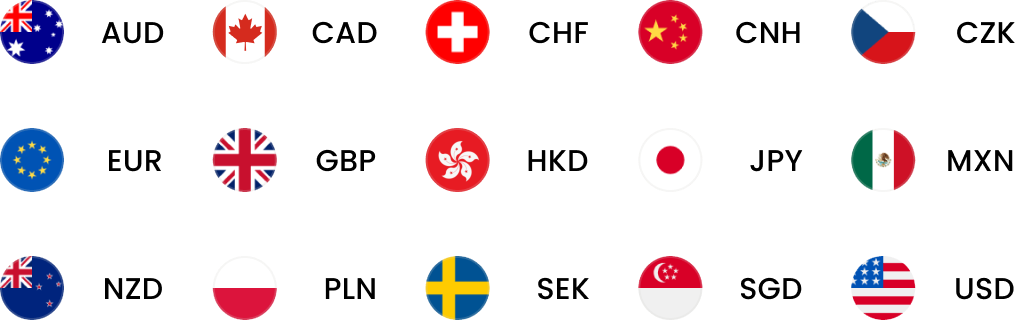
| Currency conversion | 2.5% | Charged when your listing currency differs from your payment account currency. |
| One-time shop set-up fee | Depends on your location | Etsy may charge this when you open a shop; the amount varies by location and is shown during set-up before you pay. |
| VAT on Etsy fees | Depends on your circumstances | VAT may be added to applicable seller fees. The amount payable depends on the relevant VAT rules and your account details. |
| Etsy Ads | Depends on your budget | Set by your campaign budget and settings. |
| Offsite Ads | 12% (Charged a discounted 12% fee for orders attributed to an Offsite Ad (on the amount you made from your sale before the advertising fee was applied) or 15% (If your shop has always made less than $10,000 USD in any consecutive 365 day period ) on attributed orders | Etsy charges a fee when a qualifying purchase results from an offsite advert. Whether participation is optional depends on your shop’s circumstances and sales history. |
How to keep your Etsy expenses under control
- Check your Etsy Payment account against your sales regularly. It’s the quickest way to spot products earning less than you expected.
- Compare fulfilment providers. Get quotes from different couriers and, if it makes sense, third-party logistics (3PL) providers. Factor in storage, picking and packing charges, not just postage.
- Choose your delivery markets carefully. International orders add delivery, currency and admin costs, so focus on the countries you can ship to profitably.
- Match your listing currency to your payment account currency to avoid Etsy’s 2.5% conversion fee.
Most important of all, work out the full cost of each product before you price it. That means Etsy’s charges, materials, packaging, delivery, your time and any other business costs. Then compare your price with similar products to check that it’s competitive and still worth selling at.
How to sell on Etsy: A Step-by-Step Guide
Step 1: Open your Etsy shop and publish your first listing
Start with one complete listing before you add more. Use it to test your product information, pricing and fulfilment plan together. Log in and work through the Etsy shop setup process, where you’ll choose your shop name, language, country and currency. If your receiving account is in GBP, choose GBP.
Make your product description answer practical buying questions. If you make candles, explain their size and materials. Before you hit publish, check that your photos and description match the exact product.
Step 2: Manage your Etsy payouts, currency, bank verification and HMRC reporting
Keep three money movements separate: deposits from Etsy, currency conversion on sales, and payments to suppliers. Give each its own place in your records and reconciling and filing your tax return gets much easier.
Etsy usually takes its fees from your sales before paying you, and you need a valid bank account on file to receive what’s left. The name on that account must match the name or business entity in your Etsy legal and tax information. Match each deposit to the underlying sales and deductions. Keep order records, fee entries, refunds, and bank deposits together to trace each sale through to the money you receive.
Bank verification rules to know
If your bank account is outside the US, such as a UK account, you can’t receive any sales funds until the account is verified. The process works like this:
- Starting: You can begin verification after your first sale. Start it within 30 days of that sale.
- Finishing: You must complete verification within 60 days. Missing either deadline can lead to your shop being suspended.
- How it works: If your bank account is in the same currency as your Etsy payment account, Etsy sends a small test deposit. Enter that amount in your payment settings to verify. If the currencies differ, you can upload a bank statement instead, which Etsy reviews within about 5 business days.
Check deposit details carefully. If you request more than one test deposit, only the most recent one is valid, so enter that amount exactly as it appears on your statement.
Changing your bank account later
If you change your bank account, your net earnings become available for deposit 5 days after the update. This is a security measure, and it doesn’t apply if you’re only verifying an account already on file. So only change your bank details when you need to, and never just before a big payout.
Reconciling Your Etsy Deposits Against Your Sales
A deposit will almost always be lower than the sale price. Take a £30 candle as an example. Etsy deducts its fees and any refund before the money reaches your bank, so the amount that arrives is less than £30. You can read more about how deposit amounts are calculated on Etsy’s help pages.
Record the £30 sale, the fee entries, and the deposit as three linked records. If a deposit doesn’t match your sales total, reconcile the entries before you change your pricing assumptions.
Step 3: Selling Your Products Outside the UK
When you ship abroad, the parcel may be subject to import taxes, customs duties or fees charged by the destination country. For most destinations, the buyer pays these when the parcel arrives, and Etsy shows buyers a notice when they’re in a different country to you.
The US is the exception. Since 9 July 2026, Etsy has required you to send US orders Delivery Duty Paid (DDP). That means you pay duties and import fees upfront, so the buyer isn’t charged anything after they buy. If a US buyer is charged because you didn’t use DDP, you’ll likely be required to refund the order, including postage.
Even where the buyer pays, you’re still bound by the rules. Etsy expects you to know and follow the import laws of the countries you ship to. This includes describing the contents of your parcel accurately. For example, you must not mark a sold item as a “gift”.
Before you open up to international buyers, check the import rules for your main destinations. If you ship to the US, add duties, import fees and the cost of a DDP postage service to your costing sheet, and build them into your price. For other destinations, customs charges are usually the buyer’s cost, so you can leave them out.
Step 4: Paying overseas suppliers
If you buy stock or materials from overseas suppliers, you’ll be making international payments. Keep them separate from your Etsy payouts.
Record the invoice currency, the amount paid, and the stock or materials you bought before assessing the cost of your next batch.
Say your candle business buys jars from a supplier in China. Work out which currencies you need to hold and pay in, then look at a multi-currency account like the World Account to handle those payments. Keep each supplier invoice with your stock costs, including delivery and packaging charges in your pricing.
Step 5: How to Calculate cost to sell on Etsy in the UK?
Etsy Payments uses your sales funds to cover shop fees, while payment-processing fees vary according to your bank account’s location.
Leave room in your costing sheet for listing, transaction, payment-processing, regulatory operating, and currency-conversion charges. Treat these as separate costing categories, not interchangeable charges.
Take a candle that sells for £30. Once you’ve taken off £9 for materials, £2 for packaging and £4 for delivery you absorb, you’re left with £15.
| Cost / amount | Amount |
| Product selling price | £30 |
| Materials | -£9 |
| Packaging | -£2 |
| Delivery absorbed by you | -£4 |
| Amount remaining | £15 |
Remember, that £15 isn’t profit. It still has to cover Etsy’s charges, your time and tax. Add the real fees from your shop records and the time you spend making, packing and handling each order, then decide whether the price works.
Build in enough margin to cover your costs and still make a profit, but don’t price yourself far above the competition. Search for similar products on Etsy and other marketplaces to see where your price sits.
Step 6: Start Selling on Etsy
Once your prices are set, you’re ready to sell. If you use the Etsy Seller app, set regular times to check orders, listing changes and customer messages.
Keep a separate master record of product details and costs. This lets you compare changes without searching through individual conversations. Include a column for Etsy’s listing fees, because they recur:
Listings expire after four months. Etsy charges US$0.20 to create or renew a listing, whether or not the item sells. Editing a listing is free.
Auto-renewal charges the fee again. Etsy renews listings automatically at the end of the four-month period, which charges US$0.20 again. You can turn this off for a single listing or for your whole shop, then renew manually.
If you list more than one unit, you pay the US$0.20 listing fee once at the start. After that, Etsy charges US$0.20 every time a unit sells and there’s stock left to relist. So ten units that all sell cost US$0.20 front, plus US$1.80 as the other nine units sell.
Once you start getting traction, the numbers will become clearer. Make sure the products in your shop are available and that their descriptions, features and prices are accurate.
Assess Etsy against your product checks and the full cost of each order, including listing fees. Decide what margin and workload you can accept before you commit to a wider range.
Do you need to register for tax when selling on Etsy in the UK?
You may need to register with HMRC depending on your income and sales.
Self Assessment
You must register for Self Assessment if your gross trading income is more than £1,000 in a tax year. GOV.UK says you must register by 5 October after the end of that tax year. Gross income means your total sales before any expenses or allowances are taken off. If it’s £1,000 or less, you may not have to tell HMRC, but you should still keep records of your income.
The £1,000 trading allowance
If your gross trading income is more than £1,000, you can use the trading allowance instead of deducting your actual expenses. You deduct up to £1,000, but never more than your income. If your expenses are higher than the allowance, it may be better to claim your expenses instead. You can’t combine the two, and the allowance can’t be used for income from certain sources, such as a company you own or control.
VAT
You may also need to register for VAT if your taxable turnover goes over £90,000 in the last 12 months, or if you expect it to go over that amount in the next 30 days. If you exceed the threshold, you must register within 30 days of the end of the month in which you went over it.
Etsy reports seller details to tax authorities
Etsy is legally required to report details of UK sellers and their sales to HMRC where reporting thresholds are met. This follows rules that took effect on 1 January 2024. Being reported doesn’t automatically mean you owe tax, and the report doesn’t replace your own records. Etsy has to give you a copy of what it reports, so keep your tax information on Etsy accurate and up to date.
Paying suppliers overseas? A World Account lets you hold and pay in multiple currencies from one place.
This article is general information and not tax advice. Check your own position with HMRC or a qualified accountant.
FAQs
1. Is selling on Etsy worth it in the UK, and what are the downsides?
Yes, it can be. The main downsides are fees, fulfilment work and marketplace rules. Set a small trial budget and track what you keep after costs, including making, packing and customer service time. If the numbers work, scale up. If not, try another channel.
2. Why is nobody looking at or buying from my Etsy shop?
Usually it’s your listings. Check your titles and tags first, then check your photos, descriptions, delivery charges and prices. Fix anything that’s inaccurate or doesn’t look right.
3. What are the alternatives to Etsy for sellers?
The main alternatives are Shopify, eBay, and Amazon Handmade. Before you compare, write down your requirements for product eligibility, customer acquisition, fulfilment, and costs. Decide how much work you can manage alongside making or sourcing products, and don’t add channels until you have a clear plan to run it.
Sources
- https://www.etsy.com/uk/legal/fees/
- https://www.etsy.com/uk/legal/sellers
- https://www.etsy.com/legal/creativity/
- https://help.etsy.com/hc/en-gb/articles/360002120927-What-is-Etsy-Payments
- https://help.etsy.com/hc/en-gb/articles/115015672808-How-to-Open-an-Etsy-Shop
- https://help.etsy.com/hc/en-gb/articles/360016389113-How-to-Calculate-Your-Etsy-Payments-Deposit-Amount
- https://help.etsy.com/hc/en-gb/articles/360046998234-How-to-Receive-Your-Etsy-Payments-Deposit
- https://help.etsy.com/hc/en-gb/articles/115015775908-How-to-Update-and-Verify-Your-Bank-Account-for-Etsy-Payments-Deposits
- https://help.etsy.com/hc/en-gb/articles/115015628847-What-are-Payment-Processing-Fees-for-Selling-on-Etsy
- https://help.etsy.com/hc/en-gb/articles/360000344908-Fees-and-Listing-Multiple-Quantities
- https://help.etsy.com/hc/en-gb/articles/360000344668-Currency-Conversion-Fees
- https://help.etsy.com/hc/en-gb/articles/1500011073202-What-is-a-Regulatory-Operating-Fee
- https://help.etsy.com/hc/en-gb/articles/360000338367-How-Etsy-s-Offsite-Ads-Work
- https://www.gov.uk/guidance/tax-free-allowances-on-property-and-trading-income
- https://www.gov.uk/register-for-vat
World First UK Limited is a UK registered company (No. 05022388). Authorised by the Financial Conduct Authority as an Electronic Money Institution (FRN: 900508). Registered address: 2nd Floor, International House, 1 St Katharine’s Way, London, E1W 1UN. WorldFirst is part of Ant International and is an Electronic Money Institution, not a bank.
This article is intended for informational purposes only and does not constitute legal advice or professional advice. This article should not be regarded as constituting an offer or a solicitation to buy or sell any regulated or financial products or services. WorldFirst makes no representations or warranties regarding the accuracy, completeness, or applicability of the content, and readers are encouraged to consult with legal professionals or other professionals for advice tailored to their specific situation. WorldFirst does not guarantee the accuracy and completeness of this article and expressly disclaims any and all liability to any person in respect of the consequences of anything done or omitted to be done wholly or partly in reliance on this article.