



























A prepaid business card only spends money you’ve already loaded. It works like a pay-as-you-go SIM: once the credit’s gone, it stops until you top up.
There’s no credit line, so there’s nothing to repay. That makes prepaid cards a simple way to control supplier payments, ad spend and software subscriptions, especially when several people on your team need a card.
This guide explains how prepaid business cards work, what to compare before you choose one, and how some of the most widely used options in the UK differ.
Key takeaways
- A prepaid business card spends only the money you’ve already loaded, with no credit line, interest or repayment. Some cards sold as prepaid are balance-linked debit or charge cards, so check which type you’re getting.
- Compare the full cost, not just the headline fee: card and per-user charges, FX charges, ATM and top-up fees, and balance and top-up limits.
- Declined payments usually come from a low balance, pre-authorisation holds or card limits, so keep a buffer above recurring costs and a backup payment method.
- Section 75 covers credit card purchases, not prepaid or debit cards, and doesn’t cover limited companies. Chargeback may help, but a refund isn’t guaranteed, and you’ll need a valid VAT invoice to reclaim VAT.
- If you pay overseas suppliers, a card linked to a multi-currency balance can reduce conversions. Check which currencies you can spend without a conversion fee, and what it costs to convert into them.

What are prepaid cards for business?
A prepaid business card is funded in advance using money your business holds with the card provider. When you make a payment, the amount is deducted from the available balance.
Unlike a business credit card, which lets you borrow up to an agreed credit limit and repay what you owe later, a prepaid card generally lets you spend only the funds available on the card or in its associated account.
A traditional business debit card, by comparison, is usually linked to your business bank account, with payments deducted directly from that account. A prepaid business card uses a balance made available through the provider instead. The exact arrangement depends on the card and provider.
Most run on Visa or Mastercard, depending on the provider.
How to get and use a prepaid business card
Open an account: Sign up with the provider and pass its identity and business checks. Most providers don’t run a hard credit check, but expect to provide your registered company name and Companies House number, plus ID and proof of address for directors and other key people.
Load funds: Top up the account, usually by bank transfer.
Issue cards: Create cards for yourself or your team. Virtual cards are often ready straight away.
Some providers let you issue separate cards for teams, suppliers, projects or individual subscriptions.
Set controls and limits: Depending on the provider, you may be able to set spending limits, restrict cards to certain merchants or categories, and freeze or cancel a card when needed.
Spend and reconcile: Transactions show up in an online dashboard, and many providers let you export them or sync with accounting software.
A prepaid card can help you manage spending within your available balance or the spending limits you set. If card details are stolen, a low balance or tight card limit caps what’s at risk.
Prepaid vs credit vs debit: a quick comparison
| Factors | Prepaid business card | Business credit card | Business debit card |
| Funded by | Money you load in advance | A credit limit from the lender | Your business bank account |
| Interest | No | Yes, if you don’t clear the balance | No |
| Credit check | Usually no | Yes | Usually no |
| Spend limit | Your loaded balance, plus any limits you set (whichever runs out first) | Your credit limit | Your account balance or overdraft |
| Best for | Budget control, team and project spend | Borrowing and building credit history | Everyday spending |
Types of prepaid business cards
Lists of “best prepaid business cards” often mix three different products, which makes fees and protections hard to compare. Knowing which type you are looking at is the first filter.
| Type | How it works | Where you may see it |
| True prepaid company card | You load money onto the card or a company wallet, and the card can only spend that balance. | Dedicated prepaid expense card providers |
| Balance-linked card on an e-money account | The card spends from the balance in your business account, with limits you set per card. Some providers describe these as debit cards rather than prepaid. | Multi-currency business accounts, including the World Card |
| Charge or credit-based expense card | The card draws on a credit or charge facility and is repaid later. Some can accrue interest if the balance is not cleared. | Corporate expense cards and some bank cards |
For example, Wise’s business cards are linked to a Wise Business account, rather than being traditional prepaid cards.
What to compare before you choose
Fees: Check card issuing fees, monthly or per-user charges, foreign exchange (FX) charges, ATM fees, and fees for topping up or withdrawing funds.
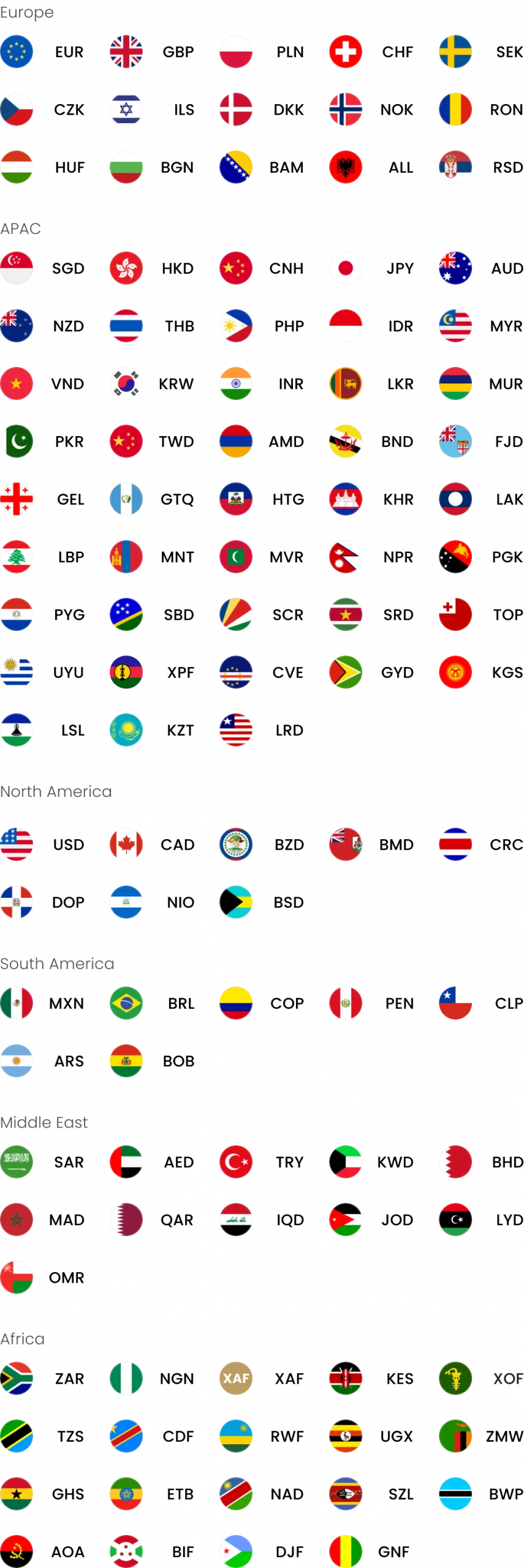
Currencies: If you pay overseas suppliers, check which currencies you can hold and spend without a conversion charge. The more of your supplier currencies on that list, the less you lose to FX.
Controls: Look for per-card limits, merchant restrictions, approval flows and instant freezing, so a compromised card doesn’t put your whole balance at risk.
Cashback and rewards: Some providers pay cashback on card spend. Check the rate, any cap and which spending qualifies.
Virtual and physical cards: Decide whether you only need cards for online spend, or for in-person payments and ATM withdrawals too.
Integrations: Check whether the card connects to your accounting software. Automatic syncing saves hours of reconciliation.
Eligibility: Providers differ on which business types they accept and which documents they ask for, so check before you apply.
Protection: Money on a prepaid card isn’t held the same way as money in a bank account. Check the provider’s terms to see how your funds are held and what protection applies.
The best prepaid business card options in the UK
There’s no single best card for every business. The right choice depends on where you spend, how many people need cards, and what you need to control.
| Provider | Best suited to | Card format | Funded from | Standout feature |
| Airwallex | All-in-one account with cards and expense tools | Virtual and physical | Account balance | Multi-currency account with spend management |
| Revolut Business | Everyday business money management | Virtual and physical | Account balance | Team cards in one app |
| Wise Business | International spending | Physical and digital | Multi-currency balances | Hold and spend across currencies |
| Pleo | Team-wide expense control | Virtual and physical | Company funding | Receipt capture and approvals |
| Soldo | Budget allocation to teams | Virtual and physical | Prepaid company funds | Delegated budgets and controls |
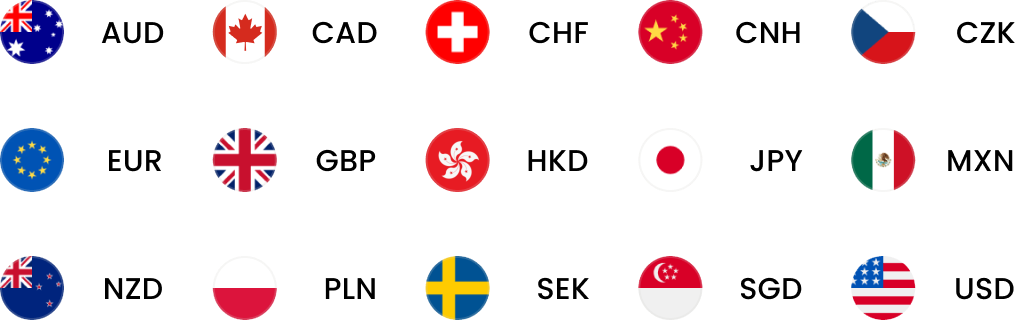
| WorldFirst World Card | Multi-currency supplier and online spend | Virtual and physical card linked to the World Account | World Account balance | No FX fee on 15 major currencies; up to 1.2% cashback (T&Cs apply; correct as of 22 October 2026) |
Airwallex
Airwallex offers a multi-currency business account with company cards and spend management features. It publishes pricing plans and a UK fee schedule, and some pricing is custom for larger businesses.
Best suited to: growing businesses that want cards, expense management and international payments in one platform and are comfortable comparing plan tiers.
Things to consider: fees and card allowances vary by plan, so check the current UK pricing page against your expected number of cardholders.
Revolut Business
Revolut Business offers business accounts with virtual and physical cards, team controls and multi-currency features, with plans at different price points.
Best suited to: small and medium-sized businesses that want a single app for day-to-day money management and card issuing for staff.
Things to consider: card features, allowances and fees depend on the plan, so compare plans against how many cards and which currencies you need.
Wise Business
Wise Business lets companies hold multiple currencies and spend with a business debit card linked to those balances.
Best suited to: businesses that already use Wise for international transfers and want a card tied to the same account.
Things to consider: Card, conversion and setup charges are on Wise’s UK business pricing page, so check them against how you’ll use the card.
Pleo
Pleo is built around controlling team spending, with company cards, receipt capture and approval workflows.
Best suited to: companies with many employees who need cards, with clear budgets and automated expense reporting.
Things to consider: pricing is typically per user or per plan, so costs scale with team size.
Soldo
Soldo provides prepaid company cards with budget allocation and spending controls across teams and projects.
Best suited to: organisations that want to allocate budgets to departments or individuals and monitor spend centrally.
Things to consider: compare plan structure and card charges against your expected usage.
WorldFirst World Card: An option for international UK businesses
The World Card is a Mastercard, available as a virtual or physical card and linked to your World Account balance. Virtual cards are free and issued instantly (up to 25); physical cards cost £5.00 each plus a one-off shipping fee (up to 5).
- Create multiple cards, each with its own spending limits.
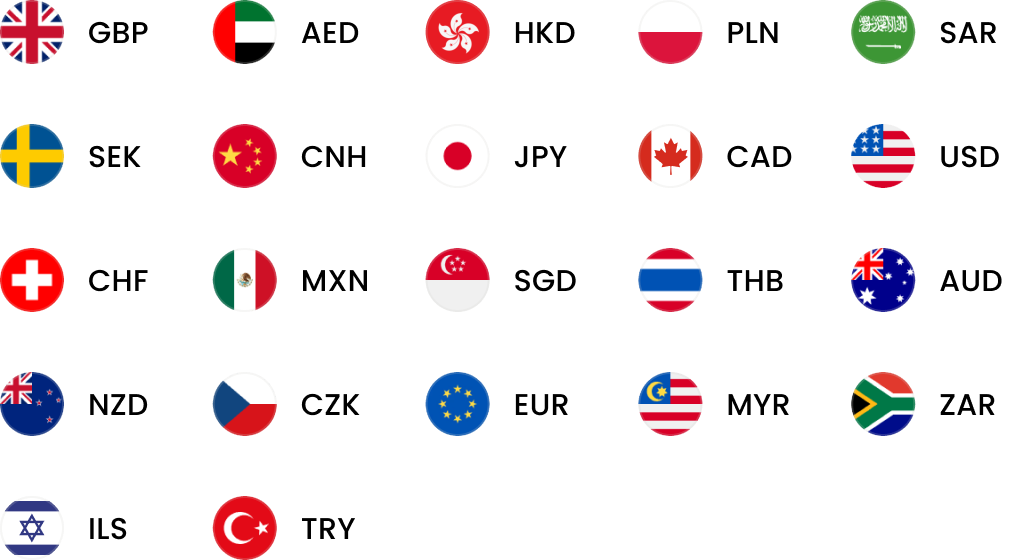
- No FX fee when you pay in 15 major currencies from your World Account balance. Converting pounds into those currencies costs up to 0.50% on major currencies (0.30% for new customers in their first six months), correct as of 22 October 2026.
- Get up to 1.2% uncapped cashback on eligible spending (T&Cs apply; correct as of 22 October 2026), credited to your World Account at the end of the following month.
- Pays from your existing World Account balance, so spend is limited to funds you hold.
Best suited to: ecommerce sellers, importers, and teams that regularly pay overseas suppliers in different currencies.
Paying overseas: avoid dynamic currency conversion
When you pay abroad, the terminal or checkout may offer to charge you in pounds instead of the local currency. This is called dynamic currency conversion (DCC).
With DCC, the amount is converted at the point of sale at the retailer’s or ATM operator’s rate. HSBC UK explains that you should always be able to choose the local currency, and that if you choose it, Visa or Mastercard sets the exchange rate.
Practical checks for business payments:
- Choose the supplier’s currency, not pounds, and check the final amount before you confirm.
- If your provider lets you, hold the currencies you pay most often, so recurring costs like subscriptions come straight out of the right balance.
- Check your provider’s terms and conditions for how its FX charges apply to payments in currencies you don’t hold.
When a prepaid business card gets declined
Pre-authorisation holds: Hotels, car hire firms and fuel pumps often hold more than the final bill. If the hold is bigger than your balance, the card’s declined. Some car hire firms won’t accept prepaid cards for deposits at all.
Subscriptions on a low balance: A renewal that lands on a low balance will decline. Keep a buffer above your recurring costs, or top up before renewal dates.
Daily and per-card limits: Providers set their own limits on card balances and top-ups, and they differ widely. Check them before you rely on one card for large supplier payments.
Backup payment method: For travel and one-off deposits, keep a second payment method available.
Chargebacks and Section 75: getting your money back
If a supplier doesn’t deliver or charges you wrongly, the route to getting your money back depends on how you paid.
Section 75 of the Consumer Credit Act applies to credit card purchases, not to debit or prepaid cards.
Chargeback is a scheme run by the card networks. It can apply to debit, credit and prepaid card payments.
Limited companies: According to Ulster Bank, Section 75 was intended for private individuals, sole traders and partnerships, and does not cover claims by limited companies. Business buyers shouldn’t assume Section 75 applies even on a credit card.
To give yourself the best chance of a successful dispute, contact the supplier first, keep a record of what was agreed, and raise the claim with your card provider promptly.
VAT, receipts and HMRC records
Paying with a business card doesn’t create the paperwork you need to reclaim VAT. GOV.UK says that you cannot reclaim VAT using an invalid invoice, a pro-forma invoice, a statement or a delivery note, and that VAT records must generally be kept for at least six years.
HMRC’s VAT Notice 700/21 sets out the records VAT-registered businesses must keep.
Keep your card receipts in order
- Ask each cardholder to attach a VAT invoice or receipt to every purchase.
- Match card transactions to invoices in your accounting software, then check them against your card statements.
- Keep digital copies of invoices for the required period.
Before you apply
Who can apply: Some providers accept sole traders and limited companies, while others set turnover or size requirements.
How many cards you can issue: Check the limits on virtual and physical cards, and whether they count separately.
Balance and top-up limits: Check balance and top-up limits per card and per account.
How to close cards: Check what happens to unused funds when an employee leaves or an account closes.
Pros and cons of prepaid business cards
Pros
- Spend is capped at the balance you load, which supports budgeting.
- No interest and typically no credit check for the card itself.
- Easy to issue separate cards per team, supplier or subscription.
- Cards can be frozen or cancelled instantly.
Cons
- You need to keep the balance topped up, or payments will be declined.
- They do not help you borrow or build a business credit history.
- Some providers charge per-card or per-user fees.
- Features such as cash withdrawal vary between providers.
Which setup suits your business?
| Your situation | What matters most | What to look for |
| Freelancer or sole trader | Keeping business and personal spending apart | Low or no monthly cost, a simple virtual card, easy export to your accounting software |
| Ecommerce seller or importer paying overseas suppliers | FX costs and paying in supplier currencies | A multi-currency balance, a clear list of currencies with no FX charge, separate virtual cards per supplier or platform |
| Agency or team with advertising spend | Per-campaign budgets and fast card creation | Unlimited or high virtual card limits, per-card limits, instant freezing |
| Growing business with staff expenses | Control and admin time | Per-user pricing that scales, approval flows, receipt capture, accounting integrations |
| Business with large payments or travel | Acceptance and limits | Higher balance limits, a backup payment method, awareness of pre-authorisation holds |
If your main need is paying overseas suppliers and platforms in different currencies, a balance-linked card such as the World Card could be a good fit.
FAQs
1. Is a prepaid business card the same as a debit card?
Not exactly. A prepaid card spends from funds you have loaded with the provider. A debit card draws on a bank current account. In practice, they feel similar at the till or checkout.
2. Do prepaid business cards need a credit check?
Usually not. The card itself doesn’t involve a credit check, but you’ll still go through identity and business verification when opening the account.
3. Can I use a prepaid business card abroad?
Yes, mostly. Most work wherever the card network is accepted, but fees for foreign currency payments differ. Check each provider’s FX charges.
4. Can I use one for online advertising and software subscriptions?
Yes, virtual cards are commonly used for this, and many let you set a dedicated card and limit per platform.
5. What happens if I run out of funds?
Payments are declined until you top up the balance.
6. Do prepaid business cards build business credit?
Usually not. They don’t involve borrowing, so they don’t normally help build a business credit history. If that matters to you, ask a lender about credit products separately.
7. Am I protected if a supplier doesn’t deliver?
Not always. Section 75 only covers credit card purchases. Chargeback may be available, but it is a card-scheme process rather than a legal right, so a refund is not guaranteed. See the chargebacks section above.
8. Can I reclaim VAT on purchases made with a prepaid card?
Only if you hold a valid VAT invoice. HMRC guidance says a statement or delivery note isn’t enough, so attach invoices to card transactions.
9. What happens to unused funds if an employee leaves?
It depends on the provider. Most let you freeze or cancel a card and move the balance back, but check the terms and any fees.
10. Why was my card declined when I had enough balance?
Pre-authorisation holds, per-card or daily limits, or a merchant that doesn’t accept prepaid cards can all cause this. Check the decline reason in your dashboard or ask the provider.
Sources
- https://www.worldfirst.com/uk/product/pay/world-card/
- https://www.worldfirst.com/uk/pricing/
- https://www.worldfirst.com/uk/product/
- https://www.airwallex.com/en-uk/spend-management/cards
- https://www.airwallex.com/en-uk/pricing
- https://www.airwallex.com/en-uk/terms/fee-schedule
- https://www.revolut.com/business/cards/
- https://wise.com/gb/business/card
- https://wise.com/gb/business/employees
- https://wise.com/gb/pricing/business/
- https://www.pleo.io/en/business-expense-cards
- https://www.pleo.io/en/pricing
- https://www.soldo.com/en-gb/prepaid-card/
- https://www.legislation.gov.uk/ukpga/1974/39/section/75
- https://ulsterbank.co.uk/credit-cards/guide-to-credit-cards.html
- https://www.visa.com/en-gb/personal/security/chargeback-purchase-disputes
- https://hsbc.co.uk/international/should-you-pay-in-local-currency
- https://www.gov.uk/charge-reclaim-record-vat/keeping-vat-records
- https://www.gov.uk/guidance/record-keeping-for-vat-notice-70021