




























Payoneer has long been a popular choice for businesses sending and receiving international payments. It offers local receiving accounts, marketplace integrations, and cross-border payment services that help businesses operate globally.
But as international commerce evolves, many businesses are exploring Payoneer alternatives for global payments that offer more competitive pricing, broader currency support, faster transfers, or tools designed to scale with their growth.
This guide compares seven of the best options, helping you find the right provider based on your business needs, payment volumes, and international expansion plans.
Key Takeaways
- Payoneer remains popular, but many businesses are switching to more flexible alternatives
While it offers marketplace payouts and local receiving accounts, limitations around fees, currency support, and account restrictions are pushing users to explore better options. - The best Payoneer alternatives offer lower FX costs and greater transparency
Top providers use mid-market exchange rates or apply low, clearly defined markups, helping businesses avoid hidden fees and unpredictable pricing. Unlike platforms where costs are embedded in spreads or vary by volume, transparent pricing allows for better cost control, more accurate forecasting, and improved margins, especially for businesses handling frequent or high-value international transactions. - Choosing the right provider depends on your business model and payment needs
E-commerce sellers, freelancers, and global businesses require different features, from marketplace integrations to mass payouts and automation tools. - Speed, currency coverage, and integrations are key decision factors
Solutions that support local payment rails, multi-currency accounts, and platforms like Amazon or Shopify provide a clear operational advantage. - Modern fintech platforms outperform legacy solutions in scalability and control
They offer better user experience, automation, and tools like FX management, making them more suitable for growing international businesses.
Why look beyond Payoneer?
Payoneer has built a strong reputation as a go-to platform for cross-border payments, especially for small and mid-sized businesses selling online. It offers local receiving accounts, easy marketplace payouts, and a familiar interface.
But it’s not without its drawbacks. Transaction limits can hinder growth, fees vary based on monthly volume, and the currency support isn’t as extensive as some competitors.
On top of that, many users report frustrations on review sites:
- G2: Some users report that Payoneer has frozen their balances without explanation (one user had over US$34,000 locked) and charged high, unexpected fees, making it more expensive than competitors.
- Capterra: Users complain about clunky verification and steep fees that wipe out small payments when they don’t use the account actively.
- Trustpilot: Frequent reports of poor customer support, hidden fees, and sudden account holds. One reviewer even said they felt ‘treated like a criminal’ during verification.
For businesses seeking more flexibility, predictable costs, and reliable support, it makes sense to explore Payoneer alternatives that directly address these issues.
What to look for in a Payoneer alternative
When choosing a replacement, think about both the features you need today and the ones that will help you scale tomorrow.
Here are the key factors to keep in mind:
- Currency coverage and account details: Check if the provider lets you open local accounts in the markets you operate in. Receiving and holding funds directly in USD, EUR, GBP, and other major currencies saves you from unnecessary conversions.
- Transaction speed and payment rails: Look at how fast money actually moves. Some providers use local clearing systems, which means faster and cheaper transfers than traditional SWIFT wires.
- Costs and FX transparency: Don’t just look at the headline transfer fee. Compare exchange rates, spreads and mark-ups. The best providers publish their rates clearly and use the mid-market rate as a benchmark.
- Flexibility in payment methods: A strong alternative should support multiple payment types, including cards, bank transfers and e-wallets.
- Marketplace and platform integrations: If you’re selling through Amazon or eBay and other marketplaces, ensure the provider integrates seamlessly.
- Working capital and extra services: Some payment providers offer short-term financing, batch payments or spend management tools. These extras can make a big difference in smoothing cash flow.
- User experience: Managing money on the go should be simple. Look for clean dashboards, an intuitive app and multi-user controls if you run a team.
- Support and reliability: International payments can be stressful when things go wrong. Reliable 24/7 support, dedicated account managers and local expertise are signs you can trust the provider long-term.
Best 7 Payoneer alternatives in 2026
We considered all these factors when putting this list together. To help you choose the right fit, here’s a comparison table of the best Payoneer alternatives:
| Provider | Local receiving details | Currencies to hold | FX pricing (typical) | Transfers (typical) | Cards | Key strengths |
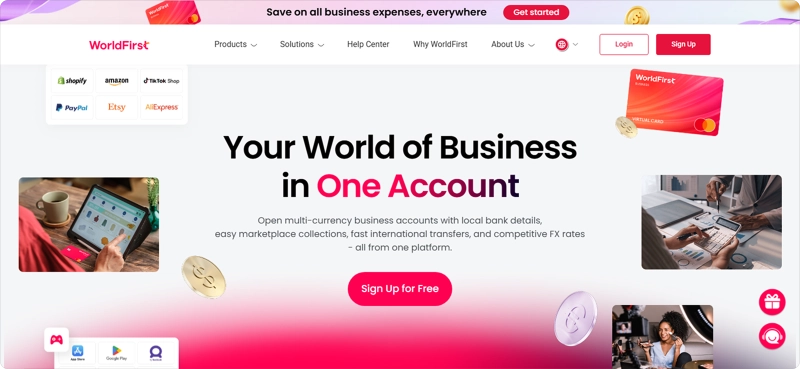
| WorldFirst | 20+ currencies with local details | 20+ | up to 0.50% | Local from £0.30; international from £4.00; free between WorldFirst accounts | Business Mastercard (0% FX on matching balances) | Marketplace collections; supplier payments; FX tools; business-ready platform |
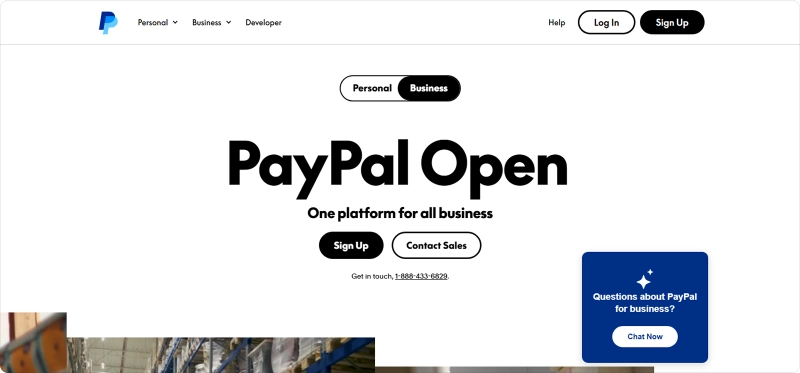
| PayPal Business | No IBAN; holds 25+ currencies in wallet | 25+ | ~3–4% above mid-market | Domestic ~2.99% + fixed fee; +1.5% cross-border | PayPal Business Debit Card (eligible customers) | Global reach; strong consumer trust; easy checkout |
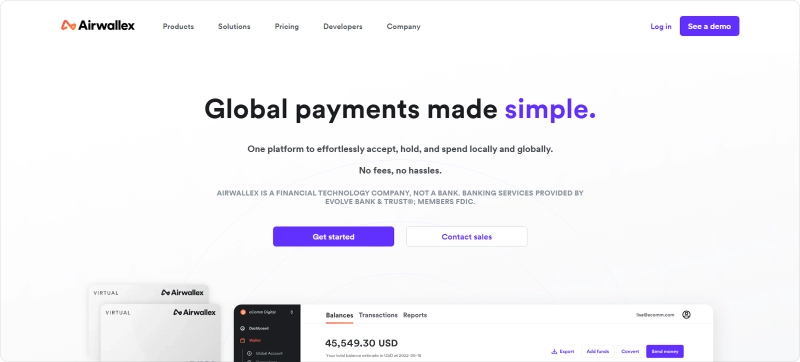
| Airwallex | Global Accounts in 20+ currencies; local collection in 60+ markets | 20+ | From 0.5% above the interbank rate (varies by currency pair and volume) | Local transfers free; SWIFT ~US$15–25 | Multi-currency corporate cards | API-driven; wide collection footprint; cashback cards |
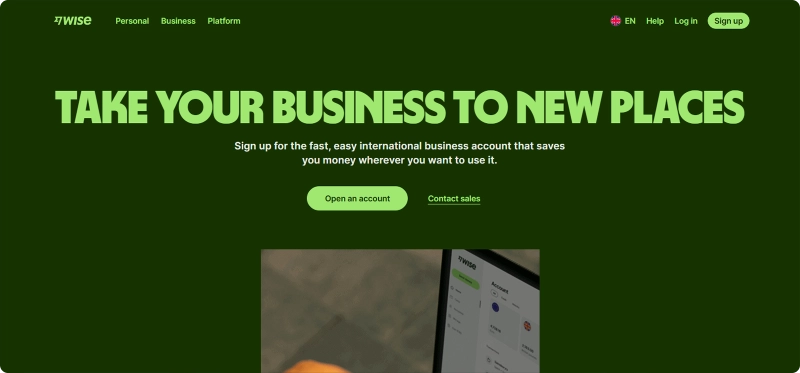
| Wise Business | Local details in 9+ currencies | 40+ | Mid-market, fees <1% | Local rails low-cost; USD wires ~US$6.11 | Business debit Mastercard | Transparent fees; simple UX; strong integrations |
| PingPong Payments | Local accounts in 23 currencies; payouts in 60+ | 40+ | Usually ≤1% | 1% per transaction | Virtual Visa | E-commerce focus; mass payouts; competitive FX |
| Skrill | Wallet in 40+ currencies | 40+ | Up to ~3.99% mark-up | Card funding up to 2.99%; bank withdrawal ~US$5.50 | Prepaid and virtual cards | Simple wallet; widely accepted for online payments |
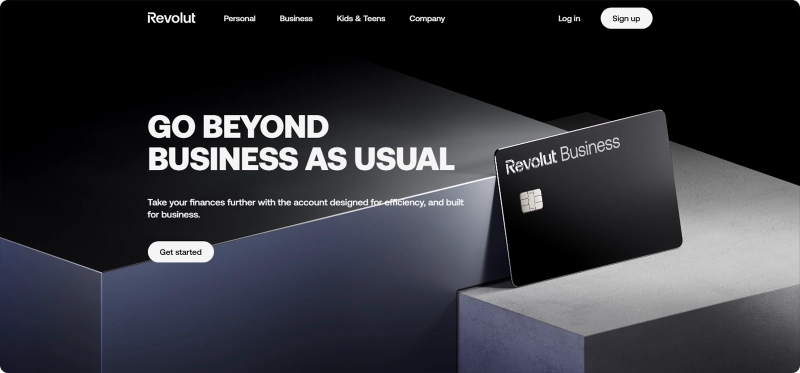
| Revolut Business | Local account details in 20+ currencies | 25+ | Interbank in market hours; 0.6% above allowance; ~1.0% at weekends | Free within plan; then ~US$0.20 local / US$5 international | Corporate cards | Tiered plans; free FX/transfer allowances; expense tools |
All information checked in July 2026. Fees and availability vary by region; always confirm on the provider’s regional pricing page before making decisions.


Sources:
- https://www.worldfirst.com/uk/
- https://www.worldfirst.com/uk/blog/
- https://www.worldfirst.com/uk/blog/international-transactions/best-multi-currency-business-bank-accounts/
- https://portal.worldfirst.com/register?lang=en-GB®ion=SG&step=0&utm_placement=regpagelogo
- https://www.worldfirst.com/uk/pricing/
- https://www.revolut.com/business/
- https://www.payoneer.com/en-in/
- https://www.worldfirst.com/au/insight/business-banking-insights/worldfirst-vs-payoneer/
- https://wise.com/gb/business/
- https://www.airwallex.com/en-us/pricing
- https://www.skrill.com/en/
- https://www.international.pingpongx.com/
- https://in.pingpongx.com/manage-your-account/what-is-the-charging-standard
- https://www.paypal.com/in/business/paypal-business-fees