



























A Hong Kong supplier quote may look straightforward at first, but what you see may not be what you need to pay. The currency, exchange rate, payment route and fee arrangement can all affect which charges apply, which records you need after payment and what the final cost of your shipment will be.
Your supplier may quote in HKD or use USD for cross-border trade. For UK importers, that choice can add up across repeat orders. The Department for Business and Trade reported total UK imports from Hong Kong SAR of £11.7 billion in the four quarters to the end of Q4 2025.
This guide explains the currency in Hong Kong, how GBP/HKD exchange rates work, what to check before paying suppliers and how to receive payments in HKD.
Key takeaways:
- Hong Kong uses the Hong Kong dollar, so UK importers need to check if supplier invoices are in HKD, USD or GBP
- GBP/HKD exchange rates, FX margins and transfer fees can change the final cost of Hong Kong supplier payments
- Supplier bank details need careful checking, including beneficiary name, account number, SWIFT/BIC, payment currency and invoice reference
- Holding HKD can reduce extra currency conversion when you have future Hong Kong supplier invoices to pay
- A multi-currency account can make it easier to receive, hold, convert and pay in HKD from one place
What currency does Hong Kong use?
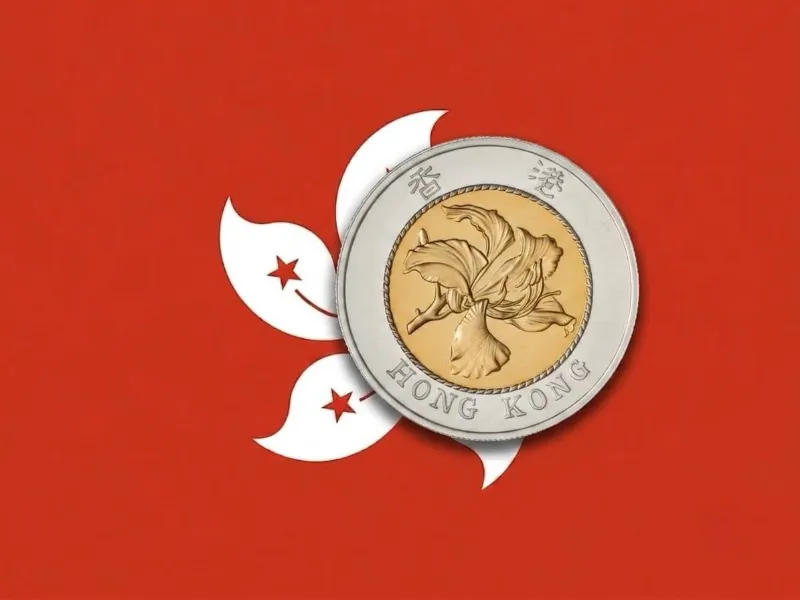
The Hong Kong Monetary Authority, or HKMA, is Hong Kong’s central banking institution. It oversees Hong Kong’s monetary and banking system, including the issue and circulation of Hong Kong currency.
| Currency detail | Hong Kong |
| Currency | Hong Kong dollar |
| Currency code | HKD |
| Symbol | HK$ |
| Subunit | 100 cents |
| Common banknotes | HK$10, HK$20, HK$50, HK$100, HK$500 and HK$1,000 |
| Common coins | 10 cents, 20 cents, 50 cents, HK$1, HK$2, HK$5 and HK$10 |
| Monetary authority | Hong Kong Monetary Authority |
| Common supplier invoice currencies | HKD, USD and sometimes GBP |
How do GBP/HKD exchange rates work?
The GBP/HKD exchange rate shows how many Hong Kong dollars your pounds can buy. If your supplier invoices you in HKD, the rate affects the final amount leaving your GBP account.
| Rate | What it tells you | Why it matters |
| GBP/HKD | How many Hong Kong dollars £1 can buy | Useful when you start with GBP and need to pay an HKD invoice |
| HKD/GBP | How many British pounds HK$1 can buy | Useful when your supplier has already issued an HKD invoice |
| USD/HKD | How many Hong Kong dollars US$1 can buy | Useful when your supplier offers both USD and HKD pricing |
For example, the Bank of England daily spot rate on 22 June 2026 showed £1 = HK$10.3987.
If your Hong Kong supplier invoices you for HK$50,000, the cost could look like this:
- Benchmark rate: £1 = HK$10.3987
- Benchmark GBP cost: HK$50,000 ÷ 10.3987 = £4,808.29
- Provider rate with a 0.5% higher HKD cost: about £1 = HK$10.3470
- GBP cost at provider rate: HK$50,000 ÷ 10.3470 = £4,832.33
- Difference before fees: £24.04
The HKMA oversees the Linked Exchange Rate System, which keeps HKD closely tied to USD. For UK importers, GBP/HKD can still move when the pound changes against the US dollar.
For repeat Hong Kong orders, keep the quoted rate, payment date and fees with each invoice. That makes it easier to compare the real GBP cost of one order against the next.
How to pay Hong Kong suppliers from the UK
Paying a Hong Kong supplier from the UK is usually less about choosing from a long list of methods and more about matching the payment to the invoice.
Before each deposit or balance payment, confirm the currency, beneficiary name and reference match the latest invoice. Then match the account details to the supplier’s invoice or payment instruction.
Also, ask your supplier to confirm:
- Beneficiary name
- Account number
- Bank name
- Bank address
- SWIFT or BIC code
- Hong Kong bank code or branch code, if provided
- Payment currency
- Invoice number or order reference
- Who covers transfer, intermediary or receiving fees
Hong Kong accounts do not use IBANs. Enter the account number, bank details and any local bank or branch code exactly as your supplier provides them.
If the supplier changes account details, verify the request through a trusted contact before paying. Pause if they ask you to send money to a different company or personal account.
Main ways to pay a Hong Kong supplier
| Payment method | When it can work |
| Bank international transfer | You’re paying from a UK business bank account |
| Specialist payment provider | You want to compare the full GBP cost before paying |
| Multi-currency account | You hold or convert HKD for supplier payments |
| Local Hong Kong route, where supported | Your provider can route the payment locally in Hong Kong |
| Card payment | The supplier accepts card for samples or small orders |
| Marketplace or platform payment | You’re ordering through a sourcing platform |
For marketplace or platform payments, check the usual supplier details, then confirm the platform fees, buyer protection terms, refund process and payout timing before you pay.
The payment route can affect settlement time, deductions and proof of payment. Check these details before you pay, especially if your supplier needs cleared funds before dispatch or freight booking.
Should you pay Hong Kong suppliers in HKD, USD or GBP?
Choose the currency that matches the supplier’s invoice, receiving account and confirmed amount due.
- HKD: Usually the best fit when the supplier invoices in Hong Kong dollars and wants the same amount credited to their Hong Kong account.
- USD: Useful when the supplier prices export orders in US dollars and confirms the exact amount they need to receive.
- GBP: Works when the supplier gives you a confirmed sterling price and accepts GBP into a suitable account.
Keep the invoice, payment confirmation and supplier confirmation together so you can trace the order if the value changes or if you happen to need a refund.
Receiving payments from Hong Kong in HKD
If you receive money in HKD and later need to pay another HKD invoice, converting everything back to GBP can add an extra FX step.
You might receive HKD from:
- Supplier refunds
- Credit notes
- Rebates or volume discounts
- Hong Kong distributors
- Hong Kong customers
- Marketplaces or platforms that settle in HKD
Before you convert HKD to GBP, check your next Hong Kong payment.
If you expect more Hong Kong supplier costs, compare the value of converting now with the value of leaving HKD available for the next invoice.
Record the received amount, fee details, FX rate, conversion date and original invoice or payout record together. That gives you a clearer view of the real GBP value of each HKD receipt.
Manage Hong Kong payments with WorldFirst
When you understand the currency in Hong Kong, repeat supplier payments become easier to plan. If you receive HKD and also pay Hong Kong invoices, a multi-currency account can reduce unnecessary currency movement.
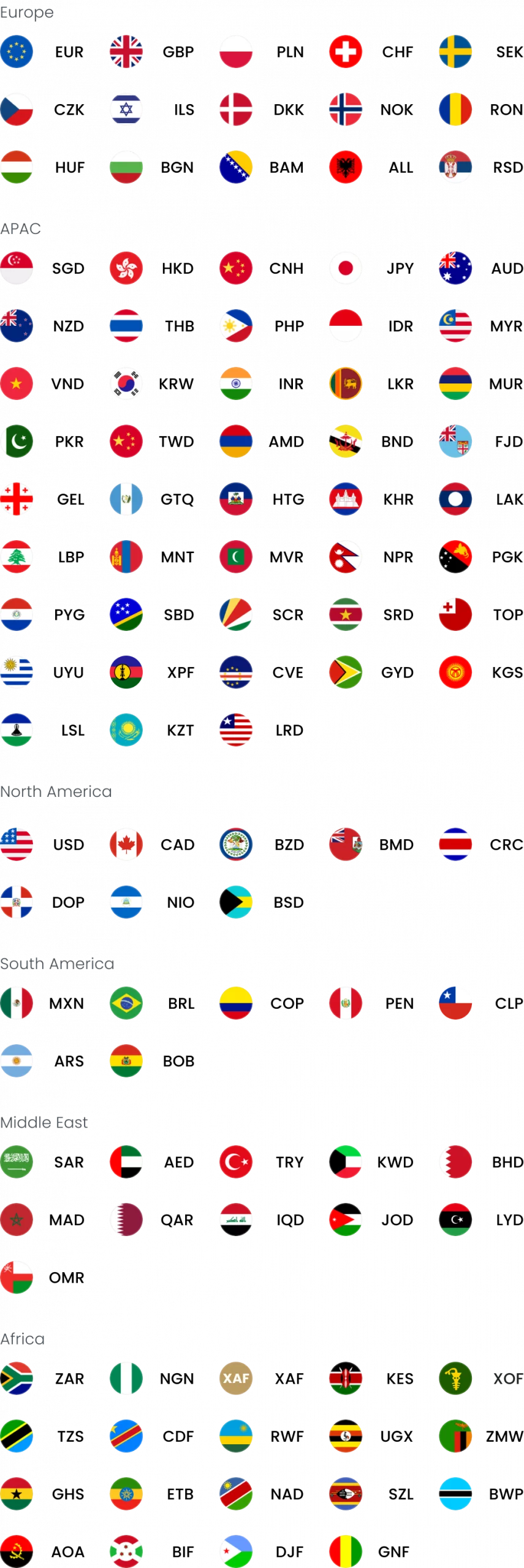
With a multi-currency World Account from WorldFirst, you can receive and hold 20+ currencies, including HKD and pay suppliers in 100+ currencies from one account. You can also manage FX conversions and payment records in one place.
For example, your supplier sends a HK$40,000 credit note and you have a HK$280,000 invoice due next month. With a World Account, you could leave the credit in your HKD balance, convert only the extra amount you need from GBP to HKD and then pay the supplier from the same account.
That keeps the credit, conversion and outgoing payment easier to match.
WorldFirst isn’t a bank. In the UK, World First UK Ltd is authorised by the Financial Conduct Authority as an Electronic Money Institution.
FAQ
1. How long does a UK bank transfer to Hong Kong take?
2. Why did my Hong Kong supplier receive less than I sent?
Your supplier may receive less if intermediary bank fees, receiving bank charges or currency conversion costs apply. Before sending the payment, confirm who covers those charges and the exact amount the supplier needs to receive.
3. Do Hong Kong bank holidays delay international supplier payments?
Sources:
- https://assets.publishing.service.gov.uk/media/6a351e8400ff27f06e3efb00/hong-kong-sar-trade-and-investment-factsheet-2026-06-23.pdf
- https://www.hkma.gov.hk/eng/
- https://www.hkma.gov.hk/eng/key-functions/money/linked-exchange-rate-system/