



























Your supplier may confirm the foreign-currency cost of an order months before you know what it will cost in pounds. For an established UK importer with prices, margins and stock plans already agreed, a weaker pound can make the same invoice more expensive before payment falls due.
A 2025 survey of more than 500 UK importers and exporters found that over half of them had been negatively affected by currency volatility during the previous year, while 30% reported a financial impact of £10,000 to £20,000.
Currency hedging can reduce that uncertainty by giving your business more control over the future sterling cost, without relying on a prediction of where the market will move.
This guide explains when currency exposure begins, how hedging strategies differ and how to choose an approach that matches your working-capital needs.
Key takeaways:
- Hedging is about cost certainty, not predicting exchange rates: Currency hedging can reduce the effect of adverse rate movements on future supplier payments, but it doesn’t guarantee the lowest possible conversion cost
- Start with the commercial commitment: Confirmed invoices and purchase orders provide a stronger basis for hedging than early forecasts. Match the amount and settlement date to the supplier obligation to avoid committing to more currency than you need
- Choose the method that fits the payment: Natural hedging can use matching foreign-currency funds, forward contracts can fix a future exchange rate, and layered hedging can protect an order as each payment becomes more certain
- Set the hedge ratio around margin and working capital: Decide how much exposure to protect based on the order’s certainty, available margin headroom and your ability to meet supplier payments, deposits or margin calls
- WorldFirst can bring balances, hedging and supplier payments together: The World Account lets eligible UK businesses receive and hold supported currencies, use existing balances towards overseas invoices and manage confirmed shortfalls with forward contracts where available
Open a World Account to put foreign-currency balances towards upcoming supplier payments.
What is currency hedging?
Currency hedging is the process of reducing the financial impact of exchange-rate movements on a future foreign-currency payment or receipt.
The exposure is the amount that can still change in sterling value before settlement. A business can hedge all or part of that amount, depending on how certain the payment is and how much movement its margin can absorb.
For example, suppose an importer agrees to pay a US supplier US$100,000 in 90 days. At an illustrative exchange rate of US$1.25 to £1, the invoice would cost £80,000. If the pound weakens to US$1.18 before payment, the same invoice would cost about £84,746.
A hedge reduces the open exposure, but it may also limit the benefit if the exchange rate later moves in your favour.
Where currency risk enters an importer’s margins
Currency exposure can arise at several points between the supplier quote and final settlement:
Supplier quote → Purchase order → Deposit → Production → Shipment → Final invoice → Payment
The key point is to identify when the business becomes commercially committed and which amounts remain uncertain. A single order may create several exposures if the supplier requests deposits, milestone payments and a final balance on different dates.
Transaction exposure
Transaction exposure comes from a confirmed or binding foreign-currency payment or receipt.
For an importer, it may appear when the business:
- Accepts a supplier quote
- Issues a purchase order
- Pays a production deposit
- Approves a freight or logistics charge
- Receives a final invoice in another currency
A supplier that requests 30% before production and 70% before shipment creates two separate payment exposures. Each amount has its own settlement date and may require a different currency decision.
Forecast exposure
Forecast exposure comes from payments or receipts that the business expects but hasn’t confirmed.
Common examples include:
- Seasonal stock plans
- Expected repeat orders
- Preliminary supplier quotations
- Planned marketplace sales
- Proposed customer contracts
Forecast exposure carries more uncertainty than a signed purchase order or issued invoice. Quantities may change, demand may fall, and the supplier may move the payment date.
Treating an early forecast as a committed payment can leave the business with more hedged currency than it eventually needs. A clearer process separates forecast and confirmed exposure, then increases protection as the order becomes more certain.
Foreign-currency receipts and balances
Foreign-currency receipts and balances can reduce the amount that remains exposed.
An importer may:
- Receive customer or marketplace payments in another currency, creating funds that could cover part of a supplier invoice
- Hold money in a foreign-currency account, reducing the amount that needs to be converted
- Carry foreign-currency assets or liabilities, which can change the business’s net currency position
If you receive customer or marketplace payments in the same currency as a supplier invoice, you may already hold enough funds to cover part of it. Reviewing incoming and outgoing funds together shows the net exposure that still needs attention.
Read more: What SMEs should know about receiving online payments in local currencies
Does your business need currency hedging?
Currency hedging deserves consideration when an adverse exchange-rate move could affect the margin or cash requirement of a committed payment.
You should consider these four questions before deciding whether to hedge:
| Question | What it reveals |
| How certain is the commitment? | Issued invoices and signed purchase orders provide a clearer basis for action than provisional demand |
| What would an adverse move do to the margin? | The smaller the available headroom, the greater the value of cost certainty |
| Can the business reprice the goods? | Fixed customer contracts and marketplace listings leave less room to recover a higher sterling cost |
| How predictable is the settlement date? | Variable production or shipping schedules may require more flexibility than a single fixed payment date |
Working capital also needs attention before the business enters a binding FX contract. A strategy that protects the exchange rate must still leave enough liquidity to fund the supplier payment and meet any contract requirements.
Read more: How to reduce FX costs on international payments
Ways to manage foreign exchange exposure
The table below compares the main currency hedging strategies for future supplier payments:
| Strategy | Main purpose | Relevant when | Main limitation |
| Natural hedging | Matches incoming and outgoing funds in the same currency | Your receipts arrive before the supplier payment | Amounts and dates may not align |
| Forward contract | Fixes the exchange rate for a future payment | You know the amount and expected settlement date | You commit to the agreed terms |
| Layered hedging | Protects portions of an order at different stages | Your commitment becomes firmer over time | The remaining amount stays exposed |
| Currency option | Protects against an adverse movement while preserving potential benefit | You don’t want to give up a favourable market move | An upfront premium usually applies |
| Firm order | Converts currency when a target rate is reached | Your deadline leaves time to wait | The target may not be reached |
| Rate alert | Notifies you at a selected market level | You want to monitor rates before acting | It provides no protection |
| Spot transaction | Funds an immediate or near-term payment | You need the currency now | The sterling cost depends on the available rate |
1. Natural hedging
Natural hedging works when the currency, amount and timing of incoming funds match a supplier payment.
A US dollar balance due after the payment deadline won’t fund the invoice on time. Compare each expected receipt with the corresponding supplier obligation rather than treating your full foreign-currency balance as available.
2. Forward contracts
Forward contracts provide cost certainty for confirmed payments, but the structure needs to match your supplier schedule.
Common structures include:
- Fixed forward: You settle the full amount on one specified date
- Flexible forward: You draw down agreed amounts before maturity
- Window forward: You settle during an agreed period
A 2025 survey of 260 UK finance decision-makers at mid-sized companies found an average hedge duration of 5.52 months. The sample covered mid-sized corporates rather than established small importers, so your production cycle and payment dates matter more than the corporate average.
A forward becomes binding once agreed. If your supplier changes the order value or deadline, you may need to amend, extend or close the contract, which can incur costs.
Your provider may also request an initial deposit or additional funds after a significant market movement. Make sure you can meet those requirements without affecting the supplier payment or other working capital needs.
3. Layered hedging
Layered hedging may fit an order whose value becomes more certain at each milestone.
You could protect one portion when you pay the production deposit, another before shipment and the balance after receiving the final invoice.
4. Currency options
Currency options may suit a confirmed payment when you need protection but still want to benefit from a favourable market movement.
An option gives you the right, but not the obligation, to exchange an agreed amount at a specified rate. You can use that rate after an adverse movement or allow the option to expire when the available market rate is more favourable.
5. Firm orders and rate alerts
A rate alert still requires you to act when the market reaches your target, while a firm order instructs your provider to convert at the selected level, subject to market conditions.
Both depend on the rate reaching your target before payment falls due. They’re less relevant when a fixed supplier deadline leaves little time to wait.
6. Spot transactions
Use a spot transaction when the cost is already due, and there’s no future rate left to protect.
It may cover an unexpected supplier balance, freight charge or overdue invoice. Your final sterling cost depends on the rate available when you convert.
How much currency exposure should you hedge?
Your hedge ratio is the proportion of a foreign-currency payment you choose to protect. The right percentage depends on how certain the supplier commitment is and how much exchange-rate movement the order can absorb.
Consider three levels of protection:
- Hedging the full amount may suit a confirmed invoice with a fixed due date and limited margin headroom
- Partial hedging may be more appropriate when the amount or payment date could still change or when you can absorb some movement
- Limited initial hedging may suit a purchasing forecast. You can increase the ratio as quantities, prices and supplier terms become clearer
Avoid protecting the maximum forecast value before the order becomes firm. If the quantity falls or the purchase doesn’t proceed, you could be committed to buying more currency than you need or face costs when adjusting the hedge.
Your margin tolerance provides a better guide than a standard percentage. Calculate how much additional sterling cost the order can carry before it affects the target margin, selling price or working-capital plan. A payment with narrow headroom may justify more protection than a larger invoice where you can reprice the goods or absorb part of an adverse movement.
A Q1 2026 Censuswide survey commissioned by MillTech found that hedge ratios among surveyed UK and US corporates reached 57%. The research covered 250 senior finance decision-makers at companies with market capitalisations of US$50 million to US$1 billion, so the figure provides broader corporate context rather than a target for an established small importer.
How to build a currency hedging policy
To build a currency hedging policy for regular supplier payments, follow these six steps:
- Record relevant payments. List the supplier, currency, amount, due date and commitment stage for each payment that may require action
- Set hedge limits. Define the maximum proportion you may hedge for forecasts, purchase orders and confirmed invoices
- Assign approval roles. State who can request, approve and book an FX contract, including when a second approval is required
- Match contracts to supplier terms. Base each contract on the documented amount and deadline, treating deposits and final balances as separate payments
- Check cash and costs. Confirm that you can meet the supplier payment, any deposit or margin call and potential amendment or close-out charges
- Respond to order changes. Reassess the position when the amount, currency or due date changes and keep the supporting documents and approvals together
Read more: FX international payments tracking
How WorldFirst supports currency risk management
Using separate services for balances, conversions and supplier payments can make it harder to see which funds cover an invoice and what remains exposed.
WorldFirst brings foreign-currency collections, balances, conversions and international payments together in the World Account, so you can manage supplier payments and make clearer currency hedging decisions with a multi-currency account.
Consider a UK homeware importer that expects €60,000 in European marketplace and customer revenue. It also has a €100,000 invoice from an Italian supplier due in 90 days.
The business could hold the incoming euros in its World Account and use them towards the invoice. It would then need to manage only the €40,000 shortfall, instead of converting the revenue into pounds and buying euros again later.
Once the shortfall and due date are confirmed, a WorldFirst forward contract could fix the exchange rate for that €40,000 portion. The importer would know its sterling cost before payment falls due, while the existing euro funds would cover the balance.
The result isn’t a promise of a better future rate. It reduces avoidable conversions and gives the business greater control over the sterling cost that remains exposed.
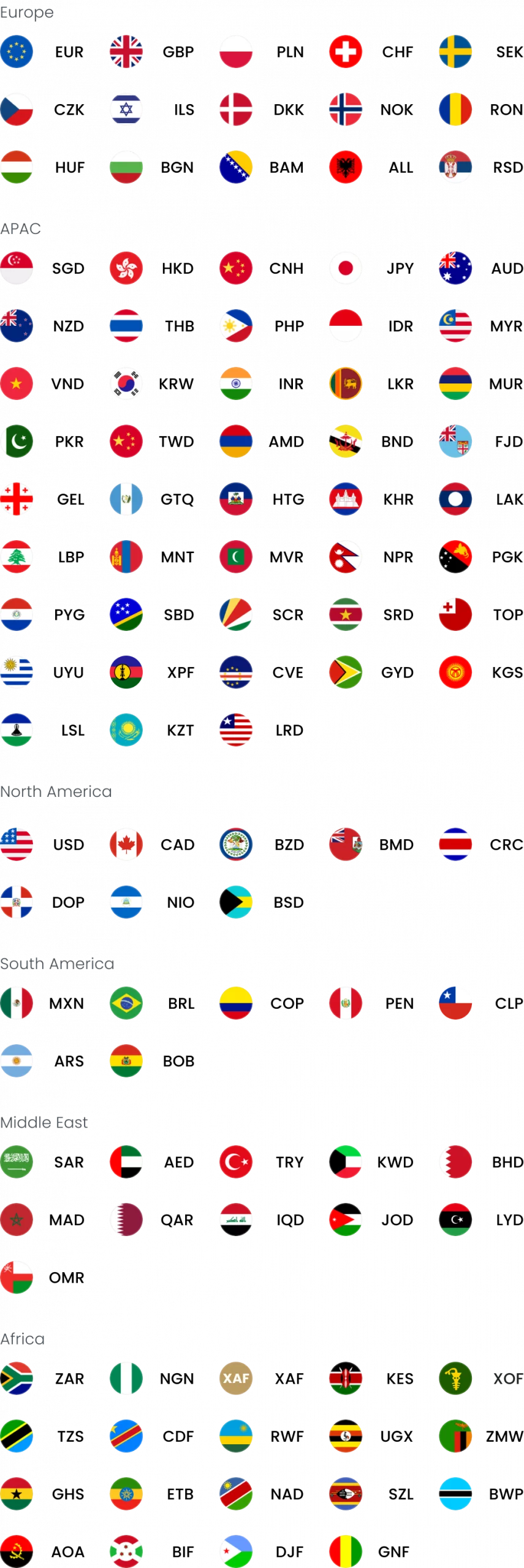
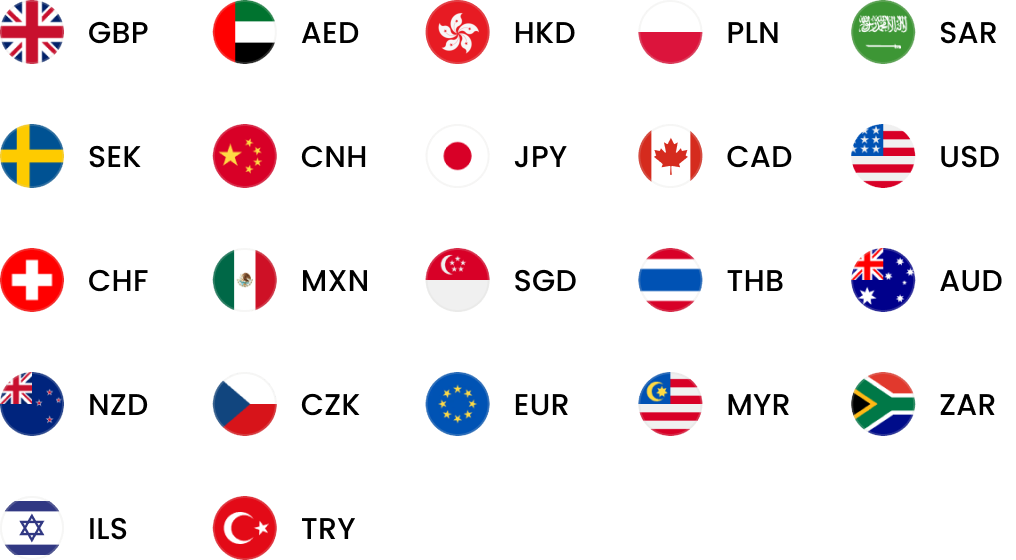
Eligible UK businesses can use a World Account to receive and hold funds in 20+ currencies and pay suppliers in 100+ currencies across 200+ countries. WorldFirst also offers forward contracts that can fix an exchange rate for up to 24 months.
WorldFirst isn’t a bank. World First UK Limited is authorised by the Financial Conduct Authority as an Electronic Money Institution under the Electronic Money Regulations 2011, with firm reference number 900508.
Open a World Account to hold foreign-currency revenue, manage upcoming conversions and pay overseas suppliers from one account.
FAQs
1. What is hedge accounting?
Hedge accounting is an optional accounting treatment that links a qualifying hedging contract with the payment or other exposure it protects. It can reduce timing differences in reported profits and losses, but the business must meet the relevant accounting requirements and retain supporting documentation.
2. What are the most common currency hedging mistakes for importers?
Common mistakes include hedging an order before it becomes firm, booking the wrong amount or settlement date, failing to respond when supplier terms change, focusing only on the headline rate and using hedging to speculate on exchange rates.
3. Is currency hedging tax deductible for a UK business?
Not automatically. Currency hedging can affect taxable profits, but the treatment depends on the contract, the business structure and how the hedge appears in the accounts. Confirm the correct treatment with your accountant.
4. Can one forward contract cover several supplier invoices?
Yes. If your provider allows multiple drawdowns, one flexible forward may cover several invoices in the same currency, provided their value and payment dates fit the contract. You must usually settle the full amount by maturity.
5. What documents do you need to arrange a currency hedge?
Prepare the supplier invoice, purchase order or contract showing the payment purpose, currency, amount and due date. Your provider may also request business verification details or further evidence about the transaction or source of funds, depending on the payment and compliance checks.
Sources:
- https://www.bibbyfinancialservices.com/assets/documents/bltcaabb0e00358b2d2/blte04864e15d01ca6f/trading-places-bfs-international-trade-report-2025.pdf
- https://www.reuters.com/world/uk/many-uk-firms-say-volatile-pound-triggered-losses-2025-need-hedge-grows-2025-12-11/
- https://milltech.com/resources/currency-insight-and-education/the-corporate-hedging-monitor-q1-2026