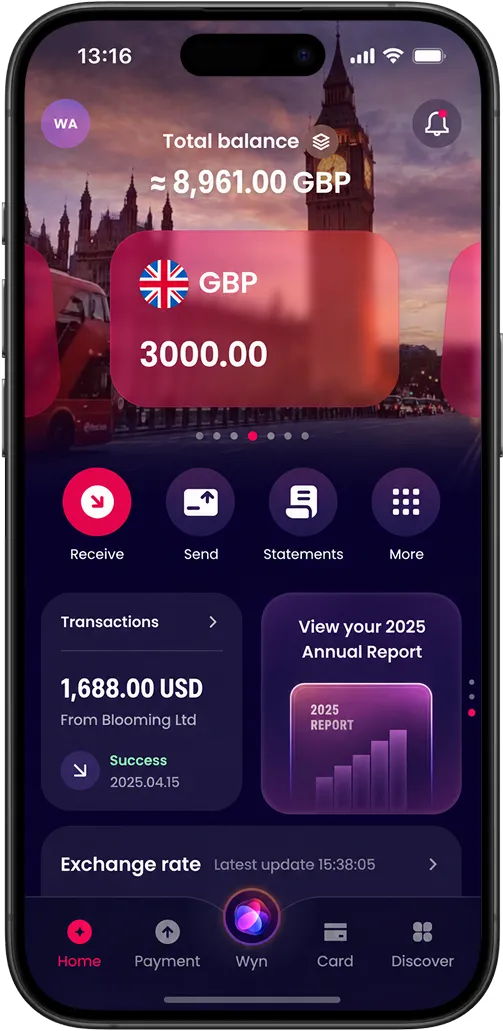
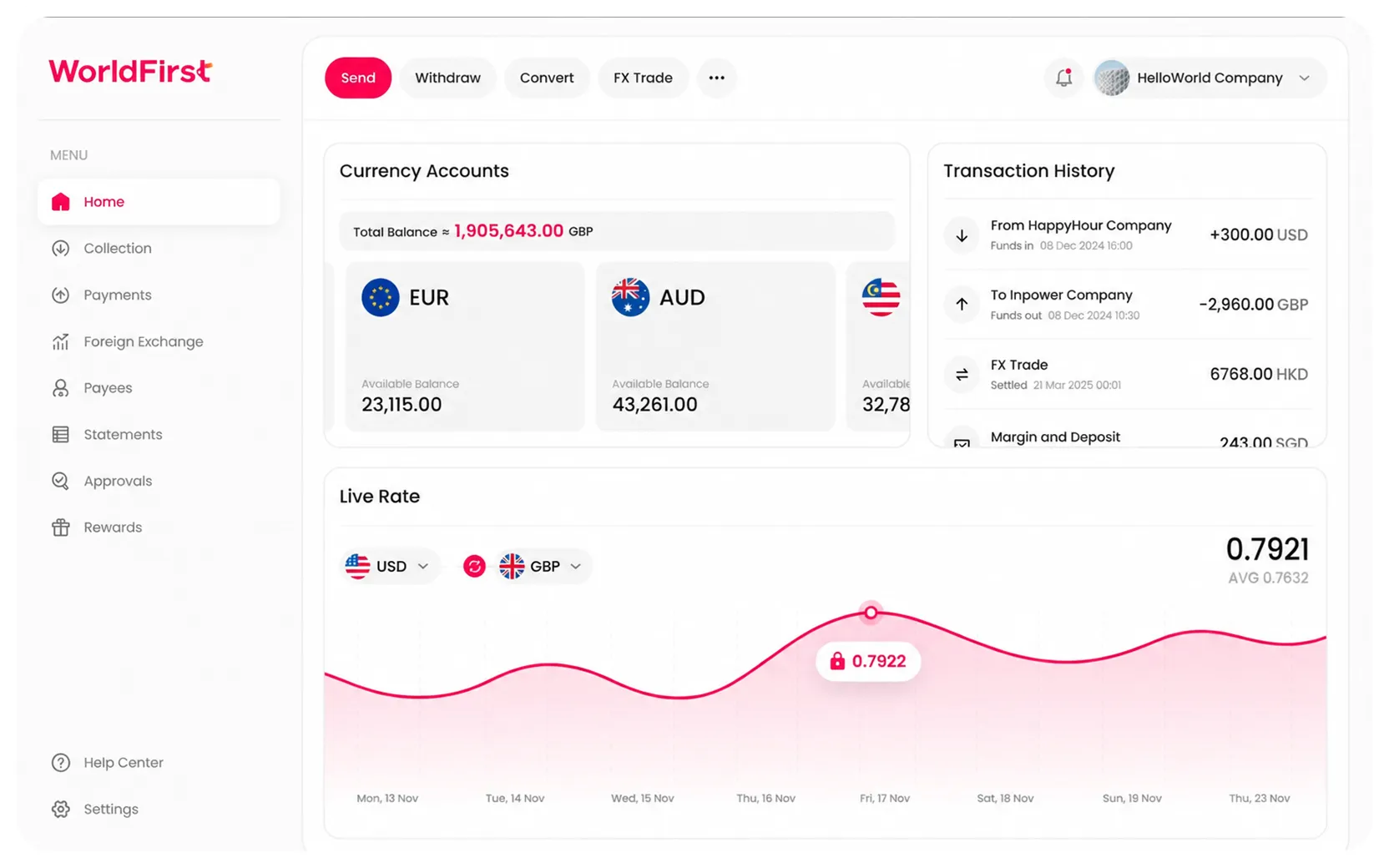
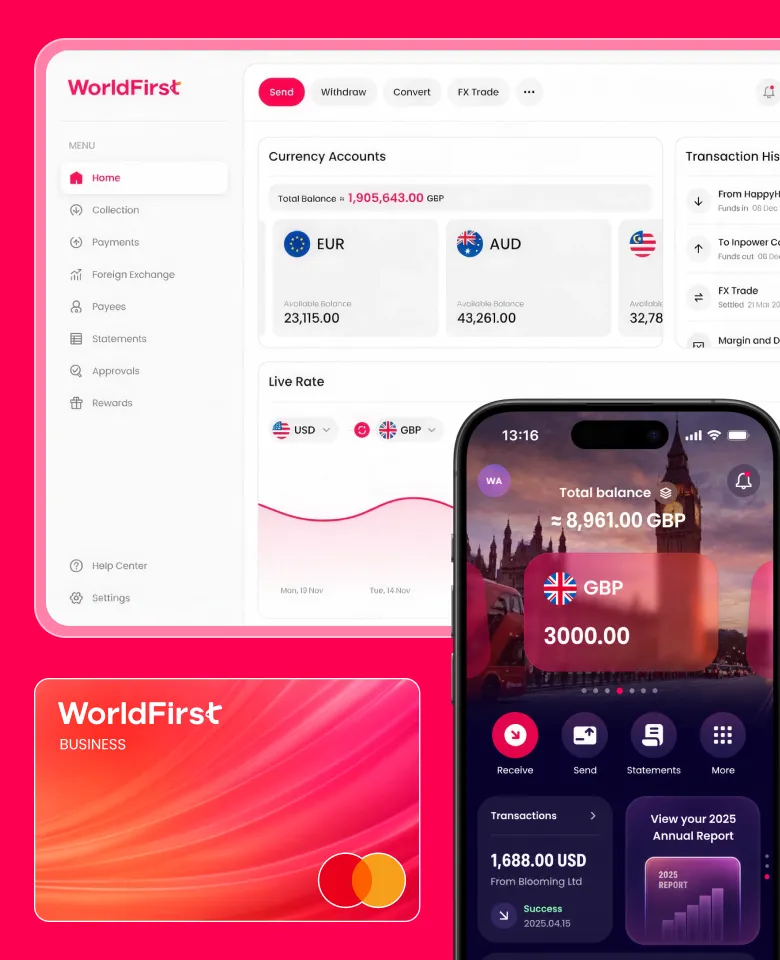
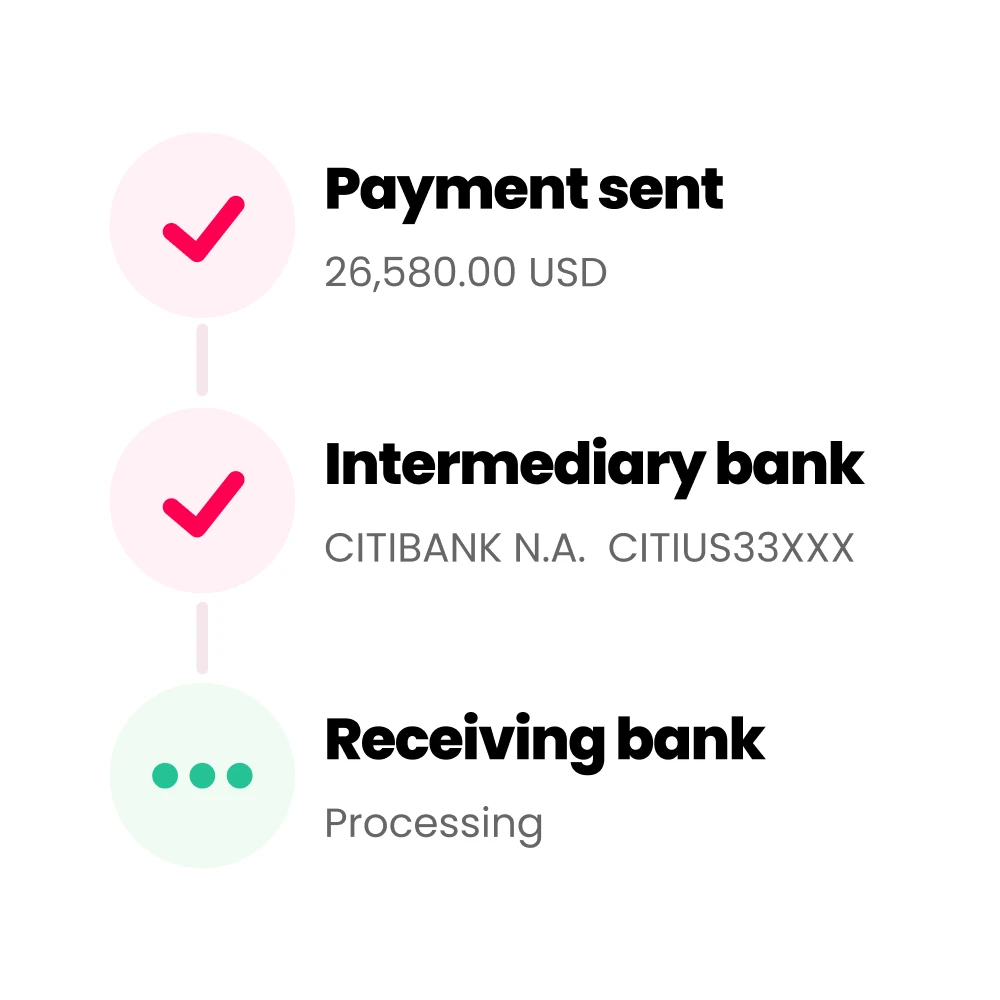
Multi-currency accounts, competitive FX, and global transfers — Everything you need to pay and get paid internationally
Built for faster payments, smarter liquidity, and robust compliance-all powered by our next-gen API toolkit and Al-native architecture.
Named a Top Global Fintech Company by CNBC & Statista, we’ve supported 1.5M+ businesses since 2004.

Europe

Asia

Oceania

Africa

We provide coverage in South Asia and Middle East: servicing 210+ countries and territories.

SWIFT vs SEPA: key differences for international payments

Contents

Choosing between Monzo and Revolut for business depends on how your company handles money: Monzo keeps UK account management simple, while Revolut offers more tools for currency exchange, company cards and international payments.

For UK businesses, that difference matters. The right account can affect how easily you manage expenses, receive customer payments, pay suppliers, convert currencies and control costs.

This guide breaks down Revolut vs Monzo for business accounts, fees, cards, international payments, currency tools and everyday company spending.

It also shows where both may fall short and why UK businesses that trade overseas often choose WorldFirst when they need more control over receiving, holding, converting and sending money across currencies.

Revolut vs Monzo: an overview

Here’s an overview of how Revolut and Monzo compare for UK businesses:

Revolut overview

Revolut is a UK-founded financial platform launched in 2015, originally built around faster foreign exchange and international money movement.

Revolut Business now focuses on multi-currency accounts, global payments, cards and spend management for companies that handle money across markets.

For this comparison, Revolut’s new UK banking status matters. Revolut Bank UK Ltd became a fully licensed UK bank in March 2026, regulated by the PRA and FCA.

Eligible deposits are protected by the FSCS up to £120,000 once customers move to Revolut Bank UK Ltd and customers can check their account status in the app during the transition.

Key features:

  • Multi-currency business account: Manage global payments, multi-currency accounts and company spending from one platform
  • International transfers: Send money in 35+ currencies to 150+ destinations
  • Currency exchange: Exchange 25+ currencies at the interbank rate, within plan allowance and during market hours
  • Team cards and spend controls: Issue cards, set spending rules and manage company spending across teams
  • Expense management: Track expenses, capture receipts and review spending from one account
  • Accounting integrations: Connect Revolut Business with tools like Xero to sync transactions, bills, expenses and invoices
  • UK banking status: Revolut Bank UK Ltd is authorised by the PRA and regulated by the PRA and FCA

Read more:

Monzo overview

Monzo is a UK digital bank founded in early 2015. It became a regulated bank in 2016 and now serves more than 15 million personal and business customers.

Monzo Business focuses on simple UK account management, making it useful for sole traders and limited companies that want everyday banking, invoicing, tax tools and accounting support without a traditional branch setup.

Key features:

  • UK business current account: Manage business finances through mobile and web access
  • Simple business plans: Choose from Lite, Pro and Team, with Pro from £9 a month and Team from £25 a month
  • Invoicing tools: Create, customise, send and chase invoices in the app or on the web
  • Tax Pots: Automatically set aside a percentage of income for tax and other large bills
  • Accounting integrations: Connect tools like Xero, FreeAgent, Sage and QuickBooks
  • Team spending tools: Give team members expense cards, set limits and capture receipts in the app
  • Eligibility: Available to UK sole traders and limited company directors

Revolut vs Monzo: fees

Business account fees matter more when small firms already face rising costs.

FSB data cited by SME Web in April 2026 found that 87% of small firms reported rising costs compared with the same period a year earlier, with 26% reporting double-digit increases.

For UK businesses, that makes the fee structure worth checking closely.

Revolut fees

Revolut Business pricing depends on the plan you choose. Higher tiers add more usage allowances and business controls, while Enterprise uses custom pricing.

Fees and costs include:

  • Monthly plan fee: Basic from £10/month, Grow from £30/month, Scale from £90/month, Enterprise custom
  • Payment acceptance fees: From 0.8% + £0.02
  • Local transfers: Basic includes 10 no-fee local transfers, Grow includes 100, Scale includes 1,000 and Enterprise is custom
  • ATM withdrawal limit: £3,000/day on Basic, £5,000/day on Grow, £10,000/day on Scale and Enterprise
  • Extra usage costs: Charges may apply when your business goes beyond what your plan includes

Monzo fees

Monzo Business is simpler for UK-focused companies.

Lite is free, while Pro and Team add tools for invoicing, tax, accounting, bulk payments and team spending.

Fees and costs include:

  • Monthly plan fee: Lite £0/month, Pro £9/month, Team from £25/month
  • UK bank transfers: Fee-free to send and receive
  • Cash deposits: £1 per deposit
  • Cash deposit limits: Sole traders can deposit up to £3,000/month and limited companies up to £10,000/month
  • Card payment acceptance: Stripe fees apply for card, Apple Pay, Google Pay and Tap to Pay payments
  • Cheque deposits: Under £500 in-app, above that by post

What this means for your business:

  • Revolut costs more upfront: The paid plans can make sense if your team uses spend controls, payment acceptance and higher account allowances
  • Monzo is easier to budget for UK admin: Lite keeps costs low, while Pro and Team add practical tools as the business grows

Revolut vs Monzo: FX rates

FX pricing can have a real impact on UK businesses that buy stock, pay suppliers, receive overseas revenue or subscribe to tools priced in another currency.

Bibby Financial Services’ Trading Places research, reported by Fintech Finance News in August 2025, found that 54% of UK SMEs trading overseas had been hit by exchange-rate volatility, with average losses of more than £53,000.

Small differences in the rate can quickly eat into margins, especially when your business converts money often or receives payments from abroad.

Revolut FX rates

Revolut Business gives companies more control over currency exchange.

Businesses can hold and exchange 25+ currencies and exchange at the interbank rate within their plan allowance during market hours. Revolut states that a 0.6% fee applies above the monthly plan allowance and an additional 1% fee applies outside market hours.

That means:

  • Interbank-rate exchange: Available within your monthly plan allowance during market hours
  • Plan-based FX allowance: Basic includes £1,000, Grow includes £15,000, Scale includes £60,000 and Enterprise is custom
  • Extra FX costs: A 0.6% fee applies above your plan allowance
  • Out-of-hours exchange: An extra 1% fee applies outside market hours
  • Currency tools: Limit orders, stop orders, rate alerts and FX Forwards can help businesses plan conversions more carefully

Monzo FX rates

Monzo Business keeps currency handling simpler, but it gives businesses fewer ways to manage FX directly.

For card spending abroad, Monzo uses the Mastercard exchange rate with no extra Monzo fee. For incoming international payments, Monzo converts accepted currencies into GBP before the money reaches your account and charges a 1% conversion fee, capped at £1,000 per transaction.

That means:

  • Foreign card spending: Uses the Mastercard exchange rate with no added Monzo fee
  • Incoming foreign-currency payments: Converted into GBP before they reach the account
  • Conversion fee: 1%, capped at £1,000 per transaction
  • Outgoing international payments: Monzo shows the exchange rate and fees before you confirm the transfer
  • Less currency control: Monzo is simpler for occasional FX use, but less flexible for businesses that want to hold and time conversions across currencies

What this means for your business:

  • Revolut gives more control over FX: It may work better if your business holds currencies, times conversions or manages recurring overseas costs
  • Monzo keeps FX simpler: It can work for occasional overseas spending or lower-volume international payments

Revolut vs Monzo: business features

Business banking features matter because payment admin can drain time and revenue. More than 70% of UK SMEs spend between 5 and 20 hours a week managing payment failures and related admin, while failed payments cost businesses an average of £159,500 a year.

For UK businesses, the right account should help you get paid, control spending, reduce manual admin and keep records ready for your accountant.

Revolut business features

Revolut Business brings payments, company cards, expenses and finance admin into one platform for growing teams.

It works well for businesses with teams, regular supplier payments, online sales or higher card usage.

Key capabilities include:

  • Company cards: Issue physical and virtual cards for team spending, with limits and controls for each user
  • Expense management: Let employees upload receipts, submit expenses and trigger approvals from the app
  • Payment acceptance: Accept online and in-person payments through a Revolut Merchant account, with Payment Links, Revolut Pay and invoices available
  • Invoices: Create and send invoices, then let customers pay by card or bank transfer
  • Accounting integrations: Connect accounting and business tools to reduce manual reconciliation
  • BillPay: Pull bills from accounting software or upload them directly, then extract payment and accounting details
  • API access: Automate payments, card issuing and finance workflows on supported plans

Monzo business features

Monzo Business focuses on simple UK business banking with practical admin tools.

It works well for sole traders and small limited companies that want an easy way to manage payments, invoices, tax savings, receipts and bookkeeping without a complex finance setup.

Key capabilities include:

  • UK business current account: Manage everyday business money through mobile and web access
  • Invoicing: Create, customise, send and chase invoices in the app or on the web
  • Payment links and QR codes: Give customers simple ways to pay without typing account details
  • Card payment acceptance: Accept card, Apple Pay and Google Pay payments through Stripe
  • Tax Pots: Set aside a percentage of income automatically for tax
  • Accounting integrations: Connect tools such as Xero, FreeAgent, Sage and QuickBooks on paid plans
  • Team access and expense cards: Add team members, set spending limits, view receipts and sync transactions with accounting tools

What this means for your business:

  • Choose Revolut if you need more control: It gives businesses stronger tools for spending, payment acceptance, expenses and finance workflows
  • Choose Monzo if you want simpler UK admin: It works well for invoicing, tax organisation, accounting links and basic team spending

Which one should you choose?

Choose Revolut if:

  • You want more business finance tools in one account: Revolut Business covers local and international transfers, payment acceptance and expense management from one platform
  • You manage team spending: Company cards, spending limits and approval controls make it easier to manage employee expenses
  • You accept customer payments online or in person: Revolut supports tools such as Payment Links, invoices, Revolut Pay and merchant payment acceptance
  • You need more international capability: Revolut works better than Monzo for businesses that regularly deal with overseas payments, cards and currency tools

Choose Monzo if:

  • You want simple UK business banking: Monzo works well for sole traders and limited companies that mainly need a business current account
  • You need invoicing and payment links: You can create, customise, send and chase invoices in the app or on the web
  • You want help with tax admin: Tax Pots and accounting tools help organise money for tax and bookkeeping
  • You use accounting software: Monzo connects with tools such as Xero, FreeAgent, Sage and QuickBooks on paid plans

Where Revolut and Monzo fall short for growing SMEs

As your business handles more payments, suppliers, team spending and overseas revenue, both accounts can start to feel limited in different ways:

  • Revolut can become plan-dependent: The stronger tools sit behind paid tiers, so the real value depends on how often your team uses cards, payments, approvals and account allowances
  • Monzo is more UK-admin focused: It keeps everyday banking simple, but it’s less suited to businesses that need deeper international payment and currency workflows
  • Neither is always the best fit for global trading: Businesses that regularly receive, hold, convert and pay across currencies may need a more specialised multi-currency setup

You may need:

  • Local account details to receive overseas payments more easily
  • Multi-currency balances to hold funds before paying suppliers
  • A single setup for collections and supplier payments
  • More control over currency and payment timing

Why UK businesses choose WorldFirst over Revolut and Monzo

Revolut and Monzo are strong digital banking options. But if your business earns, holds and pays money across currencies, WorldFirst gives you a more focused international payment setup.

WorldFirst helps businesses that trade across markets bring collections, currency holding, FX and supplier payments into one account.

WorldFirst isn’t a bank. It’s a regulated payments provider that offers a multi-currency World Account for businesses that operate internationally.

How a World Account supports international growth:

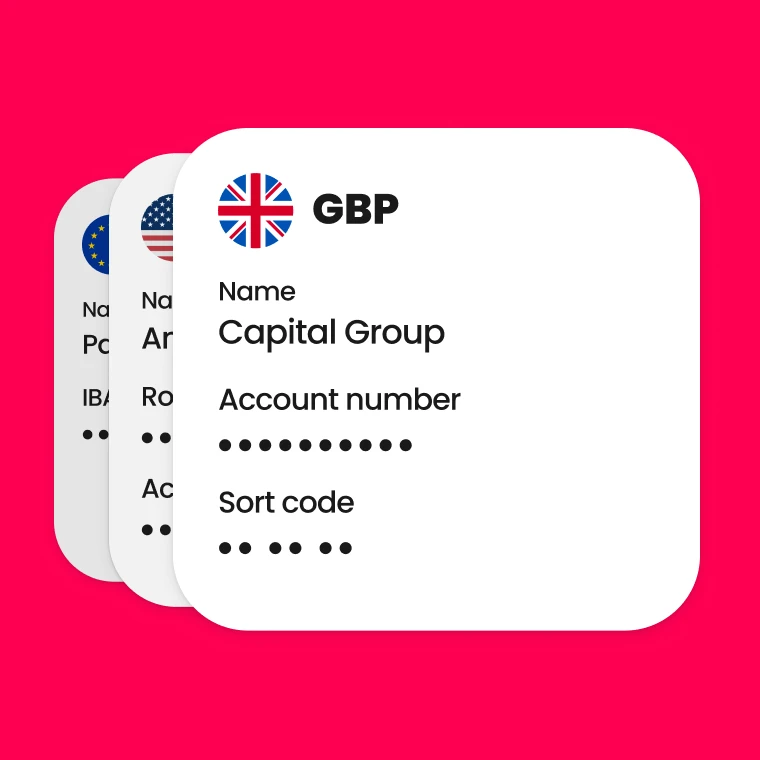
  • Receive payments in 20+ currencies: Get local account details to collect from overseas buyers, marketplaces and payment gateways more easily
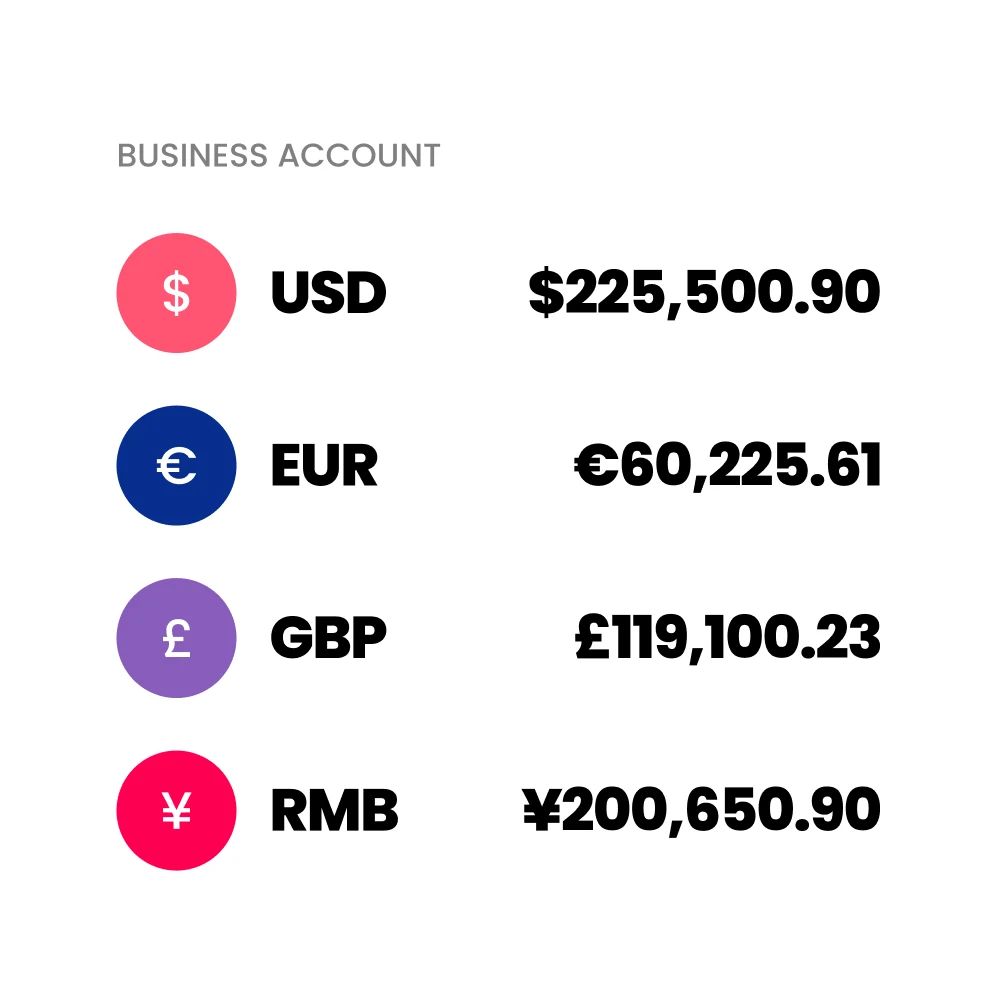
  • Hold 20+ currencies: Keep balances such as GBP, USD, EUR, JPY and CNH without forced conversion, which can help you manage cash flow across markets
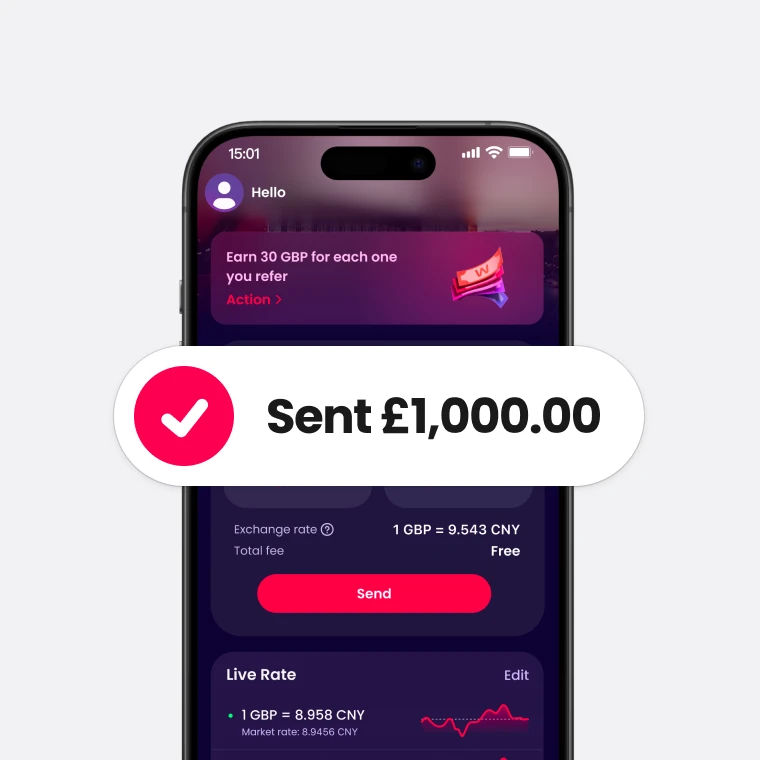
  • Pay suppliers globally: Send payments in 100+ currencies to 200+ countries from one account
  • Connect collections and payouts: Receive funds, hold currency, convert and pay suppliers from the same account instead of separating each step across different tools
  • Support marketplace sellers: Collect payments from marketplaces, overseas buyers and payment gateways using local bank details
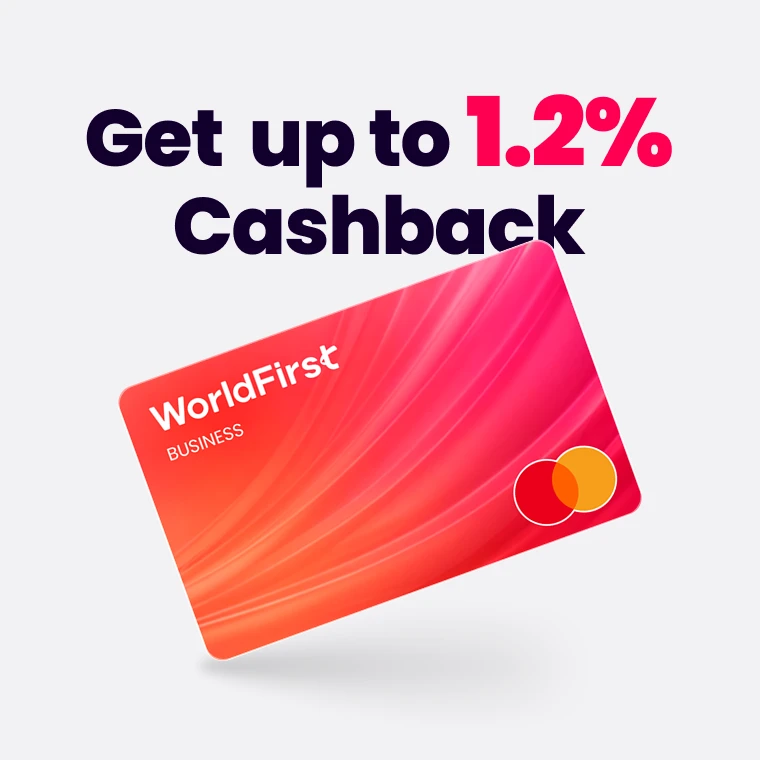
  • Use World Card for business spend: Earn up to 1.2% cashback on eligible spend and pay in 15 major currencies with 0% FX fees when you hold enough balance in that currency
  • Reduce fixed account costs: Businesses can open a free account online and receive payments in 20+ currencies with zero fees
  • Streamline reconciliation: Connect your World Account to Xero or NetSuite or use API access to reduce manual admin

Revolut vs Monzo vs WorldFirst

Feature / capability Revolut Monzo WorldFirst
Best fit Businesses that need cards, spend controls and broader finance tools UK-focused businesses that want simple banking, invoicing and tax tools Businesses that receive, hold, convert and pay across currencies
International payments Sends in 35+ currencies to 150+ destinations Supports international payments, with incoming accepted currencies converted to GBP Pays in 100+ currencies to 200+ countries
Currency holding Multi-currency account features available More limited, with incoming international payments converted to GBP Hold 20+ currencies with local account details
Local receiving details Available for business account use, depending on currency and account setup UK account details, plus IBAN for receiving international payments Local account details for 20+ currencies
Card spend Strong company card and expense controls Expense cards and team spending tools on Team plan World Card supports 15 major currencies with 0% FX fees when funded from balances
Accounting tools Accounting integrations and finance tools Xero, FreeAgent, Sage and QuickBooks on paid plans Xero, NetSuite and API options
Workflow coverage Spend, payments, cards and finance tools UK account admin, invoicing, tax and accounting Full cross-border flow: receive, hold, convert and pay

In conclusion, WorldFirst is a better fit if you:

  • Receive money from overseas customers, marketplaces or payment gateways
  • Hold balances in more than one currency
  • Pay suppliers, partners or contractors abroad
  • Want more control over currency and payment timing
  • Need one account for collections, FX and supplier payments
  • Use tools like Xero, NetSuite or APIs to reduce finance admin

Open a World Account today to receive, hold, convert and pay across currencies with more control.

Power your global growth with one account
Get local currency accounts, fast payments and competitive FX – all in one place.

FAQ

1. Is Monzo better than Revolut for business?

Monzo can be better for sole traders and small UK limited companies that mainly use GBP. Revolut is stronger for businesses that need multi-currency accounts, international payments and more team-spend controls.

2. Can I use Monzo for international business payments?

Yes. Monzo Business can support international payments, but foreign-currency payments are converted into GBP before they reach your account.

3. Are there limits on how much I can send or receive with Revolut and Monzo?

Yes. Revolut and Monzo may apply limits based on your account type, plan, payment method and security checks. These limits can vary, so check the app or your account terms before sending or receiving larger business payments.

Sources:

  1. https://www.smeweb.com/april-costs-crunch-could-wipe-out-small-business-confidence-government-warned/
  2. https://ffnews.com/newsarticle/tradetech/smes-hit-hard-by-53000-loss-from-currency-fluctuations
  3. https://startups.co.uk/news/failed-transactions/
  4. https://www.worldfirst.com/uk/blog/international-transactions/revolut-review/
  5. https://monzo.com/business-banking
  6. https://www.revolut.com/business/
  7. https://www.worldfirst.com/uk/

Lawrence Bennett is UK Country Manager at WorldFirst. He brings 15+ years of experience across fintech, ventures and e-commerce.

Lawrence Bennett

Author

Country Manager, WorldFirst UK

Continue reading

Subscribe

The Weekly Dispatch

Get the latest news and event invites. Signup for our weekly update from the worlds of fashion, design, and tech.


Pay your suppliers around the world. Collect payments for free in 20+ currencies. Convert when it suits you. All in one place.

The simpler way to pay and get paid

Save money, time, and have peace of mind when expanding your global business.

Sorry, our accounts are currently available for business use only.

Pay in 15 currencies with World Card, no FX fees

Enjoy zero FX fees when paying in the following 15 currencies with World Card.

Send money in 100+ currencies

You can send money in your WorldFirst account to any of the currencies we support.

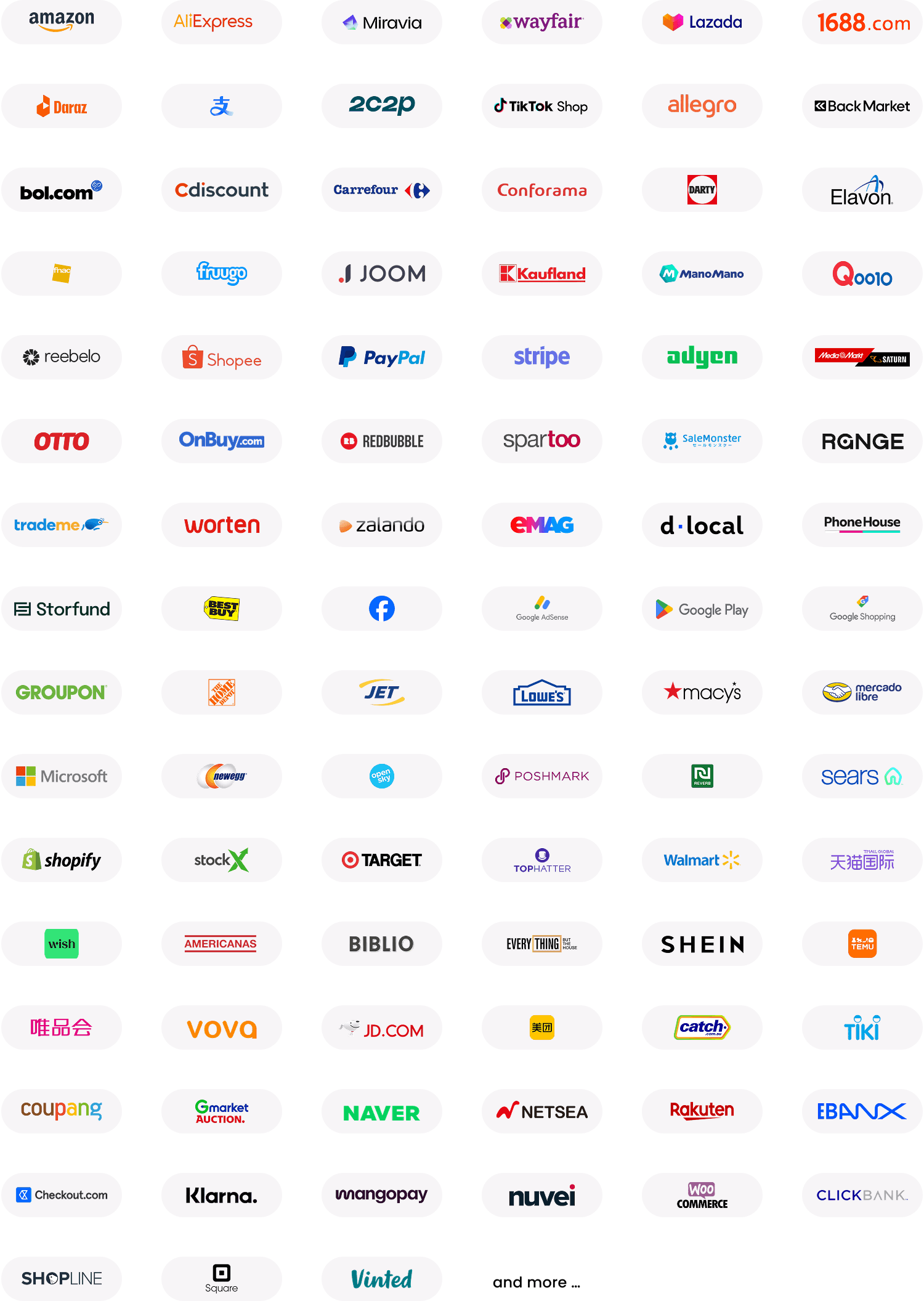
Get Paid by 130+ marketplaces

Seamlessly get paid by 130+ marketplaces and pay your suppliers anywhere.

Collect money in 20+ currencies

You can collect money in 20+ currencies. It only takes a few minutes to open an account in the currency you need.