Multi-currency accounts, competitive FX, and global transfers — Everything you need to pay and get paid internationally

WorldFirst Enterprise
Built for faster payments, smarter liquidity, and robust compliance—all powered by our next-gen API toolkit and AI-native architecture.

Named a Top Global Fintech Company by CNBC & Statista, we’ve supported 1.5M+ businesses since 2004.

Europe

Asia

Oceania

Africa

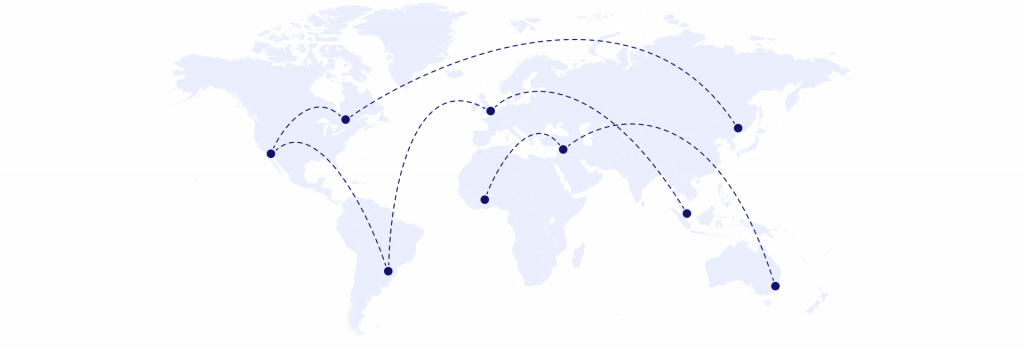
We provide coverage in South Asia and Middle East: servicing 210+ countries and territories.

Global business expansion

Expand your business into new markets and discover how to make international expansion a success with our insightful guides.

We’ve weighed up the pros and cons of setting up a business in the Netherlands. So, could it work for you?
With great locations to work from and a huge potential audience, could the US be the right fit for your business?
Logistics can prove tricky, but vibrant cities and booming tourism could make New Zealand an appealing business base.
Well-connected cities are paired with high living costs, but what else should you know ahead of expanding your business to Japan?
Efficient transport, high living standards and borders with France, Germany and Italy make Switzerland ideal for business – but are there any red flags?
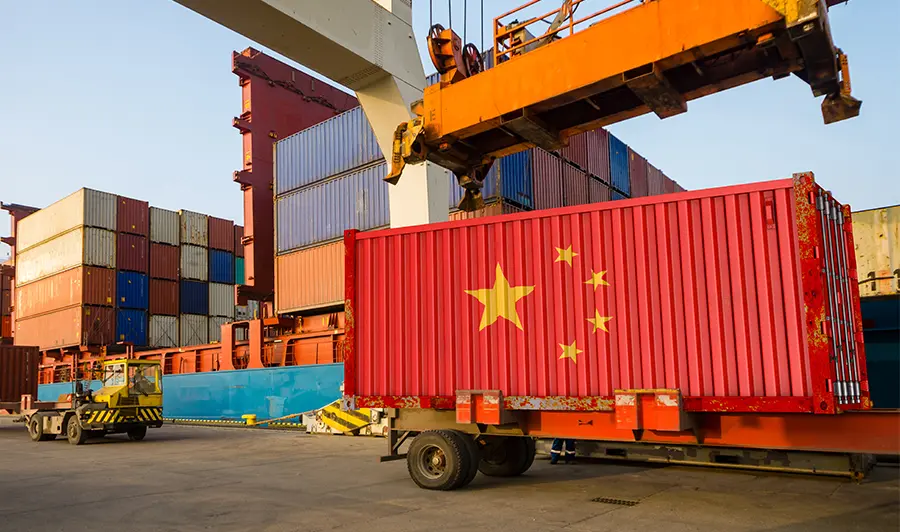
From making payments to understanding currencies, we’ve outlined four key steps to help your business start trading with China.
USD is often the default currency when paying Chinese suppliers. So why should you consider paying your suppliers in their local currency?
Businesses trust WorldFirst
  • Almost 1,500,000 businesses have sent US$500B+ around the world with WorldFirst and its partner brands since 2004
  • Your money is safeguarded with leading financial institutions

Sorry, our accounts are currently available for business use only.

Stream A

Death, taxes and expanding to the U.S.

This session will cover the basics of what your key tax obligations are and answer questions

such as:

  • What are the biggest mistakes businesses make when expanding to the US (from a tax perspective)?
  • How to avoid penalties: what happens if you don’t comply? How to stay ahead of changing regulations?
  • How to keep tax compliance from being a bottleneck?
  • What resources or tools can businesses use to manage tax compliance without an in-house expert?
  • At what stage should businesses invest in tax automation software?
  • How can automation help prevent tax errors?