




















About WorldFirst
Resources
More brands of Ant International
This country is supported by WorldFirst affiliates, Zyla
We provide coverage in South Asia and Middle East: servicing 210+ countries and territories.

Home > Blogs > Business insights and news > Mastercard foreign transaction fees explained
Learn more about how foreign transaction fees work with Mastercard, when they apply, and how to reduce them
Any business that pays for overseas suppliers, SaaS subscriptions, ad platforms or business travel on a Mastercard is paying two costs: the payment itself, and the fee to convert AUD into the currency of the transaction. The second cost is the foreign transaction fee, and it’s charged for every transaction. Some card providers charge a percentage of the total transaction amount, others charge a fixed amount.
This guide breaks down how the Mastercard foreign transaction fee is calculated, when it applies, and the practical options to save more.
A foreign transaction fee is a surcharge on any card transaction that involves currency conversion or an overseas merchant. It applies whether you’re physically overseas, buying online from a foreign vendor, or paying an Australian-registered merchant whose payment processor is located overseas.
There are two types of fees generally charged when you are making an international transfer using a single currency Mastercard.
The fee is triggered by two conditions, either of which can apply on its own.
A currency conversion is involved: Any transaction where the card charges in one currency and the merchant is billed in another triggers Mastercard’s currency conversion charge, plus the issuer’s markup. This applies whether the conversion happens at a merchant terminal overseas, on an international e-commerce checkout, or on a subscription that renews in a foreign currency.
The transaction is processed through an overseas merchant or payment processor: The location of the payment processor determines whether the transaction counts as international, not the currency of the transaction itself or where the merchant appears to be based. This means a payment charged in AUD to a merchant with an Australian-looking domain can still attract the foreign transaction fee if it’s processed offshore.
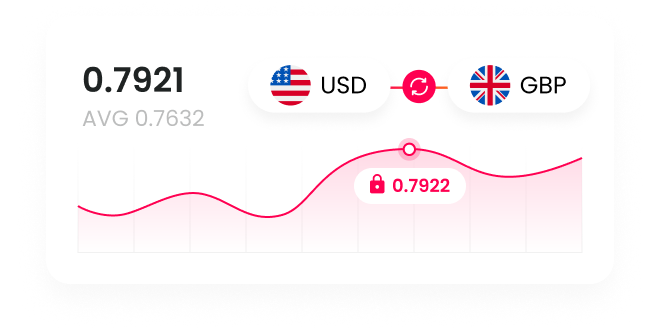
Mastercard publishes daily wholesale exchange rates that are used at the point of transaction authorisation. These rates sit close to interbank rates which are the rates that major financial institutions use when trading currencies with each other.
You can check Mastercard’s rate for any date and currency pair using the Mastercard Currency Converter, an online tool where you input the transaction date, amount, currencies and your issuer’s markup. It returns an estimated total in your card’s home currency.
The World Card is a Mastercard-powered business payment card linked to the World Account. It’s designed for businesses that regularly transact in foreign currencies.
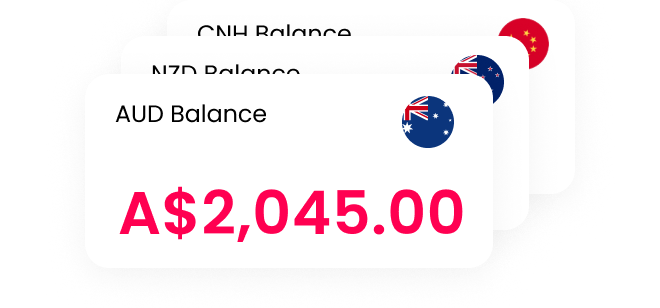
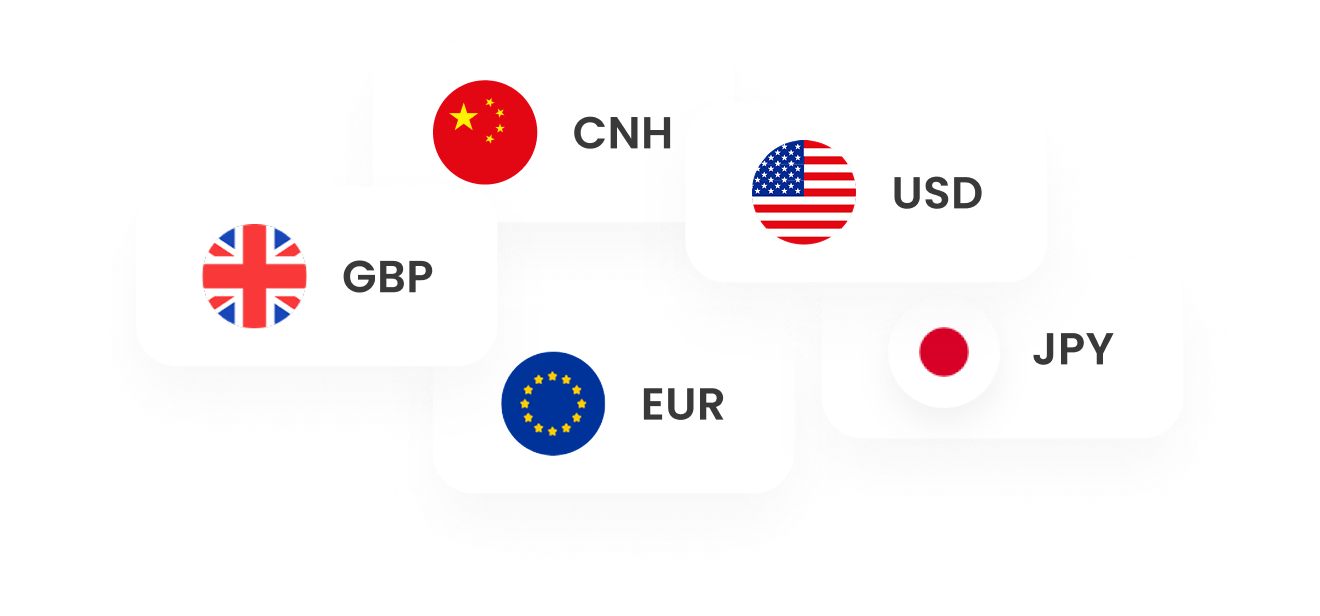
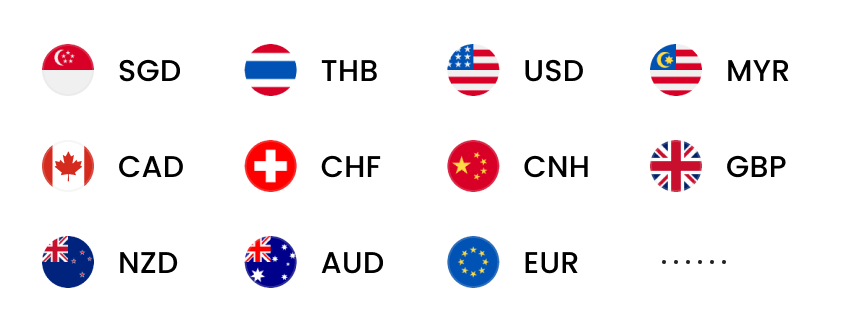
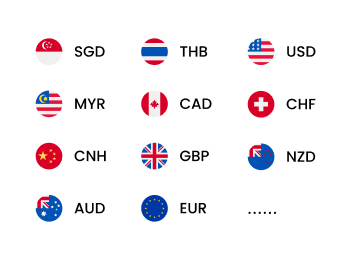
When you pay in one of 15 supported currencies and hold a sufficient balance in that currency in your World Account, the transaction is deducted from that balance directly and there’s no foreign transaction fee.
For a business that receives USD from international clients or marketplaces and pays for USD-billed software or suppliers, the same USD balance can be received, held and spent without conversion in either direction.
The card can also be used to pay in 150+ currencies wherever Mastercard is accepted, and businesses can issue up to 20 cards at no additional cost with per-card spending controls.
Beyond the card itself, the World Account gives businesses:
| World Card | |
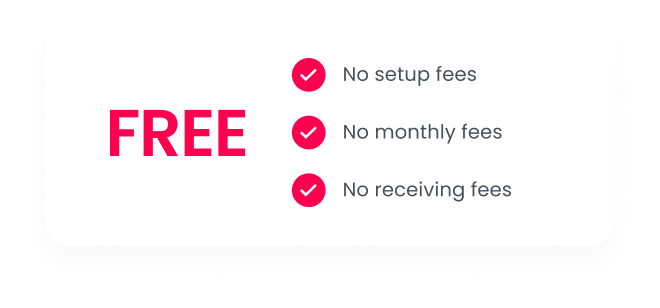
| Card issuance fee | Zero for all cards |
| Annual fee | Zero |
| Recharge / Top-up fee | Zero |
| Fees for card transactions | 15 major currencies (e.g. USD, GBP, EUR, CNH, AUD): Zero, as long as you have enough balance in that currency
Other WorldFirst supported currencies: WorldFirst FX fee applies WorldFirst For unsupported currencies: Mastercard exchange rate + WorldFirst margin of up to 1.5% (for Mastercard’s exchange rates, refer to their currency conversion calculator) |
| Account opening fee for multi-currency account linked to the card | Zero (15+ currencies) |
Mastercard applies a currency conversion charge at the network level, but the larger portion of what cardholders pay is added by the issuing bank. The total fee on your statement is usually the combined amount.
If the merchant or its payment processor is located overseas, the transaction is processed offshore even when the amount is in AUD. Many Australian card issuers apply the international transaction fee in this case.
Mastercard publishes a Currency Converter tool on its website. You can enter the transaction date, amount, currency pair and any issuer markup to see the estimated rate that would apply.
The information contained is general only and largely our views. Before acting on the information you should consider whether it is appropriate for you, in light of your objectives, financial situation or needs. Although information has been obtained from and is based upon multiple sources the author believes to be reliable, we do not guarantee its accuracy and it may be incomplete or condensed. All opinions, estimates, mentioned products/services and referenced material constitute the author’s own judgement as of the date of the briefing and are subject to change without notice. WorldFirst shall not be responsible for any losses or damages arising from your reliance of such information.
Choose a product or service to find out more
Save money, time, and have peace of mind when expanding your global business.
© 2026, Ant International or its affiliates