



















About WorldFirst
Resources
More brands of Ant International
This country is supported by WorldFirst affiliates, Zyla
We provide coverage in South Asia and Middle East: servicing 210+ countries and territories.

Home > Blogs > Importing from China > How to import products from China to Australia
Planning to import products from China? This guide covers what to source, how to find suppliers, shipping costs, and the most cost-effective ways to pay Chinese suppliers.

Importing from China gives Australian businesses access to broad product ranges, competitive manufacturing costs and mature export infrastructure. China is Australia’s largest trading partner, and the China-Australia Free Trade Agreement (ChAFTA) has removed tariffs on more than 82% of imported goods by value
The import process involves more than just placing an order. You need to find the right suppliers, calculate landed costs, navigate customs, and pay suppliers. This guide walks through all of these key steps
China’s manufacturing base covers nearly every product category. For Australian importers, the most common categories include:
Some categories require import permits or special certifications before goods can clear Australian customs. You should make sure to check the Australian Border Force website for the current list before finalising an order.
There are three main routes for Australian businesses looking to source products in China
These can be a great way to find new suppliers and compare pricing at scale, especially if you are new to sourcing from China. 1688.com and Alibaba are the two main online B2B marketplaces to start your search.
1688.com is the domestic wholesale marketplace used majorly by Chinese buyers. While you can get access to wholesale prices, the website is entirely in Mandarin and support for international cards is limited. Learn more about how to place an order on 1688 from outside China
Alibaba.com is focused more on overseas buyers which is why it comes with English-language listings, international payment methods, and support for international shipping.
→ Take a look at our Alibaba buying guide to learn more
Attending trade fairs in China gives you something the online platforms cannot: face-to-face access to manufacturers, product samples on the spot, and the ability to see the scale and quality of a supplier’s operation.
Trade fairs also let buyers negotiate in real time, build relationships that translate into better commercial terms, and spot new product trends before they hit international markets.
The Canton Fair, held twice a year in Guangzhou, is the largest and most well-known trade event in China, covering thousands of exhibitors across nearly every consumer category.
For buyers new to importing or dealing with a language barrier, a sourcing agent acts as a local intermediary. Agents handle supplier identification, price negotiation, quality inspections, factory audits and logistics coordination on the buyer’s behalf. Most agents charge a commission on the total order value, depending on scope and complexity.
Here are the three main shipping methods that you can consider
Sea freight is generally the most cost-effective option for larger shipments and is the default choice for businesses importing at scale. But it is also the slowest of the three options, with lead times typically measured in weeks rather than days.
Air freight is significantly quicker than sea, but it’s also costlier. It suits high-value goods, time-sensitive orders, or smaller shipments where the speed premium is worth paying. Lead times are typically measured in days, and pricing scales with the weight and dimensions of the shipment.
Express courier services handle door-to-door delivery through providers like DHL, FedEx and UPS. It’s the quickest option and is generally used for samples, urgent restocks and smaller parcels, rather than full production runs.
Suppliers in mainland China typically want to be paid in CNH or USD, since AUD often means the supplier absorbs the conversion themselves and passes the cost back through pricing.
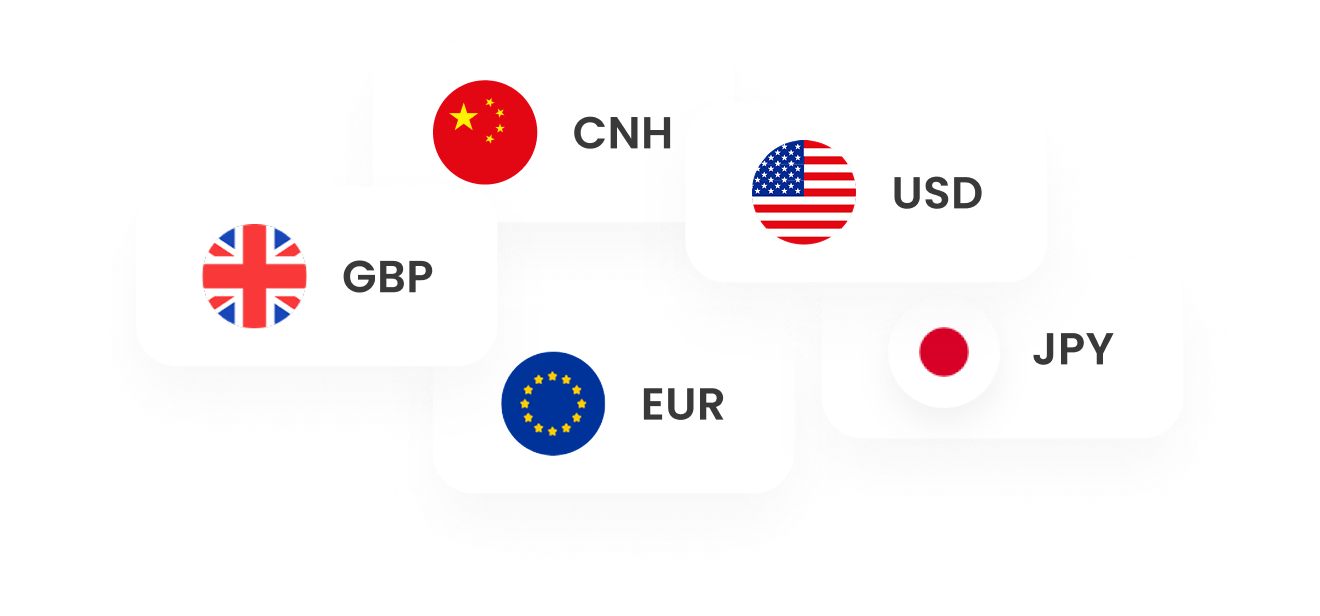
WorldFirst is an international payments provider that helps Australian businesses manage cross-border payments. The World Account is a multi-currency account that supports 20+ local currency accounts including CNH, USD, GBP, EUR, and more.
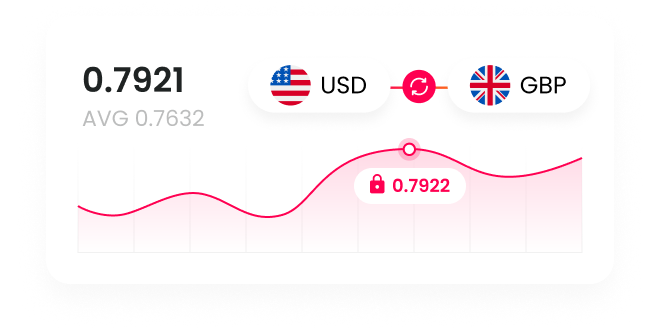
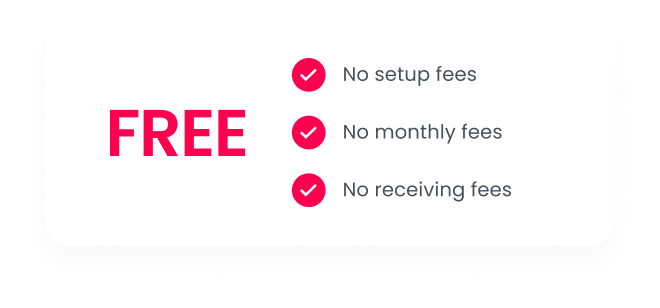
Here’s how the World Account fits into a China import operation:
The information contained is general only and largely our views. Before acting on the information you should consider whether it is appropriate for you, in light of your objectives, financial situation or needs. Although information has been obtained from and is based upon multiple sources the author believes to be reliable, we do not guarantee its accuracy and it may be incomplete or condensed. All opinions, estimates, mentioned products/services and referenced material constitute the author’s own judgement as of the date of the briefing and are subject to change without notice. WorldFirst shall not be responsible for any losses or damages arising from your reliance of such information.
Based in Sydney, Jim is responsible for the WorldFirst business across Australia and New Zealand. He brings with him over 25 years of experience helping Business Owners, CFO’s and Treasury Managers overcome the challenges with cross border payments and navigating volatile foreign exchange markets.
Jim Vrondas
Author
Choose a product or service to find out more
Save money, time, and have peace of mind when expanding your global business.
© 2026, Ant International or its affiliates