


Built for faster payments, smarter liquidity, and robust compliance-all powered by our next-gen API toolkit and Al-native architecture.
Named a Top Global Fintech Company by CNBC & Statista, we’ve supported 1.5M+ businesses since 2004.

Europe

Asia

Oceania

Africa

We provide coverage in South Asia and Middle East: servicing 210+ countries and territories.

12 questions to ask when opening a business bank account

Contents

The main questions to ask when opening a business bank account cover fees, payment methods, transfer speed, FX rates, card controls, support and accounting integrations.

At the start of 2025, the UK had 5.7 million private-sector businesses, of which 5.64 million were small businesses.

For many SMEs, the right business account can make day-to-day finance easier from the start, by separating business and personal spending, tracking cash flow, paying suppliers and preparing cleaner tax records.

But the right choice depends on how your business operates.

This guide covers the key questions to ask when opening a business bank account, so you can compare fees, payment options, FX rates and everyday controls before you choose a provider.

Quick summary of questions to ask before you apply for a business bank account:

  • What type of account do I need?
  • What documents do I need to apply?
  • What fees will I pay?
  • What payment methods and limits apply?
  • What FX rate will I get?
  • Can I receive, hold and pay in the currencies I use?
  • How fast are domestic and international payments?
  • What cards and spending controls does the account include?
    Does it connect with my accounting or finance tools?
  • How safe is my money and what protections apply?
  • What support can I get if something goes wrong?
  • Will the account still work as my business grows?
Power your global growth with one account
To manage global payments, currencies and business spend from one place.

What should you ask before opening a business bank account?

Start with how customers pay you, how often you pay suppliers, which currencies you use, who needs account access and which finance tools your team already relies on.

Here are the 12 questions to ask before opening a business bank account, so you can compare providers based on how your business actually earns, spends and grows:

1. What type of business account do I actually need?

Start by asking what you need the account to do. Most businesses use more than one financial product, especially once they accept card payments, hold reserves or trade internationally.
Common options include:

  • Business current account: An everyday account for sending and receiving payments, paying suppliers, managing direct debits, handling payroll and keeping business money separate from personal spending
  • Business savings account: A separate account for setting aside cash for taxes, reserves, planned purchases or future investment
  • Merchant services or payment gateway: A service that helps you accept card payments, online payments or checkout payments from customers
  • Multi-currency business account: An account for businesses that send, receive or hold money in different currencies. It can help you avoid converting every overseas payment back to GBP straight away

Which one you need depends on how your business works:

  • If you only trade in GBP, a standard business current account may cover your day-to-day needs
  • If you pay overseas suppliers, look at supported currencies, transfer fees, FX rates and payment speed early
  • If you receive money from overseas customers or marketplaces, check whether the account allows you to receive, hold and convert foreign currency
  • If you sell online, you may need a business account and a payment gateway or a marketplace payout setup
  • If you import, export or work globally, a multi-currency account can give you more control over FX costs and supplier payments

2. What documents do I need to open the account?

Banks and providers must comply with UK identity and anti-money laundering rules. Usually, you’ll need both personal and business documents. Typically:

  • Proof of identity for each owner/partner/director: passport, UK driving licence, etc.
  • Proof of address: recent utility bill, council tax bill, bank statement or mortgage statement (usually less than 3–12 months old)
  • Business details: your legal business name and trading name (if different), business registration number and registered address
  • Company documents (for limited companies): Companies House certificate or registration, details of directors and shareholders
  • Business activity and finance info: description of what you do, date trading started, estimated turnover and number of transactions. Some banks ask for a business plan if you’re new

UK government guidance confirms that you usually need to be:

  • 18 or over
  • A UK resident
  • A sole trader, company director or partner

3. What are the monthly fees and transaction charges?

Compare the total cost of banking, not just the headline fee. Many accounts charge a monthly fee plus fees for actions you take.

Typical charges to check:

  • Monthly fee: Some accounts have a fixed monthly charge; others may waive it if you keep a minimum balance. Some digital banks offer free accounts with pay-per-transaction pricing
  • Transaction fees: Charges per payment (Faster Payments, CHAPS, BACS), per incoming transfer or per withdrawal
  • Cash and cheque fees: If your business handles cash or cheque deposits, check the deposit fees or limits. Some banks charge per deposit if you use a branch or post office
  • ATM and debit card fees: If you travel or withdraw cash, see if foreign ATM withdrawals or card transactions incur fees
  • International fees: Essential for global businesses. There may be a flat fee or a percentage for sending or receiving overseas
  • Account extras: Additional card fees, charges for extra users, paper statements or premium services (e.g., payrolls or overdrafts)

4. What FX rate will I get on international payments?

The exchange rate can affect your international payment costs as much as any flat transfer fee.

The Bank of England reported that average daily UK FX turnover reached US$4.045 trillion in April 2025, a record high and a 26% increase compared with October 2024. For businesses that pay overseas suppliers, receive foreign currency or convert balances, FX pricing is worth checking before you open an account.

Ask the provider to show you the exchange rate before you send money. Key questions include:

  • Is there a visible FX markup? Some providers show their margin clearly before you convert. Others may build the cost into the exchange rate
  • Is there a separate transfer fee? An account may advertise low or no transfer fees but still charge a fee for currency conversion
  • Can I hold foreign currency instead of converting straight away? If you receive USD and later pay a supplier in USD, holding that balance could help you avoid unnecessary conversions
  • Can I lock in rates? For larger purchases or planned supplier payments, ask about tools that help you manage FX movements and budgets

5. Can I receive, hold and pay in the currencies my business uses?

Currency coverage matters if your business sells abroad, sources from overseas suppliers or works with international marketplaces.

Some accounts let you send money in many currencies, but only receive or hold a smaller set. Others may let you receive foreign currency but convert it to GBP straight away, which can reduce control over timing and FX costs.

Focus on what the account actually lets you do with each currency:

  • Receiving: Can you get paid in that currency and how?
  • Holding: Does the account let you hold a balance in that currency instead of forcing immediate conversion?
  • Paying: Can you pay suppliers in their currency directly from that balance? Or will you always need to convert to GBP first?

6. How fast are local and international payments?

Payment speed can affect cash flow and supplier relationships. Slow payments can delay stock, supplier work or shipments.

Here’s what to check:

  • Domestic (UK) payments: Many UK banks use Faster Payments (almost instant) or CHAPS (same-day for high values). Ask your provider’s cut-off times and if weekends/bank holidays affect them
  • International payments: Speed varies widely. Traditional SWIFT transfers can take 2–5 business days or more
  • Tracking and updates: Choose an account that shows payment status
  • Cut-off times: A payment initiated after the cut-off may wait until the next day. Ask your provider for daily cut-off times by currency

7. Are there limits on payments, deposits, withdrawals or balances?

Banks and providers often set limits, especially for new accounts. Check:

  • Transfer limits: Daily or monthly caps on how much you can send (domestic and international)
  • Balance limits: Some multi-currency accounts set maximum balances per currency
  • Card limits: Per-transaction or monthly spend limits on any debit cards or virtual cards
  • Cash deposit limits: How much cash you can deposit (often only at branches for UK banks)
  • Foreign exchange limits: Some accounts require approval for very large currency exchanges

8. What card features and spending controls can I use?

Business cards can help you manage travel, software, advertising, subscriptions and team expenses.

Most business accounts offer a debit card, but features differ:

  • Virtual vs. physical: Some providers offer virtual cards (for online spend) in addition to or instead of, physical cards
  • Individual cards: Can you issue cards to employees or contractors? Can you set each card’s spend limit or merchant category?
  • Spending controls: Some services allow blocking certain merchant categories, freezing cards instantly via an app or requiring approvals for high spend
  • Fees: Are there fees for card issuance or FX on card purchases?
  • Rewards: Check if the account or card offers cashback or reward points
  • Integration: Do card transactions automatically sync to your accounting system or do receipts need manual entry?

9. Does the account connect with my accounting and finance tools?

An account that integrates with your software will save time:

  • Accounting software: Does it link with Xero, QuickBooks, NetSuite or others?
  • Export formats: If no direct link, can you download transactions in CSV or OFX format with clear references?
  • Marketplace and payment platforms: If you sell online, check support for platforms like Shopify, Amazon, PayPal, Stripe, WooCommerce, etc.
  • User roles: Can you set different permissions for owners, accountants or staff?

10. How safe is my money and what protections apply?

Banks, payment institutions and e-money providers can all offer business finance services, but they do not always give you the same type of protection.

From 1 December 2025, FSCS deposit protection increased to £120,000 for eligible deposits held with a UK-authorised bank, building society or credit union, per eligible person and per authorized firm.

That does not mean every business account or financial product qualifies. Check the provider’s terms, regulatory status and protection model before you apply.

Ask:

  • Is the provider a bank, a payment institution or an e-money provider?
  • Which regulator oversees it?
  • Do eligible deposits qualify for FSCS protection?
  • If FSCS protection does not apply, how does the provider safeguard customer funds?
  • What fraud controls does the account include?
  • Does the account support multi-factor authentication?
  • Can you set user roles, permissions and approval limits?
  • Can you receive alerts for unusual activity?

11. What support will I get when something goes wrong?

Good customer service can save your business hours if a payment issue occurs. Consider:

  • Support channels: Can you call, live chat or email? What about UK vs overseas helplines?
  • Availability: Are they open 24/7 or only during business hours? If you work late or in different time zones, wider hours help
  • Dedicated support: Do you get an account manager or just generic support? Larger businesses may get a dedicated rep
  • International issues: If an international payment is held or returned, is there specialised support to resolve cross-border issues?
  • Dispute process: How do they handle incorrect payments or fraud? Is there an easy investigation process?

12. Will the account still work as my business grows?

Choose an account that can keep up as your business adds more customers, suppliers, markets and payment needs.

Switching later can create extra admin, especially if you need to update invoices, supplier records, direct debits, marketplace payouts and accounting connections.

Think beyond what you need today:

  • Can you add more users, teams or business entities without creating a messy setup?
  • If your monthly transactions or balances increase, will the fees, limits and approval controls still work for you?
  • Can you easily add new currency accounts or does every change require extra paperwork?
  • Can you pay a larger supplier base, both in the UK and overseas, without extra admin or unclear costs?
  • If you later need multi-currency cards, bulk payments, stronger user permissions or FX tools, can you access them from the same account?

When to consider a multi-currency business account

A multi-currency business account can help if your business regularly pays, receives or holds money in different currencies.

It’s worth considering if you:

  • Pay overseas suppliers, vendors or contractors: For example, you may need to pay suppliers in China, India, the US or the EU
  • Sell through global marketplaces: Marketplace payouts may arrive in USD, EUR, AUD or other currencies, depending on where you sell
  • Receive foreign currency from customers or partners: If customers pay you in USD, EUR, AUD, HKD or another currency, holding that balance can give you more control
  • Want to avoid forced conversions: Instead of converting every payment into GBP straight away, you can hold foreign currency and convert when it works for your business
  • Need a clearer view of international cash flow: Managing several currencies in one place can make it easier to track balances, payments and upcoming supplier costs
  • Plan to expand abroad: Local account details can help you receive payments in key markets without opening a local bank account in each country

How WorldFirst helps answer key business account questions

For UK SMEs that trade only in GBP, a simple business current account may be enough. But if your business pays overseas suppliers, receives marketplace payouts, holds foreign currency or wants more control over FX timing, WorldFirst can answer many of the key questions to ask when opening a business bank account.

WorldFirst offers the multi-currency World Account, giving you one place to manage global payments with clearer control over when and how you convert.

WorldFirst isn’t a bank. It’s an FCA-authorised platform designed for businesses that operate across borders.

With a World Account, you can:

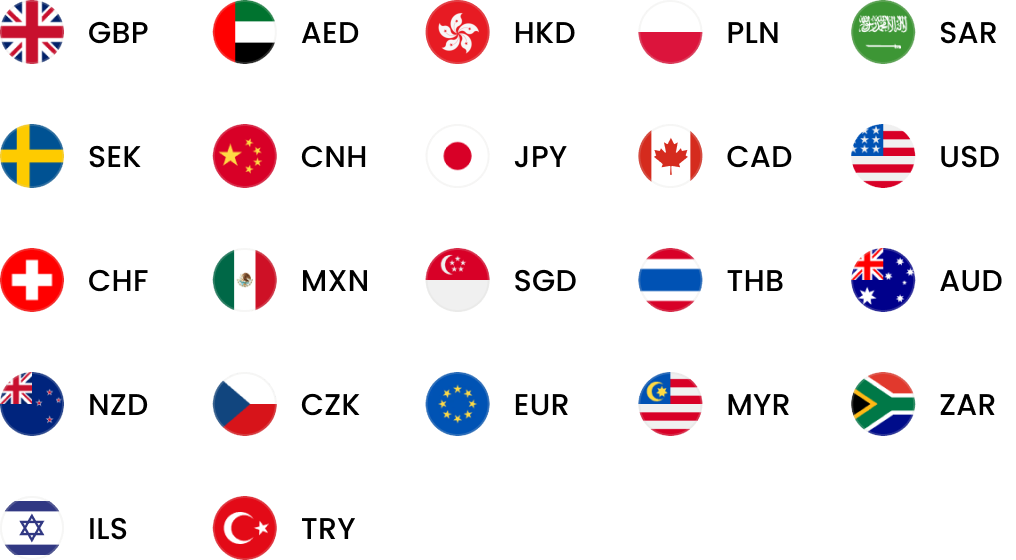
  • Receive funds in 20+ currencies: Get paid like a local with local account details in key currencies, including GBP, USD, EUR, AUD, CNH, HKD and JPY
  • Hold balances in 20+ currencies: Keep foreign currency in your account instead of converting every payment back to GBP straight away
  • Send payments in 100+ currencies: Pay suppliers, contractors and partners in more than 100 currencies across 200+ countries and territories. 80% of payments land on the same day
  • Use local payment networks where available: Local rails can help reduce friction compared with relying only on traditional cross-border routes
  • Manage FX more clearly: WorldFirst shows exchange rates before you convert or send, with pricing based on the interbank rate plus a markup
  • Use World Card for business spending: World Card offers 0% FX fees when you pay from matching balances in 15 major currencies, plus up to 1.2% cashback on eligible spend
  • Connect your finance tools: World Account supports account management, team permissions and connections to accounting software to help reduce manual reconciliation work
  • Support marketplace and online sales: WorldFirst lets businesses collect payments from 100+ marketplaces worldwide, helping online sellers manage international revenue in one place
Power your global growth with one account
To manage global payments, currencies and business spend from one place.

FAQ

1. Can I open a business bank account online in the UK?

Yes, many UK banks and financial providers let you apply online. You’ll usually need to provide personal ID, proof of address, business details and information about how your business earns money.

2. Can I have more than one business account?

Yes, many businesses use more than one account. For example, you may use one account for everyday UK payments, another for tax reserves and a multi-currency account for international payments.

3. Can a non-UK resident open a business bank account in the UK?

Some UK banks and providers may accept non-UK residents, but requirements vary. Many will ask for a UK-registered business, proof of identity, proof of address, company documents and details about where the business trades. If you live outside the UK, check the provider’s eligibility rules before you apply.

Sources:

  1. https://www.gov.uk/government/statistics/business-population-estimates-2025/business-population-estimates-for-the-uk-and-regions-2025-statistical-release
  2. https://www.bankofengland.co.uk/markets/london-foreign-exchange-joint-standing-committee/results-of-the-semi-annual-fx-turnover-survey-april-2025
  3. https://smallbusiness.co.uk/opening-a-business-bank-account-how-to-and-best-accounts-2544920/
  4. https://www.business.gov.uk/support/business-tax-and-reporting/getting-a-business-bank-account/
  5. https://www.fscs.org.uk/what-we-cover/banks-building-societies-credit-unions/deposit-limit-increase/
  6. https://www.worldfirst.com/uk/

Shawn Ma leads business development at WorldFirst UK, with a deep expertise in fintech, risk management and cross-border commerce.

Shawn Ma

Author

Head of Business Development, WorldFirst UK

Continue reading

Pay your suppliers around the world. Collect payments for free in 20+ currencies. Convert when it suits you. All in one place.
questions to ask when opening a business bank account

The simpler way to pay and get paid

Save money, time, and have peace of mind when expanding your global business.

扫描二维码下载WorldFirst app
打开手机扫一扫

Sorry, our accounts are currently available for business use only.

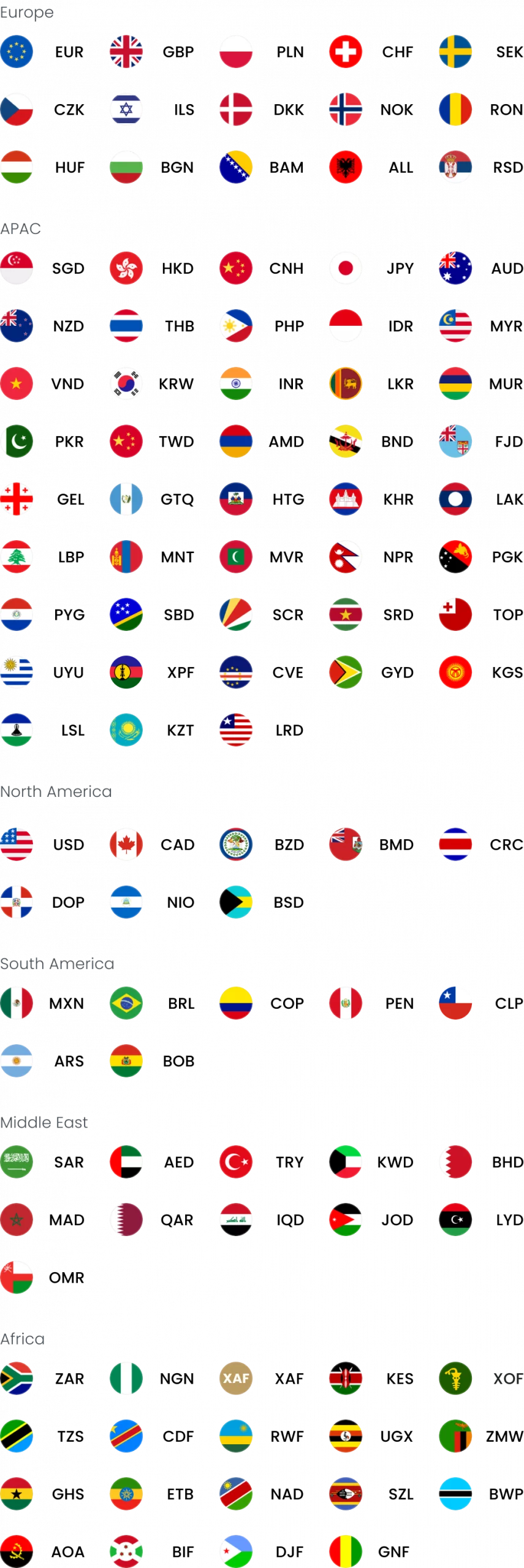
Pay in 15 currencies with World Card, no FX fees

Enjoy zero FX fees when paying in the following 15 currencies with World Card.

Send money in 100+ currencies

You can send money in your WorldFirst account to any of the currencies we support.

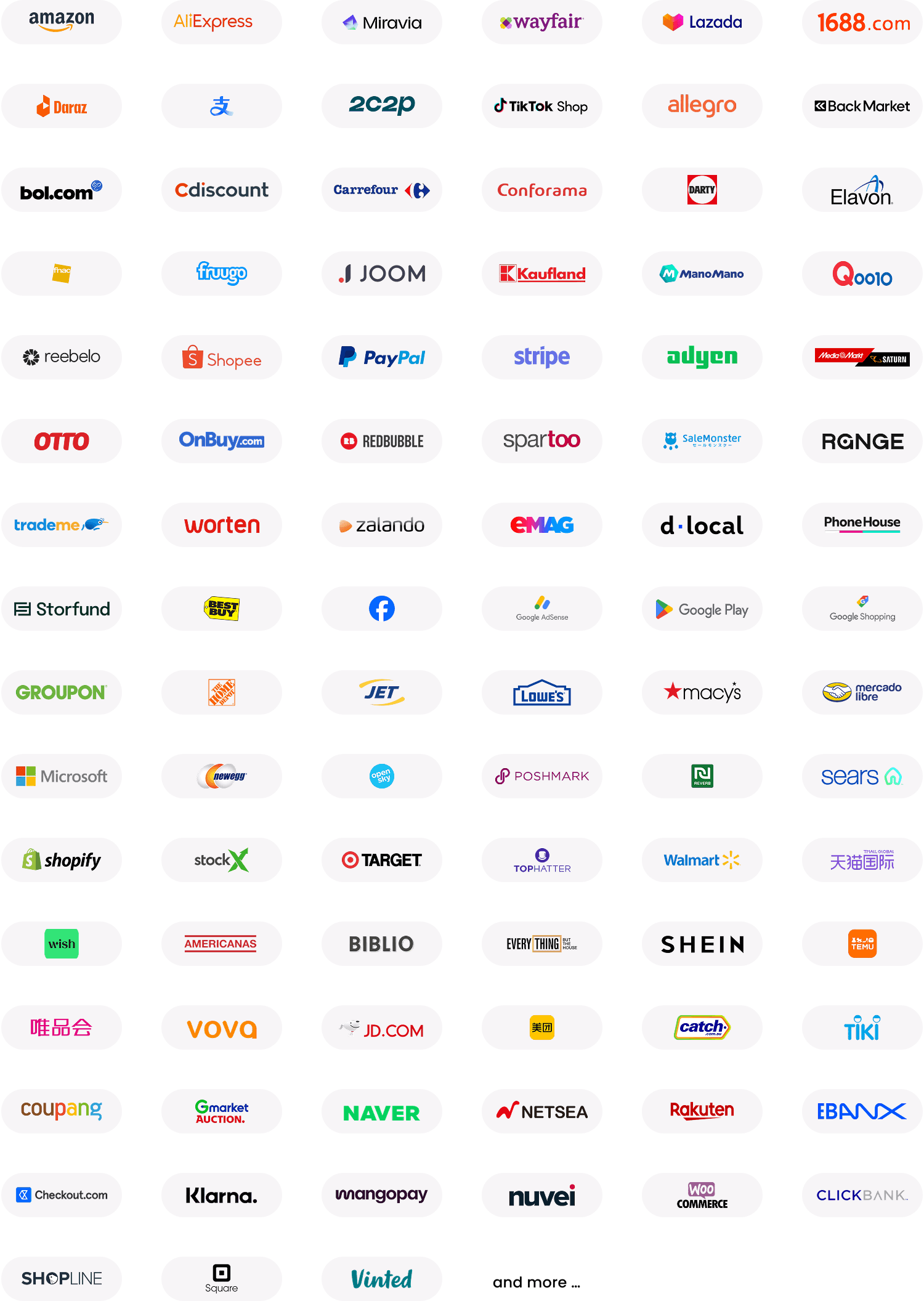
Get Paid by 130+ marketplaces

Seamlessly get paid by 130+ marketplaces and pay your suppliers anywhere.

Collect money in 20+ currencies

You can collect money in 20+ currencies. It only takes a few minutes to open an account in the currency you need.