



























UK businesses often overpay overseas suppliers without realising it. The cost adds up quietly, through everyday choices that seem straightforward at the time.
The impact is rarely a single, visible fee. It shows up in exchange rates applied later than expected, deductions only noticed after a supplier queries a short payment and cash-flow forecasts that never quite line up.
According to recent industry reporting, UK SMEs on average lost about £53,000 to currency volatility in 2024–25, prompting nearly 60% to alter their foreign exchange strategies.
That figure highlights a simple point: unmanaged FX costs can have a material impact on margins in international supplier payments, often exceeding the cost of transfer fees themselves.
This article explains international payment fees, where UK businesses lose control inside standard payment workflows and what finance teams can change in 2026 to reduce international payment costs without renegotiating suppliers or rebuilding their operations.
Key takeaways
- International payment costs build up through routine payment decisions rather than obvious fees: FX timing, routing choices and account structure quietly shape the final cost long after invoices are approved
- FX applied at payment release creates unpredictable outcomes: Approving invoices in one currency and converting them later exposes businesses to rate movements that disrupt forecasts and pressure margins
- Single-currency accounts and international wires scale cost and uncertainty: Forced conversions, intermediary deductions and variable settlement times increase friction as overseas supplier volumes grow
- Meaningful cost reduction comes from fixing payment structure, not supplier terms: Paying in the invoice currency, separating FX from execution and removing unnecessary conversions reduces cost without changing who you trade with
- A multi-currency account is the most practical way to reduce international payment costs: The WorldFirst World Account brings currency control, transparent FX, faster settlement and complete visibility into one platform
Open a World Account for free and manage how your business holds, converts and pays currency internationally.
What are international payment fees for suppliers?
International payment fees for suppliers are the combined costs created by foreign exchange pricing, payment routing charges and currency conversions that affect how much an overseas supplier ultimately receives and when funds settle.
What actually makes up international payment costs
International payment costs come from three main sources: foreign exchange pricing, payment routing charges and currency conversion mechanics. Together, these determine the final amount a supplier receives and the degree of predictability of that cost for the business making the payment.
FX pricing applied after approval
Foreign exchange is the highest cost in an international supplier payment. Global corporations pay an estimated US$120 billion in cross-border transaction fees each year, much of it tied to FX spreads and conversion costs rather than flat transfer charges.
In many payment workflows, invoices are approved in one currency, but conversions happen later, when the payment is released. The exchange rate applied reflects market conditions and provider’s pricing at that moment, not the rate assumed at approval.
Different payment methods carry different fee structures and FX markups. Even when transfer fees look similar, variations in FX timing and pricing can lead to different settlement totals. Over time, these differences can create forecast gaps and put pressure on margins.
Routing charges revealed after settlement
International payments rarely move directly from sender to supplier. Transfers are routed through correspondent banks, which mean additional handling steps outside the sender’s control.
Any deductions along the way usually become visible only after settlement. A supplier receives less than invoiced, even though the sender sees a completed payment for the full amount.
The deduction itself is only part of the cost. The rest appears in the time spent investigating and resolving differences that neither side expected.
Currency conversion caused by account constraints
Some of the highest costs come from currency conversion that the business never actively chose.
Single-currency accounts trigger automatic currency conversion. Since the account can’t hold the payment currency, the system converts the payment by default. In more complex payment flows, a second conversion may occur. For example, funds might be converted from USD to GBP on receipt, then from GBP to EUR when paying a supplier.
The double conversion isn’t a deliberate pricing decision. Rather, it’s the result of single-currency accounts that aren’t built for cross-border payments.
Delays and unpredictability as a cost
Not all international payment costs appear explicitly as fees.
When payments arrive later than expected, finance teams have to hold more working capital and revise forecasts that no longer reflect reality.
A 2025 survey found that 90% of UK companies experienced late payments, with almost half reporting that delays had become more frequent.
In cross-border supplier payments, delays carry an added risk. The longer it settlement takes, the greater the exposure to exchange rate movements between approval and final execution.
Where UK businesses still overpay today
Many UK businesses continue to carry higher international payment costs because familiar domestic payment habits still shape how they pay suppliers overseas.
Research referenced by the Bank of England shows that some cross-border payments can cost up to 10 times as much as local transactions.
How a payment is routed, how FX is applied and how much visibility you have after release all affect the final cost. As supplier networks expand, those differences show up in margins.
These cost gaps are often driven by how routine supplier payments are set up and processed.
1. Paying overseas suppliers from GBP-only accounts
GBP-only accounts remain a common starting point for international supplier payments because they fit existing bank relationships and approval flows.
However, using a single-currency account removes flexibility since the bank or business account will convert funds automatically at the point of payment. That removes the option to manage FX timing separately.
As overseas payments become more frequent, automatic conversions turn FX into an ongoing cost rather than a strategic decision. Over time, this increases the total cost of cross-border payments.
2. Using international wires as the default
Many teams still rely on international wire transfers for large supplier payments because the process feels familiar and secure.
However, once payments cross borders, predictability declines. Transfers move through multiple banks, settlement timelines vary and deductions can appear after the payment leaves the account. That lack of predictability makes cash flow harder to plan and settlement differences harder to explain to suppliers.
It also explains changing behaviour. Around 23% of UK SMEs now use fintech or non-bank providers for cross-border payments, compared with a much lower share for domestic transfers.
3. Letting FX settle itself after approval
In many organisations, teams approve invoices in one currency and release payments later, leaving exchange rates to settle themselves.
The system applies the rate available on the day a payment is released. That rate reflects market conditions and provider pricing at that moment – not assumptions made during approval – and determines the final cost.
How to reduce international payment costs in 2026
As supplier networks expand across countries and regions, payment structure starts to matter as much as pricing. Currency handling, timing and routing decisions begin to repeat at scale. Each repetition either compounds the cost or reduces it.
The following approaches focus on structural improvements :
1. Pay suppliers in the currency they invoice in
Many UK businesses approve supplier invoices in a foreign currency, then release payments from a GBP account because it aligns with existing banking arrangements. That choice simplifies account management but removes control at the most expensive point in the process.
When a business can’t pay in the invoice currency, the payment system converts funds automatically at release. FX pricing applies under deadline pressure, not planning.
The finance team accepts the rate on that day, even if the invoice was approved weeks earlier. Being able to hold and pay in different currencies shifts control back to the business.
It allows finance teams to:
- Convert currency in advance, when rates align with forecasts rather than invoice deadlines
- Remove automatic conversion from the payment step entirely
- Deliver the full invoiced amount to suppliers, without last-minute FX variation
- Reduce reconciliation work caused by rate-driven differences
Scenario: paying manufacturers and sourcing partners in China
UK businesses sourcing from China often receive invoices in USD or RMB and pay from a GBP account because it aligns with existing workflows.
Each payment converts currency at the time of release, exposing the business to currency rate movements on every shipment.
Manufacturers in China usually focus on predictable settlement and full receipt. Forced conversions make payment timing and final amounts harder to predict, which complicates production planning and supplier follow-up.
But if you can hold USD or RMB, you can convert currency ahead of production milestones, then pay suppliers without reopening FX exposure. The correct payment amount arrives, settlement is fast and suppliers gain confidence in your partnership.
2. Separate FX decisions from payment execution
In many workflows,FX conversion and payment execution happen in one step, with the priority being to get the payment out, rather than optimising the rate.
When teams separate FX decisions from execution, they regain control and flexibility. Currency conversion becomes a planned decision that supports budgeting and forecasting, not a reactive response to deadlines.
This approach allows teams to:
- Lock in FX rates closer to invoice approval
- Convert currency in line with cash-flow forecasts
- Release payments without revisiting pricing decisions
- Avoid last-minute adjustments caused by rate swings
Scenario: batch invoice approvals with delayed payment runs
A procurement team approves several overseas invoices at the start of the month. Internal checks delay payments for two weeks.
If FX and payment are linked, the final cost depends on the FX rate on payment day. If separated, the finance team can convert currency shortly after approval, locking in costs and releasing payments later without exposure.
The payment run then becomes a scheduling task and forecasts remain intact.
3. Remove unnecessary currency conversions from payment flows
Currency conversions often occur multiple times because single-currency accounts can’t hold the original or final payment currency.
Revenue platforms convert funds into GBP on receipt. Days later, when suppliers need to be paid in USD or EUR, those GBP balances are converted again. Each conversion introduces an extra margin and costs add up as volumes grow.
Mapping how money moves across revenue and payables often reveals these patterns quickly.
Finance teams can reduce cost by:
- Holding revenue in its original currency when suppliers operate in the same market
- Paying suppliers directly from those balances
- Avoiding conversions that serve no operational purpose
Scenario: cross-border e-commerce operations
An e-commerce retailer sells through international marketplaces and online stores in USD and EUR, but settles all revenue into a GBP account by default.
Holding USD and EUR separately allows the business to pay suppliers directly. Removing two conversion steps from each cycle reduces cost without changing sales channels or suppliers.
4. Use payment routes designed for settlement speed and clarity
Many finance teams continue to rely on international wire transfers because approval frameworks already exist around them. That familiarity often masks their inefficiency.
Wires move through multiple banks, extend settlement timelines and allow deductions to appear after funds leave the account. Each step reduces visibility over the timing and final value.
Alternative routes designed for local settlement shorten the entire process. By reducing the number of intermediaries, payments settle faster and with more transparency.
Teams benefit from:
- Faster delivery to supplier accounts
- Fewer intermediary deductions
- Clearer expectations around settlement timing
- Reduced follow-up and exception handling
Scenario: recurring supplier queries over short payments
A supplier repeatedly flags payments that fall short of the invoice amount. Each query triggers investigation and manual reconciliation.
Using routes that settle locally reduces deductions and stabilises the amounts received, cutting dispute volume without renegotiating terms.
5. Bring international payments into one operating view
Fragmented payment setups scatter information across banks, platforms and manual trackers. That fragmentation makes it harder to spot patterns and reduce unnecessary costs.
Consolidating international payments into one platform gives you a complete view of how currencies, timing and routing interact.
When payment data is centralised, teams get:
- Clear oversight of currencies held and converted
- Consistent payment timing across regions
- Faster reconciliation and reporting
- Early identification of cost patterns
Scenario: scaling supplier networks across regions
A UK business adds suppliers in Asia, North America and Europe.
Payment volume grows, but processes remain fragmented. Finance teams spend more time tracking payments than improving them.
A consolidated view helps teams see where costs are building and adjust their setup before they grow.
Bringing it together: how multi-currency accounts reduce supplier payment costs
International payment costs rarely persist because of a single poor decision. They build up when the payment workflow is structured the same way every time – with automatic FX at release, fixed routing paths and limited visibility.
Multi-currency accounts give teams control across the payment cycle. They allow finance teams to:
- Hold funds in the currencies their suppliers invoice in, removing forced conversion at the point of payment
- Choose when currency conversions will take place, rather than accepting the rate available on payment day
- Pay suppliers directly from held balances, reducing repeated conversion costs
- Maintain clearer visibility across currencies, timing and settlement outcomes
Over time, this level of control turns international supplier payments into a planned workflow rather than a reaction to deadlines. Costs stop accumulating and become easier to predict and manage as payment volumes grow.
How to reduce international payment costs with WorldFirst
WorldFirst is not a bank. It provides a multi-currency business account designed specifically for companies that trade across borders and need more predictable, efficient ways to move money internationally.
With a World Account, you can hold, manage, convert and pay funds in multiple currencies without forcing conversion at the moment of payment. That change alone addresses one of the biggest sources of hidden cost in supplier payments: unmanaged FX timing and unnecessary conversions.
What you can do with a World Account:
1. Hold and receive funds in the currencies you trade in
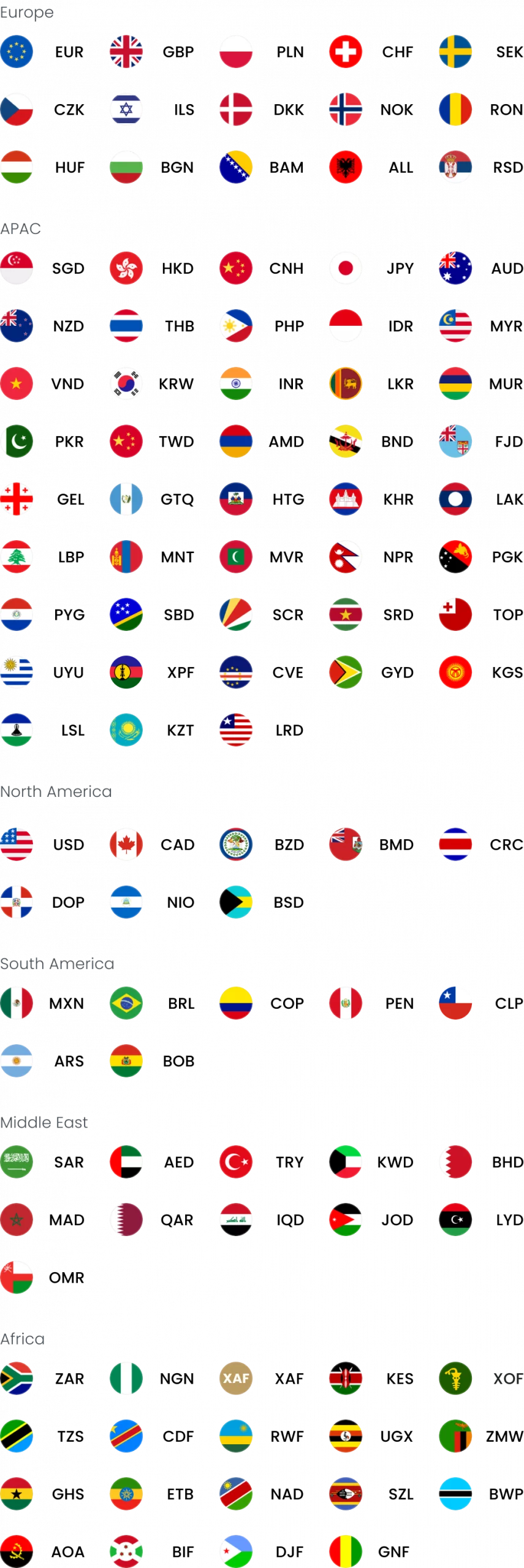
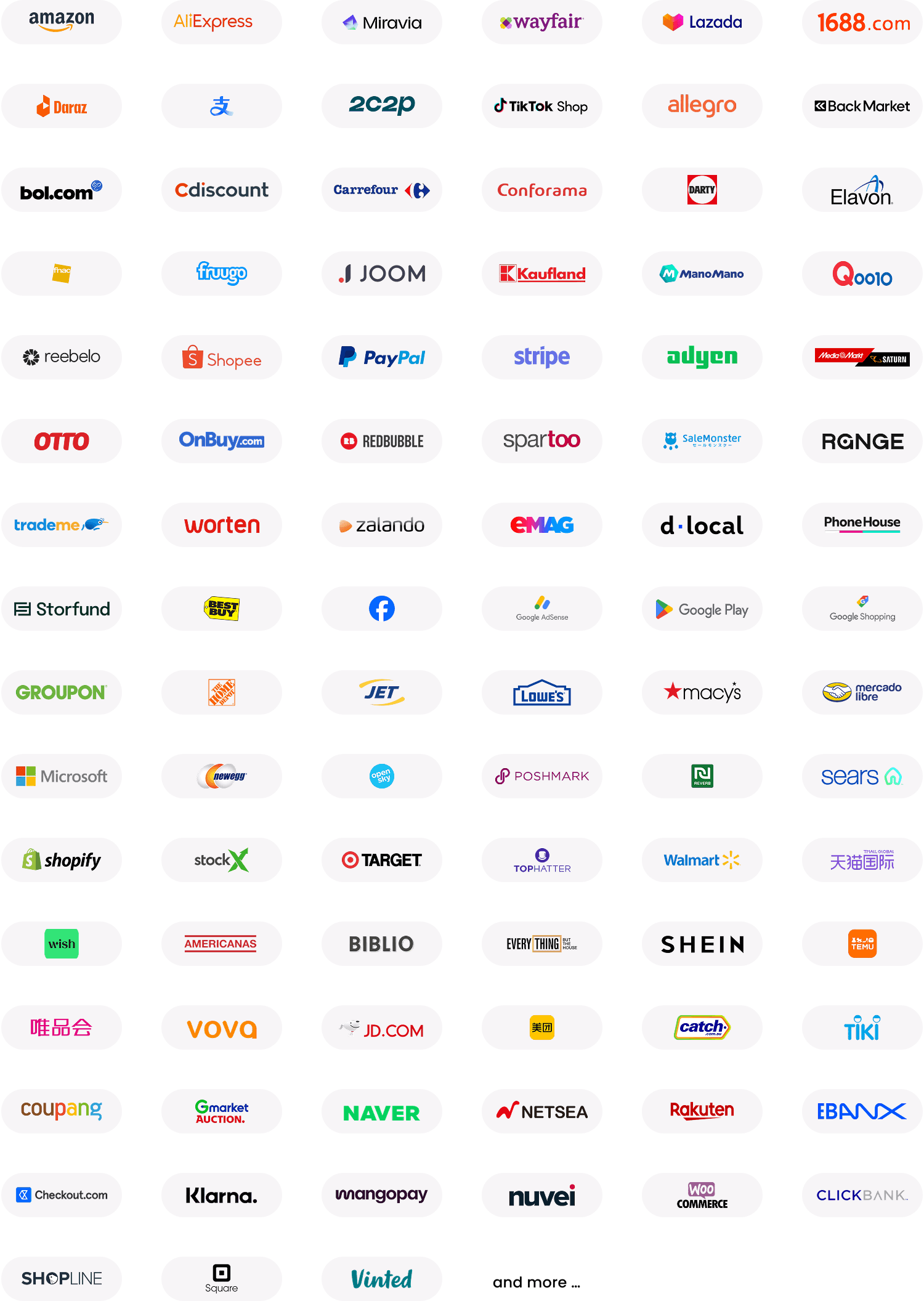
The World Account lets UK businesses receive payments from overseas customers, marketplaces and payment gateways in 20+ currencies, with no receiving fees and no account setup or maintenance charges.
Local account details such as UK sort codes, US routing numbers and European IBANs speed up settlement and reduce reliance on the SWIFT network.
2. Pay suppliers in the currency they expect
WorldFirst supports supplier payments in 100+ currencies, with many settling on the same day through local payment networks. Paying in the invoice currency eliminates hidden currency conversions and reduces the time suppliers wait for funds.
If you make regular overseas payments, you’ll benefit from:
- Faster delivery into supplier accounts using domestic rails
- Fewer intermediary deductions where payments bypass SWIFT
- Stable payment amounts that match invoice expectations
3. Competitive and transparent FX pricing
WorldFirst applies exchange rates based on the mid-market rate with clearly indicated, capped markups, rather than embedding hidden margins. That transparency helps finance teams understand conversion costs in advance and choose when to execute FX.
Because the World Account supports holding multiple currencies, businesses can wait for favourable rates instead of converting at the point a payment is due, reducing both the number of conversions and overall FX cost.
4. Visibility, control and consolidated cash flow
WorldFirst brings international balances and payments into a single dashboard, giving teams visibility over:
- Balances held in each currency
- Payments sent, received or pending
- FX rates applied to past conversions
That visibility reduces guesswork and makes reconciliation and forecasting cash flow easier for international supplier payments.
5. Integrated features that save time and cost
Beyond holding and paying currencies, the World Account includes:
- Local bank details in major markets without needing extra banking relationships
- Fast transfers to suppliers and partners in 100+ currencies across 210+ regions
- Transparent pricing with no hidden conversion charges
Are unnecessary conversions making it harder to reduce international payment costs in your current workflows?
Open a World Account for free and take control of how your business holds, converts and pays in foreign currencies across borders.
Sources:
- https://www.bis.org/cpmi/publ/d224.htm
- https://ffnews.com/newsarticle/tradetech/smes-hit-hard-by-53000-loss-from-currency-fluctuations/
- https://www.coface.com/news-economy-and-insights/2025-uk-payment-survey-companies-face-rising-payment-delays-amid-buyer-cash-flow-concerns
- https://www.worldfirst.com/uk/blog/international-transactions/trends-in-cross-border-payments/
- https://www.worldfirst.com/uk/blog/international-transactions/how-much-are-international-bank-transfer-fees/