



























British exporters and e-commerce sellers are expanding globally and the way they move money is evolving just as fast. UK exports reached £893.2 billion in 2024, reflecting strong demand and growing participation in global trade.
Yet as trade expands, the complexity of getting paid grows, especially when managing income and expenses across multiple currencies. From new payment rails to tighter fraud controls and digital currency pilots, the latest trends in cross-border payments show how global transactions are becoming faster, smarter and more connected.
This article explores how these developments are transforming global commerce and how WorldFirst’s World Account helps UK businesses send, receive and hold multi-currency payments seamlessly while maintaining control over costs and timing.
Key takeaways:
- Multi-currency flexibility is now essential for UK SMEs: Businesses trading internationally can no longer rely on a single currency. Holding and managing funds across multiple currencies helps reduce conversion costs and gives finance teams more control over timing and cash flow
- Faster settlement improves cash flow and competitiveness: Upgraded payment systems and new digital rails now allow international transfers to clear much faster. This helps SMEs pay suppliers promptly, manage inventory efficiently and keep cash moving smoothly
- Stronger regulation increases payment security: New reimbursement rules and name-checking systems make sending money abroad safer. With tighter fraud detection and AML controls, SMEs can trade globally with greater confidence
- E-commerce and digital currencies expand global opportunities: Growing online marketplaces and innovations such as stablecoins and the digital pound are creating more options for cross-border trade. Businesses that adapt early can reach new markets with easier, more flexible payment methods
- WorldFirst helps SMEs stay ahead of these cross-border trends: The World Account allows UK businesses to collect, hold and send multiple currencies from one platform. With transparent FX rates and integrated tools for global marketplaces, WorldFirst helps SMEs manage cross-border payments with clarity and control
Open a World Account for free today and stay ahead of the cross-border payment trends shaping how UK businesses trade and grow globally.
The global context behind today’s cross-border payment trends
Cross-border payments play a crucial role in international trade and export growth. According to BIS and FXC data, global cross-border flows exceeded US$1 quadrillion in 2024, highlighting the vital role of efficient money flows in international business.
Within this system, UK SMEs are taking a bigger share. Around 23% of UK SMEs now use fintech or non-bank providers for cross-border payments, compared with only 13% for domestic transactions. This shows that smaller exporters are often the first to adopt faster, more flexible payment solutions.
To identify the key trends in cross-border payments, we reviewed leading research from 2023 to 2025, including reports from the Bank of England and the Payment Systems Regulator, official trade data and independent market studies.
The Bank of England continues to emphasise the importance of payment systems that can easily connect to overseas networks. At the same time, research from McKinsey and the Payments Association indicates rapid growth in real-time and international transactions.
Taken together, these findings point to faster, more transparent and more closely supervised payments. UK businesses that adapt early maintain efficiency and competitiveness.
6 major trends in cross-border payments every UK business should know
Here are the six key trends in cross-border payments that every UK exporter and e-commerce business should watch:
1. Multi-currency flexibility becomes a default requirement
Cross-border SMEs operate in multiple currencies. Managing those flows efficiently is now core to running an international business.
According to FF News, UK SMEs lost an average of £53,000 each to currency volatility in 2024–25, prompting nearly 60% to adjust their FX strategies. Many now hold revenue in euros or sterling rather than converting it immediately into US dollars.
What this means for UK businesses:
Holding operating balances in key currencies is now a practical hedge against timing risk and forced conversions. Businesses need the ability to receive, manage and convert funds on their own terms, with complete visibility into costs and timing.
Finance teams also want a unified ledger that can track sales, supplier payments and marketplace settlements across markets without relying on multiple single-currency accounts.
How the World Account helps:
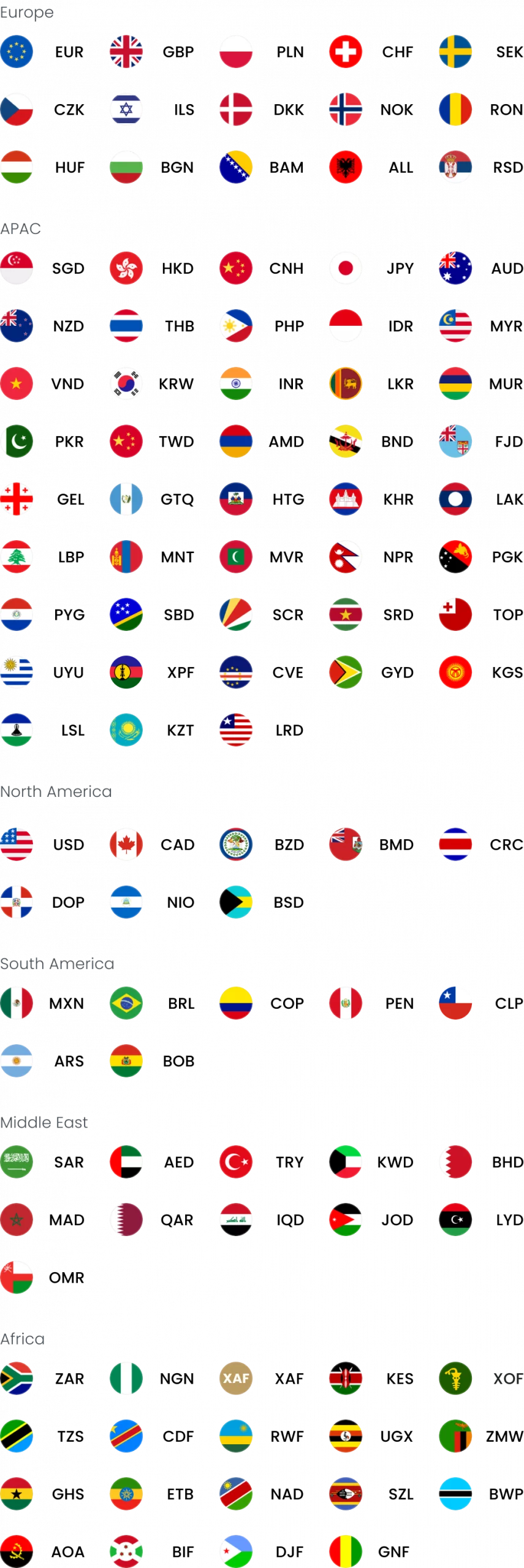
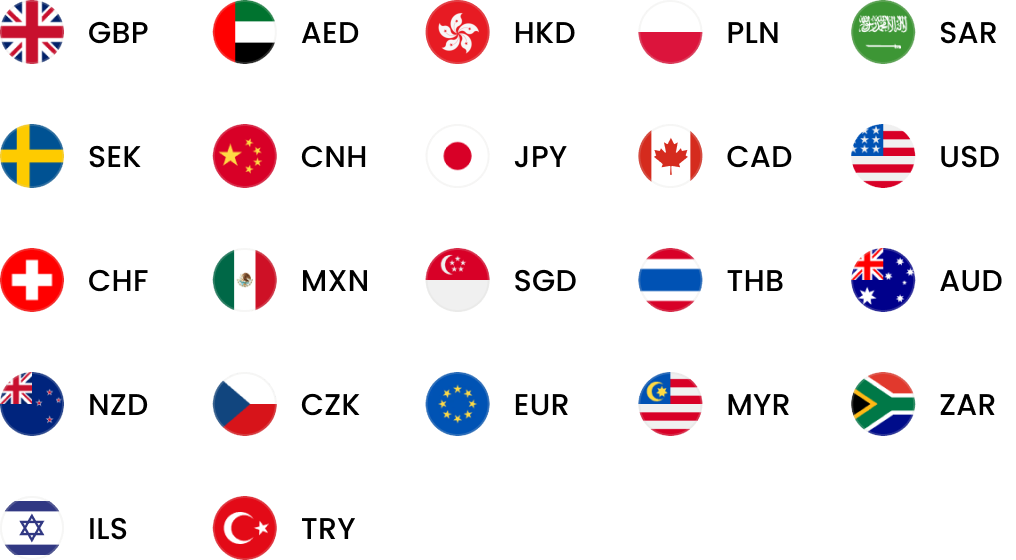
The WorldFirst World Account gives UK businesses local account details in 20+ currencies, allowing them to collect overseas revenue as easily as local sellers. You can hold balances, convert when rates are favourable and make payments to over 200 countries in more than 100 currencies.
Watch how Jack, a UK e-commerce seller, uses WorldFirst to simplify cross-border payments and scale with confidence:
2. Faster settlement and new rails reshape global payments
Cross-border payments are speeding up. What once took days or even weeks now clears in hours or seconds. The UK already runs some of the world’s fastest domestic rails, such as Faster Payments for 24/7 transfers in pounds and CHAPS for high-value same-day settlements.
In 2025, the Bank of England completed a full upgrade of its Real-Time Gross Settlement system, introducing the new RT2 platform and adopting the ISO 20022 messaging standard. These upgrades bring richer payment data, extended operating hours and future compatibility with overseas systems.
What this means for UK businesses:
For exporters and importers, faster settlement improves working capital and supplier relationships. Businesses can now pay partners abroad before inventory runs out or receive funds from customers more quickly, reducing cash flow gaps.
By 2026, most international transfers will settle within seconds or a few hours, rather than days, meaning UK firms can plan and move money with far greater precision.
3. E-commerce ecosystems drive cross-border growth
UK SMEs increasingly sell online to foreign customers. British e-commerce is booming (£177 billion in 2024) and its share of exports is growing.
International marketplaces such as Amazon, eBay and Etsy connect sellers and buyers across borders and payment platforms integrate directly with them. Businesses can list products in Europe or Asia and receive payments in local currency without hassle.
What this means for UK businesses:
Cross-border marketplaces are a key way for SME exporters to reach global buyers and provide built-in access to local payment methods and currencies. For businesses selling via their own websites, offering local payment options such as Klarna, Alipay or PayPal can help replicate that same experience and improve conversion.
4. Digital currency innovation moves closer to reality
Central banks and fintechs are laying the groundwork for new digital currencies and blockchain-based payments. In the UK, the Bank of England is actively exploring a “digital pound” (CBDC). The BoE emphasises that a digital pound would be like a digital form of cash, one-to-one convertible with banknotes.
Meanwhile, stablecoins and tokenisation are on the rise. Stablecoins are digital tokens linked to traditional currencies. Visa and Mastercard already process some stablecoin payments on their networks, and several cross-border remittance providers are testing them.
Experts note that fiat-backed stablecoins, supported by clear rules and reserves, can enable faster, more affordable international transfers once fully integrated.
What this means for UK businesses:
The UK’s exploration of a digital pound, along with global progress in stablecoins and tokenised payments, signals a future where international transfers become instant and programmable.
Fintech firms are already testing fiat-backed stablecoins to enable faster and cheaper cross-border transfers and UK regulators are preparing to bring them under the Payment Services Regime for consumer protection.
5. Cost transparency and FX margin control become non-negotiable
Hidden FX markups are no longer acceptable. Under the FCA’s new Consumer Duty (effective July 2023 for payments), companies must clearly display all international transfer costs and exchange rates upfront.
In practice, the FCA found many providers still hid fees in fine print or omitted correspondent bank charges, but regulators are cracking down. Banks and payment services must now show the exact amount the recipient will get and any markup above the mid-market rate.
What this means for UK businesses:
SMEs can now compare real-time rates and know exactly what the recipient will receive before confirming a transfer. By 2026, we anticipate almost all regulated platforms will auto-show final prices, so there’s no excuse for hidden markups.
Action plan for UK business in 2026
Based on these trends, here is what UK SMEs should do to stay ahead in 2026:
- Open a multi-currency account: Use a global business account, such as WorldFirst’s World Account, to collect and hold funds in over 20 currencies via local account details. This helps reduce FX conversions, speed up payments and manage supplier and staff expenses in the currencies you trade in
- Integrate with marketplaces and use local payment rails: Connect Amazon, eBay, Etsy or Shopify stores to your multi-currency account. Use regional payment methods, such as SEPA in the EU or Faster Payments in the UK, to move funds faster and improve the customer experience
- Manage FX risk proactively: Set rate alerts or lock in rates. This protects profit margins from currency swings and improves cash flow predictability
- Compare total costs and demand complete transparency: Check all-in costs, including intermediary fees and FX margins. Choose providers that clearly display rates and fees upfront and avoid unnecessary conversion charges by using multi-currency balances or low-FX business cards
- Strengthen fraud protection: Verify recipient names or IBANs before sending funds, train staff on common scams and use transaction-monitoring services to detect suspicious activity
- Explore new payment technologies: Adopt digital wallets such as Apple Pay and Google Pay and stay informed as UK regulators finalise rules for stablecoin and blockchain-based transfers
- Leverage expert tools and advice: Integrate your payment platform with accounting systems like Xero for faster reconciliation and smarter FX booking and seek professional guidance on managing foreign exchange exposure
Why WorldFirst leads the way in the latest trends in cross-border payments
By 2026, cross-border payments will be faster, more flexible and more transparent for UK SMEs, but also more intertwined with technology and regulation. Multi-currency accounts and cards will be a standard toolkit, letting you receive and spend in any major currency.
SMEs that stay ahead of these trends, manage costs carefully, insist on transparent FX pricing and use hedging tools effectively position themselves to protect their margins and grow globally.
WorldFirst’s World Account is purpose-made for this new era of global payments. It reflects the key trends in cross-border payments: speed, flexibility and transparency. The platform gives UK exporters and e-commerce sellers the tools to efficiently manage every part of their international operations.
What sets WorldFirst apart:
- Multi-currency reach: Open local receiving accounts in 20+ currencies, send payments to over 200 countries and manage global cash flow from a single platform
- Transparent FX and rate control: Access competitive, real-time exchange rates without hidden spreads. Use forward contracts or rate alerts to lock in preferred rates and protect your margins
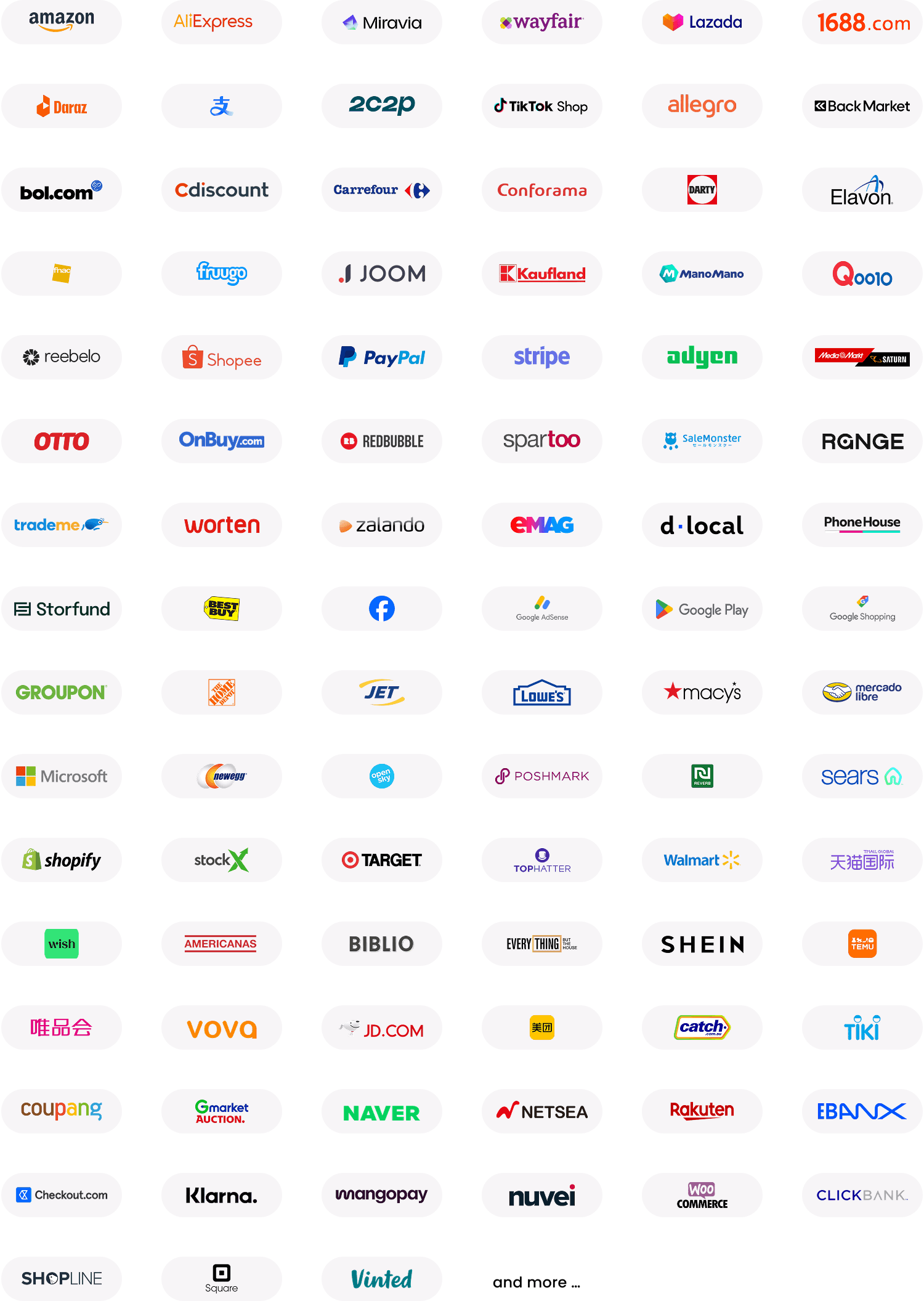
- Marketplace and ERP integration: Connect with over 130 e-commerce platforms and integrate directly with accounting systems such as NetSuite and Xero for accurate reconciliation and reporting
- Regulatory trust: WorldFirst is authorised by the UK Financial Conduct Authority (FCA) as an Electronic Money Institution and safeguards client funds in segregated accounts with partner banks
- Business-ready innovation: The World Card allows you to spend in 15 major currencies with 0% FX fees, giving your business greater control over international expenses
Stay ahead of the trends in cross border payments.
Open your World Account for free today and give your business the clarity, flexibility and confidence to grow across borders.
Sources:
- https://www.ukfinance.org.uk/system/files/2024-07/Summary%20UK%20Payment%20Markets%202024.pdf
- https://www.ons.gov.uk/economy/nationalaccounts/balanceofpayments
- https://www.worldpay.com/en-gb/global-payments-report
- https://www.psr.org.uk/publications/policy-statements/policy-statement-ps24-7-app-scams-reimbursement-requirement
- https://www.wearepay.uk/about-us/confirmation-of-payee/
- https://www.bankofengland.co.uk/payment-and-settlement/rtgs-renewal-programme
- https://www.bankofengland.co.uk/digital-pound
- https://www.gov.uk/government/publications/future-of-payments-review-final-report
- https://www.fca.org.uk/publications/policy-statements/ps22-9-new-consumer-duty
- https://www.worldfirst.com/uk/product/
- https://www.worldfirst.com/uk/product/fx/
- https://www.worldfirst.com/uk/for-online-sellers/
- https://www.ukfinance.org.uk/news-and-insight
- https://www.wearepay.uk