



























International business payments often reveal their actual cost only after funds leave a UK business account. Banks, intermediaries and FX pricing rarely set the total cost upfront.
Unclear fees create real consequences for UK businesses trading internationally. E-commerce sellers, importers, manufacturers and service firms depend on predictable costs to protect margins and manage cash flow.
In a typical scenario, a UK importer pays a US supplier a fixed GBP amount, only to find the USD invoice short on arrival after conversion spreads and intermediary charges reduce the final amount.
This guide explains how much international bank transfer fees are in practice, how they are structured and how payment routes affect cash flow.
Key takeaways:
- International bank transfer fees rarely stop at the headline price: FX markups, intermediary deductions and receiving bank fees often apply after a business sends a payment
- FX pricing is often the biggest cost driver, not transfer fees: For regular or high-value payments, FX costs can outweigh fixed transfer fees by a wide margin and directly impact profitability
- Timing, currency and transfer size all influence fees: Rates move, some currencies cost more to process and smaller transfers are often less efficient
- Lower costs come from better payment setup, not shortcuts: Fewer conversions, standardised routes and strategic FX decisions reduce fees sustainably
- Multi-currency platforms give businesses more control than banks: They let businesses hold, pay and convert currencies deliberately, with clearer pricing
How much do FX costs and intermediaries add to international bank transfer fees? Explore how the World Account helps UK businesses achieve clearer pricing and lower costs.
What counts as an international bank transfer?
An international bank transfer is not defined solely by distance. A payment becomes international when it involves cross-border banking, currency conversion or both.
In practice, a transfer can still count as international even when both accounts are based in the UK if the payment converts from GBP into another currency. Also, a payment sent overseas in GBP may still move through international banking networks, triggering cross-border fees.
The key distinction is how the payment is routed and settled. Geography matters less than the currencies used and the banking infrastructure involved.
Common international payment methods used by UK businesses
UK businesses typically use a combination of the following methods for international payments:
- SWIFT bank transfers sent through traditional banking networks
- Local clearing systems in specific markets, where available
- Platform-based payouts from marketplaces and payment gateways
Each option differs in cost structure, settlement speed and fee visibility, which is why the same payment amount can produce different outcomes depending on the route used.
What goes into the cost of an international bank transfer?
The cost of an international transfer can change after you press send. The final amount reflects a series of charges applied at different stages as the payment moves through the banking system.
1. Upfront transfer fees charged by UK banks
Depending on the provider and destination, these fees typically range from £0 up to around £25–£30 per transfer before currency conversion costs are applied. This upfront charge is often the only visible cost at the point of payment, which can make it appear to be the full price. In truth, it represents just the first step in the cost chain.
Some banks waive this charge for premium accounts or for larger payments, while others apply it consistently regardless of the amount. Either way, removing or reducing the upfront fee does not eliminate the costs that follow.
2. Exchange rate margins and FX markups
Currency conversion usually accounts for the largest share of the total cost.
When a bank converts GBP into another currency, it typically adds a margin to the mid-market exchange rate.
FCA rules require banks to be transparent about FX markups, but these costs are still typically built into the exchange rate rather than shown as a separate fee. As a result, a transfer advertised as “free” can still cost hundreds through FX, something the FCA has warned firms not to obscure.
Industry analysis shows that UK banks charge SMEs nearly £4 billion a year in hidden international transfer costs, with around 96% of these costs embedded in FX rates rather than upfront fees. On a typical £75,000 intra-EU transfer, the total cost averages about 2.43%, driven mainly by FX markups.
3. Intermediary and correspondent bank fees
Many international transfers do not move directly from the sending bank to the receiving bank.
Instead, they pass through one or more intermediary institutions that handle currency and jurisdictional settlements. Each intermediary can deduct a fee as the payment passes through.
These charges are rarely disclosed in advance and sit outside the sender’s control, making them difficult to predict or reconcile.
4. Receiving bank fees
In some cases, the recipient’s bank charges a fee to receive international payments.
When this happens, the beneficiary receives less than expected, even if the sender has already paid an upfront transfer fee. From the sender’s perspective, the payment appears complete, while the recipient still sees a shortfall.
What affects the cost of international bank transfer fees?
Several factors influence how much an international transfer ultimately costs and many of them sit outside the headline fee shown at the point of payment:
1. Timing and speed of the payment
When a business makes a transfer, timing can influence both the exchange rate applied and the final cost. FX rates move constantly, so the timing of a payment can work for or against the sender, particularly for larger amounts.
Speed also matters. Typical international bank transfers take around 1–5 business days to reach the recipient.
When a business needs funds to arrive sooner, faster payment options may be available, but they often come with higher fees or less favourable FX pricing.
2. Currencies, destinations and transfer value
The currencies involved play a significant role in pricing. Widely traded pairs, such as GBP to EUR or USD, are generally cheaper to process than less common combinations, where banks face higher settlement and liquidity costs.
Destination also matters. Payments sent to countries with less developed banking infrastructure may involve additional intermediaries, thereby increasing costs.
Transfer size can also influence pricing. Larger payments often qualify for better FX rates, while smaller amounts may carry proportionally higher costs. A £100,000 supplier payment, for instance, is more likely to receive a more competitive exchange rate than a £1,000 transfer sent on the same day.
3. The bank or payment provider used
The choice of bank or payment provider often has the biggest impact on overall cost.
Banks operate on varying technologies, payment routes and correspondent networks.
Those running on older systems often incur higher processing costs and pass them on to customers. Others lack local coverage in specific markets and route payments through multiple intermediaries.
As a result, a transfer between well-connected banks can cost less than a payment involving institutions with fewer direct banking links, even when both advertise low fees.
Bank transfer fees by major banks
High‑street UK banks charge flat fees that vary by bank and channel:
| UK bank | Typical international transfer fee (online | Branch fee | SEPA euro payments |
| Barclays | No fee for most online SWIFT payments (including SEPA euros) | £25 per transfer | Included online |
| NatWest | £15 per international payment | Not specified | £0.50 per SEPA transfer |
| Lloyds Bank | £15 per online SWIFT transfer | £28 per transfer | £5 per SEPA transfer |
| Santander UK (Business | Typically £17–£25 per SWIFT transfer | Not specified | Usually free or a few pence |
| HSBC | £5 per international transfer outside the EEA | Not specified | Free within the EEA |
How to reduce international bank transfer fees: practical steps that work
Reducing international transfer costs comes from understanding how payments move, where fees enter the process and which parts of that flow a business can control.
The steps below focus on operational changes that consistently reduce costs for UK businesses trading internationally, rather than one-off savings:
1. Choose payment routes that minimise intermediaries
Every additional bank involved in a transfer increases cost uncertainty.
Traditional international bank transfers often rely on correspondent banking networks. When a payment passes through multiple intermediary banks, each institution can deduct fees during settlement.
These deductions usually appear after the payment has left the sender’s account and are difficult to predict in advance.
To reduce this exposure:
- Prefer payment routes with direct clearing where available
- Use providers with local banking access in key markets
- Avoid routing payments through unnecessary currencies or jurisdictions
Fewer intermediaries mean fewer in-transit deductions, clearer reconciliation and more predictable outcomes for both sender and recipient.
2. Avoid unnecessary currency conversions
Unplanned currency conversion is one of the most common and expensive inefficiencies in international payments.
Many UK businesses automatically convert foreign currency receipts into GBP, then convert again when paying overseas suppliers or moving funds internally. Each conversion applies an exchange rate margin, which compounds quickly when transactions are frequent.
Practical ways to reduce this:
- Receive funds in the same currency you expect to pay out
- Avoid converting “by default” at the point of receipt
- Map where conversions actually add value versus where they add cost
3. Hold and convert currencies strategically
Timing matters in foreign exchange.
Automatically converting currency at the moment a payment arrives or leaves removes any flexibility. Businesses with predictable payment cycles can lower costs by separating when money moves from when they convert currency.
A more controlled approach allows businesses to:
- Convert funds when they are actually needed
- Align FX decisions with supplier schedules or payroll cycles
- Reduce exposure to short-term rate movements
4. Use multi-currency accounts to control payment flows
Multi-currency accounts are one of the most effective tools for reducing international payment costs.
They allow businesses to receive, hold and pay funds in multiple currencies without routing everything through GBP. This structure reduces forced FX conversions and improves visibility over where money is gained or lost.
In practice, multi-currency accounts help businesses:
- Match incoming revenue with outgoing costs in the same currency
- Reduce FX margin exposure across recurring transactions
- Simplify reconciliation across currencies and markets
5. Review FX pricing, not just transfer fees
Many businesses focus on reducing or eliminating upfront transfer charges. Still, exchange-rate pricing often has a far greater impact on total costs, especially for higher-value or more frequent payments.
A practical review process includes:
- Comparing applied FX rates against the mid-market rate
- Tracking FX cost as a percentage of transaction value
- Assessing FX impact over time, not per transaction
6. Align payment speed with business need
Faster is not always better. Standard international transfers typically settle within a few working days. Expedited or same-day options may be available, but they often carry higher fees or less favourable FX pricing.
Before paying for speed, it helps to ask:
- Does the recipient actually need same-day funds?
- Can payment schedules be adjusted instead of accelerated?
- Are faster routes creating costs without improving operations?
7. Standardise payment processes across markets
Inconsistent payment practices create hidden costs. When teams use different banks, routes or currencies for similar payments, fee tracking becomes fragmented and harder to control.
Standardising international payment processes brings greater leverage, clearer visibility and stronger cost discipline.
Practical steps usually include:
- Defining preferred currencies for major suppliers
- Standardising payment routes by region
- Centralising FX decision-making where it makes sense
How WorldFirst helps reduce international transfer fees
Marketplace payment solutions need to support the realities of selling across platforms and borders. These are the features that matter most
The World Account from WorldFirst is a multi-currency business account for UK companies with cross-border payment needs. It is not a bank account, but a payments and FX platform that lets businesses receive, hold, convert and pay funds in multiple currencies from a single interface.
This approach avoids routing every transaction through GBP and reduces the cost of repeated FX transactions.
when managing payouts, fees and cash flow at scale:
Actual numbers: how WorldFirst keeps costs low
WorldFirst applies transparent pricing that makes it easier to forecast and reduce costs compared with typical bank models:
Account costs:
- Account opening: £0
- Ongoing account fees: £0 – there’s no monthly charge for maintaining the account
- Receiving funds: Free – no fee to collect payments from marketplaces or customers worldwide
- Local payments in GBP, EUR, or USD: £0.30 per payment
- International payments: £4.00 per transaction
- Cross-currency payments: Free
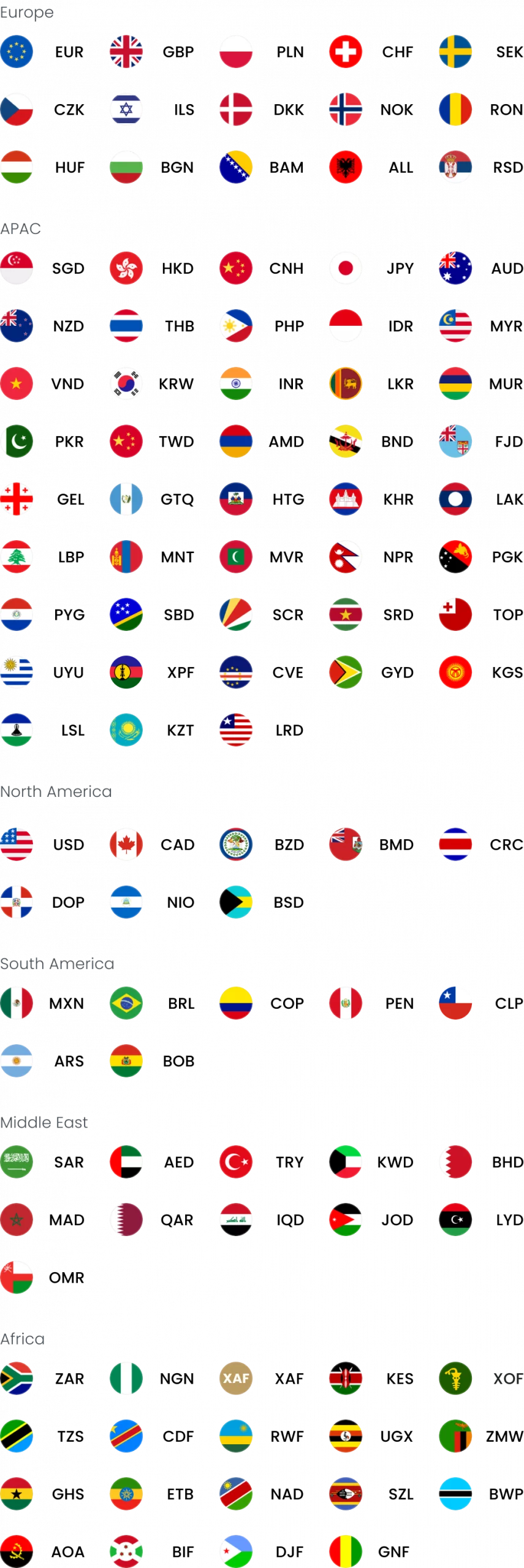
- Hold multiple currencies: Free – up to 20+ different currency balances
FX pricing:
- Competitive exchange rates with margins generally capped at up to 0.50% on major currency conversions
Key practical benefits:
- Free transfers between World Accounts anywhere, reducing costs for businesses with multiple entities or partners using WorldFirst
No ongoing or hidden fees, so you know the fees before you confirm a transfer
How WorldFirst reduces transfer costs in practice
WorldFirst helps cut international payment costs through structure and control, not just lower sticker prices.
- Competitive FX rates: Rather than embedding wide margins into every conversion, WorldFirst applies a clear FX rate (usually up to 0.50% above the mid-market rate), so businesses can see how much of the cost is due to FX and choose when to convert
- Fewer intermediaries: Payments are routed natively through local and international networks where possible, which reduces the need for correspondent banks that typically add hidden fees in transit
Hold and convert strategically: By holding up to 20+ currencies in one account and converting only when needed, businesses avoid repeated conversions that erode value over time
Practical use cases
Businesses use the World Account to address real, everyday cost drivers:
- Pay overseas suppliers in local currency without repeated conversions: Local payments that would incur multiple bank conversion fees can instead be paid directly from a matching currency balance
- Receive marketplace payouts without fees: Get paid from 130+ marketplaces using local details, eliminating foreign receiving fees that banks typically charge
- Manage FX exposure across markets: Hold funds until rates are suitable, then convert, rather than converting automatically on receipt
- Faster, more predictable settlement: Many payments settle on the same day when sent before cut-off times, improving cash flow predictability for trading partners and suppliers
If you want a clearer view of how much international bank transfer fees are for your business in practice, opening a World Account can help reduce FX costs, limit intermediaries and improve cash flow control.
Sources:
- https://www.worldfirst.com/uk/
- https://www.www.barclays.co.uk/help/making-payments/international-payment-costs/
- https://supportcentre.natwest.com/Searchable/1014649032/What-is-the-cost-to-send-an-international-payment-online.htm
- https://www.lloydsbank.com/business/business-resource-centre/business-guides/charges-for-international-payments.asp
- https://www.santander.co.uk/assets/s3fs-public/documents/international-payment-services-business-current-accounts.pdf
- https://www.hsbc.co.uk/help/international-payments/
- https://www.fca.org.uk/publications/corporate-documents/consumer-duty-feedback-and-final-rules
- https://www.bankofengland.co.uk/report/2020/the-future-of-payments-in-the-uk
- https://www.santander.co.uk/business/accounts/current-accounts/business-current-account/charges
- https://www.fca.org.uk/publications/multi-firm-reviews/fca-review-fx-disclosure-and-charging-practices
- https://www.lloydsbank.com/business/charges-for-international-payments.html