



























Small business payment processing helps UK businesses take payments, track sales and keep cash moving across card readers, online checkout, invoices, subscriptions and marketplace payouts.
For many SMEs, payment processing affects far more than checkout. Businesses need fast payouts, clear fees, simple reconciliation, smooth refunds and enough cash available for stock, wages, tax and supplier bills.
That matters in a market built on small businesses. At the start of 2025, the UK had 5.64 million small businesses, equal to 99.18% of the total business population, according to GOV.UK.
In this guide, we compare 10 of the best small business payment processing systems in the UK, from card readers and payment gateways to tools that support online sales, subscriptions and international payments.
We’ll also explain where WorldFirst and its World Account fit as a multi-currency account for businesses that need to manage international revenue, marketplace payouts, supplier payments and currency conversion after the sale.
What is payment processing and how does it work for small businesses?
Payment processing is how a small business collects money from customers and moves it into the business account. It covers card payments, online checkout, invoices, payment links, subscriptions, digital wallets, bank payments and marketplace sales.
Cards remain central in the UK. UK Finance reported that card payments accounted for 64% of all UK payments in 2024, so most businesses need a reliable way to accept debit cards, credit cards, contactless payments and mobile wallets.
A customer pays in-store, online, through an invoice or via a marketplace. The payment provider checks the transaction, collects the funds, deducts any processing fees and pays the rest into your business account.
Payout timing varies by provider, payment method, risk checks and account setup. Some payouts arrive the same day or next working day, while others take longer.
Online checkout also matters. ONS data shows that online sales accounted for 28.7% of total retail sales in Great Britain in March 2026, so many small businesses need payment tools that work across both physical and digital sales.
A payment processing setup usually includes:
- A way to take payments: Card reader, POS system, online checkout, payment link, invoice or recurring billing tool
- A provider that checks transactions: Payment details go to the customer’s bank or card issuer for approval
- A payout process: Approved funds move into your business account after fees
- Reporting tools: Sales, fees, refunds and payouts appear in one place for easier reconciliation
- Refund and dispute support: Tools help manage returns, chargebacks and failed payments
How we chose the best small business payment processing systems
We looked at each provider through the lens of a UK small business: how easy it is to start taking payments, how quickly money arrives, what fees apply and how well the system fits different ways of selling.
That means we considered more than card acceptance. We reviewed each provider for:
- UK availability: Access for UK businesses, local pricing and UK support
- Payment channels: In-store payments, online checkout, payment links, invoices and recurring billing
- Business fit: Retail, e-commerce, services, subscriptions, marketplaces or international trade
- Payout speed: How quickly approved funds reach your account
- Costs: Transaction fees, monthly fees, card reader costs, chargeback fees and FX charges
- International use: Multi-currency support, overseas card payments, FX costs and cross-border payouts
- Marketplace support: Useful features for businesses selling through platforms such as Amazon, Shopify, eBay and other channels
- Integrations: Accounting, e-commerce, POS and reporting tools
- Risk controls: Fraud checks, refunds, chargebacks and account security
- Ease of use: Setup, dashboard quality, customer support and daily management
Best small business payment processing systems in the UK
Here’s a quick look at what each provider supports and where it stands out:
| Payment system | Best for | Works well for | Main payment methods |
|---|---|---|---|
| Stripe | Flexible online checkout | E-commerce, SaaS, subscriptions, platforms | Cards, wallets, payment links, subscriptions, online checkout |
| Square | Simple POS and mixed selling | Cafés, salons, pop-ups, small retailers, local services | Card readers, POS, invoices, online checkout, payment links |
| SumUp | Low-friction card reader setup | Tradespeople, market sellers, mobile businesses, seasonal traders | Card readers, Tap to Pay, payment links, online payments |
| Shopify Payments | Shopify checkout | Shopify stores, DTC brands, product-led e-commerce | Cards, wallets, Shopify checkout, store payouts |
| PayPal | Familiar wallet checkout | Freelancers, creators, charities, small online stores | PayPal Checkout, cards, wallets, invoices, payment links |
| Worldpay | Established merchant services | Retailers, hospitality businesses, higher-volume SMEs | Card machines, online payments, virtual terminal, payment links |
| takepayments | Guided card payment setup | Independent shops, cafés, restaurants, local services | Card machines, POS, online payments, phone payments |
| GoCardless | Direct Debit and recurring bank payments | Memberships, agencies, accountants, charities, B2B services | Direct Debit, recurring payments, Instant Bank Pay |
| Mollie | Broad online payment choice | E-commerce stores, European-facing sellers, subscription businesses | Cards, wallets, local payment methods, recurring billing, payment links |
| Tyl by NatWest | UK card machines and payment tools | Small businesses that want card, online and phone payments from a familiar UK name | Card machines, Tap to Pay, online payments, payment links, virtual terminal |
1. Stripe
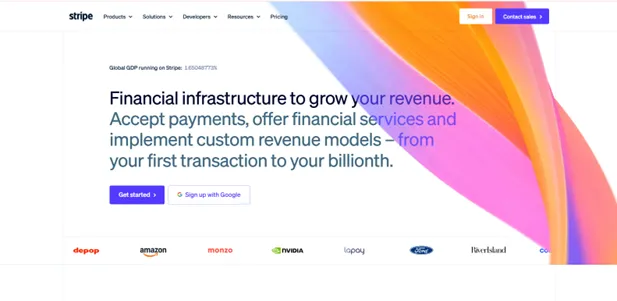
Stripe gives businesses a flexible payment stack rather than a single checkout tool. You can use its hosted checkout, send payment links, manage recurring billing or build custom payment flows through APIs.
For UK merchants, Stripe charges 1.5% + 20p for standard UK cards and 1.9% + 20p for premium UK cards. International cards, currency conversion and extra products can raise the final cost, so the full fee stack matters if you sell across borders.
Key features:
- Hosted checkout: Ready-made checkout pages for online payments
- Payment links: No-code links for invoices, campaigns or simple sales
- Subscription billing: Recurring payment tools for memberships and SaaS pricing
- Developer APIs: Flexible payment flows for custom sites, apps and platforms
- Fraud tools: Risk controls for online card payments
Best for: E-commerce brands, SaaS companies, platforms and online businesses that want flexible checkout rather than a basic payment button.
2. Square
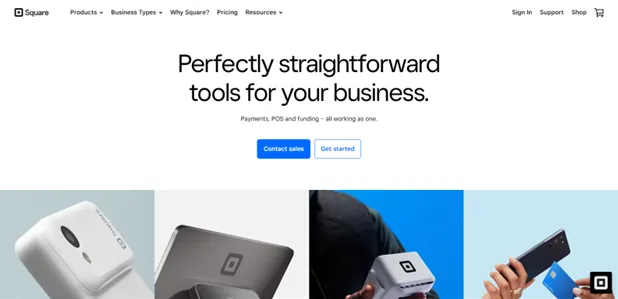
Square brings payment acceptance and day-to-day selling tools into one system. Businesses can take card payments, track sales, manage items, send invoices and review payouts from the same dashboard.
Square charges 1.75% for in-person card payments in the UK. It also applies an additional fee for cards issued outside the UK, which is worth checking if your business serves tourists or international customers.
Key features:
- Card readers: Contactless, chip and PIN and mobile wallet payments
- POS tools: Sales, items, staff and inventory features
- Online selling: Square Online and checkout tools
- Invoices: Payment requests for services and remote orders
- Reporting: Sales, refunds and payouts in one dashboard
Best for: Cafés, salons, pop-ups, small retailers and local service businesses that want card payments and simple POS tools together.
3. SumUp
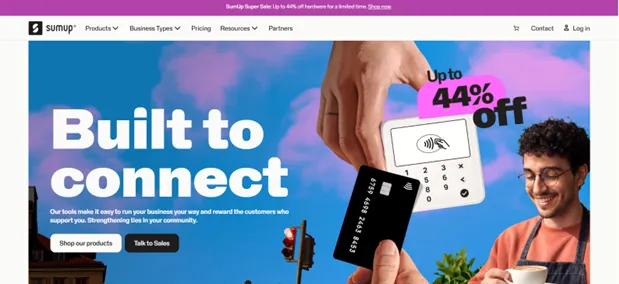
SumUp keeps card acceptance simple. Its setup focuses on portable card readers, Tap to Pay and pay-as-you-go pricing, so businesses can start taking payments without a long merchant services process or a heavy monthly commitment.
SumUp charges 1.69% for in-person payments on its standard pay-as-you-go plan and 2.50% for online payments. Its Payments Plus plan costs £19 per month and lowers the in-person transaction fee, which may help businesses with steadier card volume.
Key features:
- Portable card readers: Useful for counters, stalls and mobile work
- Tap to Pay: Take contactless payments from a compatible phone
- Payment links: Send remote payment requests without a website
- Pay-as-you-go pricing: No monthly fee on the standard plan
- Payments Plus: Lower in-person rates for a monthly fee
Best for: Tradespeople, market sellers, mobile businesses, seasonal traders and small shops that want a simple route into card payments.
4. Shopify Payments
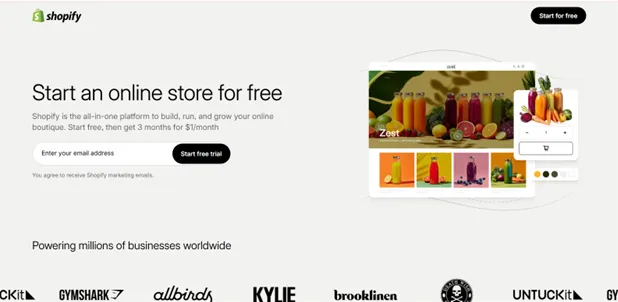
Shopify Payments keeps the checkout inside the same place where merchants manage products, orders and store reporting.
That reduces the need to connect a separate gateway from day one and gives store owners a cleaner view of payments, payouts and fraud checks.
Shopify’s UK help centre also covers local bank account requirements, payout details and verification requirements for UK businesses.
Key features:
- Built-in Shopify checkout: Payments handled inside the Shopify store admin
- Order-linked reporting: Payments, orders and payouts connected in one place
- Fraud analysis: Risk signals tied to Shopify orders
- Multiple payment methods: Card and wallet options at checkout
- Payout visibility: Payment tracking inside Shopify
Best for: Shopify stores, DTC brands and small e-commerce teams that want checkout and payment reporting inside the platform they already use.
5. PayPal
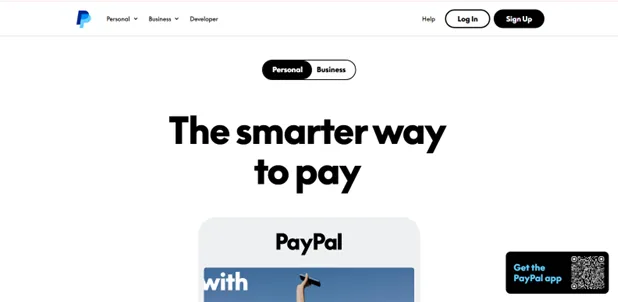
PayPal gives customers a checkout option they already know. Many shoppers already have a PayPal account, so they can pay without typing their card details into another website.
It can also help if you sell outside the UK. PayPal supports 200+ markets and 130 currencies, so you can use it alongside card checkout for customers who prefer a familiar wallet option.
Key features:
- PayPal Checkout: Familiar wallet checkout for online customers
- Card and wallet payments: More choice at checkout
- Payment links and buttons: Simple tools for selling without a full store
- Invoicing: Useful for freelancers and service businesses
- Cross-border checkout: Support for many international markets and currencies
Best for: Freelancers, creators, charities, small online stores and businesses that want to add a recognised wallet option to checkout.
6. Worldpay
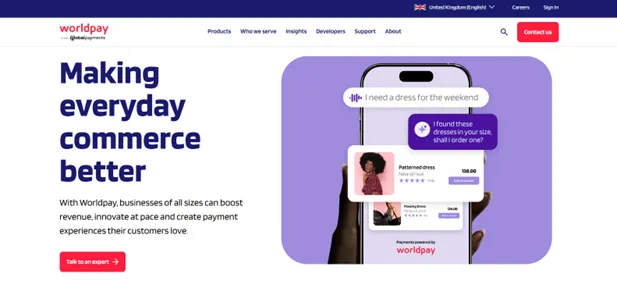
Worldpay offers a more traditional merchant services setup, with card machines, e-commerce payments, POS, payment links, virtual terminal tools and settlement support.
It gives businesses several ways to accept payments through a single provider, but pricing often requires a quote rather than a quick flat-rate comparison.
Key features:
- Card machines: Countertop, portable and mobile options
- Online payments: E-commerce checkout and gateway tools
- Virtual terminal: Take payments over the phone
- Payment links: Remote payment collection
- Tailored pricing: Quote-based plans for different payment volumes
Best for: Established SMEs, retailers, hospitality businesses and companies with higher card volumes that want online and in-person payments from a large provider.
7. takepayments
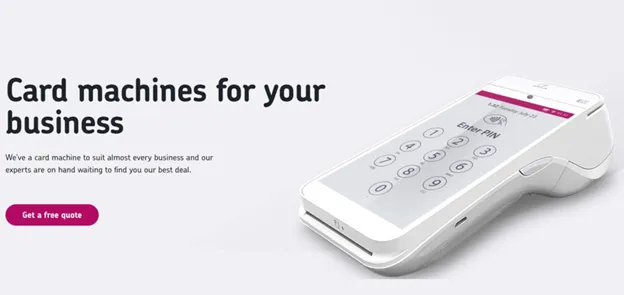
takepayments feels more hands-on than many self-serve payment platforms. Instead of picking a plan from a public rate card, you can speak to a team about card machines, online payments, POS systems and pricing.
Its setup includes tailored transaction rates, next-working-day settlement, a dedicated joining team, seven-day-a-week support and 12-month contracts. That can work well for businesses that want guidance, but it also makes the quote worth checking closely before you sign.
Key features:
- Card machines: Options for in-store, mobile and on-the-go payments
- Online payments: Tools for taking payments remotely
- POS systems: Useful for shops, cafés and hospitality businesses
- Next working day settlement: Helps with daily cash flow
- Guided onboarding: Support during setup and switching
Best for: Independent shops, restaurants, cafés and local businesses that want help choosing and setting up a card payment system.
8. GoCardless
GoCardless focuses on bank payments rather than card checkout. Its strength is collecting money directly from customer bank accounts through Direct Debit and other bank payment options, which can work well for regular invoices, memberships and subscriptions.
GoCardless charges 1% + 20p per UK Direct Debit transaction on its Standard plan, capped at £4. That cap can make a difference for larger recurring payments, where uncapped percentage fees can become expensive.
Key features:
- Direct Debit: Collect regular payments from customer bank accounts
- Recurring payments: Useful for subscriptions, memberships and retainers
- Instant Bank Pay: One-off bank payments
- Failed payment handling: Tools for retries and payment recovery
- Integrations: Connections with accounting and business software
Best for: Membership businesses, agencies, accountants, charities, B2B service providers and subscription businesses that collect predictable payments from customer bank accounts.
9. Mollie
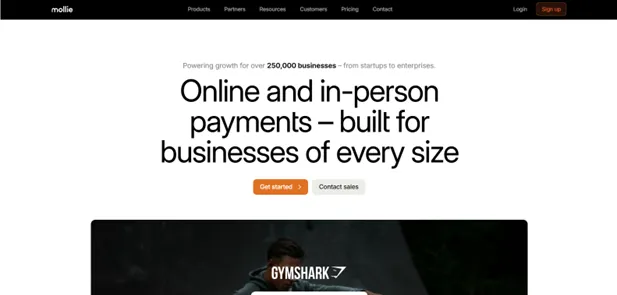
Mollie makes payment setup simple while giving customers plenty of payment options. You can use it for online payments, in-person payments, recurring billing, payment links and invoicing, with support for cards, wallets and local European payment methods.
Its pricing model is flexible, with no minimum costs, no lock-in contracts and no hidden fees. You pay when a transaction goes through.
Key features:
- Broad payment choice: Cards, wallets and local payment methods
- Hosted checkout: Quick setup for online stores
- Recurring billing: Support for subscription payments
- Payment links: Remote selling through email, chat or invoices
- No lock-in contract: Flexible setup for growing businesses
Best for: E-commerce stores, European-facing sellers, subscription businesses and smaller online teams that want broad payment choice without a long contract.
10. Tyl by NatWest
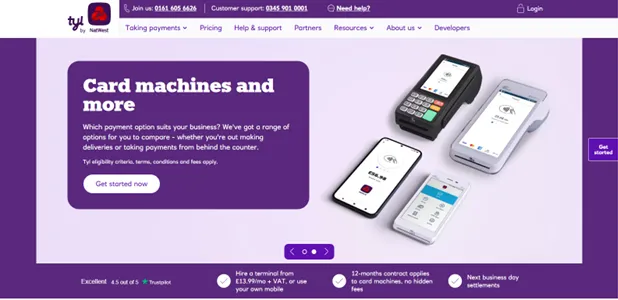
Tyl by NatWest gives UK businesses a familiar name behind their payment setup, with tools for card machines, online payments, payment links, phone payments and Tap to Pay.
Tyl includes next-business-day settlement as standard across its payment options. Card terminal hire starts from £13.99 per month + VAT, with a 12-month contract, while Tap to Pay lets businesses accept contactless payments from a compatible smartphone.
Key features:
- Card machines: Take payments in-store or on the move
- Tap to Pay: Accept contactless payments from a compatible smartphone
- Online payments: Hosted checkout and website payment tools
- Payment links: Remote payment collection
- Virtual terminal: Take payments over the phone
- Next business day settlement: Standard across Tyl payment options
Best for: UK small businesses that want card machines, online payments and phone payments from a provider connected to a familiar banking brand.
Where WorldFirst fits into small business payment processing
For UK businesses that sell in one market, payment processing may feel complete once customer payments land in the business account. Cross-border businesses usually have a few more moving parts.
Sales can come in through marketplaces, overseas customers or payment platforms in different currencies. After that, you still need to hold funds, convert money, pay suppliers, manage ad spend and keep international costs under control.
That’s where WorldFirst fits into the wider payment setup. You can use tools like Stripe, Shopify Payments, PayPal or a card machine to take customer payments, then use World Account to manage what happens after the sale.
WorldFirst isn’t a checkout payment processor or card acquirer. It’s a regulated financial platform built for businesses that trade across borders, with the World Account designed to help companies receive, hold, convert and send money in multiple currencies.
Key features:
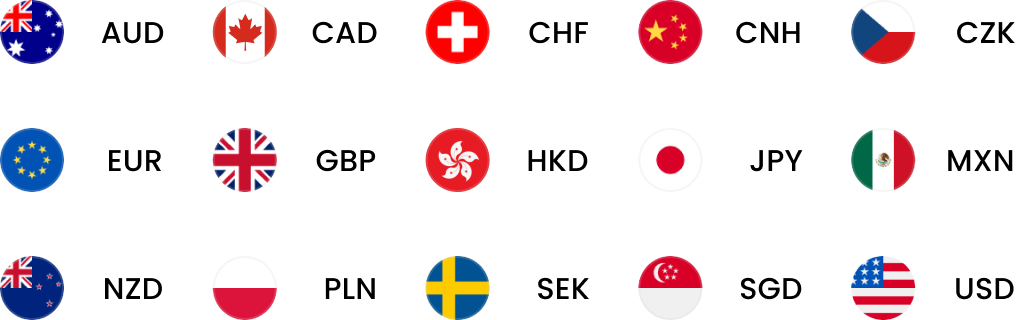
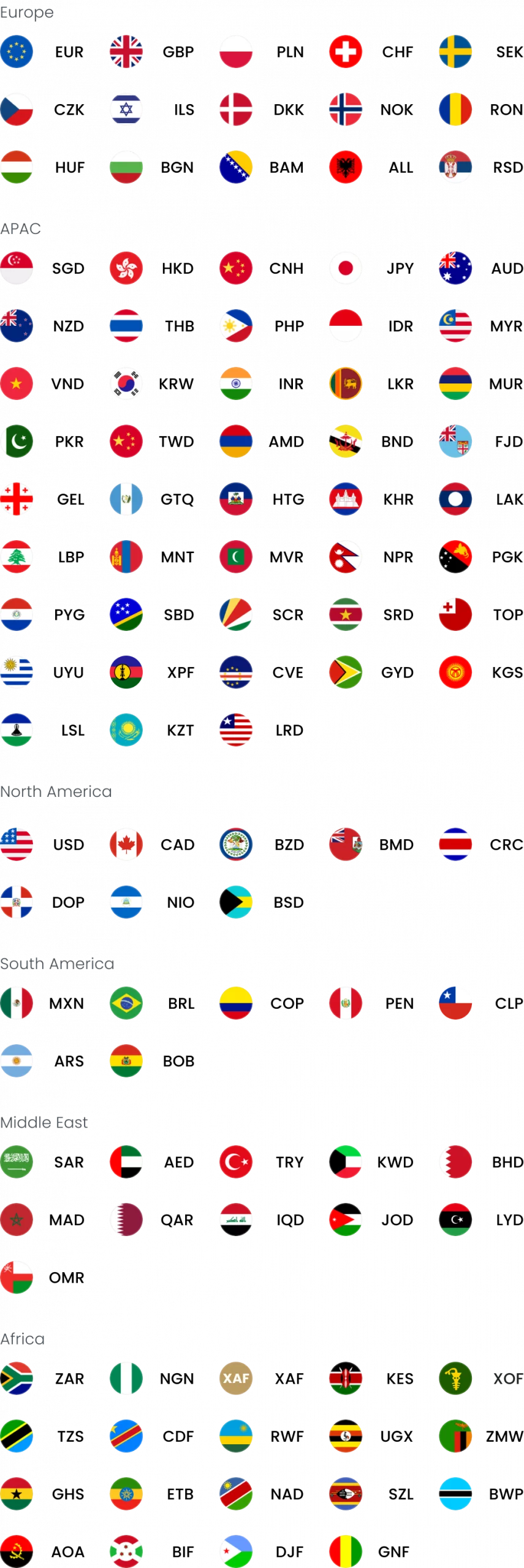
- Multi-currency collections: Receive and hold money in 20+ currencies from one account
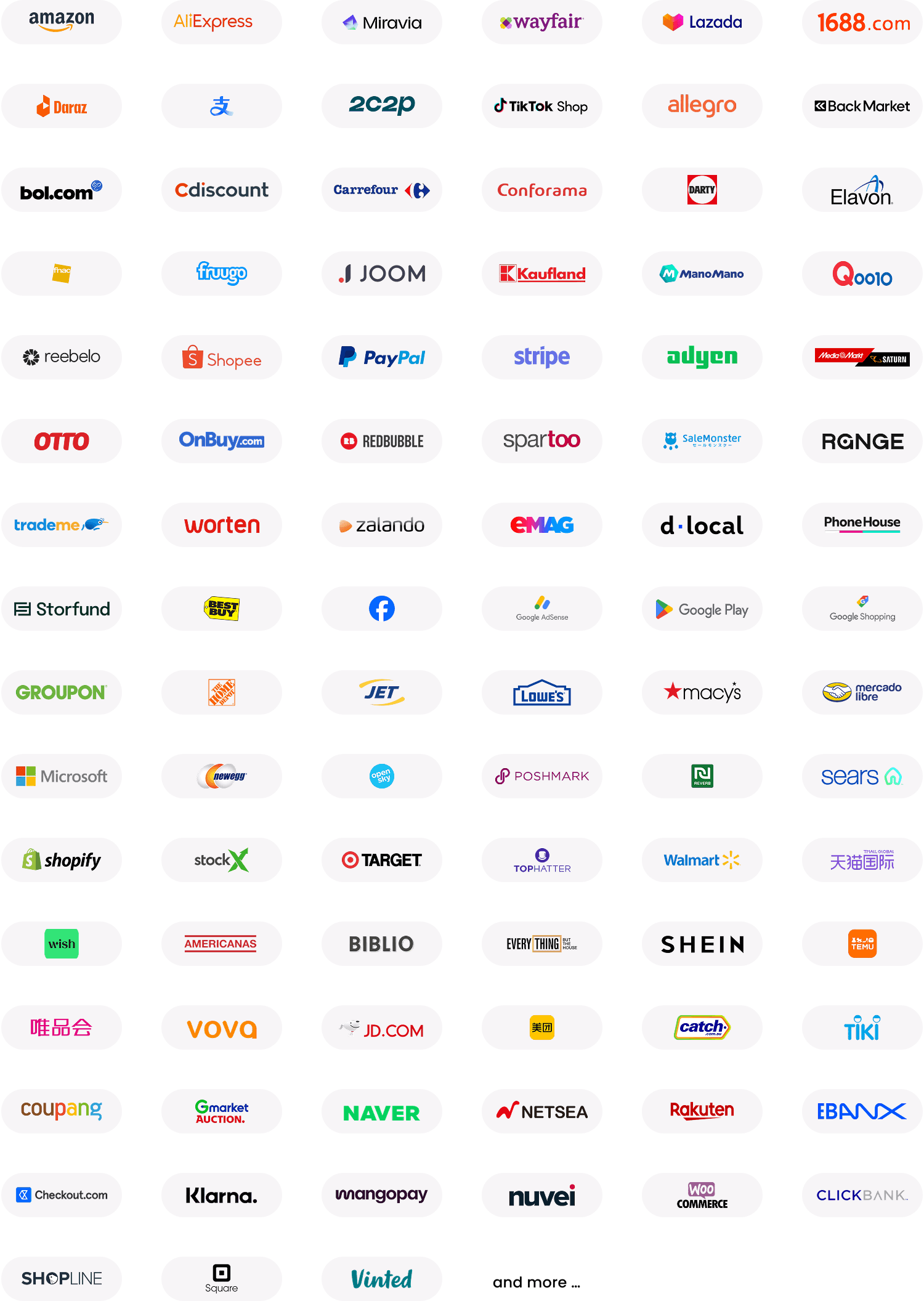
- Marketplace payouts: Collect earnings from 130+ marketplaces, including Amazon, Etsy, TikTok Shop and AliExpress
- Supplier payments: Send money in 100+ currencies to pay overseas suppliers, contractors and business partners
- FX control: Hold funds and convert currencies when the timing works for your business
- World Card: Pay in 150+ currencies across 210+ countries and territories
- Lower card FX costs: Pay with zero FX fees in 15 major currencies when spending from your WorldFirst balance
- Business spend rewards: Earn up to 1.2% cashback on eligible World Card purchases
For small businesses selling across borders, WorldFirst can help manage the part after checkout: collecting international revenue, holding currencies, converting funds and paying suppliers when the timing works for your business.
Open a World Account to receive, hold, convert and send money across currencies, so you can keep more control over currency and payment timing.
FAQ
1. What is the cheapest payment processor for small businesses in the UK?
The cheapest option depends on how you accept payments, your monthly sales volume, the card types you accept and any FX costs. Compare the full monthly cost, not just the headline transaction rate.
2. Can I take card payments without a card machine?
Yes. You can take card payments through online checkout, payment links, invoices, QR codes or a virtual terminal. You only need a card machine for face-to-face payments.
3. Do small businesses need a payment gateway?
You need a payment gateway if you accept card payments online. For in-person sales only, a card reader or POS system may be enough.
4. How can small businesses accept international payments?
Small businesses can accept international payments through payment gateways, marketplaces, PayPal, card processors and multi-currency accounts. A multi-currency account can help you receive, hold and convert funds after the sale.
Sources:
- https://www.gov.uk/government/statistics/business-population-estimates-2025/business-population-estimates-for-the-uk-and-regions-2025-statistical-release
- https://www.ukfinance.org.uk/system/files/2025-10/Payment%20Markets%20Report%20Summary.pdf
- https://www.ons.gov.uk/businessindustryandtrade/retailindustry/timeseries/j4mc/drsi
- https://stripe.com/gb
- https://squareup.com/gb/en
- https://www.sumup.com/en-gb/
- https://www.shopify.com/
- https://www.paypal.com/uk/home
- https://www.worldpay.com/en-GB
- https://www.weareplanet.com/
- https://www.mollie.com/
- https://www.tylbynatwest.com/
- http://www.takepayments.com/
- https://www.worldfirst.com/uk/