





























A telegraphic transfer (TT) from Singapore usually takes one to five business days, depending on the destination, currency, provider, receiving bank and any checks along the way.
Singapore import activity remains high, with total imports reaching SG$75,058.5 million in May 2026, according to the Singapore Department of Statistics.
For a new importer, that trade volume shows up in a much smaller moment: paying a supplier early enough for production to move ahead. The speed of an overseas supplier payment depends on the route you choose, and telegraphic transfer remains one of the most common options for direct bank-to-bank settlement.
In this article, we’ll explain how long a telegraphic transfer takes, what can delay it and how to make overseas supplier payments go as smoothly as possible.
Key takeaways:
- TT payments need realistic timing expectations: From Singapore, telegraphic transfers can take several business days, especially when the payment involves new supplier details, extra checks or intermediary banks
- Cleared funds matter more than sent status: A supplier may wait to see the funds in their account before starting production, releasing goods or confirming shipment
- Small payment details can create real delays: Processing cut-offs, public holidays, currency conversion, invoice references and mismatched bank details can all affect when the supplier receives the money
- A short payment can slow the order down: FX costs, intermediary charges and receiving bank fees can reduce the final amount, which may delay the order if the supplier expects the full invoice value
- A multi-currency account can make regular supplier payments easier to manage: WorldFirst lets importers hold funds in multiple currencies, convert when ready and track supplier payments from one platform
What is a telegraphic transfer?
A telegraphic transfer (TT) is an electronic payment sent from one bank account or payment provider to an overseas bank account. Importers often use TT payments for supplier deposits, balance invoices and freight-related costs.
People often use the terms TT, wire transfer, overseas funds transfer and international bank transfer to describe similar types of overseas bank payments. The wording can vary by bank, provider and market.
Suppliers in Asia commonly use TT on invoices when they want a direct bank payment to their nominated account.
Here’s how a telegraphic transfer works:
- You enter the payment details: You add the supplier’s legal name, bank name, account number, SWIFT/BIC, receiving currency, payment amount and invoice reference
- Your provider reviews the transfer: Your provider checks the account balance, payment details, payment purpose and any currency conversion needed before sending the payment
- The payment instruction moves through the network: Your provider sends the payment instruction through the relevant route, which may include SWIFT, local payment networks or intermediary banks
- Banks process the payment along the route: Each bank involved may check the details, apply charges where relevant and pass the payment to the next institution
- The supplier’s bank credits the account: The supplier can see the funds once their bank completes its checks and credits the money to their account
What telegraphic transfer timing means for supplier payments
For supplier payments, TT timing matters most when it affects the supplier’s next step, such as starting production, releasing goods or confirming shipment.
Many suppliers wait for funds to arrive before they start production, release goods or confirm shipment. SWIFT data shows that 90% of cross-border payments reach the beneficiary’s bank within an hour, but the receiving bank may still need additional time to credit the supplier’s account.
That matters for your order timeline. The receiving bank may take time to credit the account, and the supplier may then need to match the payment to your invoice before confirming the next step.
| Supplier payment stage | Why timing matters |
| Deposit before production | The supplier may wait for cleared funds before starting work |
| Balance before shipment | The supplier may release goods or confirm shipping only after the full amount arrives |
| First payment to a new supplier | New payee details, payment purpose or invoice checks can add time |
| Urgent payment near a deadline | If you miss a cut-off time or the receiving bank needs more checks, the order can move into the next working day |
Why does the telegraphic transfer payment time vary?
1. Weekends and public holidays
TT payments usually move on business days. Weekends can pause processing, and public holidays can affect either Singapore or the supplier’s country.
Singapore’s 2026 public holidays include Chinese New Year on 17 and 18 February, Good Friday on 3 April and Labour Day on 1 May. Supplier markets have their own holiday calendars, so a working day in Singapore can still fall during a bank holiday in the receiving country.
Read more: How to pay suppliers in China
2. Processing deadlines
Banks and payment providers process overseas transfers within set daily cut-off times. A payment submitted before the cut-off can move the same business day. If you submit the payment after the cut-off, your provider usually processes it on the next business day.
For example, a payment approved late on Friday may miss that day’s processing window. In that case, your supplier would need to wait until the following week before seeing the funds.
3. Destination and receiving bank
The destination country and receiving bank affect how quickly the supplier can access funds. A payment to a major bank in a common currency usually has a more direct route than a payment to a smaller bank or a less common corridor.
4. Intermediary banks
Some TT payments pass through one or more intermediary banks before reaching the supplier’s bank. This usually happens when the sending provider and receiving bank don’t have a direct payment route.
Each intermediary can add processing time. Intermediary charges can also reduce the amount that reaches the supplier, which is important if the supplier expects the exact invoice amount before releasing the order.
5. Incorrect or incomplete payment details
Payment details need to match the supplier’s bank records. A mismatch in the beneficiary name, account number, SWIFT/BIC, bank name, bank address, currency or invoice reference can slow down the transfer.
A supplier may trade under one name but hold the bank account in another legal name. The receiving bank uses the beneficiary name to confirm the payment belongs to that account, so a mismatch can lead to extra checks, a payment query or a rejected transfer.
6. Payment checks
First-time orders, larger amounts, and unclear payment purpose can add review time because banks and payment providers need to understand the commercial reason for the transfer.
For new importers, these checks often appear on the first few payments to a supplier. A provider or receiving bank may ask for an invoice, purchase order or payment purpose to confirm that the payment matches a real supplier order before releasing or crediting the funds.
Read more: Best money changer in Singapore
How to avoid telegraphic transfer delays
You can’t control every bank’s potential issues and requests, but you can reduce the most common causes of delay before you send the transfer.
Focus on the details that your provider and supplier’s bank will check first:
- Confirm the supplier’s bank details before the first payment: Ask the supplier to confirm the legal account name, account number, bank name, bank address and SWIFT/BIC, then match those details against the invoice
- Match the payment currency to the invoice: Send the payment in the invoice currency unless the supplier has explicitly approved the payment in another currency
- Add a clear invoice reference: Include the invoice number, purchase order number or order reference so the supplier can match the payment to your order
- Check the processing deadline before you send: Submit the TT before the provider’s cut-off time, especially when you’re paying close to a production or shipment deadline
- Understand who pays transfer charges: Check whether sending, intermediary or receiving bank charges could reduce the amount your supplier receives
- Keep supporting documents ready: Keep the invoice, purchase order, supplier contract and payment purpose ready in case your provider asks for more information
- Send proof of payment to the supplier: Share the payment receipt or remittance advice so the supplier has a record to check against their bank account
How to avoid telegraphic transfer delays
A telegraphic transfer can include sending fees, FX costs and bank charges along the route.
| Cost | What it means |
| Sending fee | The fee charged to send the overseas transfer |
| FX margin | The cost built into the exchange rate when SGD converts into USD, CNH, EUR or another currency |
| Intermediary bank charge | A charge deducted by a bank in the payment route |
| Receiving bank charge | A charge deducted by the supplier’s bank before crediting the account |
For example, say a Singapore importer pays a US$20,000 supplier invoice, and the FX margin is 0.6%. The FX cost would be US$120, before transfer fees or any intermediary and receiving bank charges.
Check the charge option before sending the transfer, especially for deposits, balance payments and shipment-related invoices.
Telegraphic transfer vs other ways to pay overseas suppliers
A TT remains a familiar way to pay overseas suppliers, especially for factory deposits, balance payments and direct bank-to-bank settlement.
Other payment routes can work better when speed, platform protection or currency control matters more.
| Payment method | Works for | Timing note |
| Same-day overseas transfer route | Urgent payments to selected markets | Same day where supported |
| Multi-currency account payment | Repeat supplier payments in supported currencies | Same day or next day where local routes are available |
| Marketplace escrow | Platform-based supplier orders | Varies by platform release rules |
| Card payment | Small payments where the supplier accepts cards | Usually authorised quickly |
Manage overseas supplier payments with WorldFirst
After your first few supplier payments, you need to manage telegraphic transfer timing alongside currencies, payment routes, invoice references and proof of payment across every order.
WorldFirst helps Singapore businesses manage overseas supplier payments through a multi-currency World Account, with currency balances, payment routes and transfer tracking available from one platform.
Say you’re a Singapore importer paying a US$20,000 supplier invoice. At a 0.6% FX margin, the FX cost would be US$120 before transfer fees or any intermediary and receiving bank charges. Through WorldFirst, a local non-SWIFT USD payment costs US$1 where supported, while SWIFT transfers start from US$5. Payments between WorldFirst accounts can also be instant and free in supported currencies.
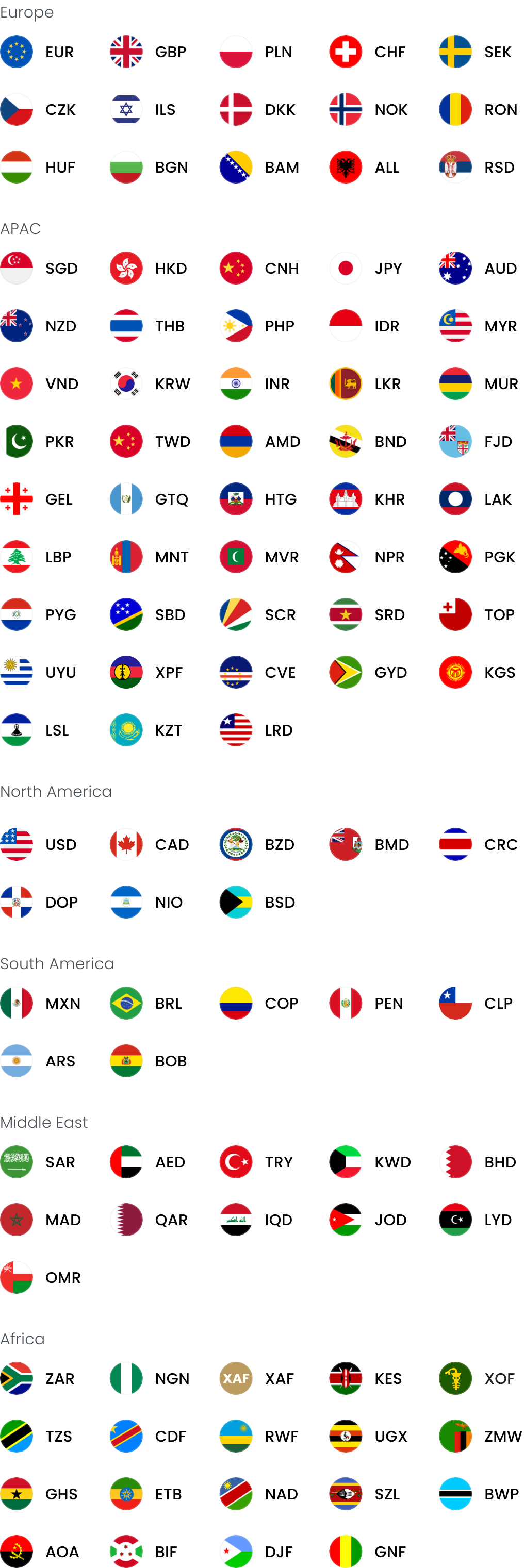
With a World Account, you get a multi-currency account to hold funds, convert when you’re ready, pay suppliers in 100+ currencies to 210+ countries and territories and track incoming and outgoing payments from one platform.
WorldFirst supports supplier payments through local networks and SWIFT, with 80% of payments landing on the same day. Transfers between World Accounts can also be instant with zero fees when your supplier uses WorldFirst too.
For a Singapore importer paying a CNH supplier deposit, that means you can prepare the currency, send the payment through an available route and keep a clear payment record before the supplier’s production or shipment deadline.
WorldFirst isn’t a bank and, in Singapore, its entities hold Major Payment Institution licences from the Monetary Authority of Singapore for services including cross-border money transfer, account issuance, domestic money transfer and e-money issuance.
FAQ
1. Is a telegraphic transfer safe for paying a supplier for the first time?
2. How can I track a telegraphic transfer if my supplier hasn’t received it?
3. What should I do if the supplier says the payment arrived short?
Sources:
- https://www.singstat.gov.sg/find-data/explore-data-themes/trade-investment/merchandise-trade/latest-news-data
- https://www.swift.com/news-events/news/swift-data-shows-focus-needed-beneficiary-leg-faster-international-payments
- https://www.mom.gov.sg/employment-practices/public-holidays



![Revolut Business Card review Singapore [2027]: Features, fees & more](https://mdn.marmot-cloud.com/worldfirst/sites/9/2026/09/20261001002258848-300x200.webp)