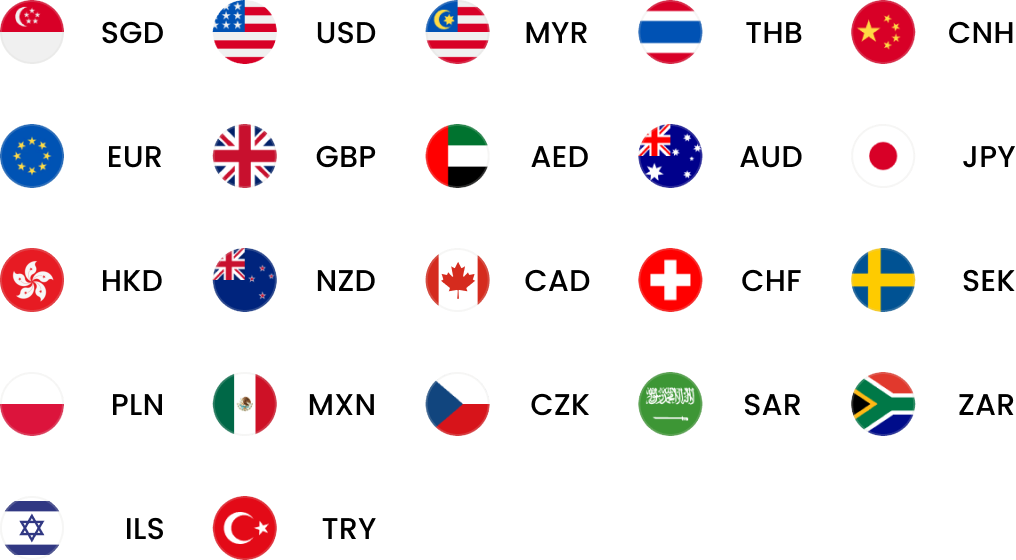





























The main payment methods in Singapore in 2026 include credit and debit cards, mobile wallets, PayNow, FAST transfers, SGQR payments, GIRO, EDP and EDP+, payment gateways and multi-currency business payments.
For Singapore businesses, payment choice affects more than checkout. It can shape cash flow, customer conversion, supplier payments, FX costs, reconciliation and how quickly money moves in and out of the business.
Digital payments already lead day-to-day commerce in Singapore. PwC Singapore and the Singapore FinTech Association reported 92.0% digital payment adoption in 2025, supported by tokenised cards in mobile wallets, PayNow, FAST and SGQR.
In this guide, we’ll compare the best payment methods in Singapore for 2026 and show how businesses can manage local sales, cross-border payments, collections, supplier costs and FX timing.
Key takeaways:
- Singapore businesses need more than one payment method: Customers need quick ways to pay, while finance teams need a setup that supports settlement timing, fees, cash flow and reconciliation
- Digital payments now shape customer expectations: Cards, mobile wallets, PayNow, FAST and SGQR help businesses keep checkout fast and familiar across online, in-person and mobile purchases
- Local payment methods serve different jobs: PayNow, FAST and SGQR support local SGD payments, GIRO helps with repeat collections and EDP or EDP+ can help businesses move away from cheque-based deferred payments
- Cross-border payments need closer cost control: Businesses collecting marketplace payouts, paying overseas suppliers or managing costs in different currencies should check FX margins, conversion timing, transfer fees and the final recipient amount
- WorldFirst helps connect local growth with international payments: With a World Account, Singapore businesses can receive, hold, convert and pay in multiple currencies, helping them manage cross-border collections, supplier payments, FX timing and reconciliation from one place
Open a World Account to keep more control over currency and payment timing.
Why payment methods matter for Singapore businesses
Payment methods matter because customers now expect payment to feel fast, familiar and low-effort. The fewer steps they have to take, the easier it is to complete a purchase, pay an invoice or repeat an order.
For businesses, that expectation reaches beyond checkout. Payment choice affects cash flow, settlement timing, fees, reconciliation and customer trust. A smooth payment experience can help sales move faster, while a limited or confusing one can create delays for both the customer and your finance team.
Enterprise Singapore reported that total merchandise trade increased 8.7% to S$1.4 trillion in 2025, following 6.6% growth in 2024, while total services trade rose 3.3% in 2025. Many businesses now collect, hold, convert and send money across multiple markets.
The right payment set-up should support that reality. It should make local payments simple, help customers pay in the way they prefer and give businesses better control over collections, supplier costs, FX timing and working capital.
What are the main payment methods in Singapore in 2026?
Before we look at each payment method in Singapore in detail, here’s a quick comparison of the main options businesses can use in 2026:
| Payment method | Best for | Works well for |
|---|---|---|
| Credit and debit cards | Online checkout, retail sales and business expenses | E-commerce, retail payments, travel, SaaS, ad spend and international customer payments |
| Mobile wallets | Fast mobile and in-person checkout | Mobile checkout, tap payments, food and beverage, delivery apps, events and app-based sales |
| PayNow | Instant local SGD payments | Local customer payments, invoices, QR payments, service businesses and local B2B transfers |
| FAST transfers | Local bank-to-bank payments | SGD supplier payments, vendor invoices, refunds, one-off B2B payments and internal fund movement |
| SGQR payments | Simple QR code acceptance | Retail counters, cafés, restaurants, pop-ups, service businesses and QR-based PayNow payments |
| GIRO and recurring payments | Repeat billing and scheduled collections | Subscriptions, memberships, training fees, retainers, regular B2B invoices and instalments |
| EDP and EDP+ | Deferred payments and cheque replacement | Deferred supplier payments, deposits, project tenders, rental payments and future-dated commitments |
| Payment gateways | Online checkout and e-commerce | E-commerce stores, SaaS platforms, booking websites, digital products, subscriptions and online services |
| Multi-currency business payments | Cross-border businesses | Overseas supplier payments, marketplace payouts, foreign currency balances, international contractors and FX timing |
1. Credit and debit cards
Best for: Online checkout, retail sales and business expenses
Credit and debit cards remain one of the main payment methods in Singapore because customers already know how to use them. They work across online stores, retail counters, travel platforms, subscriptions, apps and international purchases.
Singapore Business Review reported that cards accounted for 44% of e-commerce spend and 40% of POS spend in Singapore in 2025, based on Global Payments Report data. That makes cards a strong option when customers want a familiar checkout method or when overseas buyers may not use local options such as PayNow.
Cards also help businesses manage spending on ads, software, travel and logistics. A dedicated business card can keep company expenses separate and make reconciliation easier.
Common use cases:
- Online checkout
- Retail payments
- Business expenses
- Travel, SaaS and ad spend
- International customer payments
Check before using them:
- Processing fees
- Chargebacks and refunds
- Settlement timing
- Foreign transaction fees
- Accounting exports
2. Mobile wallets
Best for: Fast mobile and in-person checkout
Mobile wallets make payments quick for customers who prefer to tap, scan or approve purchases from a phone, wearable or app. In Singapore, common options include Apple Pay, Google Pay, GrabPay, DBS PayLah! and wallet payments linked to cards or bank accounts.
According to Worldpay’s Global Payments Report 2026, cited by Fintech News Singapore, digital wallets captured 40% of e-commerce value and 36% of POS value in Singapore in 2025. That makes them especially relevant for mobile-first stores, food businesses, delivery services, events and app-based commerce.
Common use cases:
- Mobile checkout
- In-store tap payments
- Food and beverage
- Delivery apps
- Events and pop-ups
Check before using them:
- Customer fit
- POS or gateway support
- Merchant fees
- Refund handling
- Reporting by wallet type
3. PayNow
Best for: Instant local SGD payments
PayNow lets users send and receive Singapore dollar payments through participating banks and non-bank financial institutions using a mobile number, NRIC/FIN, UEN or Virtual Payment Address.
ABS states PayNow runs through FAST and is available 24/7, 365 days a year for retail customers.
For companies, PayNow Corporate lets businesses link a UEN to a Singapore bank account and receive SGD payments more easily.
PayNow also supports selected cross-border links with Thailand’s PromptPay, India’s UPI and Malaysia’s DuitNow through specific participating-bank flows.
Common use cases:
- Local customer payments
- Invoice payments
- QR payments
- Service businesses
- Local B2B transfers
Check before using it:
- Bank participation
- UEN registration
- Transfer limits
- Refund process
- Reconciliation references
4. FAST transfers
Best for: Local bank-to-bank payments
FAST (Fast and Secure Transfers) supports real-time SGD transfers between participating banks and financial institutions. It also powers many local account-to-account payment flows, including PayNow.
FAST works best when both sides have Singapore bank accounts and the payment needs to move quickly in SGD. It can support local supplier invoices, vendor payments, refunds, one-off B2B transfers and internal fund movement.
Common use cases:
- Local supplier payments
- SGD vendor invoices
- Local refunds
- One-off B2B payments
- Internal fund movement
Check before using it:
- Daily limits
- Participating bank support
- Approval workflows
- Recipient details
- Payment references
5. SGQR payments
Best for: Simple QR code acceptance
SGQR provides merchants with a single QR code that supports multiple payment schemes. For cafés, retailers, event vendors, service providers and small merchants, it can make scan-to-pay simpler at the counter.
For in-person payments, customers can scan a QR code and pay through a mobile banking app or wallet. That makes it easier for businesses to accept cashless payments without building a full online checkout.
Common use cases:
- Retail counters
- Cafés and restaurants
- Pop-ups and events
- Service businesses
- QR-based PayNow payments
Check before using it:
- Supported payment schemes
- Settlement timing
- Merchant fees
- Payment confirmation process
- Daily reporting
6. GIRO and recurring payments
Best for: Repeat billing and scheduled collections
GIRO supports authorised bank account deductions. ABS describes it as an electronic direct debit mechanism used by billing organisations to collect payments at low cost.
For businesses, GIRO fits recurring relationships better than one-off checkout. It can support subscriptions, memberships, instalments, rent, service contracts, training fees and regular B2B collections.
GIRO is not as instant as a card tap or PayNow scan. Its value comes from reducing manual chasing once the customer mandate is in place.
Common use cases:
- Monthly subscriptions
- Membership fees
- Training fees
- Service retainers
- Regular B2B invoices
- Rent and instalments
Check before using it:
- Mandate setup
- Customer approval steps
- Failed deductions
- Cancellation rules
- Reattempt logic
7. EDP and EDP+
Best for: Deferred payments and cheque replacement
EDP (Electronic Deferred Payment) and EDP+ give businesses a digital way to manage deferred payments as Singapore phases out corporate cheques.
The key difference is when the money leaves the payer’s account:
- With EDP, the payer’s bank deducts the funds only when the payee requests payment on or after the effective date.
- With EDP+, the payer’s bank deducts the funds when the payer issues the EDP+, giving the payee more confidence that the payer has already set the money aside.
ABS has announced that banks will stop issuing new SGD corporate cheque books, bulk cheque services and cheque self-printing services from 1 January 2026. They will also stop processing SGD corporate cheques from 1 January 2027.
That makes EDP and EDP+ useful for businesses that still depend on post-dated cheques, rental payments, deposits or other future-dated payment commitments.
Common use cases:
- Deferred supplier payments
- Deposit-style payments
- Project tenders
- Rental payments
- Post-dated cheque replacement
- Future-dated payment commitments
Check before using them:
- Bank availability
- EDP versus EDP+ deduction timing
- Expiry rules
- Cancellation process
- Recipient acceptance
8. Payment gateways
Best for: Online checkout and e-commerce
Payment gateways bring several online payment options into one checkout. A gateway may support cards, wallets, PayNow, bank transfers, refunds, recurring billing, fraud tools and integrations with platforms such as Shopify or WooCommerce.
For e-commerce businesses, a gateway handles much of the work behind checkout, including authorisation, transaction logs, settlement reporting and refund management.
A strong gateway matters because shoppers do not all pay the same way. Some prefer cards, some prefer wallets and some want bank transfer options. A gateway helps merchants offer that choice without having to build every payment route separately.
Common use cases:
- E-commerce stores
- SaaS platforms
- Booking websites
- Digital products
- Subscriptions
- Online services
Check before using them:
- Supported payment methods
- Transaction fees
- FX treatment
- Settlement currencies
- Refund and chargeback tools
- Platform integrations
9. Multi-currency business payments
Best for: Cross-border businesses
Multi-currency business payments help companies receive, hold, convert and send money in different currencies. For Singapore businesses that sell, source or operate across borders, they can matter as much as checkout.
A local payment setup may cover SGD sales. A multi-currency setup helps when a business receives USD or EUR marketplace payouts, pays CNH suppliers, covers SaaS costs in USD, works with overseas contractors or withdraws funds to a Singapore bank account later.
The main value is control. Businesses can separate collection, conversion and payout instead of converting money every time funds move. That can help teams plan supplier payments, manage FX timing and reconcile revenue across markets.
Common use cases:
- Overseas supplier payments
- Marketplace payouts
- USD, CNH, EUR and GBP balances
- International contractors
- Ad spend and SaaS subscriptions
- FX timing and reconciliation
Check before using them:
- Supported currencies
- FX margin
- Transfer fees
- Payment routes
- Marketplace compatibility
- Withdrawal process
How to build the right payment mix in Singapore
Most Singapore businesses need a payment mix, not one payment method:
- Match the method to the payment job: Start with what the payment needs to do. The right combination should reflect how money enters, moves through and leaves the business
- Check the full cost: Fees can come from gateways, cards, wallets, banks, FX margins, SWIFT charges and intermediary deductions. For cross-border payments, compare the exchange rate, conversion margin, transfer fee and final recipient amount
- Protect cash flow: Fast checkout does not always mean fast access to funds. Settlement timing affects how quickly you can restock, pay suppliers, cover payroll or reinvest in ads. For international sellers, holding currency until you need it can also help with FX timing
- Keep reconciliation clean: Each payment should clearly link to an invoice, order, supplier or marketplace payout. Look for clear references, downloadable statements, user permissions and accounting integrations such as Xero or NetSuite
- Plan for international payments early: Many Singapore businesses collect and spend across currencies before they consider themselves international. A multi-currency set-up can help separate local checkout from cross-border cash flow decisions
Manage local payments and international growth with WorldFirst
The best payment setup gives customers familiar ways to pay, while giving your business more control over collections, supplier costs, FX timing and reconciliation.
Local payment methods help with local sales, invoices and repeat collections. For businesses paying suppliers, managing costs or trading across borders, WorldFirst can support the international side of the payment set-up.
WorldFirst isn’t a bank. It’s a regulated financial services provider focused on helping businesses move money across borders, manage multiple currencies and make international payments. In Singapore, WorldFirst is licensed as a Major Payment Institution under the Payment Services Act 2019 by the Monetary Authority of Singapore.
The World Account is WorldFirst’s multi-currency business account. It helps businesses collect payments, hold balances, convert currencies, pay suppliers and manage incoming and outgoing payments from a single platform.
Key features include:
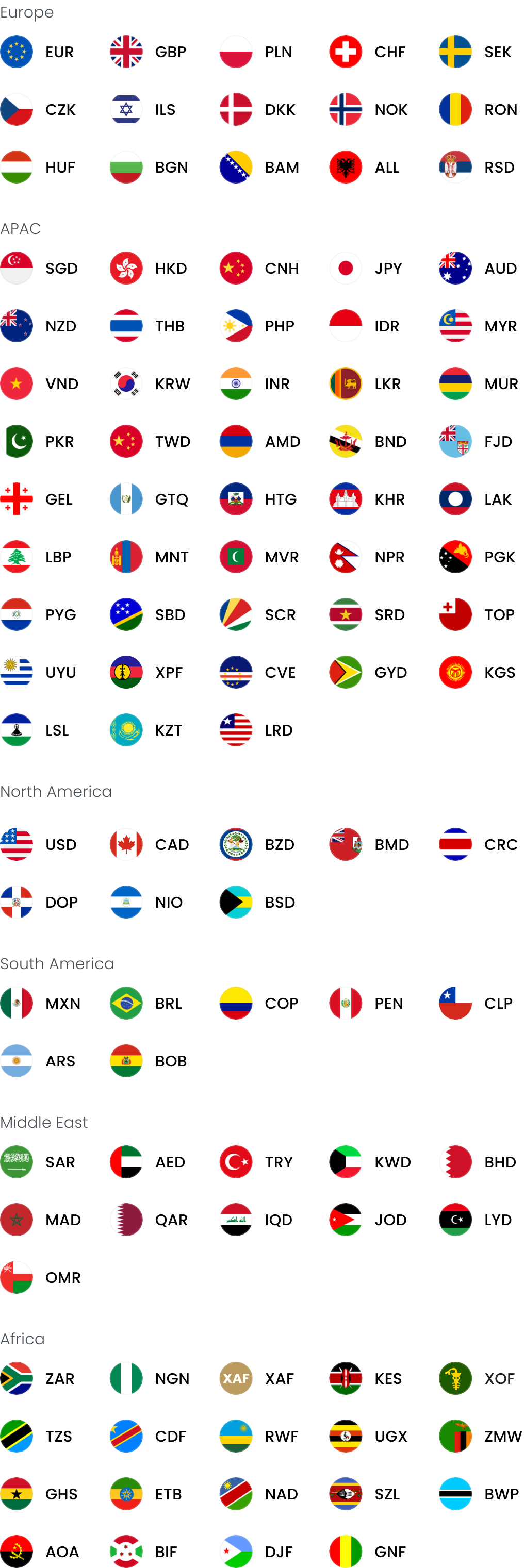
- International payments: Pay suppliers, partners and contractors in 100+ currencies across 210+ countries and territories
- Currency control: Hold balances and convert when it makes sense for supplier payments, operating costs and cash flow
- Clear Singapore pricing: No minimum balance, free account registration, free receiving, free holding, free SGD local transfers, selected local transfers from US$1, SWIFT transfers from US$5 and currency conversion of up to 0.6% for major currencies
- Reconciliation support: Track incoming and outgoing payments, manage user permissions and connect to accounting tools such as Xero and NetSuite
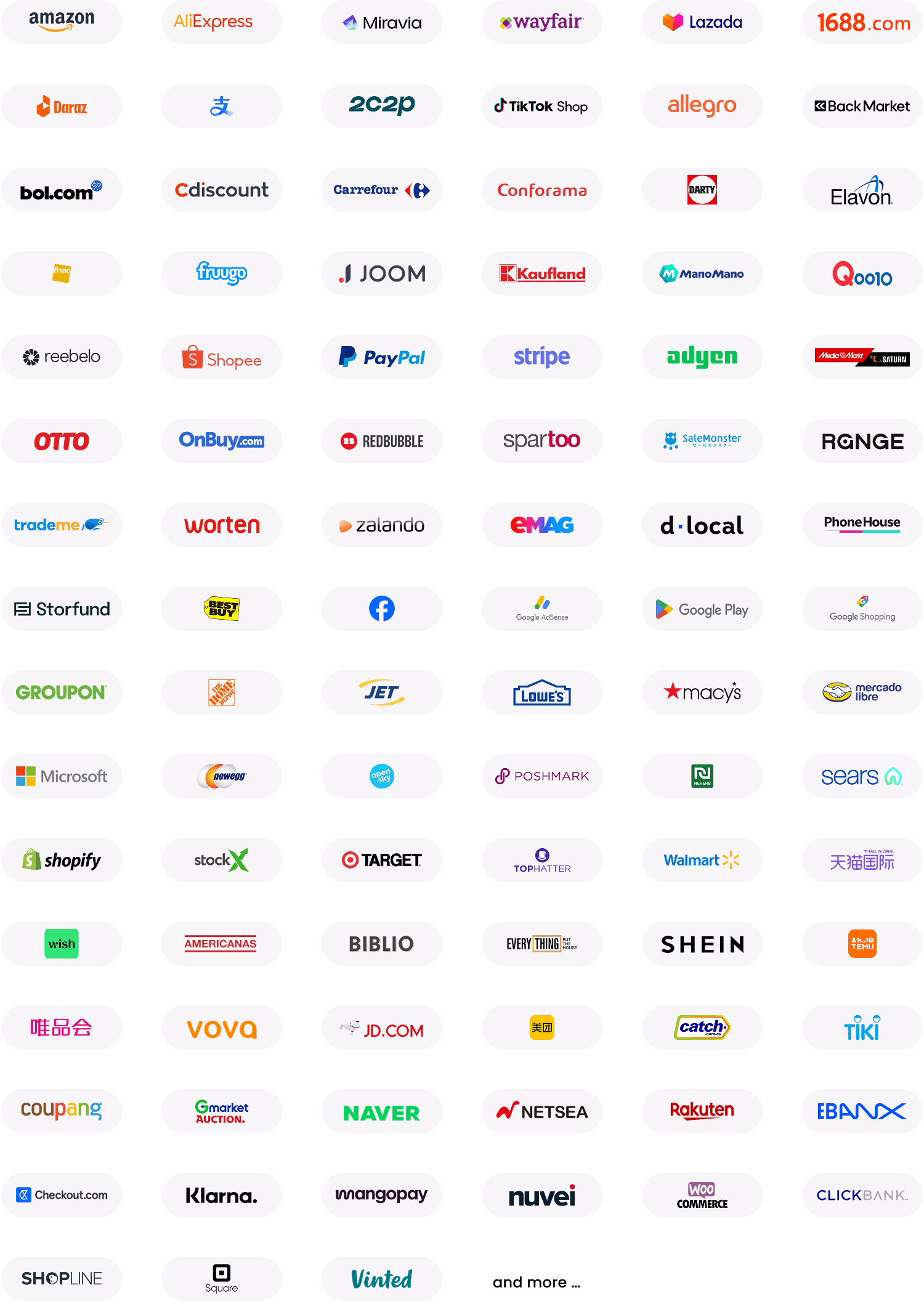
- Marketplace collections: Connect with 130+ marketplaces and payment gateways, including Amazon, Shopee, Shopify and PayPal
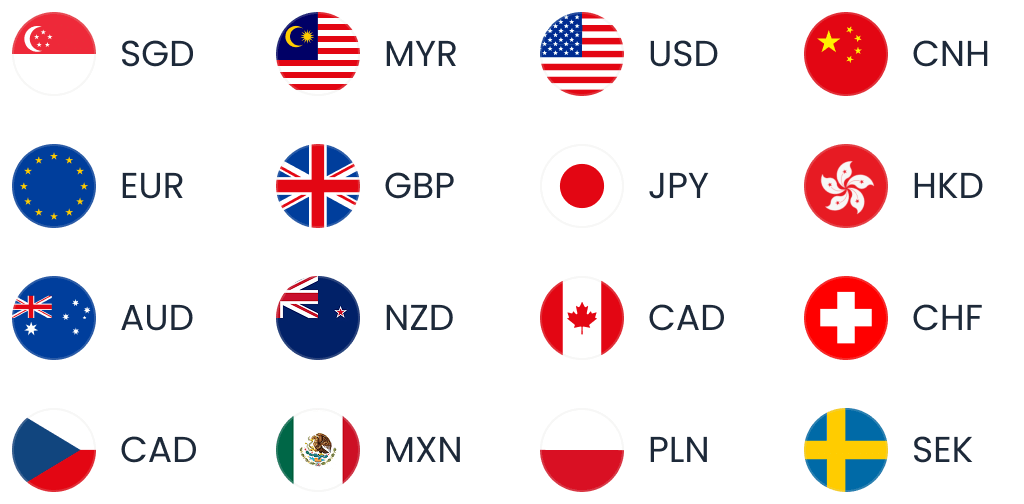
- World Card for business spend: Pay in 150+ currencies across 210+ countries and territories, earn 1.2% cashback on qualifying monthly card purchases and pay with 0% FX fees when using supported balances across 16 major currencies
For businesses that sell locally and trade internationally, WorldFirst can help connect the two sides of the payment mix: local checkout on one side and cross-border collections, supplier payments, FX timing and reconciliation on the other.
Open a World Account to receive, hold, convert and pay in multiple currencies from one place, so your business can keep more control over currency and payment timing.
FAQ
1. What is the cheapest payment method for Singapore businesses?
The cheapest payment method depends on the payment type. Local SGD transfers can be cost-effective for domestic payments, while cards and gateways may add merchant or processing fees. For cross-border payments, consider the exchange rate, FX margin, transfer fee and final recipient amount before choosing.
2. Do Singapore businesses still need to accept cash in 2026?
Some businesses still accept cash, especially for small in-person purchases. But digital payments now lead daily commerce in Singapore, so most businesses benefit from offering familiar cashless options such as cards, wallets, PayNow and QR codes.
3. How do payment methods affect GST records and accounting?
Payment methods affect how easily your team can match payments to invoices, orders, refunds and statements. Clear references, downloadable reports and accounting integrations can make GST records, reconciliation and audit preparation easier.
Sources:
- https://www.pwc.com/sg/en/publications/payments-state-of-play.html
- https://www.enterprisesg.gov.sg/resources/media-centre/media-releases/2026/february/mr00626_review-of-2025-trade-performance
- https://asianbusinessreview.com/news/cards-lead-sgs-payments-market-in-2025-wallets-and-a2a-gain-ground
- https://fintechnews.sg/128337/e-commerce/southeast-asia-payment-methods-2026-global-payments-report/
- https://abs.org.sg/docs/library/paynow_factsheet.pdf
- https://www.mas.gov.sg/development/e-payments/cross-border-payment-linkages
- https://www.abs.org.sg/e-payments/guide-to-e-payments
- https://www.abs.org.sg/e-payments/giro
- https://www.worldfirst.com/sg/

![Revolut Business Card review Singapore [2027]: Features, fees & more](https://mdn.marmot-cloud.com/worldfirst/sites/9/2026/09/20261001002258848-300x200.webp)



![Sole proprietorship Singapore bank account: A guide [2027]](https://mdn.marmot-cloud.com/worldfirst/sites/9/2026/09/20260930221048974-300x200.webp)