





























Digital payment methods in Singapore help businesses collect and send payments quickly online and offline. See which options suit domestic collections, B2B payments and international transactions
Key takeaways
- Cards and digital wallets support fast, convenient online and in-person payments
- PayNow QR enables quick SGD payments directly from customers’ bank accounts
- FAST and GIRO support domestic transfers, with FAST suited to near-instant payments and GIRO to recurring transactions
- The World Account is a multi-currency account that supports businesses handling international collections, payments and foreign currency balances
Singapore businesses and consumers use a range of digital payment methods in Singapore for domestic and international transactions, from cards and digital wallets to QR payments, electronic fund transfers and bank transfers. Singapore has a mature cashless market overseen by MAS, with digital payments projected to grow 18.3% annually to USD 480.6 billion by 2030.
This guide covers five common payment methods in Singapore, explaining how each works for businesses and the main advantages and disadvantages. It also looks at the World Account by WorldFirst for businesses handling international payments across multiple methods and currencies.
Digital payment methods in Singapore
1. Cards: NETS, VISA and Mastercard
Card payments let customers pay using physical or virtual debit and credit cards through POS terminals (the device a business uses to accept customer payments and record sales), online checkouts or contactless tap.
NETS is Singapore’s domestic payment network, while VISA and Mastercard provide wider international card acceptance. Contactless payments use NFC technology and are supported by many POS terminals in Singapore.
| Pros | Cons |
|
|
2. Digital wallets: GrabPay, Apple Pay and Google Pay
Digital wallets store payment credentials or stored value in an app or device and allow payments through NFC, QR codes or online checkout. Businesses can accept compatible wallets through POS terminals or online integrations. GrabPay is Grab’s digital wallet, used for payments across services such as ride-hailing, food delivery and participating merchants, while Apple Pay and Google Pay link supported cards for device-based payments.
| Pros | Cons |
|
|
3. QR codes: PayNow QR
PayNow is a Singapore payment service that lets customers send SGD directly from their bank account using details such as a mobile number or a business Unique Entity Number (UEN), instead of entering full bank account details. Businesses can also display a PayNow QR code, which customers scan with their banking or payment app to make a payment.
| Pros | Cons |
|
|
4. Electronic fund transfers: FAST
FAST (Fast And Secure Transfers), is Singapore’s electronic funds transfer system for SGD payments between participating accounts. Transfers are available almost immediately and are generally offered 24/7. FAST can be used for supplier payments, payroll and other account-to-account transactions. PayNow uses FAST as its underlying transfer rail while allowing payments through identifiers such as mobile numbers and UENs.
| Pros | Cons |
|
|
5. Bank transfers: GIRO and telegraphic transfers
Bank transfers move funds between accounts. GIRO is commonly used for recurring payments and collections, while telegraphic transfers (TTs) support international bank-to-bank payments, generally through SWIFT. GIRO is used for regular obligations such as bills and other recurring payments. TTs can be used to pay overseas suppliers or receive international funds, with fees and currency conversion costs potentially applying.
| Pros | Cons |
|
|
WorldFirst: Built for businesses managing payments across borders
Singapore businesses accepting payments through cards, PayNow, FAST, GIRO and international transfers may receive funds in SGD domestically and foreign currencies internationally. The World Account by WorldFirst is a multi-currency account designed to support the international side of these payment flows.
For Singapore businesses, the World Account supports
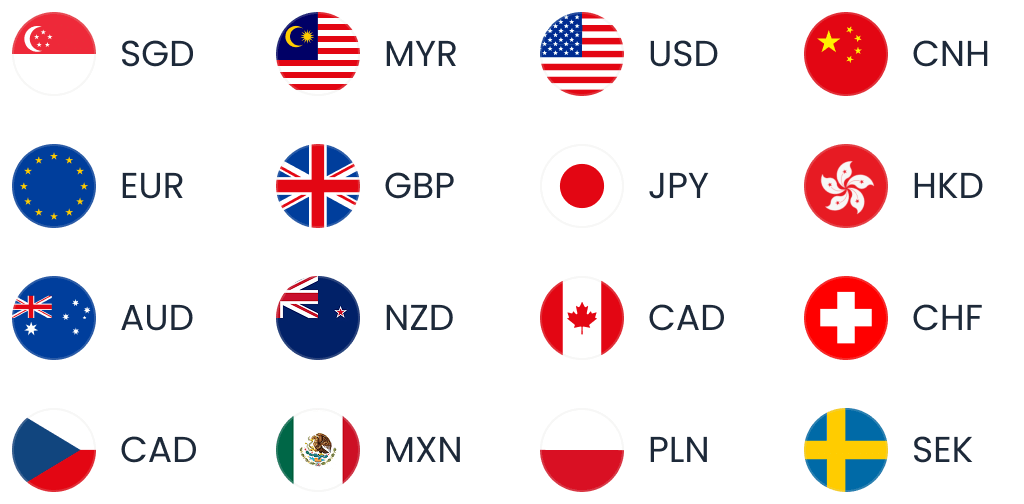
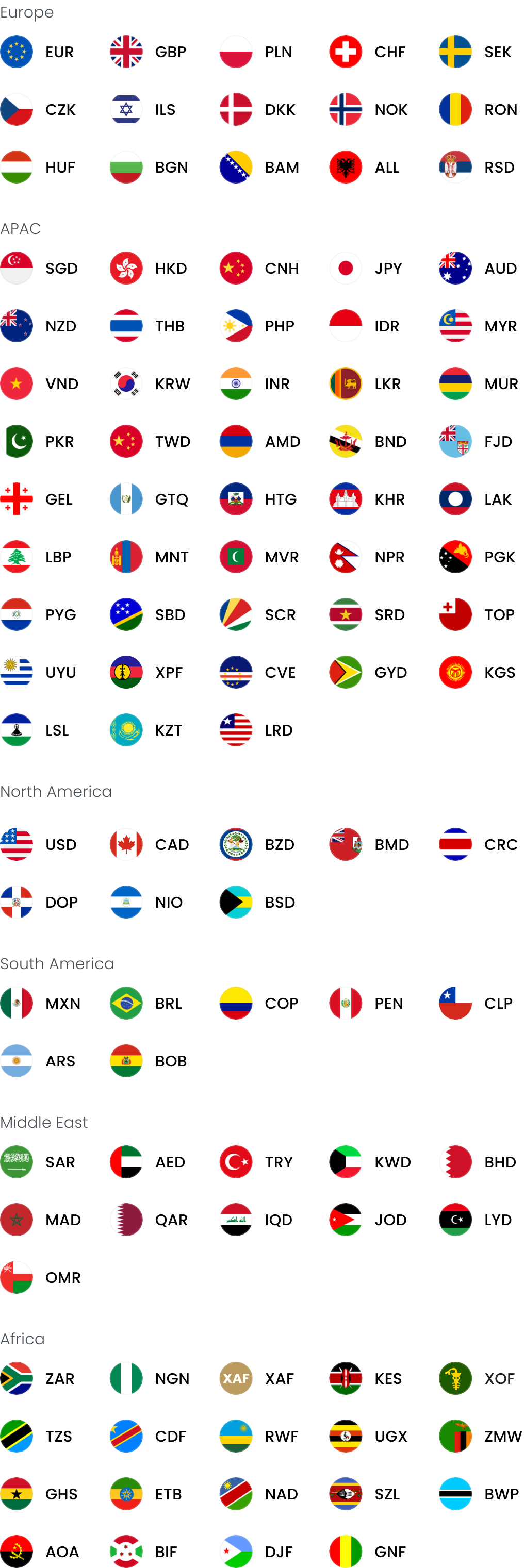
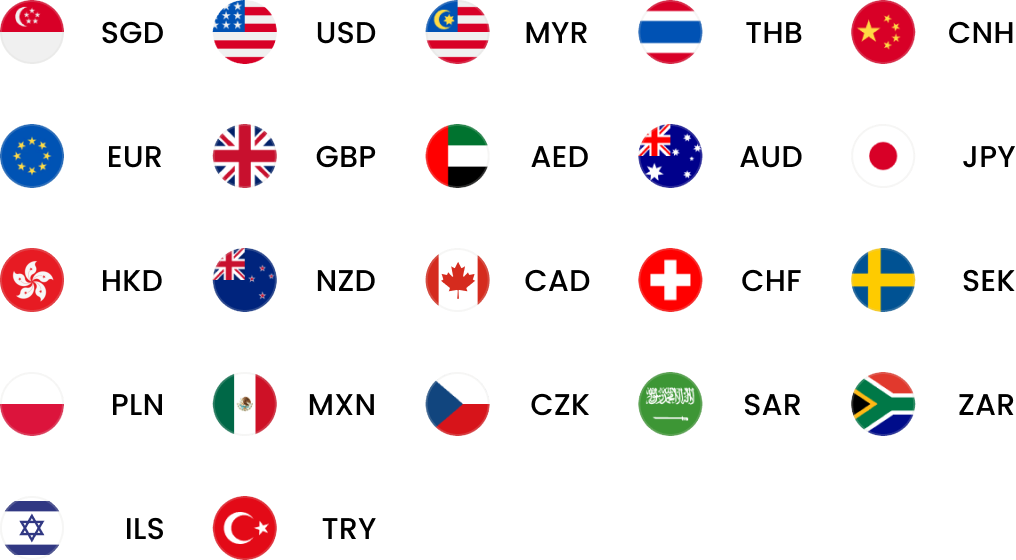
- Local currency accounts in 20+ currencies, including SGD, USD, GBP, EUR, CNH, AUD, NZD, JPY and HKD
- Payments in 100+ currencies across 200+ countries and regions
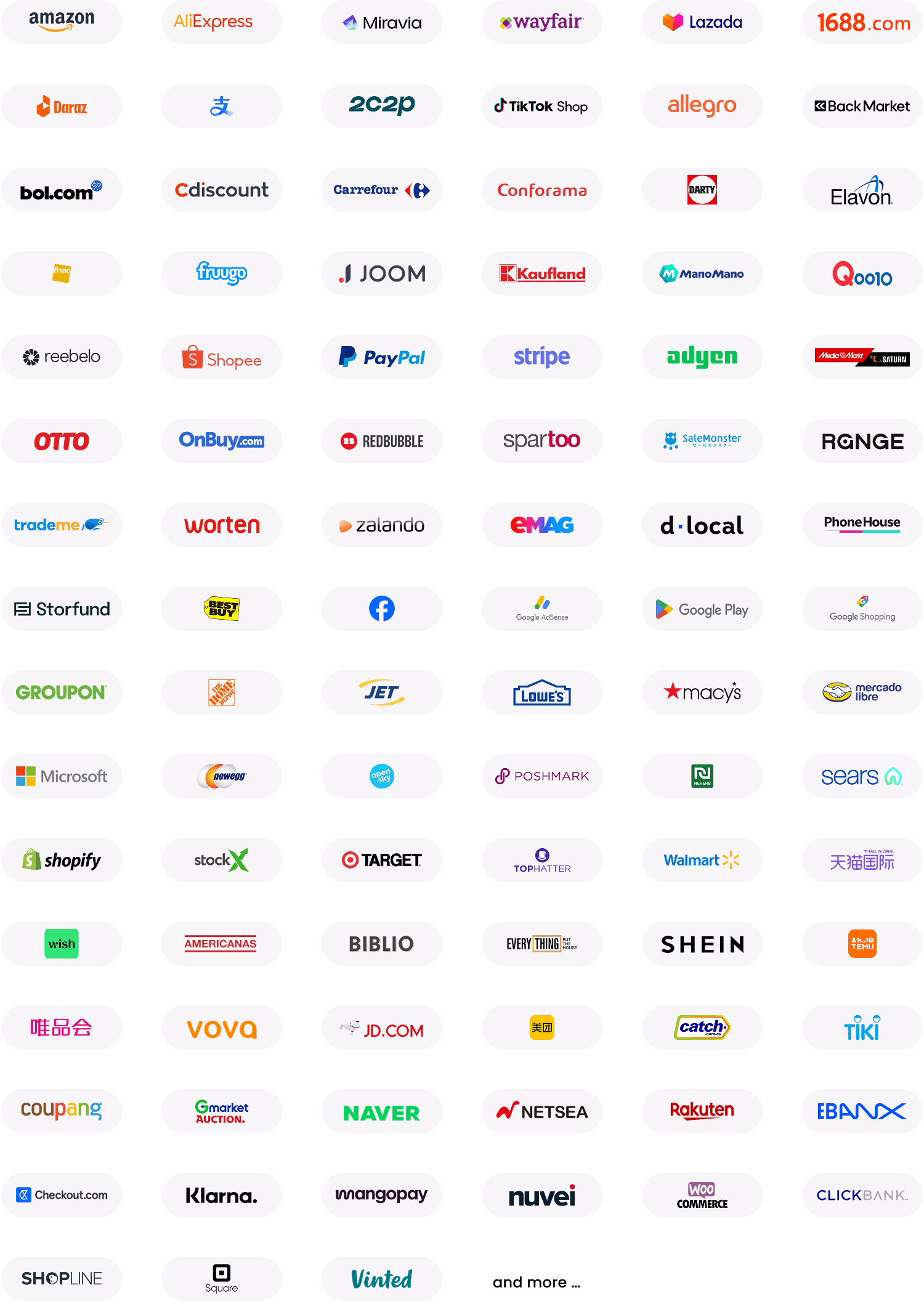
- Collections from 130+ marketplaces and payment gateways, including Amazon FBA, Shopify, Stripe and Etsy
- No cost and instant transfers between World Account holders
- World Card, a Mastercard-powered multi-currency card linked to a World Account that supports payments in 150+ currencies. Payments in 15 supported currencies have zero FX fees when sufficient balance is held in the relevant currency
- Up to 20 virtual World Cards at zero additional cost
- Cashback on eligible World Card spending, terms and conditions apply
- Forward contracts for eligible Singapore businesses
- Paying Chinese suppliers via World Pay, the authorised international payment provider for 1688.com. Learn how to find suppliers in Singapore
- Xero and NetSuite integrations for accounting and reconciliation workflows
Users must note that the World Account is made for international business payments rather than replacing a Singapore business bank account. It can be used alongside domestic banking arrangements to receive, hold, convert and send funds in multiple currencies.
→ Want to open a virtual bank account? Read this guide
| Fee | World Account fees |
| Account opening | Zero |
| Monthly fee | Zero |
| Receiving funds | Zero |
| Holding funds | Zero |
| Sending payments | USD 1 for local transfers, USD 5 for international transfers |
| Currency conversion | Up to 0.6% |
| Business card | Zero for up to 20 virtual cards |
| Payments to 1688.com suppliers via World Pay | Up to 0.8% currency conversion fee |
*Fees checked in August 2026
FAQs
1. How to pay in Singapore?
For domestic payment in Singapore, customers can use cards, digital wallets, PayNow, FAST or GIRO depending on the merchant and transaction type. PayNow and FAST support near-instant SGD transfers, while GIRO is used for recurring payments. International transactions may require a card or bank transfer that supports the relevant foreign currency.
2. What online payment methods are available in Singapore?
Online payment Singapore options include cards, digital wallets and bank transfers. Online merchants can accept card payments through a payment gateway, support compatible digital wallets and provide bank transfer details for customers who prefer account-to-account payments.
3. What is PayNow and how does it work?
PayNow is a Singapore payment service that enables participating customers to send and receive SGD through FAST using identifiers such as a mobile number, NRIC/FIN or other supported identifiers. Businesses can use UEN-based PayNow payments and PayNow QR codes to receive customer payments into their linked account.

![Revolut Business Card review Singapore [2027]: Features, fees & more](https://mdn.marmot-cloud.com/worldfirst/sites/9/2026/09/20261001002258848-300x200.webp)