




























Trading with Chinese suppliers or customers? Find out how Singapore businesses can open a Chinese bank account, and explore a simpler way to manage yuan payments
Key takeaways
- Foreign-owned businesses can open a corporate bank account in China, but typically need to set up a local entity or office in the country first
- Tighter KYC rules introduced in 2021 mean foreign-owned companies usually need a legal representative to complete identity verification in person at a Chinese bank branch
- Approval timelines can stretch for business bank accounts from several weeks to months, depending on the bank and your business structure
- A multi-currency account such as the World Account is a faster alternative, letting you hold CNH alongside USD, GBP, EUR, SGD and other major currencies, with fully online setup in one to two business days
In March 2026, China exported US$7.24 billion to Singapore and imported US$4.29 billion from Singapore, resulting in a positive trade balance of US$2.95 billion. Imports from Singapore grew 61.7% year-on-year.
China is one of Singapore’s largest trading partners, and many businesses based here need to constantly convert SGD to yuan to pay suppliers and business partners across the border.
Singaporean exporters selling products and services into China face the reverse challenge where they need to collect payments in yuan and convert back to SGD when pulling funds into their local currency account.
A Chinese bank account can simplify both sides of this flow by letting you hold funds in yuan, use the collected funds to make further supplier payments and avoid double conversion.
In this guide, we take a look at the benefits of opening a Chinese bank account from Singapore and the steps to get one.
Can a Singapore business open a bank account in China?
Yes, but with conditions. Foreign business owners can open a corporate bank account in China if they have an office or established entity in the country. Since tighter banking regulations introduced in 2021, foreign-owned companies must also complete a stricter Know-Your-Customer (KYC) process. So opening a bank account online is increasingly challenging and rare.
Types of Chinese business bank accounts for foreign companies
If you qualify as a non-resident enterprise owner based in Singapore, you can choose from three main account types:
- Non-Resident Account (NRA): The most accessible option, offered by almost all major Chinese banks. NRAs allow you to settle payments and receive capital investments in foreign currencies or RMB, though they come with tighter regulatory constraints than a standard Chinese corporate account
- Free-Trade Non-Resident Account (FTN): Similar to an NRA, but FTN only available from banks established within China’s Free-Trade Zones such as Shanghai, Hainan and Tianjin. These can be useful if your business operates within one of these zones
- Offshore Account (OSA): OSAs allow you to hold and transact in foreign currencies only. RMB transactions are not permitted.
These accounts can be opened through the major state-owned banks, including Bank of China (BOC), Industrial and Commercial Bank of China (ICBC), China Construction Bank (CCB), Agricultural Bank of China (ABoC) and Bank of Communications.
→ Take a look at the best SME bank accounts in Singapore
Why opening a Chinese bank account online from Singapore can be challenging
Here are the common hurdles faced by Singaporean businesses
- Local entity required: Most banks expect you to have a registered Chinese entity or office, a local business address, a legal representative and Chinese tax registration before opening an account
- In-person KYC: There is a chance your legal representative would need to visit a Chinese bank branch in person for identity verification and document signing.
- Language and admin barriers: Applications and KYC communications are typically conducted in Mandarin and follow local administrative procedures, which can slow things down without a Chinese-speaking team member
- Long approval timelines: Even with complete documentation, approvals can take several weeks to months
Open a CNH account from Singapore with WorldFirst
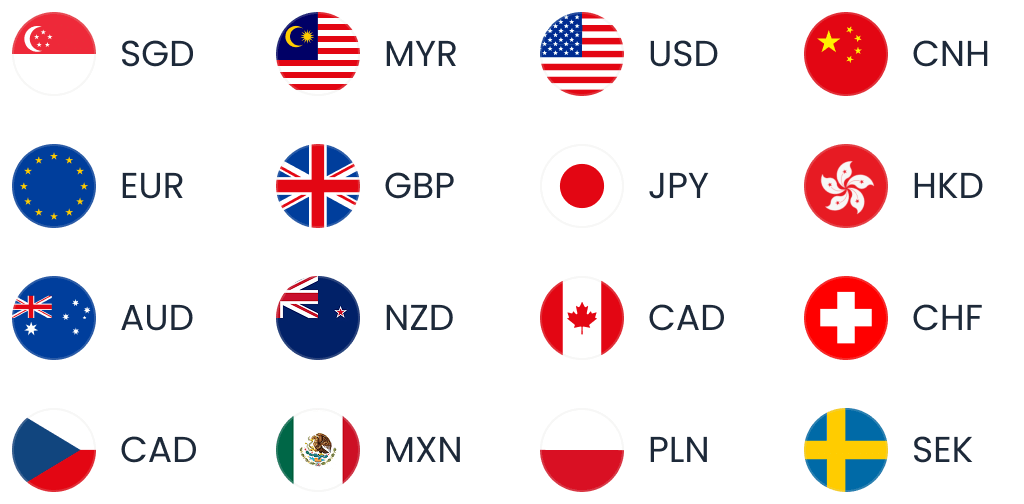
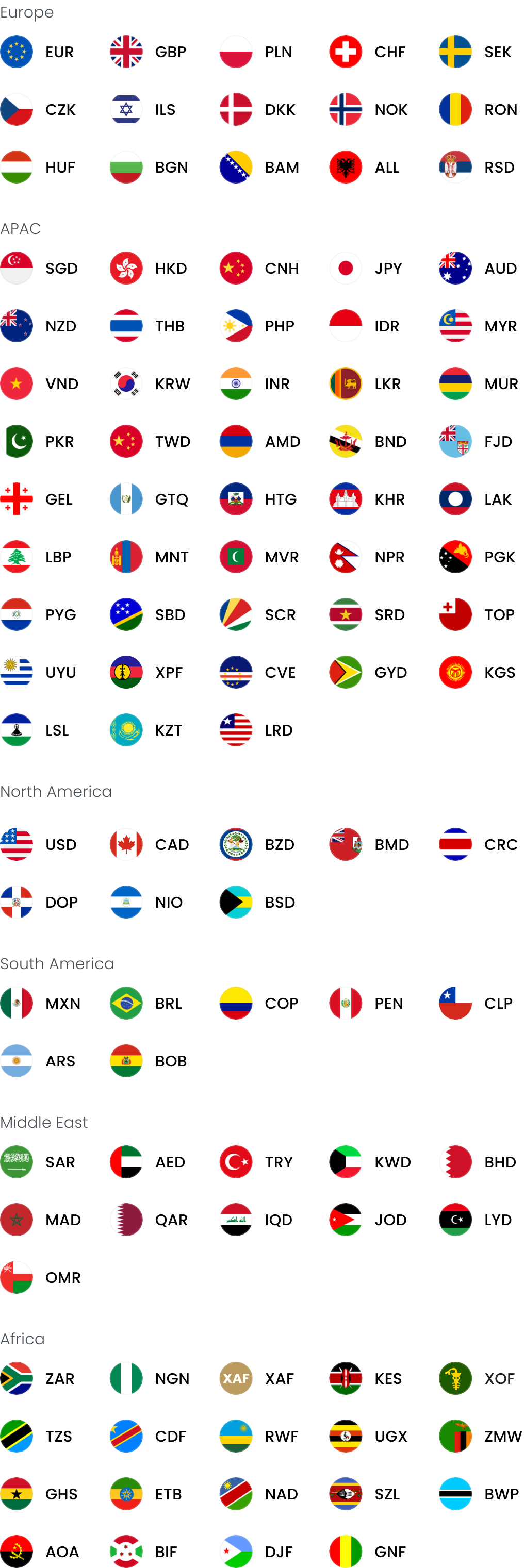
WorldFirst is an international payments provider that helps businesses manage cross-border payments. Through the World Account, you can send, hold, and receive funds in 15+ major currencies including CNH, USD, GBP, EUR, SGD and AUD. Each local currency account is opened under your business’s name and it comes with a unique account number and bank code.
This means a business in Singapore can set up a CNH account to pay suppliers in China, receive marketplace payouts in USD or GBP from platforms like Amazon, Etsy and Shopify, hold funds until they are ready to convert–all from one platform. You can also set up spot contracts or forward trades to ensure you get competitive FX rates every time.
With a World Account, you can:
- Open local currency accounts in 15+ currencies, including CNH, USD, GBP, EUR, SGD and AUD
- Send payments in 100+ currencies across 200+ countries and regions
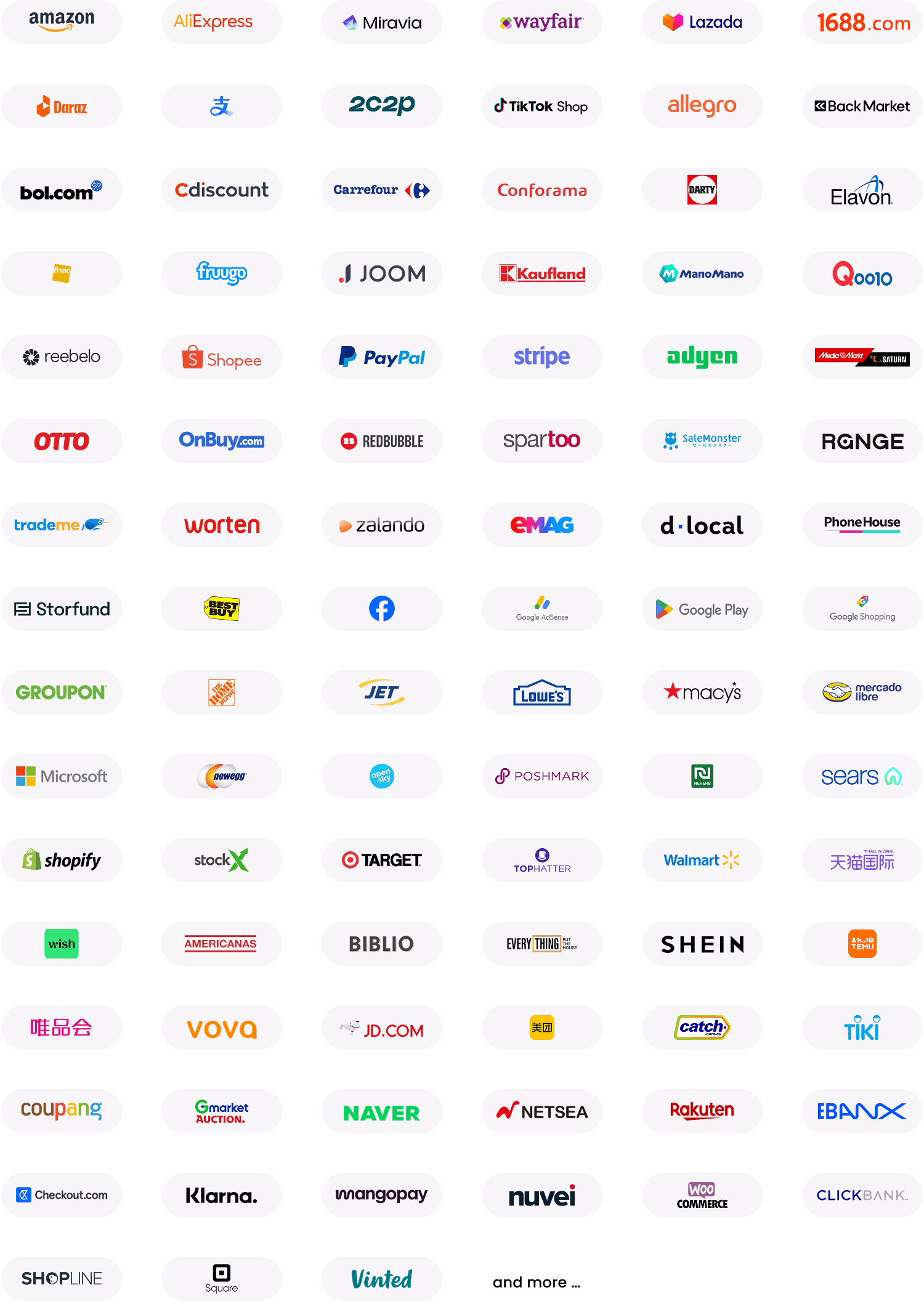
- Collect payments from 130+ global marketplaces and payment gateways, including Amazon, Etsy, Shopify and PayPal
- Issue up to 20 World Cards, which are business virtual cards powered by Mastercard, supporting transactions in 150+ currencies with no FX fees when paying in any of the 15 supported currencies (as long as you hold sufficient balance)
- Earn cashback on eligible card spend (Terms and Conditions Apply)
- Set target FX rates with forwards or spot contracts
- Pay 1688.com suppliers directly through World Pay, the only authorised international payment provider for 1688.com
- Manage multiple users with custom permissions and integrate with your ERP system
How to open a World Account from Singapore
Opening a World Account is fully digital and typically takes a couple of business days.
- Register online: Visit the WorldFirst website and start your application with your company details.
- Submit documentation: You may be asked to provide your ACRA business registration, the director’s identification, and proof of your business address
- Verification: The WorldFirst team reviews your application and verifies your business, usually within one to two business days
- Access your currency accounts: Once approved, you can open local currency accounts in 15+ currencies, including CNH, directly from your dashboard
- Start sending, receiving and converting: Send payments in 100+ currencies, receive funds from international customers and marketplaces, and convert between held currencies whenever rates suit.
FAQ
Can I open a Chinese bank account as a foreigner?
You can open a corporate bank account in China if you have an office or established entity in the country. The three main account types available to foreign businesses are Non-Resident Accounts (NRA), Free-Trade Non-Resident Accounts (FTN) and Offshore Accounts (OSA). Each comes with different regulatory constraints and currency permissions.
Do I need a Chinese bank account to send money from Singapore to China?
You don’t always need a Chinese bank accounts to send money from Singapore to China. Alternatives include international wire transfers and offshore CNH accounts through payments providers, which let you pay Chinese suppliers in yuan without opening a domestic Chinese account.
Can I open a corporate account in China with a foreign corporate entity?
Yes. A foreign corporate entity can open a Non-Resident Account (NRA), though NRAs come with more regulatory constraints than standard Chinese corporate accounts. Activities such as RMB cash withdrawals, certain domestic transactions and some capital movements may be restricted compared to a fully resident business bank account.
This article is intended for informational purposes only and does not constitute legal advice or professional advice. This article should not be regarded as constituting an offer or a solicitation to buy or sell any regulated or financial products or services. WorldFirst makes no representations or warranties regarding the accuracy, completeness, or applicability of the content, and readers are encouraged to consult with legal professionals or other professionals for advice tailored to their specific situation. WorldFirst does not guarantee the accuracy and completeness of this article and expressly disclaims any and all liability to any person in respect of the consequences of anything done or omitted to be done wholly or partly in reliance on this article.

![AliExpress dropshipping: How to source and pay suppliers from Singapore [2026]](https://mdn.marmot-cloud.com/worldfirst/sites/9/2026/10/20261021131155864-300x200.webp)

![Trust card review [2027]: Features, fees and more](https://mdn.marmot-cloud.com/worldfirst/sites/9/2026/10/20261020214810193-300x200.webp)
![HSBC business account review [2026] Singapore: Features, fees and more](https://mdn.marmot-cloud.com/worldfirst/sites/9/2026/10/20261020213428771-300x200.webp)