




















Multi-currency accounts, competitive FX, and global transfers — Everything you need to pay and get paid internationally

WorldFirst Enterprise
Built for faster payments, smarter liquidity, and robust compliance—all powered by our next-gen API toolkit and AI-native architecture.

Named a Top Global Fintech Company by CNBC & Statista, we’ve supported 1.5M+ businesses since 2004.

Europe
Asia
Oceania
Africa

We provide coverage in South Asia and Middle East: servicing 210+ countries and territories.

How to open a Chinese bank account as an Australian business

Contents

Trading with Chinese suppliers or customers? This guide covers how you can open a virtual Chinese business account from Australia and manage CNH payments

Key takeaways

  • Opening a Chinese business bank account usually requires establishing a local entity in China which could require in-person verification and extensive documentation for foreign businesses
  • Approval timelines for opening business bank account in China can take several weeks to months, depending on the bank and compliance checks
  • An offshore CNH account can help Australian businesses send, hold and receive CNH funds without opening a bank account in mainland China
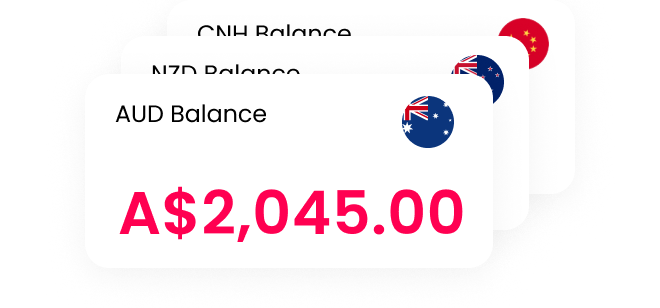
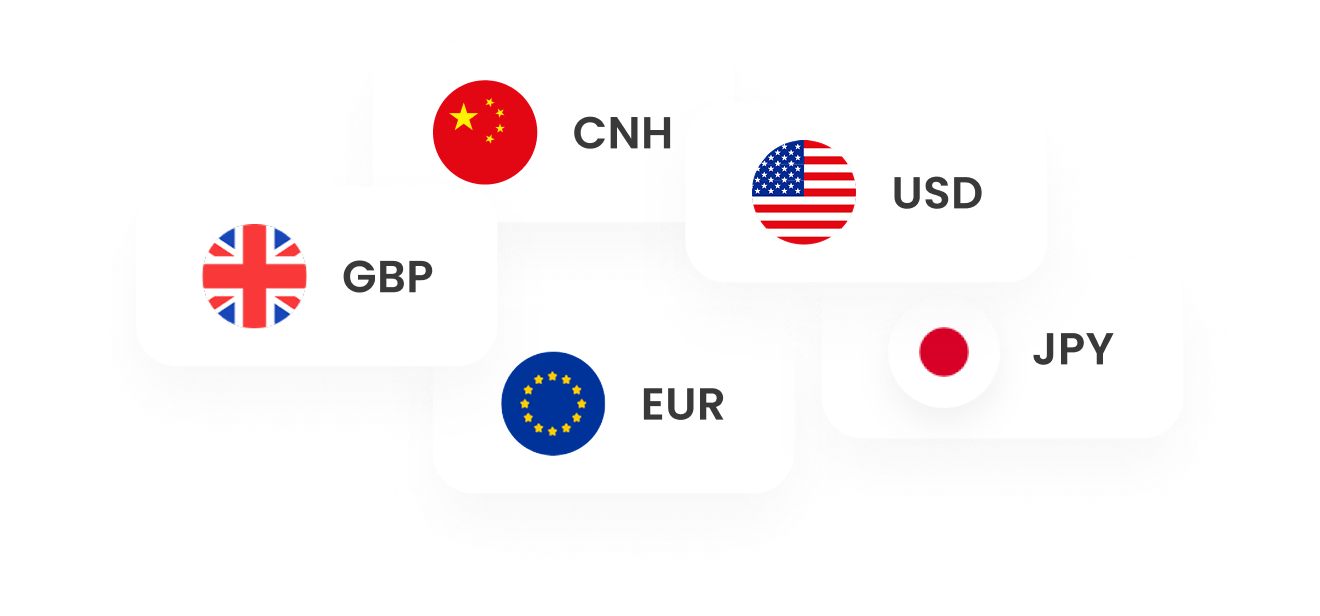
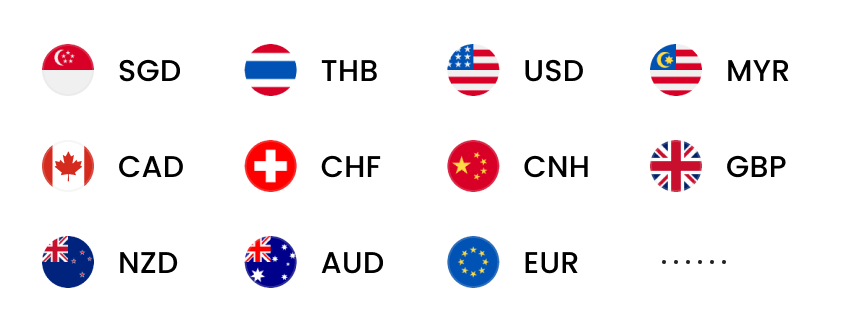
  • With a World Account, you can send, receive and hold funds in 15+ major currencies, including CNH, USD, GBP, EUR, AUD and NZD

While most Australian business bank accounts support international transfers, allowing you to send and receive but every payment involves an AUD-to-CNH conversion at the bank’s rate, plus intermediary bank fees along the way. For a business paying suppliers regularly, the FX and fees eat into margins.

A dedicated CNH account gives you more control over how you handle your funds by allowing you to hold CNH balances, convert AUD to CNH when the rate suits you, and pay suppliers in the currency they invoice in without an FX conversion on every transaction.

Opening a business bank account inside China is one option, but it takes time and setup that most Australian businesses may not need need. Chinese banks usually require you to first register a local entity in China and that means a Chinese registered business address, a local legal representative, tax registration and any industry-specific licences before you can even walk into a bank.

This guide covers how Chinese business bank accounts work, the challenges Australian companies may face when opening one, and alternative ways to manage payments in Chinese yuan through virtual local currency accounts

Can you open a business bank account in China as a foreigner?

Yes, foreign businesses are permitted to open a business bank account in China after establishing a local entity. Most foreign companies open accounts after registering a Wholly Foreign-Owned Enterprise (WFOE) or another local legal structure.¹

A Chinese business bank account is typically needed for two operational reasons.

RMB basic account for daily operations

Foreign-invested enterprises must open an RMB basic account to withdraw RMB cash, pay employees, handle domestic transactions and pay taxes in China. Without this account, running day-to-day operations locally is not practical.

Foreign currency capital account for overseas investment

Companies funded by foreign investors must open a foreign currency capital contribution account approved by the State Administration of Foreign Exchange (SAFE). This account allows the business to receive capital injections from foreign shareholders, convert foreign currencies into RMB, and manage foreign exchange transactions.

Why opening a Chinese business bank account from Australia is challenging

Despite strong trade ties between Australia and China, the process for foreign businesses can be slow and administratively heavy.

Local entity requirements

Most Chinese banks require a registered Chinese entity before opening a business bank account. Setting up a business entity in China requires a registered Chinese business address, a local legal representative, Chinese tax registration and any industry-specific licences. The entire process alone can take several months.

In-person verification

Many Chinese banks require company representatives to visit a branch in person to complete identity verification, provide biometric identification and sign paperwork. For Australian businesses without a local presence, this typically means travel to China.

Different requirements across banks

China does not have a standardised account-opening process for foreign businesses. Each bank sets its own requirements, which can include official company seals, industry approvals and additional compliance checks. Applications may be rejected depending on ownership structure, industry or documentation.

Language and administrative barriers

Most application forms and bank communications are conducted in Mandarin.¹ Responding to compliance requests and submitting documentation without a Chinese-speaking team member or local advisor can slow the process significantly.

Lengthy approval timelines

Even when documentation is prepared correctly, approval can take several weeks to months.¹ During this time, companies may struggle to pay suppliers, manage CNY cash flow or move on new business opportunities.

Why a virtual CNH account can work for Australian businesses

For most Australian businesses paying Chinese suppliers, opening a virtual CNH account through a payments provider is a practical alternative to a Chinese business bank account. A few reasons why.

Fully online setup

Virtual CNH accounts are opened online using Australian business registration documents. There’s no requirement to register a WFOE, no local Chinese address needed, and no in-person branch visit in China. Verification typically takes a few business days.

No monthly account fee

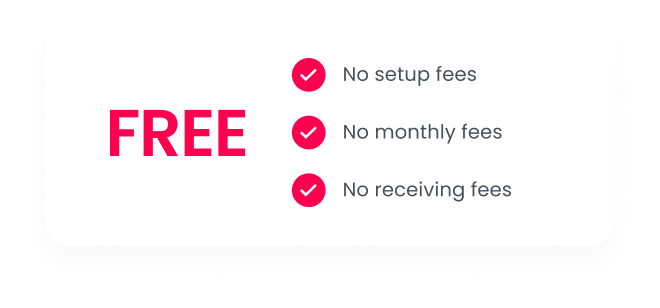
Chinese business bank accounts often come with account maintenance charges, transaction charges and per-payment fees. Virtual CNH accounts through international payment providers like WorldFirst have no monthly account fee, and FX conversion between AUD and CNH is at published rates.

Managed from Australia

A Chinese bank account is managed within China’s domestic banking system, often through Mandarin-language interfaces and Chinese business hours. Virtual CNH accounts are accessed through an online dashboard in English, from anywhere.

Pay in the currency your suppliers invoice in

A virtual CNH account also makes it easier to combine CNH payments with other currency operations if you opt for a multi-currency account. You can pay a supplier in CNH one day and a logistics provider or SaaS tool in another currency the next, all from the same account.

→ Confused about why China has two currencies? Learn about the differences between CNY and CNH

How WorldFirst supports payments to China

WorldFirst is an international payments provider that helps Australian businesses manage cross-border payments. The World Account is a multi-currency business account that includes a CNH local currency account, so you can send, receive, hold and convert offshore Chinese yuan from Australia without opening a bank account in China.

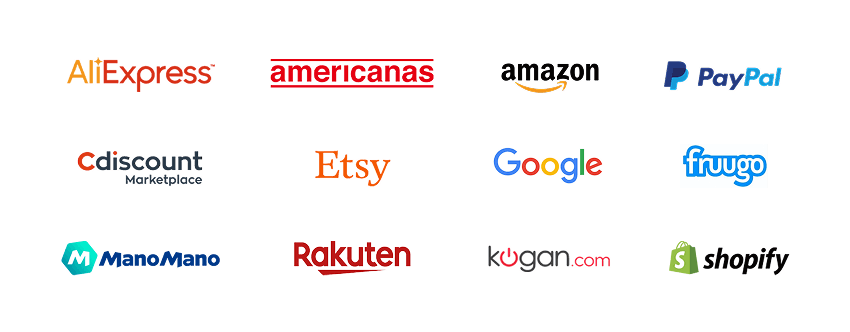
The CNH account sits alongside 20+ other supported currencies including AUD, USD, GBP, EUR, NZD, JPY, HKD, CAD and SGD, meaning you manage all of these currency accounts through your dedicated World Account. You can also send payments in 100+ currencies across 200+ countries and regions, and collect payments from 130+ marketplaces and payment gateways.

Here’s how Australian businesses can use a World Account for payments to China:

  • Pay Chinese suppliers directly in CNH: Convert AUD to CNH within the World Account and pay suppliers in their local currency, avoiding the chain of correspondent banks and intermediary fees that come with a traditional wire.
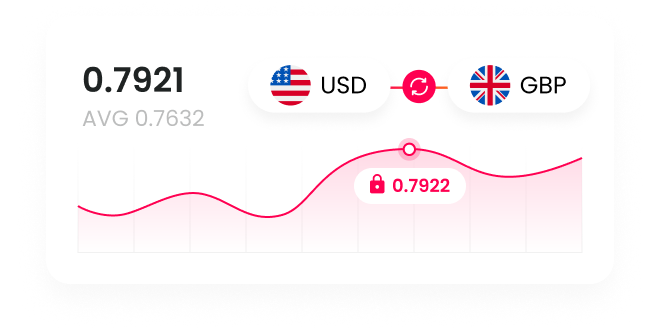
  • Lock exchange rates with forward contracts: For businesses that know roughly what they’ll owe suppliers over the coming months, forward contracts let you lock in an AUD to CNH rate for a fixed period of time. Firm orders are also available to trigger an automatic conversion once a target rate is reached. (Both are subject to eligibility)
  • Pay 1688.com suppliers through World Pay: World Pay is the authorised international payment provider for 1688.com. Pay 1688 suppliers in CNH directly from your World Account, without opening a Chinese bank account or working through a sourcing agent. 1688 buyer protection remains in place.


  • Spend from your CNH balance in China via Alipay: The World Card is a Mastercard-powered business payment card linked to the World Account. Link it to Alipay when travelling to China and pay for transport, meals, hotels and interpreter fees directly from your CNH balance. Businesses can issue up to 20 cards at no additional cost and spend in 150+ currencies. There are no foreign exchange fees when spending from the supported 15 currencies (as long as you have sufficient balance in them. Cashback is available on eligible spending (Terms and Conditions Apply).
  • Marketplace collections in the same account: Collect payments from 130+ marketplaces and payment gateways including Amazon, AliExpress and Stripe. Hold marketplace revenue in USD, GBP or EUR and convert to CNH only when supplier payments are due, avoiding a double conversion through AUD.

How to open a CNH account with WorldFirst

Opening a CNH account through a World Account is a fully digital process. Australian businesses can typically open an account without visiting a branch or setting up a Chinese entity.

  1. Sign up online: Register your business on the WorldFirst website and enter basic company details
  2. Submit documentation: Provide proof of business registration (ABN or ACN), identification documents for directors or owners, and any additional supporting documents requested
  3. Verification: The WorldFirst team reviews the application. This usually takes a few business days
  4. Access your currency accounts: Once approved, businesses can access multiple currency accounts including CNH
  5. Start sending and receiving payments: Convert between currencies, pay suppliers, collect marketplace payments, and spend from currency balances via the World Card

The information contained is general only and largely our views. Before acting on the information you should consider whether it is appropriate for you, in light of your objectives, financial situation or needs. Although information has been obtained from and is based upon multiple sources the author believes to be reliable, we do not guarantee its accuracy and it may be incomplete or condensed. All opinions, estimates, mentioned products/services and referenced material constitute the author’s own judgement as of the date of the briefing and are subject to change without notice. WorldFirst shall not be responsible for any losses or damages arising from your reliance of such information.

Continue reading

open chinese bank account

The simpler way to pay and get paid

Save money, time, and have peace of mind when expanding your global business.