




















Industry Solutions
Resources
About WorldFirst
Resources
More brands of Ant International
This country is supported by WorldFirst affiliates, Zyla
We provide coverage in South Asia and Middle East: servicing 210+ countries and territories.
Home > Blogs > Business Banking Insights > Best business bank accounts in Australia
Looking for the best business accounts in Australia? We break down the key features, fees and benefits to simplify your decision.
Key takeaways

According to the Australian Government, you need a separate business bank account if you have a company or a trust. Even if you’re a sole trader, a business account can help separate your business and personal transactions.
With so many options available, you should take the time to compare and find the best business bank account in Australia that aligns with your requirements.
A business bank account is mainly designed to help you manage your business-related transactions. Business accounts protect your transactions and make integrating your banking details into accounting and reporting tools easier.
These business bank accounts are designed specifically for fast-growing businesses and their day-to-day challenges. Depending on the provider, some benefits of business accounts could include fast global transactions, support for multiple currencies, competitive exchange rates and bulk payouts.
Choosing the right business bank account depends on how you manage your finances. Some accounts are designed for daily transactions, while others help you save or handle international payments. Here are the main types:
A business transaction account helps handle daily financial operations. It allows you to receive customer payments, pay suppliers and manage overhead costs.
If you want to grow your cash reserves, a business savings account provides a place to store funds while earning interest. These accounts are typically designed with features that suit business needs, like higher deposit limits, flexible access, or integration with your main business account.
They can offer higher interest rates than transaction accounts and may have features like automatic transfers to encourage savings. Some banks also provide bonus interest for businesses that maintain a minimum balance.
A multi-currency account lets businesses hold, send and receive multiple currencies without constant conversions. This is ideal for global businesses, importers, exporters and online sellers handling frequent international transactions. By using a foreign currency account, businesses can avoid frequent exchanges and reduce exposure to fluctuating rates. Benefits of a multi-currency account include:
A small business bank account is designed specifically for smaller operations, offering lower fees and more flexibility than traditional business accounts. Unlike regular business bank accounts, these are often easier to open, require less paperwork and come with tailored features to suit small business needs.
Business bank accounts come with various features, but these are the key ones to look for:
Some banks and payment providers offer accounts with little to no monthly fees. Choosing these options can help manage cash flow – especially during months with fluctuating income – by avoiding unnecessary costs.
Low domestic and international payment fees help you save money if you pay overseas suppliers or sell to international customers. Choosing an account with minimal transaction costs ensures better cash flow and higher profitability.
A multi-currency account lets you hold, send and receive funds in different currencies, reducing unnecessary conversions. If your bank provides such accounts, it makes dealing in multiple currencies easier. While these accounts may have some fees, they generally offer competitive exchange rates. You can withdraw funds to your bank account in your base currency whenever needed.
When you open a business account, ensure it integrates with accounting platforms like Xero for seamless financial management. This allows you to sync transactions, track expenses and automate reports without manual data entry.
When you compare business accounts, choose one with easy online access anytime, anywhere. Look for features like real-time transaction tracking, instant payments and invoice management. Many payment providers now let you open your account completely online, making the process quick and hassle-free.
With cyber threats increasing, your business bank account should have strong security measures to protect your funds. Look for multi-factor authentication, secure login, real-time fraud monitoring and instant alerts to detect suspicious activity.
WorldFirst is an authorised and regulated payments provider that helps businesses in Australia make international payments securely and at speed. You can send, collect and hold funds in multiple currencies via local currency accounts.
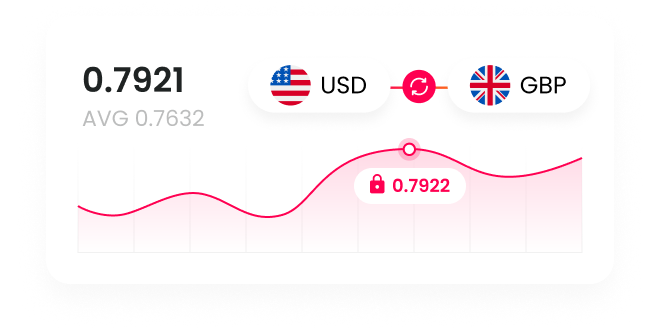
Use one account to pay employees domestically, settle overseas supplier payments and collect from customers across different marketplaces and payment gateways. Get competitive real-time exchange rates or lock in rates for up to 24 months, protecting your business’s profit margins. Learn more about how WorldFirst works and supports businesses across borders.
Pros of opening a business account with WorldFirst:
WorldFirst fees
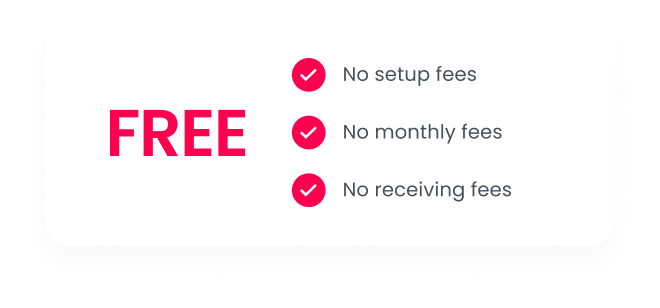
| Monthly fee | Free |
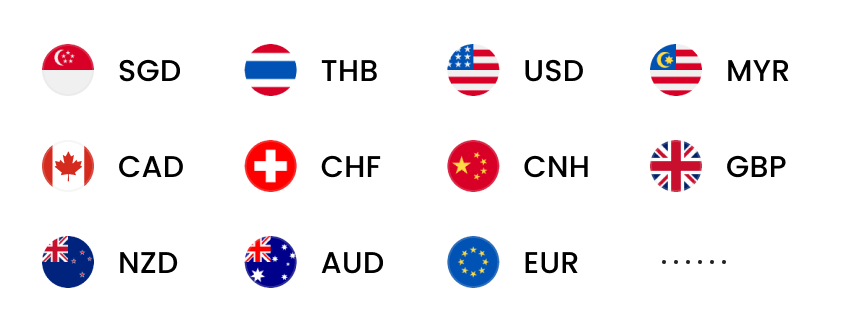
| Opening a multi-currency account | Free (20+ currencies) |
| Account maintenance fee | No |
| Receiving funds | Free |
| Holding funds in multiple currencies | Free |
| Sending payments to users in the same network | Free |
| Sending payments to other accounts |
|
| Withdrawing funds | Zero fees to home bank account A WorldFirst conversion rate applies for cross-currency conversions |
| Getting a debit card | Free |
| Markup/margin over currency exchange rates |
|
ANZ offers a business bank account called Business Essentials and Extra. The Business Essentials bank account is a simple account that helps keep business and personal banking separate [1]. The Business Extra account comes with a monthly fee of AUD 10 which gets you an overdraft facility and 20 free transactions per month [1].
| Pros | Cons |
|---|---|
|
|
ANZ fees [2]
| Account setup fee | Zero |
|---|---|
| Monthly account service fee | Zero (AUD 10 for Business Extra account) [1] |
| Fee for receiving payments | Zero for same-currency payments and up to AUD 15 for international payments |
| Fee for sending payments | Starts at AUD 2.50 for domestic staff-assisted transfers [1] and up to AUD 32 for international transfers |
| Currency conversion charges | A markup is added to the mid-market exchange rate |
| Intra-account transfers | Zero |
| Debit card | Visa debit card available at no extra cost |
NAB offers two types of business bank accounts: one with no monthly fee and another with a AUD 10 monthly fee [3]. The main difference is that the AUD 10 account includes 30 free assisted transactions per month. Beyond that, transaction fees apply.
| Pros | Cons |
|---|---|
|
|
NAB fees [4]
| Account setup fee | Zero |
|---|---|
| Monthly account service fee | Zero (AUD 10 for Business Everyday account) |
| Fee for receiving payments | Zero for same-currency payments and up to AUD 35 for international payments |
| Fee for sending payments | Zero to AUD 3, depending on the transfer method. International transactions can be charged up to AUD 30 |
| Currency conversion charges | A markup is added to the mid-market exchange rate |
| Intra-account transfers | Zero |
| Debit card | Visa debit card available at no extra cost |
CommBank also offers two types of business accounts: online and in-branch. The online account is more suited for businesses that do most of their banking online [5]. The in-branch account costs AUD 10 per month and is mainly for businesses that prefer to do their banking at a branch [5].
| Pros | Cons |
|---|---|
|
|
CommBank fees [6]
| Account setup fee | Zero |
|---|---|
| Monthly account service fee | Zero (AUD 10 for in-branch account) |
| Fee for receiving payments | Zero for same-currency payments and up to 3.5% for international payments |
| Fee for sending payments | Domestic payments cost up to AUD 5 depending on the transfer method. International payments can be charged up 3.5% of the total transaction value |
| Currency conversion charges | A markup is added to the mid-market exchange rate |
| Intra-account transfers | Zero |
| Debit card | Visa debit card available at no extra cost |
Westpac offers two business bank accounts: Business One and Business Plus. Business One has no monthly fees and is mainly aimed at online banking businesses [7]. Business One Plus has a AUD 10 monthly fee and it is aimed at businesses that prefer to bank both online and at branches.
| Pros | Cons |
|---|---|
|
|
Westpac fees [8]
| Account setup fee | Zero |
|---|---|
| Monthly account service fee | Zero (AUD 10 for in-branch account) [7] |
| Fee for receiving payments | Zero for same-currency payments and up to 3% for international payments |
| Fee for sending payments | Domestic payments cost up to AUD 3 depending on the transfer method. International transactions can be charged up 3% of the total transaction value |
| Currency conversion charges | A markup is added to the mid-market exchange rate |
| Intra-account transfers | Zero |
| Debit card | Mastercard debit card available at no extra cost |
Wise is a payment service provider that offers personal accounts for individuals and business accounts for global businesses. It allows businesses based in Australia to send, receive and hold funds in over 23 currencies [9].
| Pros | Cons |
|---|---|
|
|
Wise business fees [10]
| Account setup fee | AUD 65 |
|---|---|
| Monthly account service fee | Zero |
| Fee for receiving payments | Free, except for USD and CAD payments |
| Fee for sending payments | Start at 0.65% [10] |
| Currency conversion charges | Start at 0.65% [10] Fees vary by currency |
| Intra-account transfers | Zero |
| Debit card | Mastercard debit card available at no extra cost |
Airwallex is a global payment provider that helps businesses with foreign exchange and cross-border payments. It also offers a multi-currency account along with flexible APIs and plugins to make it easier for businesses to collect international payments.
| Pros | Cons |
|---|---|
|
|
Airwallex business account fees [12]
| Account setup fee | Zero |
|---|---|
| Monthly account service fee | Zero to AUD 499, depending on the plan |
| Fee for receiving payments | Zero |
| Fee for sending payments | Zero for domestic payments International payments attract a transfer and currency conversion fee AUD 15–AUD 30 for SWIFT payments |
| Currency conversion charges | 0.5% for major currencies and 1% for other currencies |
| Intra-account transfers | Free |
Before choosing an account for your business, make sure to compare business accounts and consider the different features they provide.
Ongoing/monthly fees: Review the monthly maintenance or account-keeping fees that you’ll be expected to pay. You should also consider fees for in-branch transactions, assisted transactions, ATM usage and cash/cheque deposits.
Speed of transactions: Consider the transactions that matter the most to your business (domestic or international) and check how fast your new business account can execute them. Delayed payments can lead to cash flow issues and create a bad reputation with vendors.


Ease of cross-border payments: If you plan to source supplies from different regions, you need a business bank account that simplifies cross-border transactions. Making international payments should be just as easy as making local payments.
Marketplace collections: Online e-commerce businesses expanding quickly should look for a business account provider that can streamline collections from global marketplaces at low costs.
Support for multiple currencies: If your e-commerce business has suppliers based abroad and customers worldwide, you need a business account that allows you to send, receive and hold funds in multiple currencies.
International transaction fee: Most payment providers charge a percentage of the total transaction amount when it comes to international payments. If you make frequent cross-border payments, look for a business account with the lowest international transaction fees.
Security and access: Look into the payment provider or bank’s approach to cyber security. How are they regulated? How do they keep customer accounts secure? What proactive steps do they take to avoid unauthorised access?
Support for businesses: Customer service is important for businesses expanding their operations. Choose a provider that supports your business goals at every stage of growth.
With a variety of business bank accounts available, the best choice depends on your specific needs – whether it’s managing daily transactions or handling international payments. Consider fees, multi-currency support, integration with accounting tools and security features before making a decision.
If your business operates globally, WorldFirst offers a multi-currency account with competitive exchange rates and easy cross-border transactions. Open a World Account to simplify international payments today.
Yes, most banks require an Australian Business Number (ABN) or Australian Company Number (ACN) to open a business account.
Yes, many banks and payment providers allow online applications, but some banks may require you to visit a branch for identity verification.
Requirements vary depending on the bank or payment provider, but you’ll typically need to provide your ABN, business address, average annual turnover, and personal identification documents.
Disclaimer: The information contained is general only and largely our views. Before acting on the information you should consider whether it is appropriate for you, in light of your objectives, financial situation or needs. Although information has been obtained from and is based upon multiple sources the author believes to be reliable, we do not guarantee its accuracy and it may be incomplete or condensed. All opinions, estimates, mentioned products/services and referenced material constitute the author’s own judgement as of the date of the briefing and are subject to change without notice. WorldFirst shall not be responsible for any losses or damages arising from your reliance of such information.
Sources:
Based in Sydney, Jim is responsible for the WorldFirst business across Australia and New Zealand. He brings with him over 25 years of experience helping Business Owners, CFO’s and Treasury Managers overcome the challenges with cross border payments and navigating volatile foreign exchange markets.
Jim Vrondas
Author
Choose a product or service to find out more
Save money, time, and have peace of mind when expanding your global business.
© 2026, Ant International or its affiliates