



「加入 WorldFirst LINE」




























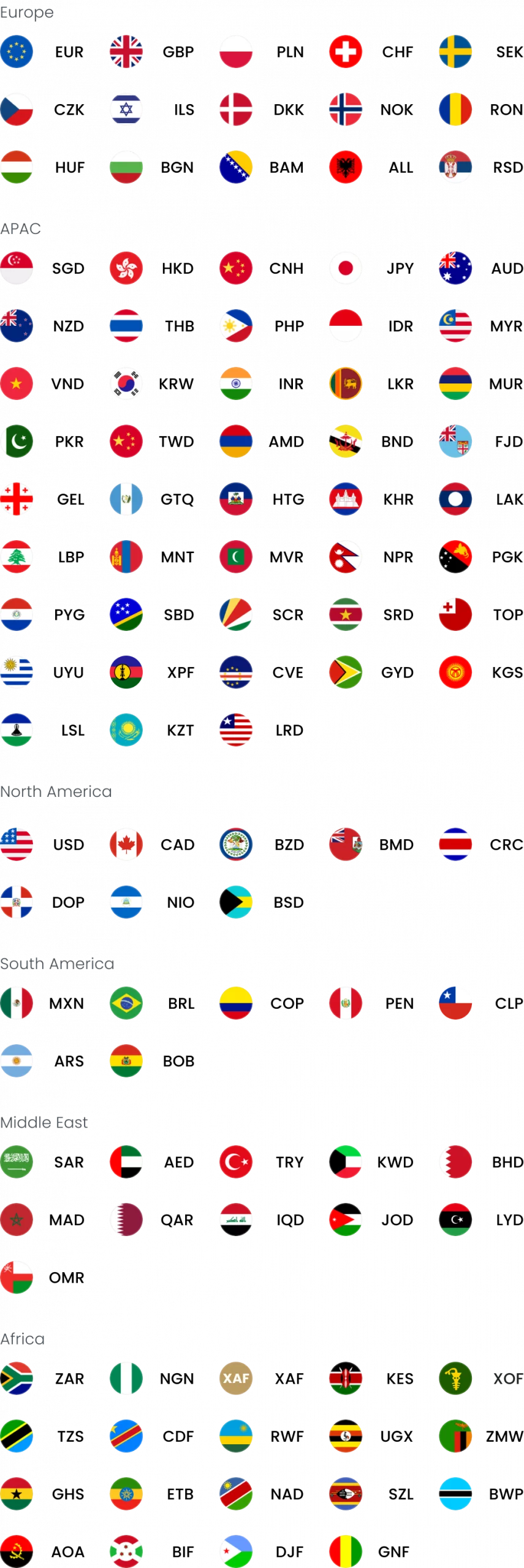
We provide coverage in South Asia and Middle East: servicing 210+ countries and territories.

WorldFirst Home > blog > Global Business Tips > How to open a foreign currency account (complete guide)


While international trade is vital to many small and medium-sized businesses across the United Kingdom, active exporting remains a limited practice. According to the 2024 Longitudinal Small Business Survey, only 17% of SME employers exported goods or services in the past year. For businesses without employees, the figure was 16%.
The issue is not a lack of ambition but the everyday challenge of managing money globally. Slow transfers, unfavourable exchange rates and complex banking processes often make cross-border trade more challenging than it needs to be.
A foreign currency account helps simplify international payments and protect margins. This guide explains how to open a foreign currency account in the UK, what documents and requirements apply and how WorldFirst’s World Account helps UK SMEs manage overseas payments with clarity and efficiency.
Key takeaways:
A foreign currency account allows you to hold and manage funds in a non-sterling currency, such as US dollars (USD), euros (EUR) or Japanese yen (JPY). It allows you to receive and make payments directly in that currency without having to convert to pounds each time. Businesses that trade in a small number of currencies often open one account per currency to simplify settlement with key partners or suppliers.
Expanding into international markets can unlock growth, but it also introduces financial complexity and challenges.
Every invoice, payment and supplier relationship across borders involves variables such as exchange rates, conversion timing and cross-border transfer fees. These small differences add up quickly and can reduce overall profitability if not managed strategically.
Consider a UK business that imports raw materials from China or is setting up business in the US. Each transaction passes through different currencies, banking systems and timelines. Managing all of this through a single GBP account forces automatic conversions at the bank’s prevailing rate, which is rarely competitive. Over time, these hidden costs erode margins, making cash flow harder to predict.
When international payments move through a standard GBP account, several issues typically arise:
Here’s a clear step-by-step guide to help you open a foreign currency account in the UK, understand what’s required and get your business ready to start trading internationally:
Before you apply, define exactly how and why your business needs a foreign currency account:
Take time to compare your options and confirm the account fits your business structure and trading needs:
Requirements vary by provider. Expect standard business banking eligibility criteria, including UK registration status, permitted business activities and acceptable countries with which you trade. Some providers apply additional criteria based on sector risk and expected payment corridors.
Have your documentation ready to avoid delays:
Once you have chosen your provider, complete the business application accurately to speed up approval:
The provider will perform KYC, AML and sanctions screening on the company, directors, owners and key counterparties. Be ready to answer follow-up questions about trading patterns, invoice types and payment routes.
Once approved, you’ll receive the account identifiers specific to that currency, such as the IBAN and BIC for EUR or the account and routing details for USD. Confirm:
Ask for the full tariff in writing. Clarify:
Once your account is active, put proper controls in place to keep payments secure and reporting accurate:
Run a small inbound and outbound payment to confirm account details, fees and cut-off times. After the first month, review performance and adjust approval limits, conversion timing and reporting based on real activity.
Several common mistakes can reduce efficiency or increase the costs of foreign currency accounts. The following tips will help you avoid them:
Always review the full fee schedule before applying. Some providers add hidden spreads on smaller transactions or charge “inactivity” fees when balances remain unused. Request a clear breakdown of FX margins and payment fees in writing.
Avoid providers that automatically convert foreign balances back into GBP at fixed intervals. This removes your ability to time conversions strategically, which can lead to unnecessary foreign exchange losses. Choose an account that allows you to hold funds in the original currency until you decide to convert.
Holding funds in foreign currencies exposes your business to instabilities in exchange rates. Where possible, use simple hedging tools such as forward contracts or limit orders to protect your margins and forecast cash flow more accurately.
Incorrect account details, missing routing codes or issues with the intermediary bank can cause delays in payments. Always test small transfers first, verify account information with your counterparties and confirm the provider’s payment networks and cut-off times.
Certain online marketplaces, particularly in the US and Asia, only pay out to domestic bank accounts. Before listing internationally, check that your provider issues local account details compatible with the marketplaces you use.
Incomplete documentation or unclear trading activity can slow down the onboarding process. Be transparent about your business model, provide all requested KYC documents upfront and respond promptly to follow-up questions from compliance teams.
For growing SMEs, managing payments across borders should not feel like running several separate businesses.
A multi-currency account enables you to manage multiple currency payments on a single platform. You can receive, hold, convert and send payments in several currencies under one account, often with local account details in major markets. This centralised approach removes the need to open and maintain separate foreign currency accounts for each region.
Key advantages of multi-currency accounts over foreign currency accounts:
WorldFirst’s World Account combines all these advantages in one platform. It provides local account details in over 20 currencies, fast international payments and transparent foreign exchange pricing, helping UK SMEs trade globally with confidence, simplicity and control.
Opening a World Account is straightforward and can be completed online in just a few steps:
Once approved, you’ll be able to access your World Account dashboard, where you can:
Open your WorldFirst multi-currency account for free today and manage your global earnings, conversions and transfers in one place.






Choose a product or service to find out more
Save money, time, and have peace of mind when expanding your global business.
It looks like you're sending money to family or friends — that's a personal transfer, which is best handled through our app.
Sending money to family or friends? Download our app for the best experience.




「加入 WorldFirst LINE」