



























China presents a massive business opportunity for merchants, startups and other growing businesses in the UK and beyond. China’s economy grew 5.0% year on year in the first quarter of 2026, reaching roughly RMB 33.42 trillion (around $4.87 trillion), and it remains one of the world’s largest single consumer markets. But getting started in the country can feel overwhelming. You need to consider how you’ll:
- Manage the costs of trading in onshore and offshore Chinese currency (RMB)
- Stay compliant with the Chinese legal system, including transfer limits, customs duties and other regulations
- Find and vet suppliers or join local marketplaces without a local presence
- Ensure your payments and payouts arrive on time
Fortunately, cross-border platforms like WorldFirst enable faster and simpler expansion into China. We make international money transfers and currency conversions faster and more affordable, and we help businesses connect with local marketplaces and suppliers.
In this article, we share top strategies and expert insights for doing business in China, including how a multi-currency account can help, how WorldFirst makes it simpler to operate in the market, and how one business used WorldFirst to simplify its payments to Chinese suppliers.
Ready to start doing business in China? Open a World Account now.
Key takeaways
- China’s diversity means you can’t treat it as a single market. Gather specific intelligence on customer preferences, competitors, supply chains and regulations for each segment you’re targeting.
- Sourcing through local partners, whether that’s an agent, trade shows or platforms like 1688.com, still requires the same due diligence you’d apply at home.
- China’s app ecosystem, from WeChat to Xiaohongshu, works differently to Western platforms, and understanding it is central to reaching Chinese consumers and partners.
- China’s dual-currency system, CNY onshore and CNH offshore, can add unnecessary conversion costs and delays if you’re not set up to handle it properly.
- A multi-currency account like WorldFirst’s World Account, combined with a clear view of the legal structure you need, removes a lot of the friction of paying suppliers and staying compliant.
5 key strategies for doing business in China
With its massive consumer base and manufacturing power, China remains a key driver of global growth, competition and trends. Here are five insights for navigating the challenges of doing business in this complex market.
1. Understand your specific market segment and target audience
You may need to adapt your products and messaging to fit the Chinese market. Understanding local tastes and priorities is critical to achieving success in the region.
For example, some Jaguar Land Rover models sold in China have a longer wheelbase and larger back seats. As David Martin, Exports Directorate at the Department for Business and Trade, explains, that’s because “in China, the people who buy those cars are likely to have a driver.”
If you’re based in the UK, a good way to begin gathering intelligence is through organisations such as the Department for Business and Trade, individual Chambers of Commerce, or the China-Britain Business Council.
Given its sheer size and diversity, you can’t approach China as a monolith. The landscape, culture and consumer behaviour look genuinely different from Shanghai to Beijing to Guangdong.
“You have to look beyond the newspaper headlines,” says Martin. “With a country of 1.4 billion people, a single figure for GDP is almost meaningless.”
Instead, gather detailed, specific intelligence about each market segment relevant to your business, including:
- Customer preference. Understand what local buyers value in product design, features, pricing and branding, and how this varies by region.
- Competitive landscape. Identify local and international competitors, and assess their market share, strategy and any unique advantages.
- Supply chains. Map out sourcing, production and distribution networks, noting potential risks, bottlenecks and opportunities for efficiency.
- Regulatory environment. Research national and regional regulations, compliance requirements and trade policies that could affect your operations.
Live commerce is a particularly good example of how differently the market behaves. Livestream shopping now accounts for roughly a third of China’s online retail sales, up from around a fifth just a few years ago, and reaching Chinese consumers increasingly means engaging with real-time, creator-led formats rather than a static product listing.
2. Source suppliers using local partners and networks
If you’re selling into China or sourcing products from the country, building relationships with local suppliers and manufacturers pays off. Getting to know your suppliers can lead to lower pricing, higher quality, shorter lead times and more leverage to negotiate.
Most businesses use one of the following methods:
- Hire a Chinese sourcing agent or sourcing company to find and communicate with suppliers on your behalf. This suits businesses with more budget and the time to carefully vet a trustworthy agent.
- Travel to China and attend trade shows to meet reputable suppliers in person, typically with the help of an interpreter. This can be more affordable than a sourcing agent and gives your own team the chance to test products and meet suppliers directly.
- Match with local suppliers on Chinese wholesale platforms. Joining a network like 1688.com opens up access to millions of suppliers. Order small sample quantities first to vet suppliers and products before committing to a larger run.
Whichever route you choose, apply the same scrutiny and due diligence you’d use in your home market.
“Don’t believe the unlikely,” says Martin. “Because of the scale of the opportunity, it can be tempting, but show the kind of acumen you would when dealing with people at home.”
Read more: how to source wholesale using 1688.com outside China.
3. Hone your cultural awareness and hire talent with deeper insight
“No matter how much research you do or how many times you visit,” says Shaun Pulfrey, founder and former CEO of Tangle Teezer, “you will not understand China’s market like the Chinese.”
Chinese cultural norms differ meaningfully from those in the West, and there are a few common communication challenges worth being aware of:
- Communication tends to be less direct, and you may need to read between the lines. “Maybe” can often mean “no.”
- Criticising or confronting business partners is taboo, particularly in front of others, and it’s important not to interrupt when someone else is speaking.
- Meetings can feel more formal and hierarchical, with more emphasis on punctuality, formal dress and deference to senior team members.
- Chinese business culture values trust and long-lasting relationships, and solid connections often become social as well as professional.
Before meeting potential partners and suppliers, familiarise yourself and your team with Chinese business etiquette. It may be worth spending time in China so you can get a feel for these norms firsthand.
This cultural knowledge builds trust, credibility and negotiating leverage, and it helps you adapt your products and messaging more effectively. You’ll also gain deeper insight by hiring talent with local expertise, whether that’s bilingual employees, specialists in doing business in China, or interns who understand the local tech landscape.
Insider knowledge of local tech matters because superapps like WeChat are integral to everyday life in China, used for everything from booking medical appointments to buying produce at a street market stall. Understanding the nuances of these apps helps you avoid cultural missteps, mistranslations and messaging that simply doesn’t land.
4. Align your digital infrastructure with Chinese systems and technology
The Chinese government restricts access to many platforms commonly used by foreign companies. Your Chinese partners and suppliers likely won’t be able to communicate via blocked platforms like Instagram, WhatsApp, Google services or Slack.
Even where a platform is permitted, Chinese users may have different preferences or run into language barriers. As a result, you’ll often need to download and learn Chinese-specific apps.
Here are some of the most common platforms for doing business in China:
| App | Functions | Sample use cases | Accessible in the UK? |
|---|---|---|---|
| Messaging, social feed, voice/video calls, payments, mini-programs for booking, ordering and more | Customer communication, brand channels, mini-program commerce, customer service | Yes | |
| WeCom (WeChat Work) | Enterprise chat, meetings, docs, customer service integration with WeChat | Internal team comms, external service accounts, client support | Yes |
| DingTalk | Team messaging, video calls, live streaming, project management, low-code app building, calendar sync | Managing China-based teams, vendor coordination, training | Yes |
| Lark (Feishu) | Messaging, video meetings and webinars, docs, calendar, project management | Cross-border document collaboration, meetings, training, project management | Yes |
| Messaging, voice/video calls, file transfer | Legacy supplier and customer communication, file exchange | Yes | |
| VooV Meeting | Video conferencing, livestreaming, collaborative whiteboarding | Virtual meetings with China-based partners, document collaboration | Yes |
| Social media and microblogging | Brand marketing, public announcements, influencer campaigns | Yes | |
| Xiaohongshu (RED) | Social media, lifestyle content, e-commerce | Influencer marketing, product discovery, brand storytelling | Yes |
| Douyin | Short-form video, the China-only version of TikTok | Social commerce, product advertising for the China market | Requires a workaround on some devices |
| Alipay | Mobile payments, mini-programs including ticket booking and taxi hailing | Accepting payments from Chinese customers and tourists, running mini-program stores | Yes, though certain features may be limited |
Xiaohongshu (RED) in particular has become a significant discovery and research channel for Chinese consumers researching brands, especially in beauty, lifestyle and travel, so it’s worth prioritising alongside the more established WeChat if your product fits that audience.
5. Get an easier way to pay your Chinese suppliers and partners
One of the biggest challenges of doing business in China is that payments work differently. Your Chinese partners may pay through apps like WeChat or Alipay and may have no way to accept your local currency or preferred payment method.
Doing business with China is also complicated by its dual-currency system. Businesses in mainland China pay and receive in CNY, the onshore renminbi, while businesses and individuals outside mainland China generally trade in CNH, the offshore renminbi.
This system can lead to extra, avoidable currency conversion charges, slower payments and other complications. For that reason, most businesses trading with China should use a multi-currency account to make payments.
Read more about China’s dual-currency system: why does China have two currencies?
Get your legal structure and compliance right from the start
Before you go too far into strategy, it’s worth understanding the basic legal shape of operating in China, since this affects everything from how you pay suppliers to how quickly you can start trading.
Foreign investors typically set up as a wholly foreign-owned enterprise (WFOE), an equity joint venture, or a cooperative joint venture, depending on the sector and how much control they want to retain. Since China’s Foreign Investment Law took effect in 2020, foreign investors can generally own 100% of a WFOE in any sector that isn’t listed on China’s Negative List, which set out 29 restricted sectors under its most recent 2025 edition. Outside those restricted sectors, foreign investors can typically act as the legal representative, director and shareholder of their own China entity.
China has also continued expanding its trade relationships, having signed free trade agreements covering roughly 30 countries and regional blocs, alongside a wide network of bilateral investment treaties and double taxation agreements, which can meaningfully reduce tariffs and tax friction depending on where your business is based.
None of this replaces proper legal advice specific to your sector and structure, but understanding the basic shape early avoids surprises once you’re further into the process. See our FAQ below for more detail on documentation, taxes and the FIE structures available.
How a multi-currency account can help you do business in China
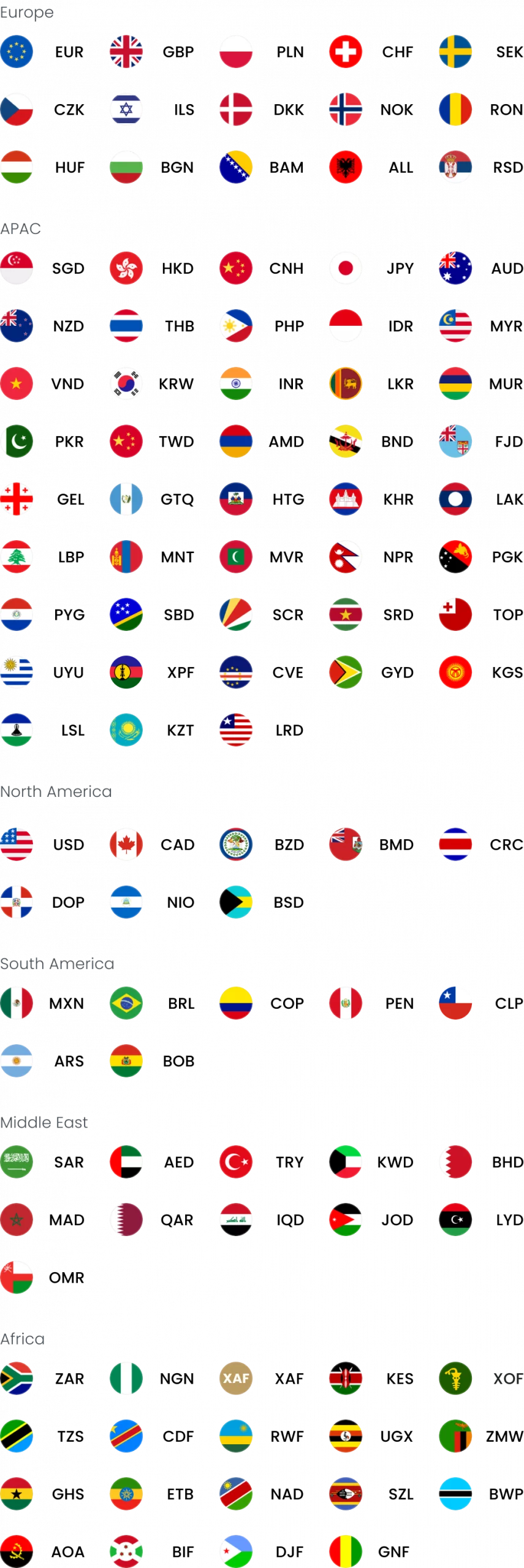
A multi-currency business account lets you receive, hold, pay and transfer funds in multiple currencies from one place. With a multi-currency account, a business can trade in GBP, EUR, USD, CAD, CNH, SGD, AUD and many other currencies.
For example, a UK-based account holder expanding into China can hold funds in both GBP and CNH. With a single account, they can pay suppliers in mainland China, receive and convert payments back into GBP, and connect to Chinese marketplaces for faster payouts or access to more affordable wholesale products.
How WorldFirst makes it simpler to operate in China
WorldFirst is a cross-border payments platform and multi-currency account that makes payments to and from China simpler. WorldFirst isn’t a bank; in the UK it’s authorised by the Financial Conduct Authority as an Electronic Money Institution, and customer funds are safeguarded in line with regulatory requirements. With a single World Account, you can make fast, affordable payments in local currency and receive faster payouts from partners and marketplaces in China.
Here are some of the ways WorldFirst helps UK businesses simplify trade with China.
Pay suppliers in mainland China faster, for less
Paying Chinese suppliers can be slow and expensive through traditional methods like bank wires, which can take up to five days. WorldFirst makes it faster and more affordable by letting you:
- Send payments to mainland Chinese bank accounts in CNH directly from your World Account dashboard, with WorldFirst handling the compliance and regulatory requirements
- Use local payment rails instead of SWIFT, for fewer intermediaries, faster transfer times and lower fees
- Avoid multiple conversion fees by paying suppliers in their local currency
Beyond China, you can also pay to 210+ destinations in 100+ currencies from the same dashboard. Most payments land the same day or the next working day, and payments to other World Account holders are instant and free.
Learn more: international business payment methods.
Discover and pay suppliers through local wholesale platforms
With WorldFirst, you can source suppliers the way locals do, through 1688.com, China’s leading online wholesale platform. WorldFirst’s integration with 1688.com gives you direct access to 10 million-plus registered suppliers across 1,700-plus subcategories, with prices that can run up to 40% lower than other platforms.
Before this kind of integration existed, 1688.com was only accessible to international buyers through complex workarounds. With WorldFirst, you can pay 1688.com suppliers instantly, in Chinese currency, right from your World Account dashboard through World Pay.
Learn more: how to source wholesale using 1688.com outside China.
Get local Chinese account details and join popular marketplaces
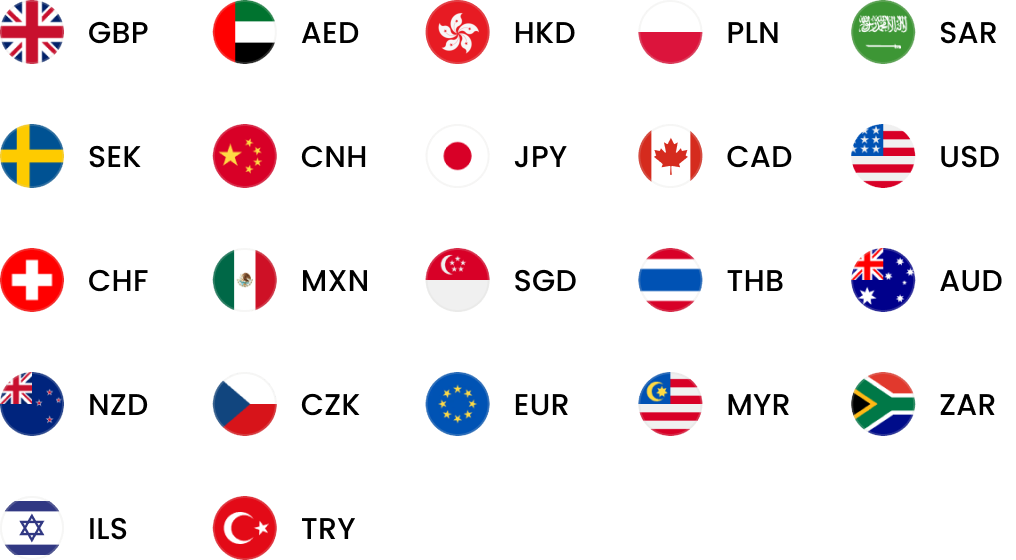
With your World Account, it’s free to receive and hold funds in 20+ currencies, including CNH, and you get local account details for each one. This lets you pay and get paid faster using local payment rails, and join marketplaces and platforms, including several major Chinese and cross-border platforms, that require a local bank account to sell.
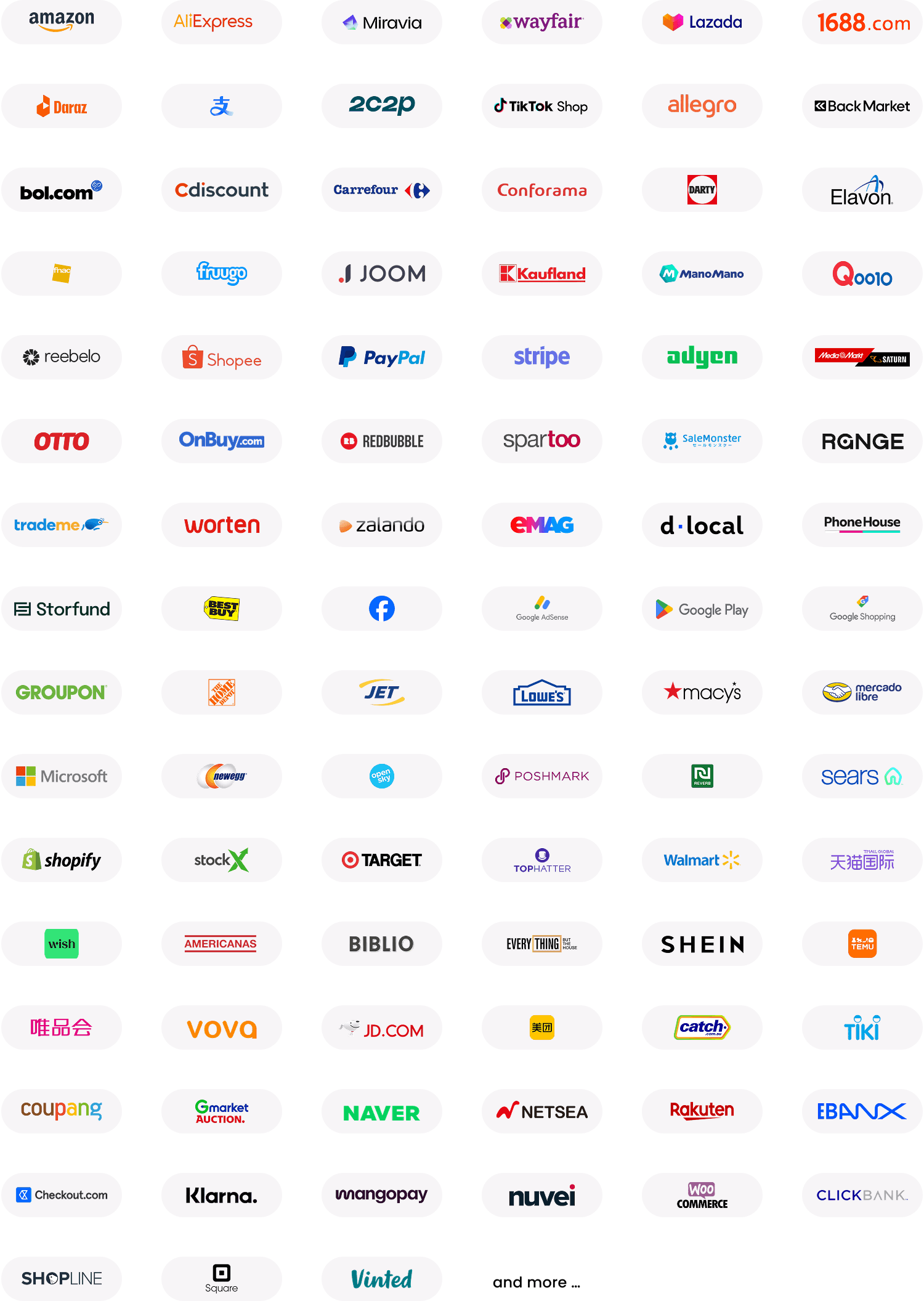
WorldFirst connects directly to 130+ marketplaces and payment gateways in total, including well-known platforms like Amazon, Shein and TikTok Shop, so you can consistently get paid faster and pay Chinese suppliers on time.
Use your virtual World Card to pay in CNH with no FX fees
WorldFirst lets you pay suppliers, vendors and partners anywhere Mastercard is accepted. When you open a World Account, you can issue up to 25 virtual World Cards for free, letting you pay in 15 currencies including CNH with no foreign exchange fees when using your existing balance.
With your World Card, you can also earn up to 1.2% cashback on business expenses to reinvest in your business, and you can connect your World Card to Alipay to make in-person payments when you travel to China.
Read more: how a multi-currency virtual card helps your business grow.
How to open a World Account
Ready to open a World Account for simpler payments to and from China? Here’s how to get started:
- Go to our sign-up page
- Enter your personal and business details
- Share your verification documents
- Set your account preferences
- Connect with Chinese partners to send and receive payments faster
Need assistance? See our official Help Centre guide for more on setting up your account.
How Party Bestbuy simplified payments to China with WorldFirst
Party Bestbuy is an Australian company specialising in party supplies, from wedding and birthday decorations to supplies for other events. Its founder, Rocky Yan, sources from 1688.com because it gives him access to millions of Chinese suppliers at low prices.
Before WorldFirst’s direct integration with 1688.com, it was taking days for Rocky’s supplier payments to arrive, which meant inventory was often delayed and put pressure on his supplier relationships.
By using WorldFirst, Rocky can pay suppliers instantly rather than waiting for funds to clear. That means he can procure inventory faster, avoid cash flow gaps, and maintain positive, long-lasting supplier relationships.
Ready to simplify your China strategy?
Whether you’re selling into China, sourcing products, or both, WorldFirst makes it easier to do international business. With a World Account, you can:
- Pay suppliers without hidden fees
- Use local payment networks for faster, more affordable transfers
- Get local account details to join Chinese marketplaces
- Access and pay suppliers instantly through 1688.com
Open a World Account today to get started.
FAQs
1. What’s the best location to base a foreign business connected to China?
Popular choices include Shanghai for its finance and trade links, Beijing for government access and tech, and Hong Kong for its lower taxes, common law system and role as a gateway to the mainland. Shenzhen, Guangzhou and Chengdu offer strong manufacturing bases and growing innovation sectors, while China continues investing in cities like Hainan, home to its free trade port, to expand international trade and shopping access.
2. What regulations or laws do I need to know about to do business in China?
Key areas include the Foreign Investment Law, intellectual property protection (trademarks, patents, copyrights), e-commerce and data privacy rules, and tariffs and customs duties, alongside sector-specific regulations for areas like financial services or manufacturing. Compliance with labour law, work permits, anti-corruption measures and local licensing requirements is also essential.
3. What taxes do I have to pay to do business with China?
Foreign businesses in China may be liable for corporate income tax, value-added tax (VAT) and various customs duties. Employers and employees contribute to social security and housing funds, and foreign employees are generally liable for individual income tax on China-sourced earnings. Exact rates and obligations vary by region and business structure, so it’s worth getting local advice before you commit.
4. What documentation do I need to do business in China?
To operate legally, foreign investors typically need documents including the Articles of Association for the business, proof of identity and incorporation for all foreign investors, and a detailed business licence application. Depending on your sector and structure, you may also need capital verification reports, lease agreements for a registered office, and any industry-specific permits.
5. Do I need insurance to do business in China?
Employers in China are generally required to contribute to social insurance schemes for employees, which can include pension, medical, unemployment, work injury and maternity insurance. You may also need commercial insurance to cover business risks, protect assets and meet industry-specific requirements.
6. What is a foreign-invested enterprise (FIE) in China?
A foreign-invested enterprise (FIE) is a business registered in China that’s wholly or partly owned by foreign investors. Common structures include wholly foreign-owned enterprises (WFOEs), equity joint ventures (EJVs) and cooperative joint ventures (CJVs). FIEs must comply with China’s Foreign Investment Law, register with the relevant authorities, and meet specific requirements for capital contributions, reporting and licensing.