A business account might cost £8.50 a month on paper. But add a £15 international transfer fee and the FX markup applied to a £10,000 supplier payment, and your real banking cost can be significantly higher, and the FX margin buried inside every conversion you didn’t think to question.
If you’re an SME weighing up whether to stick with your current business bank account or switch to something built for international trade, the headline monthly fee is rarely where the real money leaks out.
Over four million people in the UK are now self-employed, freelancing, contracting or working in the gig economy, and a growing share of them trade across borders, according to MoneySavingExpert’s business account research.
For limited companies, a business account isn’t optional. It’s a legal requirement to keep personal and business finances separate. For sole traders, most banks’ terms and conditions effectively force the same decision even without a legal obligation.
This article breaks down what UK business bank accounts actually cost once you count every fee type, compares traditional banks against digital challengers and WorldFirst, and explains why the FX margin, not the monthly fee, is usually the biggest number on your bill.
Key takeaways:
- Headline fees rarely show the full cost: monthly charges can be only a small part of what you pay once transaction fees and international payment costs are added
- International transfers make provider differences clearer: traditional banks often add fixed send or receive fees before any currency conversion cost
- FX margins can outweigh visible charges: on larger overseas payments, the exchange rate markup may cost more than the transfer fee itself
- Free business accounts still have trade-offs: digital challengers can remove monthly fees, but international payment and multi-currency features vary widely
- The cheapest option depends on how you use the account: a domestic-only business and an importer paying overseas suppliers regularly may get very different value from the same provider
- WorldFirst focuses on cross-border costs: the World Account has no ongoing account fee and combines multi-currency holding, international payments and transparent FX pricing for businesses trading overseas
Open a World Account to see transparent pricing on international payments before you commit to a switch.
Business bank account fees at a glance
The table below compares monthly account fees, international payment charges and FX pricing across UK business account providers:
| Provider | Monthly account fee | International payment pricing | FX pricing |
| WorldFirst World Account | Free | £0.30 local GBP/EUR/USD; £4 international | Up to 0.50%; eligible new UK customers 0.30% for first 180 days |
| Barclays | £8.50 after 12-month introductory period | £15 standard online; £0.35 SEPA | Barclays conversion charge applies |
| HSBC | £10 after 12-month introductory period | Varies by payment type; check current Business Price List | HSBC quoted exchange rate |
| Santander | £9.99 after eligible 12-month introductory period | £25 standard; no Santander fee for non-urgent EUR SEPA | 1%–3% markup depending on payment value |
| Lloyds | £8.50 after 12-month introductory period | £15 online; £5 non-urgent EUR SEPA; correspondent fees may apply | 2.60% up to £25k, decreasing at higher amounts |
| Starling | Free core business account; currency accounts may have monthly fees | Delivery fee varies by payment route | 0.4% conversion fee; additional weekend margin may apply |
| Tide | £0–£69.99 depending on plan | 20p to free depending on plan | 0.5%–1.5% for foreign bank transfers depending on plan |
| Monzo Business | £0 / £9 / from £25 | International payments supported in 30+ currencies; fee shown before sending | Pricing varies; 1% fee on qualifying incoming foreign-currency conversion |
Rates and fees checked August 2026 using providers’ published UK pricing and product information. Fees may vary by account, payment type, currency and transaction value, so confirm current pricing directly with the provider before opening or switching an account.
Do business bank accounts have fees?
Yes, most UK business bank accounts carry fees somewhere in their structure, even when the account itself is advertised as free. As Small Business’s guide to bank fees puts it plainly, ‘free banking doesn’t really exist, at least not in the same way it does for personal bank accounts.’
The fee types you’ll encounter across UK providers typically include:
- Monthly maintenance fees: charged simply for holding the account open, ranging from nothing at digital challengers to £10 a month at some high-street banks once introductory periods end
- Transaction fees: per-transfer charges for payments in and out, which add up quickly if you make frequent supplier or client payments
- International transfer fees: separate charges for sending or receiving money from overseas, on top of any currency conversion cost
- Currency conversion or FX fees: the margin applied when converting between currencies, often the largest single cost on an international payment
- ATM and cash handling fees: withdrawal charges and non-Sterling transaction fees that matter if your business handles cash or travels internationally
- Overdraft fees and interest: charges for dipping into an agreed or unagreed overdraft facility
- Minimum balance requirements: some accounts require you to hold a set balance or face additional charges, tying up working capital you could otherwise deploy
Which UK provider has the lowest fees for a business account?
For pure account fees, Starling Bank, Tide’s free tier, Monzo Lite and Mettle all offer genuinely free UK business banking with no monthly charge, though the lowest headline fee isn’t always the lowest total cost once you add international payment activity.
If your business rarely trades overseas and mainly needs domestic Faster Payments, BACS and card acceptance, Starling’s zero monthly fee and 0.4% conversion rate make it competitive, and Tide’s free plan works well for straightforward domestic transaction volumes before the 20p per-transfer charge kicks in. Mettle is worth ruling out immediately if you pay suppliers abroad, since it doesn’t support international payments at all, regardless of how attractive its zero fee looks on paper.
Once international payments enter the picture, the comparison changes. WorldFirst’s World Account is free to open with no ongoing account charges and no minimum balance required.
Local payments in GBP, EUR or USD cost £0.30, international payments cost £4.00, and cross-currency payments above £5,000 are free. Currency conversion is priced at up to 0.50%, with new customers receiving an exclusive 0.3% exchange fee. Payments between World Accounts settle instantly and free of charge.
The comparison that matters for an SME comparing providers isn’t ‘which account has no monthly fee.’ It’s ‘which account costs the least once I add up every fee I’ll actually incur based on how my business pays and gets paid.’ A domestic-only retailer and an importer paying Chinese suppliers monthly will land on different answers, even if they’re looking at the same fee table.
The hidden cost: FX margins in business bank account fees
For larger international transfers, the FX markup can cost substantially more than the fixed transfer fee. Fee schedules list transfer charges clearly, but the FX margin is baked into the rate itself, which makes it far harder to spot and compare.

Consider a worked example. On a £10,000 international payment, a 2% FX margin costs you £200 in conversion alone. Drop that margin to 0.6% and the cost falls to £60. Drop it further to WorldFirst’s new-customer rate of 0.3% and you’re paying £30, a saving of £170 compared with the 2% scenario, with the fixed transfer fee unchanged throughout. WorldFirst states customers can save up to £270 per £10,000 sent overseas compared with typical bank rates, which aligns with this kind of margin difference at scale.
Traditional banks combine a visible send fee with an embedded FX margin that isn’t separately disclosed. HSBC charges £17 to send a payment, Barclays charges £15, and both add a currency conversion margin on top that you won’t find itemised anywhere on your statement. This reflects a wider industry pattern in FX pricing rather than a claim about any single bank’s specific routing.
WorldFirst’s FX pricing mechanism page sets out three broad models used across the market. Type 1 quotes the interbank rate and charges a separate, visible FX fee.
Type 2, which WorldFirst uses, applies a single all-inclusive markup to the interbank rate and quotes one guaranteed rate upfront, with no additional fee layered on afterwards.
Type 3 charges a membership or subscription fee in exchange for interbank rates up to a certain transaction limit. Understanding which model a provider uses tells you more about your real cost than the headline fee ever will, because it determines whether the number you’re quoted is the number you’ll actually pay.
Read more: FX payments for business: costs, speed and control
What are the disadvantages of a business bank account?
The main disadvantages of a conventional business bank account are fees that compound across multiple charge types, working capital tied up in minimum balances, and international payment friction that slows down supplier relationships. These trade-offs matter most for businesses trading across borders rather than those banking purely domestically.
Nine disadvantages recur across UK business banking:
- Account fees add up: monthly charges, transaction fees, and international transfer costs combine into a total that’s higher than the headline figure suggests
- Minimum balances lock up working capital: some accounts require you to hold a set balance, restricting cash you could otherwise use for stock, payroll or growth
- Application processes can take time: traditional bank onboarding often involves in-branch verification and multi-week waits, which delays trading
- Transaction limits restrict daily operations: caps on transfer volume or value can force businesses to split payments or seek exceptions
- International transfers can be slow or expensive: cross-border payments through traditional banks often route via correspondent banks, adding both cost and days to settlement
- FX costs eat into margins: as covered above, the exchange rate markup is frequently the largest and least transparent cost component
- Multi-currency support may be limited: many UK business accounts hold and pay in Sterling only, forcing conversion at every international transaction
- Reconciliation work multiplies with more accounts: businesses juggling a UK account, a marketplace payout account and a separate FX provider face fragmented reporting
- Account reviews can affect cash flow: periodic compliance reviews at traditional banks can temporarily restrict access to funds at inconvenient moments
A single monthly fee doesn’t always mean an account is cheap. Transaction charges, FX margins, overseas payment fees and minimum balance rules can push the total cost well above what the headline suggests, which is exactly why comparing fee schedules in isolation misleads more than it informs.
WorldFirst’s World Account was built to answer several of these frictions directly rather than as an afterthought. There’s no ongoing account fee and no minimum balance, so working capital stays available. Applications complete online, typically within minutes rather than weeks. Standard use carries no restrictive transaction limits.
Around 80% of payments land the same day, and the platform holds 20+ currencies in one account, which removes the need to juggle separate FX providers and multiple reconciliation trails.
How WorldFirst compares on business account fees
Where WorldFirst differentiates is cost transparency and cross-border workflow.
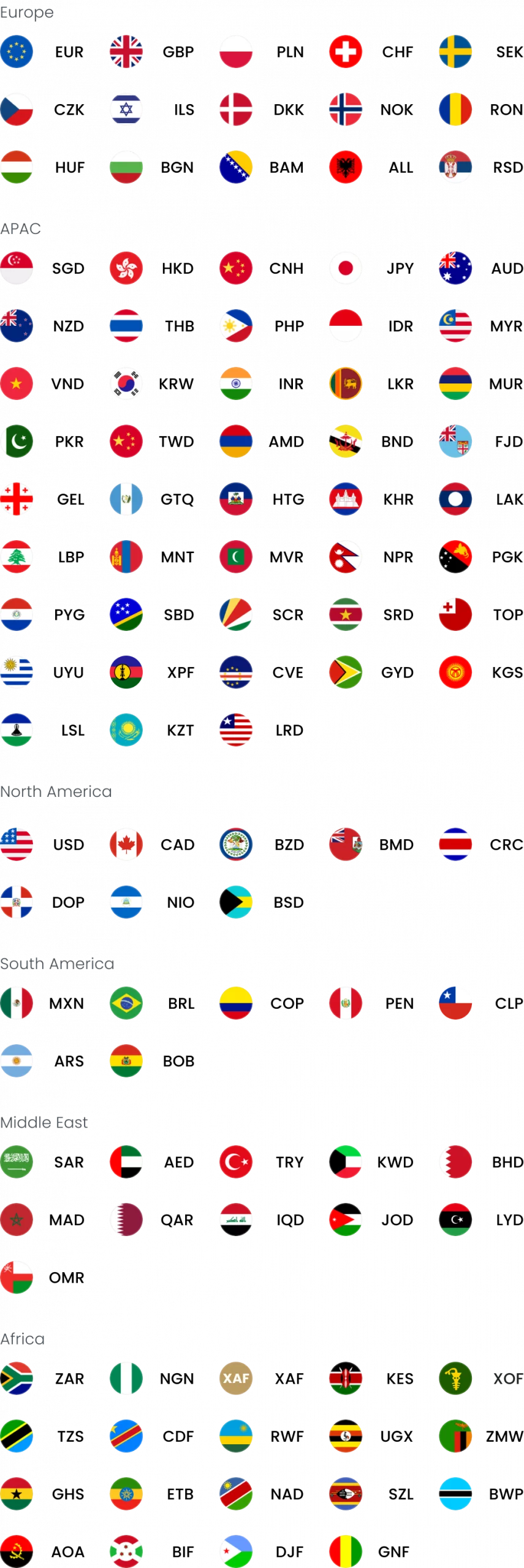
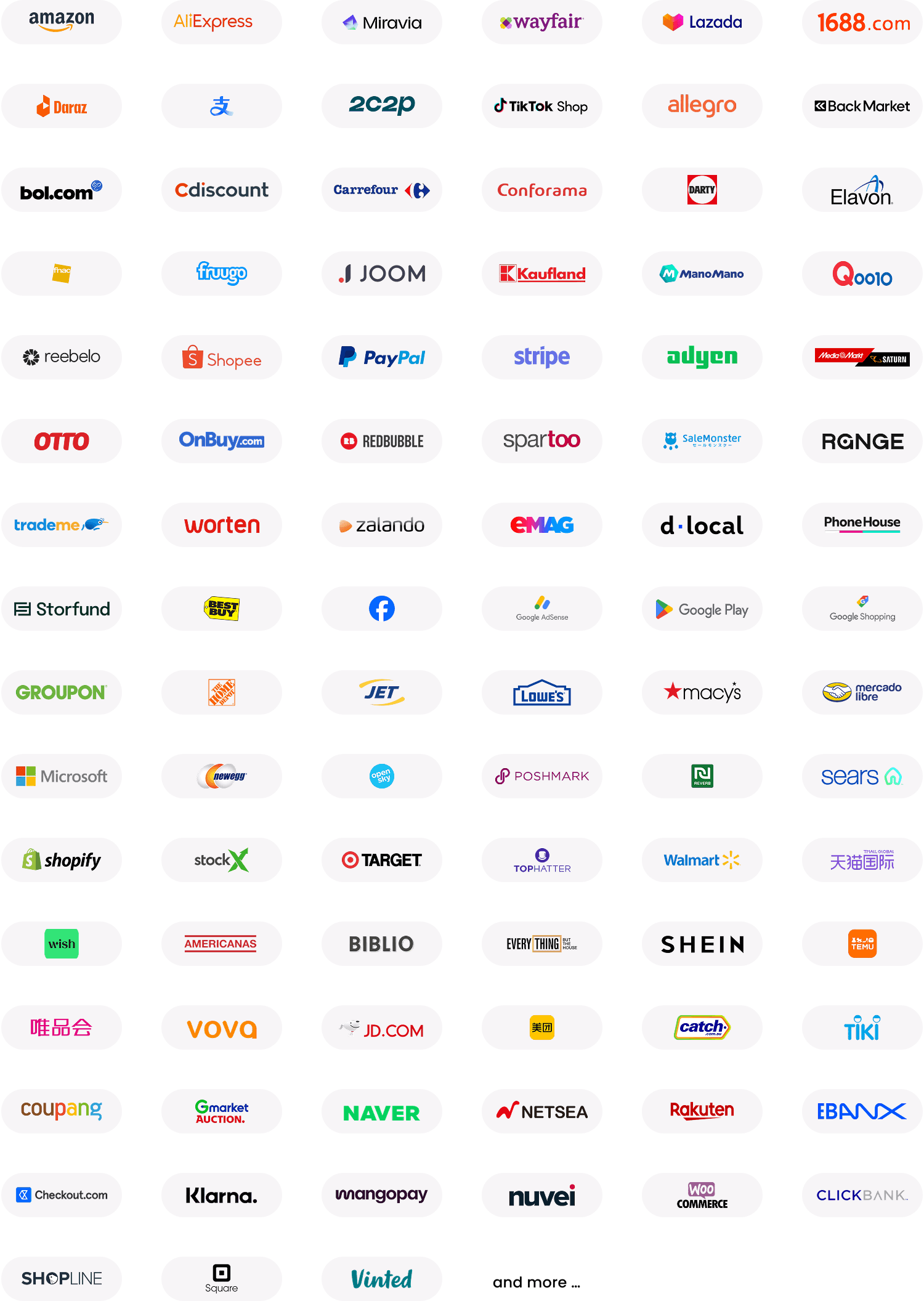
The World Account has no ongoing fees and no minimum balance. Payments to and from 130+ marketplaces, including Amazon, Shopee, Shopify and PayPal, are free to receive. Local payments cost £0.30, international payments cost £4.00, and cross-currency payments above £5,000 are free. FX conversion runs up to 0.50%, with new customers accessing 0.3%. Payments reach 200+ countries in 100+ currencies, and 150000+ Chinese suppliers are already set up on WorldFirst for instant RMB payments.
The World Card, a Mastercard-powered virtual business debit card linked to the World Account, adds no FX fees on 15 major currencies including USD, GBP, EUR, SGD and HKD when spending from held balances, alongside uncapped cashback on eligible business spend credited monthly, with no annual card fee.
What WorldFirst doesn’t do is worth stating plainly: it doesn’t offer payroll, cash management or full domestic banking services. If your business needs an overdraft facility, business loans or integrated payroll, you’ll still need a relationship with a bank alongside your World Account.
For SMEs whose primary friction is international payment cost and FX visibility rather than credit or cash management, that trade-off is usually acceptable, since most switchers keep a domestic bank account for day-to-day Sterling banking and add WorldFirst specifically for cross-border payments and collections.
WorldFirst isn’t a bank. World First UK Limited is authorised and regulated by the FCA as an Electronic Money Institution under the Electronic Money Regulations 2011, with firm reference number 900508.
Open a World Account and see exactly what you’d pay on your next international transfer before you decide.
FAQs
1. Do business bank accounts have fees?
Yes. Most UK business bank accounts carry some combination of monthly maintenance fees, transaction charges, international transfer fees, FX conversion margins, ATM and cash handling fees, overdraft interest, or minimum balance requirements, according to Small Business’s fee guide.
Even accounts marketed as ‘free,’ such as Starling or Mettle, typically still charge for specific activities like international transfers or currency conversion. The exceptions are digital-first accounts like WorldFirst’s World Account, which charges no ongoing account fee and no minimum balance, with pricing limited to per-transaction charges and FX margins that are disclosed upfront.
2. Which UK provider has the lowest fees for a business account?
For domestic-only banking, Starling Bank, Tide’s free plan, Monzo Lite and Mettle all offer zero monthly fees. However, Mettle doesn’t support international payments at all, and Tide’s free allowance is limited before per-transfer charges apply.
For businesses that pay or collect internationally, WorldFirst’s World Account combines no ongoing fees with £0.30 local and £4.00 international payment charges, free cross-currency payments above £5,000, and FX rates up to 0.50% (0.3% for new customers), which typically works out cheaper overall than a ‘free’ domestic account once international activity is added. The right answer depends on how much of your payment activity crosses borders.
3. What are the disadvantages of a business bank account?
The main disadvantages include compounding fees across multiple charge types, minimum balances that tie up working capital, slow application processes at traditional banks, transaction limits that restrict operations, expensive or slow international transfers, FX costs that erode margins, limited multi-currency support forcing constant conversion, reconciliation burden from managing multiple accounts, and periodic account reviews that can temporarily restrict access to funds.
These disadvantages weigh most heavily on businesses trading internationally, which is why many SMEs pair a domestic bank account with a specialist provider like WorldFirst for cross-border payments specifically.
Sources:
- https://www.moneysavingexpert.com/banking/business-bank-account/
- https://www.gov.uk/running-a-limited-company/company-and-accounting-records
- https://smallbusiness.co.uk/a-guide-to-bank-fees-for-small-businesses-2592347/
- https://wise.com/gb/blog/business-bank-account-fees