


























Are you about to build your dropshipping business around whichever supplier came up first on Google? That decision alone could be why somewhere between 80% and 90% of new UK dropshippers don’t make it past their first year.
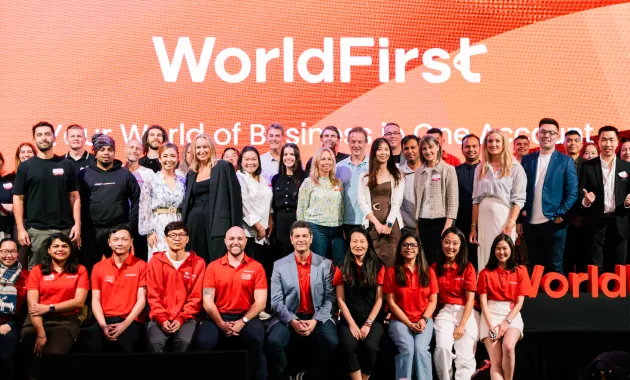
Entering 2026, UK dropshipping is still booming, but the sellers pulling ahead aren’t the ones who found a viral product. They’re the ones who treated sourcing, fulfilment, and payments as one connected system rather than three separate headaches. That distinction came up again and again at CJEC, CJ Dropshipping’s 2026 conference series, where founders from Amsterdam to Budapest shared what actually separates the sellers who scale from the ones who quietly disappear.
As Elisabeth van Nieuwamerongen, Business Developer at CJ Dropshipping, put it: “Dropshipping is no longer just a small business model driven by individuals testing products online. It has become a truly global entrepreneurial ecosystem. From Amsterdam to Istanbul, and now Budapest, we meet founders from different countries, different backgrounds, and different stages of growth. But they share the same ambition: they want to build global businesses.”
If you’re running a UK online store or getting into dropshipping, sourcing reliable partners and finding better dropshipping suppliers you choose will be decisive.
Clemens, WorldFirst’s EU manager, echoed the same warning at CJ’s Amsterdam event: somewhere between 80% and 90% of new dropshippers can’t take their business into a second year. So we asked Elisabeth directly whether that failure rate comes down to picking the wrong product, she said: “A good product is important, but finding a product is only the beginning. Many new sellers underestimate the complexity of building a real business: understanding customers, managing cash flow, optimising advertising, improving fulfillment, and continuously learning. The sellers who succeed are usually those who treat dropshipping as a serious business.”
That’s why choosing the right suppliers matters. This guide covers 10 dropshipping suppliers and partner platforms for 2026, along with how to find reliable suppliers and where free dropshipping suppliers actually fit into a serious sourcing strategy.

10 Best Dropshipping Suppliers & Partner Platforms for 2026
1688
1688 is Alibaba’s own domestic Chinese B2B marketplace. You’ll find millions of suppliers and manufacturers here, and product prices tend to run much lower than anywhere else. 1688 was built specifically for buyers in China, so its suppliers don’t ship internationally on their own. That’s where a dropshipping agent comes in. The agent receives the goods from the 1688 supplier on your behalf, then handles the international leg of the journey, packing and forwarding orders out to your customers wherever they are. It’s a bit more involved than sourcing elsewhere, but it’s the only practical way to tap into 1688’s pricing if you’re selling outside China.
Paying a supplier in China as a foreign buyer has traditionally meant routing through an agent’s account. A WorldFirst account helps here, since it lets you use World Pay to pay 1688 suppliers directly, in a single click, settling in CNH rather than USD, which typically gives you a better exchange rate than converting through a middleman twice. It used to be more or less locked to buyers with a Chinese bank account, but cross-border payment tools have opened this up to UK and European sellers, who can now pay these suppliers directly and instantly, without needing a local account at all.
Alibaba
Alibaba is almost identical to 1688 except it’s global. Alibaba suppliers are used to shipping abroad, so you can source and fulfill straight from the platform without needing a middleman standing between your checkout and the customer’s delivery. Most listed suppliers have experience handling export paperwork, customs documentation, and international carriers.
A number of dropshipping partner platforms offer direct integrations with Alibaba’s catalogue, so products and orders can sync automatically rather than you copying details across by hand.
AliExpress Business
This is an invite-only offshoot of AliExpress, built specifically for companies sourcing at a business level rather than individual consumers buying one item at a time. You get the same enormous product catalogue AliExpress is known for, but with supplier verification that goes a level deeper, plus account features aimed at actual businesses rather than casual shoppers.
The standout feature here is the dropshipping API, which lets you automate order processing and inventory syncing rather than manually pushing orders through one at a time.
CJdropshipping
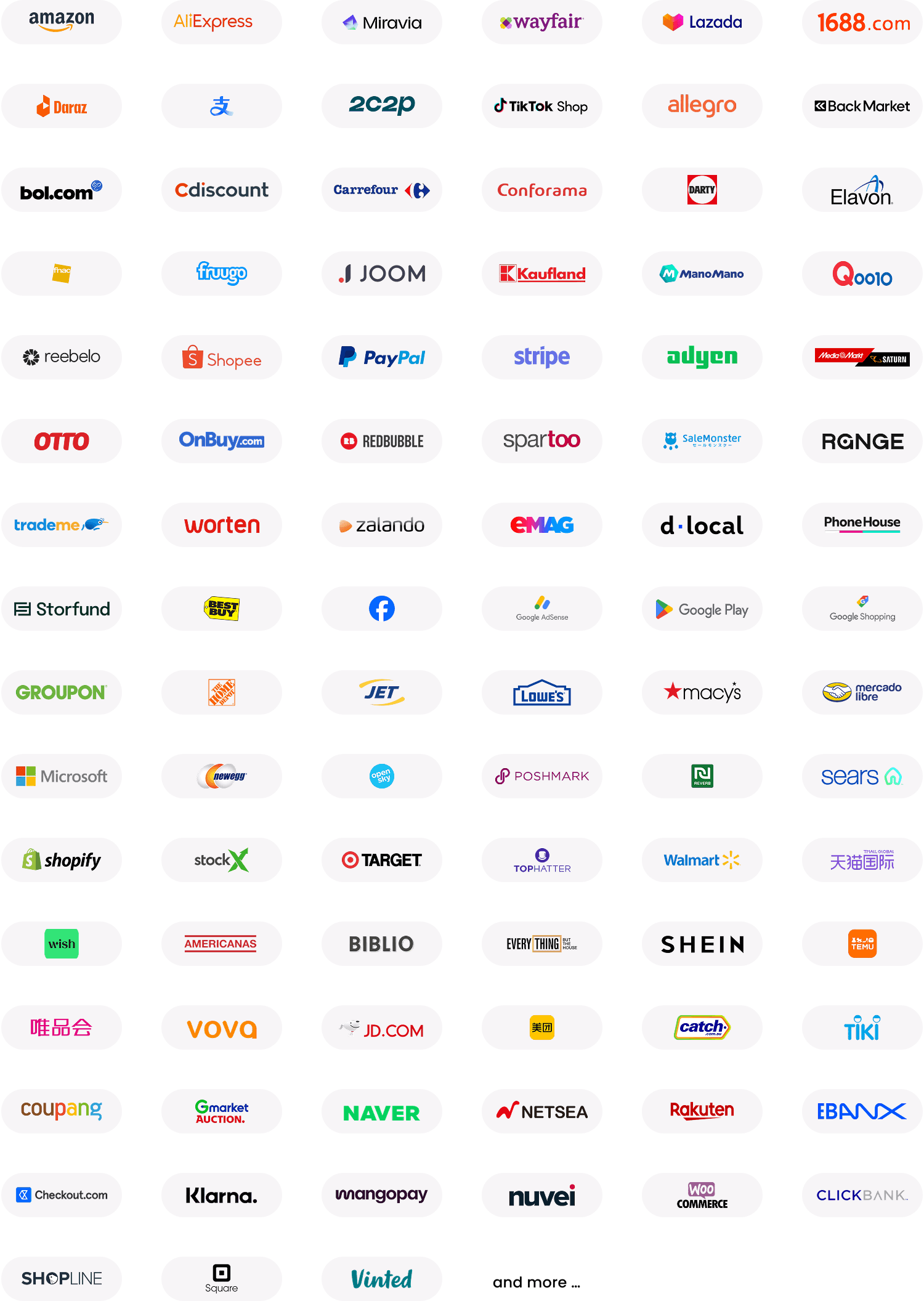
CJdropshipping has built itself into one of the broadest integration networks in the industry, supporting 18+ e-commerce platforms, including Shopify, WooCommerce, Wix, BigCommerce, Magento, Etsy, eBay, Amazon, TikTok Shop, Lazada, Shopee, Nuvemshop, Shoplazza, Temu, Mercado Libre, and WED2C, alongside API access for custom setups outside those platforms entirely.
Its global product catalogue runs past 100,000 items, backed by its own logistics network, with warehouses in the US, EU, and China. Orders ship from whichever location gets your customer their parcel fastest, rather than everything routing through a single overseas hub. Once your store’s connected, whether through a pre-built app or CJ’s API, products import and orders auto-sync, so a sale on your storefront triggers fulfillment on CJ’s end without you manually re-entering anything.
Today, CJ Dropshipping works as a full supply chain ecosystem, handling sourcing, warehousing, quality control, and packaging all in one place.
“When we started, we thought our main value was helping sellers find products at competitive prices. But as we worked with more entrepreneurs, we realised their biggest challenges were often not only sourcing. They needed advice on market selection, payment solutions, advertising, logistics, compliance, and scaling their operations. So CJ naturally evolved from a sourcing platform into a broader ecosystem. The biggest surprise is that sellers don’t just need a supplier. They need a partner who understands their journey,” says Elisabeth.
- Catalogue: over 100,000 products across dozens of categories
- Warehousing: stock held across the US, China, and EU hubs, which brings shipping to the UK and Europe down to 2 to 5 days in many cases
- Quality control: free QC photos before anything ships, with paid inspection available for larger orders
- Custom branding: useful once you’re trying to look like more than a reseller
- Multiple integrations: Shopify, TikTok Shop, WooCommerce, eBay, and Etsy without much manual setup
Spocket
Spocket is a solid pick if speed to the customer matters more than rock-bottom pricing. Most of its supplier base sits in the US and Europe, so delivery times are noticeably shorter than sourcing from other places. It also automates stock tracking, so an out-of-stock item updates on your storefront before a customer orders it.
SaleHoo
SaleHoo gives access to over 8,000 vetted suppliers and millions of products. Every listed supplier goes through a legitimacy check before it’s added, which matters if you’ve been burned before by a “supplier” who turned out to be a middleman reselling at a markup. It connects cleanly with Shopify and works well as a lower-risk starting point.
Doba
Doba pulls together millions of products into one searchable database, saving a lot of the manual hunting most new sellers end up doing across a dozen tabs. Roughly 90% of its core catalogue sits in domestic warehouses, so delivery windows for Western buyers stay short. It also plugs into Amazon, Shopify, BigCommerce, and eBay through solid API integration.
Modalyst
For stores leaning into boutique fashion, designer goods, or anything a bit more upmarket than the usual dropshipping fare, Modalyst is built specifically for that. It connects independent merchants with automated fulfilment, so you’re not manually syncing stock levels every time something sells.
BrandsGateway
BrandsGateway focuses on luxury apparel and designer fashion specifically, a fairly narrow niche most dropshipping suppliers don’t touch. It’s based in Europe, ships fast, and packages goods in a way that actually matches the price point of what you’re selling.
Worldwide Brands
Worldwide Brands is a dropshipping supplier directory connecting ecommerce sellers with suppliers across a wide range of product categories. The company says it screens and certifies suppliers before adding them to its directory, and it provides access to more than 16 million wholesale products for sellers using platforms such as Shopify, Amazon, and eBay.
Free Dropshipping Suppliers: What’s Actually Free vs What Just Looks Free
Plenty of sellers looking for dropshipping suppliers are really searching for free dropshipping suppliers. CJ Dropshipping, Spocket’s basic tier, and AliExpress Business are genuinely free to sign up and start sourcing from. SaleHoo charges a membership fee for directory access, and Worldwide Brands charges a one-time lifetime fee, so neither is free even though both are legitimate.
Free platforms get you moving fast with zero upfront risk, which suits testing a new product idea. Paid directories offer stronger vetting and a bit more hand-holding, which can be worth paying for once you already know your niche and want reliable, checked suppliers rather than a huge catalogue to manually sift through.
Why Most Dropshippers Fail in Year One
Success isn’t about stumbling onto one viral product. It’s about building a system around that item that can survive the months when sales are low. The sellers who make it past their first twelve months tend to test, look honestly at what the data’s telling them, and adjust rather than digging in on a strategy that isn’t working.
As per Elisabeth: “The sellers who succeed in the long term usually have the ability to explore different opportunities, quickly identify the ones with real potential, and then stay focused and go deeper once they find the right direction. They don’t just chase every opportunity, and they don’t stay stuck with one idea either. They have the ability to adapt quickly, make decisions based on data, and then commit their resources to the opportunities that show the most potential.”
Adding further, she said: “The biggest challenge is often not moving too quickly, but spending too much time trying to find the ‘perfect’ product or waiting until everything is ready before taking action. The key is not to avoid speed, but to use speed as a way to learn and validate.”
Dropshipping is built for this kind of testing, because the inventory risk is so low.
How to Find Dropshipping Suppliers: The 2026 Checklist
When you’re working out how to find dropshipping suppliers worth building a store around, these five checks matter more than price alone:
- Vetted product quality and compliance: Ask for full specs, check the return policy on defective goods before you commit, and always order a physical sample yourself before you put any ad spend behind it.
- Localised warehousing: If your buyers expect delivery in 2 to 5 days, a supplier without EU or UK stock simply can’t deliver on that promise.
- Real technology syncing: Inventory needs to update automatically and connect properly with your store’s platform, or you’ll end up overselling the moment a product actually takes off.
- Communication: Check how a supplier communicates before you’ve even paid them anything. One who’s slow to reply while still trying to win your business is not going to get faster once you’re a paying customer.
- Key benefits worth checking: Volume discounts, priority handling during busy seasons, and an actual named contact rather than a generic support inbox.
Why Payments Matter as Much as Sourcing
As your online store’s transaction volume grows, financial operations become just as decisive to your success as sourcing ever was.
Traditional banks treat international payments as an afterthought, and it shows. High FX markups, multi-day SWIFT delays, and fees buried in the fine print chip away at margins that are already thin in dropshipping. When you’re paying an overseas supplier through a bank, you can lose 2% to 3% per transaction between the currency conversion and the wire fee itself. For a store doing €50,000 a month, that’s roughly €1,000 to €1,500 lost purely to how the money moves, whether that month was a strong one or a slow, seasonal dip.
Bridging Supply Chain and Global Payments
This is exactly the gap CJ Dropshipping and WorldFirst set out to close. As Elisabeth explained: “We are experts in supply chain and e-commerce operations, while WorldFirst has strong expertise in global payments. A seller doesn’t think about sourcing, logistics, and payments as separate problems. They just want to run their business efficiently. Together, we remove barriers and allow entrepreneurs to focus more on growth.”
Through World Pay, sellers can send instant, fee-free payments to suppliers on platforms like 1688.com, even without a local Chinese bank account.
Why CJ + WorldFirst
Here’s how the two platforms line up against each other, and why sellers tend to run them together rather than picking one:
| CJ Dropshipping | Details | WorldFirst | Details |
| Products | 100,000+ items | Supplier payments | Free and instant payments to CJ suppliers |
| Warehousing | EU, US, and China warehouses | Receive money | Currency receiving accounts (EUR, USD, MXN, GBP, and more) |
| Shipping | 2-5 day delivery to the EU | Marketplace collections | Collect payments from 130+ marketplaces, including Shopify, TikTok Shop, and AliExpress |
| Customisation | Custom branding and packaging | Business spending | Up to 1% cashback on eligible ads (Meta, Google, TikTok, and more), logistics, and subscription fees |
| Cost | Free to start | Cost | Free account with no subscription fee |
| Support | Dedicated agent | Support | Dedicated account support |
Together, it’s an end-to-end setup: CJ handles the product and fulfillment side, WorldFirst handles the money moving in and out, and neither one asks you to juggle a second account just to plug the gap the other doesn’t cover.
Elisabeth also flagged a service that most dropshippers tend to ignore, but they should not: “One service that many sellers underuse is our CJ Agent support. A CJ Agent can help sellers with product sourcing, supplier communication, order management, and logistics coordination. More importantly, they can provide insights and suggestions based on experience, helping sellers avoid common mistakes and move faster.”
How WorldFirst Solves Cross-Border Financial Friction
A few things a multi-currency account like WorldFirst’s actually does for a dropshipper running international suppliers:
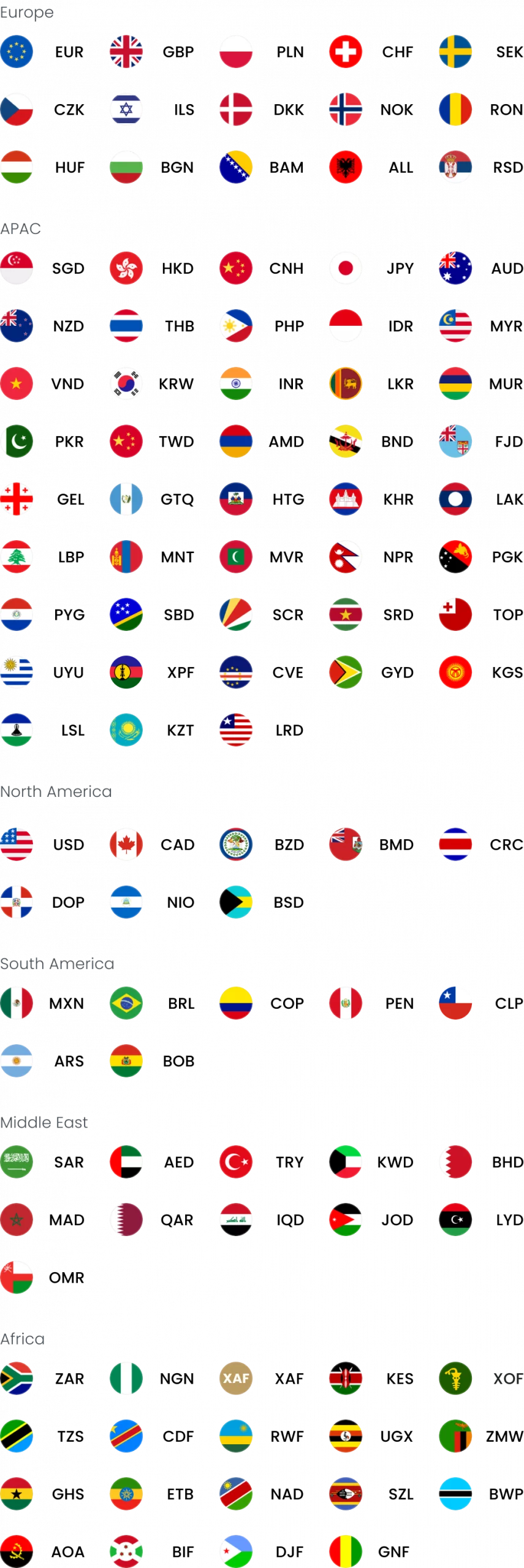
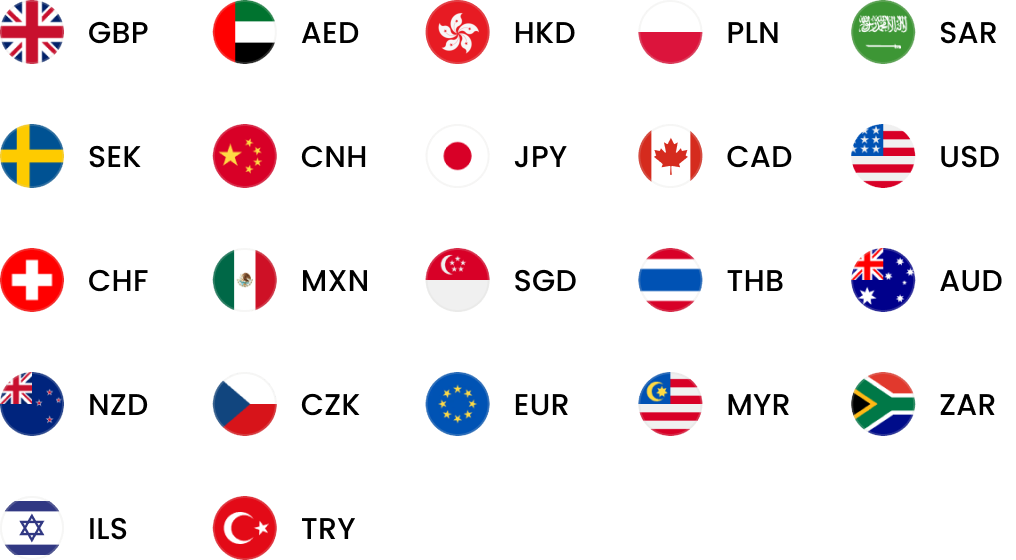
- Hold and pay directly in 20+ currencies, including EUR, USD, GBP, and CNH, so you’re paying suppliers in their own currency instead of eating a markup on every conversion.
- Use local payment rails rather than a slow international wire, meaning funds typically land in hours instead of the usual multi-day wait.
- Collect earnings from 130+ marketplaces, Shopify, TikTok Shop, Amazon, and Etsy among them, without forcing a conversion every time money comes in.
- Earn up to 1% cashback on everyday spend and ad costs across Meta, Google, and TikTok, using a virtual card with no foreign transaction fee attached.
Success Story: Sophie’s Path to €1.5M a Year in 15 Months
Sophie L., a Netherlands-based seller, went from her first sale to €120,000 a month within fifteen months, putting her on pace for roughly €1.5M a year, running four stores with a four-person team. What made the difference for her wasn’t a single product. It was pairing CJ’s EU warehouse, which got her down to 3-day delivery, with WorldFirst handling payments, so she wasn’t losing hours or margin to currency conversion tension every time she paid a supplier.
In her own words: “CJ’s EU warehouse means 3-day delivery. WorldFirst means no FX headaches. This combo lets me focus on scaling, not ops.”
Her timeline: first sale on day 32. €15,000 a month by month six. Four stores and €80,000 a month by month twelve. €120,000 a month with a four-person team by month fifteen. None of that happened overnight, and none of it happened because of one lucky product. It happened because the logistics and payment side stayed out of her way while she scaled.
The Blueprint: Weeks 1 Through 12
Inspired by Sophie? Here’s roughly how that kind of scaling tends to play out, broken down into stages:
Weeks 1-2: Source your first products through a fulfillment network like CJ Dropshipping, get your storefront live, and open a multi-currency account. Getting your payment infrastructure sorted before you’ve even taken your first order beats scrambling to fix it once things are already messy.
Weeks 3-4: Run small test ad campaigns, something like €10 to €20 a day to start, using a virtual card so ad spend stays contained and easy to track. Watch your customer acquisition cost closely here.
Months 2-3: Look honestly at what the data’s telling you. Cut the products that aren’t working, double down on the ones that are, and lean on your supplier’s account support to tighten up fulfillment.
Months 4-12: Push proven products into new stores or new markets, using bulk pricing and multi-currency cash flow to move from the €10K mark toward €100K and beyond.
How to Choose the Right Dropshipping Suppliers for Your Business
Most sellers default to whoever’s cheapest or fastest, but it’s worth evaluating suppliers properly first. Six things worth checking:
- Product quality and reliability: Check detailed product specs, quality certifications, and clear return policies for defective items. Verify through customer reviews, third-party certifications, and actual product samples.
- Shipping speed and costs: Think about your target market’s shipping expectations. Amazon Prime has trained UK and US customers to expect fast, free shipping, so factor shipping costs into your margins early rather than after launch.
- Payment and conversion fees: Consider the total cost of your order, including conversion fees, transfer charges, and processing times. Fast, reliable payments in local currency tend to help you negotiate better terms, bulk discounts, and priority fulfilment during busy periods.
- Communication and service quality: Test supplier responsiveness during evaluation. Choose suppliers who provide order tracking, inventory updates, and proactive communication about delays, and who understand your market’s service expectations.
- Technology integration: Modern suppliers offer API integrations, automated order processing, and real-time tracking. Ask directly whether their systems integrate smoothly with your e-commerce platform and payment setup.
- Scalability: The best suppliers scale with you, offering volume discounts, priority fulfilment, and dedicated account management as you grow, and can handle sudden order spikes without compromising quality or speed.
Red Flags to Avoid When Choosing Dropshipping Suppliers
A few warning signs worth watching for during evaluation:
- Quality and reliability issues: Suppliers who won’t provide samples or detailed specifications before you commit, or who have no transparent return or refund policy for defective products.
- Payment and financial red flags: Suppliers who only accept high-cost payment methods, or who demand payment via personal accounts rather than proper business accounts. Also watch for suppliers who don’t provide proper invoicing or business documentation for your accounting and tax reporting.
- Communication and service warning signs: Delayed responses during evaluation typically get worse once you’re a paying customer. Generic, outsourced-sounding responses that show no real product knowledge are a bad sign too.
- Operational concerns: New suppliers without an established track record, proper business registration, or a verifiable address pose a real risk. Suppliers lacking backup fulfilment options or contingency plans can leave you stranded the moment something goes wrong.
Pay Like a Local on 1688 via World Pay
1688.com is one of China’s largest wholesale marketplaces, offering access to over 10 million suppliers with prices up to 40% lower than international marketplaces. 1688 buyers also benefit from smaller minimum order quantities for product testing, alongside bulk pricing once you’re ready to scale.
1688 suppliers have traditionally only accepted domestic payments from Chinese bank accounts, a major barrier for international buyers. WorldFirst solves this with its exclusive payment integration, 1688 World Pay, which enables instant payments to Chinese suppliers whether or not you hold a Chinese bank account yourself.
Here’s how it works: link your World Account to your 1688 account via the WorldFirst dashboard. Then, when browsing on 1688.com, choose “World Pay” as your payment method at checkout. This lets you pay suppliers directly and skip the hassle of setting up a Chinese bank account or routing through complex payment intermediaries.
Protect Your Margins With Competitive FX Rates and Transparent Pricing
Currency fluctuations and hidden banking fees can eat away at your profits before your products even ship. A £1,000 supplier payment through traditional banks, for example, could end up costing an extra £20 to £70 in flat fees and exchange rate markups.
WorldFirst offers FX fees capped at 0.50% for major currencies, compared to 2 to 4% at traditional banks. There are no monthly account fees, setup costs, or hidden charges. You only pay when you send and convert currency.
You also get access to advanced FX tools to manage currency risk:
- Forward contracts: It lets you lock in favourable exchange rates for up to 24 months.
- Spot contracts: Using spot contracts, you can convert currency at the live market rate when you need immediate settlement.
- Firm orders: It lets you set a target exchange rate, so the transaction triggers automatically once the market hits your desired rate.
Together, these tools give you more control, stability, and confidence when paying suppliers internationally.
Read more: Foreign exchange risk management: How to make international business more affordable
Earn Cashback While Paying Suppliers With a World Card
Traditional business cards often charge foreign transaction fees, cutting into your margins when paying suppliers in multiple currencies. These fees add up quickly, especially for dropshippers making frequent, smaller payments.
The World Card is a virtual payment card with zero FX fees when paying in 15 major currencies from your account balances. You can issue up to 20 cards for different suppliers or expense categories, which helps simplify expense tracking while avoiding unnecessary conversion fees.
You can also earn up to 1% cashback on supplier payments and business expenses, effectively turning every transaction into a small return rather than a fee you just have to absorb.
Simplify Dropshipping Supplier Payments With WorldFirst
Finding the right dropshipping suppliers is only half the equation. Paying them quickly and cost-effectively is what keeps the business running smoothly day to day.
Every penny counts when you’re dropshipping. Traditional payment methods can eat into already thin margins with high fees and poor exchange rates, and managing payments across multiple suppliers in different currencies quickly turns into a logistical headache.
With a World Account, you can pay global suppliers quickly, securely, and in their local currencies, with no monthly fees and exchange rates capped at 0.50% for major currencies. It’s a more straightforward way to manage cash flow, maintain strong supplier relationships, and keep your margins healthy.
Ready to streamline how you pay your dropshipping suppliers? Open a World Account for free today.
FAQs
1. How much capital do I need to start dropshipping in 2026?
A realistic starting budget sits somewhere between €500 and €2,000. That covers your store platform subscription, product testing, and an ad budget.
2. How long does shipping take from international suppliers to the UK and Europe?
It depends entirely on the warehouse. A UK or EU regional warehouse gets you 2 to 5 days. But shipping straight from an overseas manufacturing hub like China may take 7 to 12 days.
3. Can I integrate dropshipping suppliers directly with my store?
Yes, most modern suppliers offer one-click integration with Shopify, TikTok Shop, WooCommerce, and BigCommerce.
4. Are there any genuinely free dropshipping suppliers worth using?
Yes. CJ Dropshipping, Spocket’s basic tier, and AliExpress Business are all free to join.
5. How can I protect my margins from currency conversion fees?
A multi-currency business account like WorldFirst lets you collect payments from global marketplaces and pay suppliers directly in their local currency. This helps you save money that would have otherwise gone towards bank FX transaction charges or currency conversion costs.
Sources
- https://www.worldfirst.com/uk/help-center/making-payments/make-purchases-on-1688/
- https://cjdropshipping.com/blogs/cj-news/What-is-CJdropshipping
- https://1688.com/
- https://www.alibaba.com/
- https://inbusiness.aliexpress.com/
- https://www.spocket.co/
- https://www.salehoo.com/
- https://www.doba.com/
- https://modalyst.co/
- https://brandsgateway.com/
- https://www.worldwidebrands.com/