



























If you’re running an SME that pays overseas suppliers or collects marketplace income in dollars and euros, you’ve probably already hit the same wall as thousands of other NatWest Business customers: your everyday banking works fine, but the moment money needs to cross a border, the costs and delays start eating into your margin.
A £15 transfer fee here, a receiving charge there, and an FX rate that only gets explained after the payment has gone through.
That friction isn’t a NatWest-specific failing. UK high street banks typically charge around 2.75% to 2.99% per foreign-currency card transaction, and standard international wire payments through the banking system commonly carry fees of £15 to £25 per transfer plus unpredictable intermediary charges.
This article breaks down exactly what NatWest Business charges for international payments, where its structural limits sit, and how a multi-currency account like WorldFirst’s World Account can sit alongside it to close the gap.
Key takeaways:
- NatWest works well for core UK banking: it offers the branch access, lending relationships and domestic banking infrastructure many established SMEs still need
- International payments carry extra costs: non-Euro transfers combine fixed payment fees with an FX margin, while some incoming foreign-currency payments also carry a charge
- Multi-currency flexibility is limited: UK mainland businesses need separate currency accounts rather than one account that holds several foreign currencies together
- Cross-border payments can take longer: standard non-Euro international transfers typically take several business days, which matters when supplier deadlines are tight
- FX tools are available, but aimed at more complex needs: NatWest offers products such as forwards and options through Agile Markets, while everyday business banking remains more domestic in focus
- WorldFirst can complement NatWest for international trade: businesses can keep NatWest for domestic banking and use a World Account for multi-currency holding, marketplace collections and overseas supplier payments
Open a World Account to start collecting and paying in multiple currencies alongside your existing NatWest business account.
What is NatWest Business?
NatWest Business is the commercial banking arm of National Westminster Bank Plc, one of the UK’s Big Four high street banks alongside HSBC, Barclays and Lloyds.
It’s authorised by the Prudential Regulation Authority and regulated by both the PRA and the FCA, and NatWest Group serves over a million business customers across its NatWest and RBS brands.
For day-to-day domestic banking, that scale and regulatory standing matters. Deposits held with NatWest business accounts are covered by the Financial Services Compensation Scheme (FSCS) up to £120,000 per eligible depositor, subject to standard eligibility criteria.
That’s a genuine strength banks like NatWest hold over non-bank payment providers, and it’s worth being clear about upfront: WorldFirst isn’t a bank. It’s authorised and regulated by the FCA as an electronic money institution, and while client funds are safeguarded in segregated accounts with tier-1 partner banks, that safeguarding arrangement doesn’t carry FSCS deposit protection.
Where NatWest Business earns its reputation is branch access, lending relationships, payroll integration and the kind of long-established domestic banking infrastructure that most UK SMEs still need. The question this article answers isn’t whether NatWest is a solid bank – it clearly is – but whether it’s built to handle the international payments and multi-currency demands of a business trading across borders.
NatWest Business account types at a glance
NatWest offers four core business account options, each aimed at a different stage of business life:
- Start-up account: for businesses with turnover under £1 million trading for less than a year, with two years of free banking on everyday transactions
- Business bank account: for established businesses trading over a year or with turnover above £1 million, offering two years’ free banking on everyday transactions when you switch via the Current Account Switch Service (CASS) and turnover is up to £2 million
- Community account: designed for charities and not-for-profit organisations
- Mettle: a free, mobile-only account for sole traders and limited companies with two or fewer owners and balances under £1 million
The free banking offer is generous on paper, but read the fine print. It excludes charges for unarranged overdrafts, Bankline access, international payments, and various extra services.
Once the free period ends, NatWest’s Standard Tariff applies, with published per-transaction charges including £0.35 for automated payments, £0.95 per £100 for cash payments, and £0.95 for manual payments. A monthly account fee of roughly £7.50 has been reported by third-party reviewers citing the CMA Open Data API, though we’d recommend checking your specific tariff booklet directly with NatWest, since this figure sits outside NatWest’s own published pages.
NatWest also bundles free access to FreeAgent accounting software with its business current account for as long as you hold the account, a useful add-on for bookkeeping that many competitors charge for separately.
None of this changes the moment your business needs to send or receive money internationally. That’s a different cost structure entirely, and it’s where the real comparison starts.
International payments with NatWest – what it actually costs
International payments through NatWest Business follow a fixed fee-plus-margin structure that adds up quickly if you’re paying suppliers regularly.
A standard international transfer outside the Eurozone costs £15 per transaction, while SEPA payments within Europe cost just 50p. Receiving money isn’t free either: NatWest charges £7 to receive most foreign currencies, though Euro receipts carry no charge.
The bigger cost, and the one that’s easiest to miss, is the FX margin baked into the exchange rate itself. NatWest states clearly that its FX rates for international payments include a margin that ‘won’t exceed 2.65%’ on core payment currencies, added to the rate NatWest receives from NatWest Markets.
Non-core currencies such as Brazilian real, Egyptian pound, Korean won or Malaysian ringgit carry a margin of up to 3.5%. On a £20,000 supplier payment, a 2.65% margin alone represents around £530 disappearing before you even count the £15 transfer fee.
Speed is the other trade-off. NatWest’s standard non-Euro international payment takes 2 to 4 business days to arrive, with an urgent option landing the next business day for an additional fee. SEPA payments can settle same-day if submitted before the relevant cut-off.
NatWest supports 35 foreign currencies through standard online banking, rising to 45 currencies via Bankline, its dedicated business banking platform which carries its own eligibility requirements and fees.
For larger, more complex FX needs, NatWest offers Agile Markets, an online execution platform run through NatWest Markets that provides spot, forward and option contracts with trade-by-trade cost transparency. It’s a capable tool, but it’s built with larger businesses and treasury functions in mind rather than an SME sending occasional supplier payments.
The multi-currency gap in NatWest Business
If your business holds balances in multiple currencies, whether that’s USD from a US marketplace, EUR from European customers, or CNH for supplier payments to China, NatWest Business doesn’t currently offer a genuine multi-currency account for UK mainland businesses.
NatWest’s Business Currency Current Account lets you hold one foreign currency, with a linked Sterling account opened alongside it, according to NatWest’s currency account page. A business that wants to maintain balances in several foreign currencies may therefore need separate currency accounts, rather than managing all supported balances within one account.
NatWest does offer a true multi-currency account, the Business Cash Management account, that holds multiple currencies under one account number. The catch is that it’s only available through NatWest International, and it’s restricted to residents of the Channel Islands, Isle of Man or Gibraltar, as confirmed on NatWest International’s cash management page. UK mainland business customers simply can’t access it.
This matters more than it might first appear. Without a single multi-currency account, businesses trading in several currencies either open multiple currency accounts and manage them separately, or let incoming foreign payments convert automatically to Sterling, often at the point when the FX rate is least favourable to them. Either way, you lose flexibility over when and how you convert, and you pay repeated margin charges every time money crosses a currency boundary.
NatWest vs WorldFirst – side-by-side comparison
Here’s how the two compare directly on the metrics that matter most for cross-border payments, based on each provider’s published pricing pages:
| Feature | NatWest Business | WorldFirst World Account |
| FX margin | Up to 2.65% on core payment currencies; up to 3.5% on specified non-core currencies | Up to 0.50%; eligible new UK customers can access 0.30% for first 180 days |
| International payment fee | £15 for non-Euro international payments via Online Banking or Bankline; 50p for SEPA payments via Bankline | £4 international; £0.30 local GBP/EUR/USD; qualifying cross-currency payments above £5,000 free |
| Receiving fee | £7 for non-Euro international receipts; Euro free | Free |
| Standard payment timing | Typically 2–4 business days for standard non-Euro international payments | WorldFirst states 80% of spot-contract payments land on the same day. |
| Currency holding | Separate Business Currency Current Accounts available in selected currencies | Hold 20+ currencies within World Account |
| FX risk tools | Agile Markets including spot, forwards and options | Spot, forward contracts up to 24 months, firm orders and rate alerts |
Figures checked against official NatWest and WorldFirst UK pricing pages.
The pattern is consistent across every row: NatWest’s international payment infrastructure is built around traditional bank rails, with fees and margins that reflect that model, while WorldFirst’s is purpose-built for businesses that send, receive and hold multiple currencies as a core part of how they operate.
Read more: Cross-border payment companies: 6 top providers compared
Where WorldFirst’s World Account fills the gaps
The specific gaps NatWest leaves open for a multi-currency trading business map fairly precisely onto what WorldFirst was built to solve:
- Multi-currency holding in one account: you can hold 20+ currencies under a single World Account rather than opening a separate currency account for each one, avoiding the fragmentation NatWest’s Currency Current Account structure creates
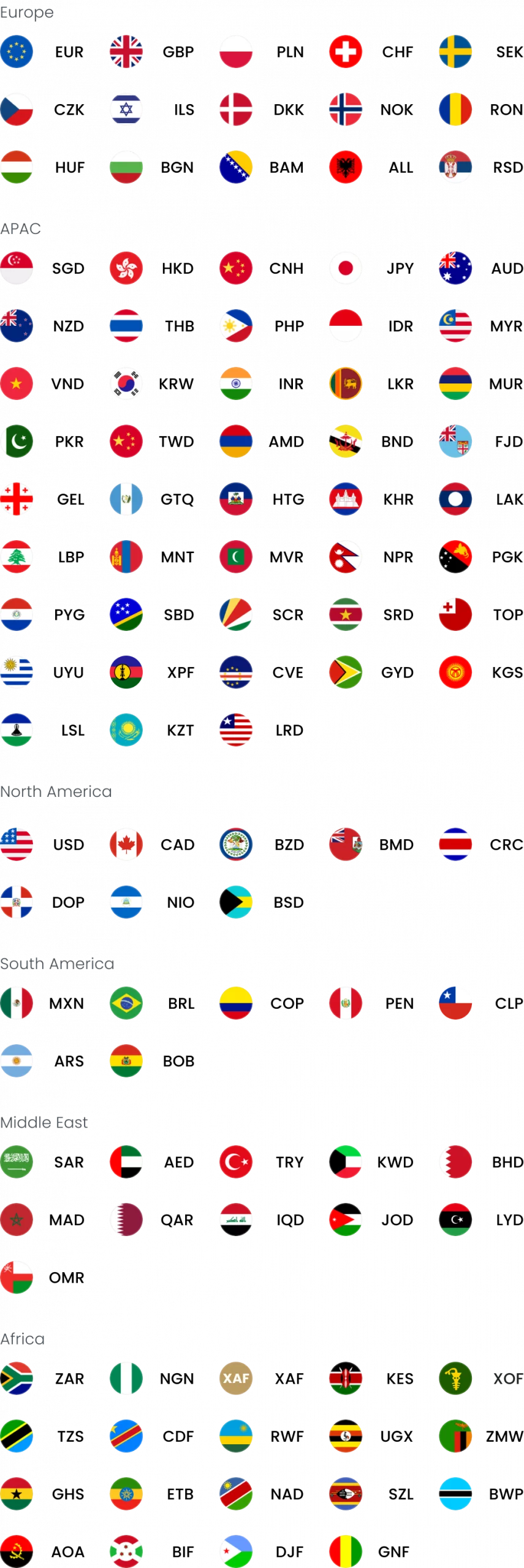
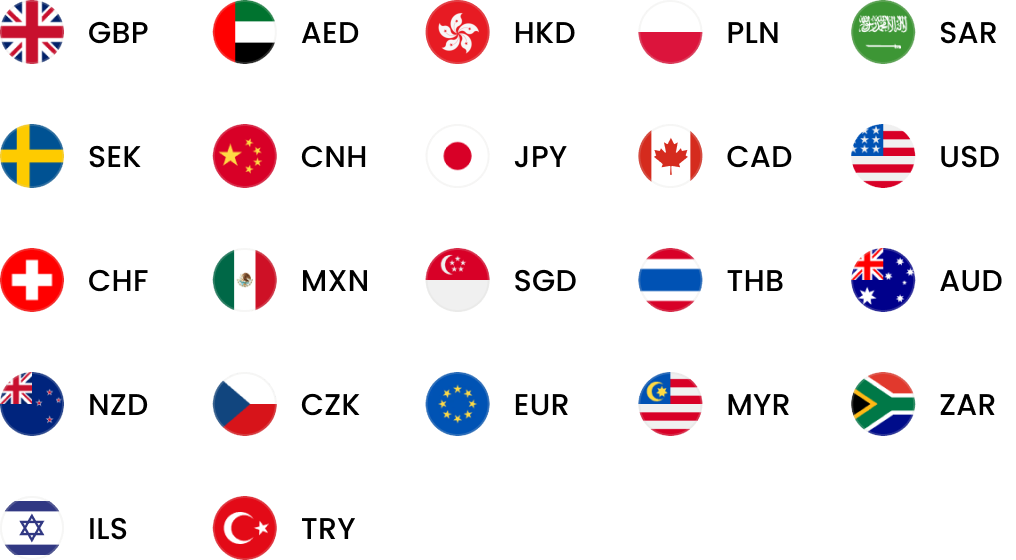
- Local receiving details: WorldFirst provides local receiving account details in 15+ currencies including USD, GBP, EUR, CAD, AUD and JPY, letting overseas customers and marketplaces pay you as if you had a local account in their country
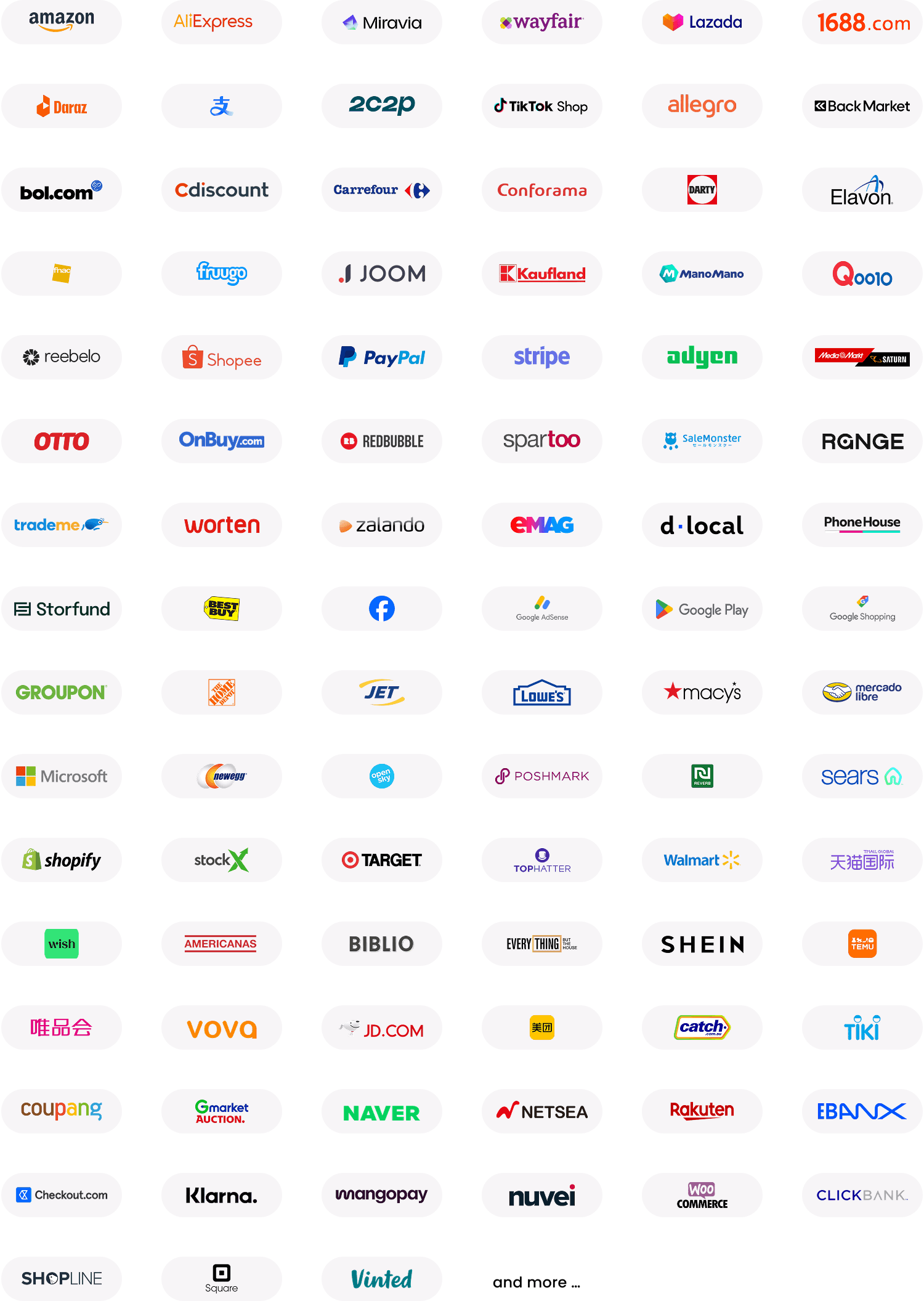
- Marketplace collections at low cost: with integrations across 130+ marketplaces and payment gateways including Amazon, Shopee, Shopify and PayPal, marketplace sellers can consolidate payouts without routing them through a domestic bank account first
- Forward contracts and firm orders: you can lock in an exchange rate for up to 24 months with a forward contract, or set a target rate to auto-execute with a firm order, giving SMEs the kind of FX risk management tools that were previously the preserve of larger treasury teams
- World Card for spend: the World Card lets you pay in 15 currencies with 0% FX fees and earn up to 1.2% cashback on eligible spend, useful for marketplace ad spend or overseas subscriptions
- Batch payments: you can pay up to 200 invoices in a single batch, a meaningful time saving if you’re settling multiple supplier invoices each month
Account opening is free and typically completed online in minutes, with no overseas address required and verification usually finishing within hours. WorldFirst states you could save up to £270 per £10,000 sent overseas compared with typical bank charges, though your actual saving depends on your transfer volume, currency pairs and current banking arrangement, so it’s worth checking your own numbers against the table above rather than assuming a fixed figure.
Use NatWest and WorldFirst together, not either/or
The strongest case here isn’t for ripping out your NatWest relationship. It’s for recognising that domestic banking and cross-border payments are genuinely different jobs, and few providers do both equally well.
Keep NatWest for what it does well: FSCS-protected deposits, branch access, payroll processing, lending conversations, and the FreeAgent accounting bundle that comes with your business current account.
These are exactly the domestic banking functions where an established high street bank has structural advantages that a payments-focused EMI like WorldFirst doesn’t attempt to replicate. WorldFirst isn’t a full-service UK bank and doesn’t replace every domestic banking function, so businesses may still keep a traditional bank relationship for services outside their WorldFirst setup.
Then add WorldFirst alongside it for the international side: collecting marketplace payouts, paying overseas suppliers, holding multiple currencies without repeated conversion, and managing FX exposure with forward contracts when a large payment is scheduled months out. For an internationally trading SME, one practical setup is to keep a traditional bank for core domestic banking while using a specialist multi-currency provider for selected cross-border payments and collections.
How to open a World Account
Opening a World Account is designed to be quick enough that it doesn’t become its own project. It’s free, completed online, and you don’t need an overseas business address to apply. Have your company registration details and director identification ready, since these are the standard checks required for FCA-regulated onboarding. Verification is usually completed within hours, though WorldFirst notes it can occasionally take up to a couple of business days depending on the checks required.
Once verified, you can start receiving payments using local account details in 15+ currencies, hold balances across 20+ currencies, and pay suppliers or partners in over 100 currencies to more than 200 countries and regions.
If your NatWest account is handling domestic banking well but international payments and multi-currency holding keep adding friction and cost to every cross-border transaction, that’s a solvable gap rather than a reason to switch banks entirely.
WorldFirst isn’t a bank. World First UK Limited is authorised and regulated by the FCA as an electronic money institution, and client funds are safeguarded in segregated accounts with tier-1 partner banks rather than held under FSCS deposit protection.
Open a World Account and see what running NatWest and WorldFirst side by side looks like for your own payment volumes.
FAQs
1. Can I keep my NatWest account if I open a World Account?
Yes. There’s no requirement to close or replace your NatWest business account. Most SMEs run both, using NatWest for domestic banking and WorldFirst for international collections, supplier payments and multi-currency holding.
2. How much could I save on FX by using WorldFirst instead of NatWest for international payments?
WorldFirst states customers can save up to £270 per £10,000 sent overseas, though your actual saving depends on transfer volume, currency pair and your existing NatWest arrangement. Compare the FX margin and transfer fee rows in the table above against your recent NatWest statements for an accurate picture.
3. Does NatWest offer a multi-currency account for UK mainland businesses?
NatWest’s UK Business Currency Current Account works differently from a single-account multi-currency platform: businesses select a foreign currency for the account, so maintaining several currency balances may require multiple currency accounts.
Sources:
- https://www.natwest.com/business/bank-accounts/business-bank-account.html
- https://www.natwest.com/business/bank-accounts.html
- https://www.natwest.com/business/bank-accounts/switch-to-natwest.html
- https://www.natwest.com/business/support-centre/making-and-accepting-payments/electronic-payments/international-transfers.html
- https://www.natwest.com/business/support-centre/making-and-accepting-payments/electronic-payments/international-transfers/fx-currency-calculator.html
- https://www.natwest.com/business/frequently-asked-questions/banking-from-home/make-payments/how-can-i-make-an-international-payment.html
- https://www.natwest.com/business/trade-finance/managing-risk/foreign-exchange.html