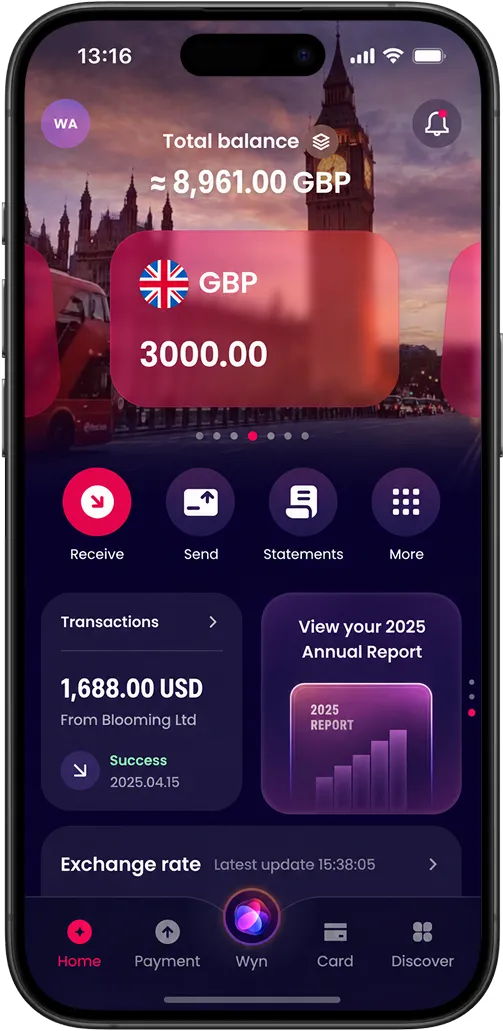
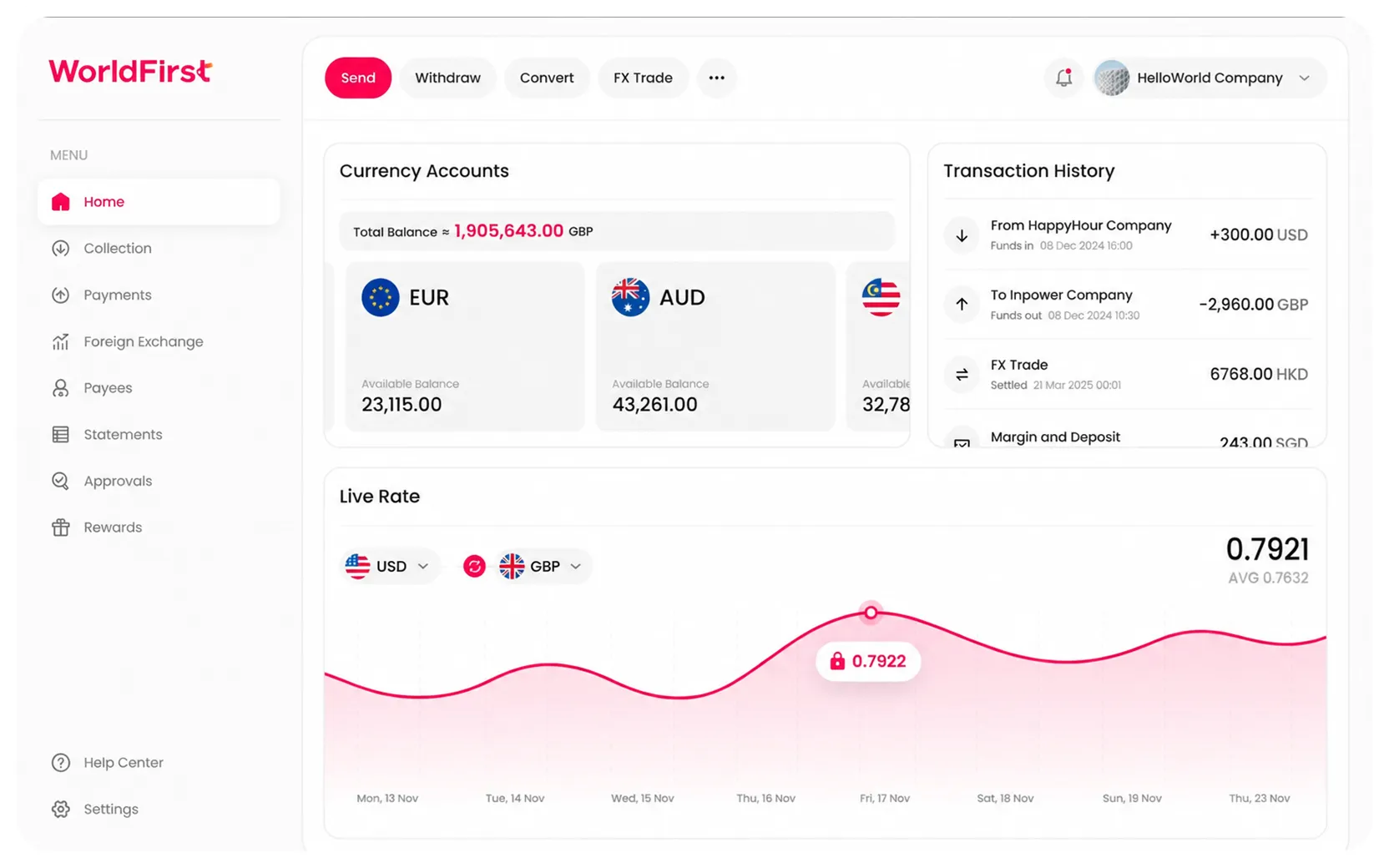
We provide coverage in South Asia and Middle East: servicing 210+ countries and territories.

WorldFirst Home > blog > Global Business Tips > UK invoice templates for service exporters: free downloads and invoicing guide
When you invoice an overseas client for services, missing purchase order, VAT or payment details can hold up approval.
UK government research found that 24% of surveyed businesses attributed late payments from business customers to administrative errors, including invoicing errors. Overseas invoices often require extra checks because the client needs to confirm the tax treatment, payment currency and receiving instructions before releasing the funds.
This guide explains what to include in a UK invoice and how to use a UK invoice template that service exporters can adapt, with downloadable Word, Excel and PDF versions for sole traders, VAT-registered businesses and freelancers, plus a multi-currency version.
Open a World Account to add matching receiving details to your overseas invoices.
A UK invoice combines standard information with extra details based on the supplier’s business structure and VAT status.
| Information | What to include |
| Invoice reference | A unique invoice number |
| Supplier details | Business name, address and contact details |
| Customer details | Customer name and address |
| Service supplied | A clear description of the work |
| Supply date | Date the service was provided |
| Invoice date | Date the invoice was issued |
| Charges | Individual amounts charged |
| VAT | VAT amount, where applicable |
| Amount due | Total balance payable |
The supply date and invoice date may be the same, but they record different parts of the transaction under the standard GOV.UK invoice requirements.
A trading name doesn’t replace the legal identity behind the business. Sole traders and limited companies therefore need to include different additional information:
| Business structure | What to include |
| Sole trader trading under own name | Owner’s name |
| Sole trader using a business name | Owner’s name, business name and address where legal documents can be delivered |
| Limited company | Full name shown on the certificate of incorporation |
A freelancer doesn’t have a separate set of legal invoice requirements. The relevant rules depend on the structure through which the freelancer operates, usually as a sole trader or limited company.
Only a VAT-registered business can issue a VAT invoice. A VAT-registered supplier must normally provide one when it supplies standard-rated or reduced-rated services to another VAT-registered business, usually within 30 days of the supply date.
Under HMRC’s VAT record-keeping guidance, a full VAT invoice includes the standard invoice fields plus information showing when the supply took place and how the VAT was calculated.
| VAT information | What to include |
| VAT registration number | Supplier’s VAT registration number |
| Sequential number | A unique number from one or more invoice series |
| Tax point | Date the supply is treated as taking place |
| Extent of service | Amount or scope of the service supplied |
| Unit price | Price per unit, hour, day or other billing unit, excluding VAT |
| Net amount | Amount excluding VAT for each service description |
| VAT rate | Rate applied to each service |
| Total excluding VAT | Total payable before VAT |
| Cash discount | Rate of any cash discount offered |
| VAT total in sterling | Total UK VAT charged in pounds sterling |
For supplies worth £250 or less including VAT, HMRC permits a simplified VAT invoice. For supplies above £250 including VAT, the VAT invoice must use the full or modified format. Reverse-charge supplies follow additional invoice rules.
Legal requirements determine what the invoice itself must contain. Client requirements determine how it moves through the customer’s approval and payment process.
Beyond the legal fields, an overseas client may need a contract or project reference and currency-specific receiving instructions.
Small Business Commissioner guidance also recommends including the purchase order number, payment due date, agreed payment terms and bank account details needed to process the invoice.
The template you need depends on your business structure, VAT status and invoice currency. The file format only changes how you edit, calculate or share it.
These variants can overlap. A freelancer invoicing an overseas client may need sole trader or limited company fields alongside VAT and multi-currency fields.
| Template | Designed for | Main distinction |
| Sole trader | Sole traders billing UK or overseas clients | Separates the legal name from the trading name |
| VAT | VAT-registered service businesses | Adds VAT calculation and reporting fields |
| Freelancer | Independent service professionals | Adds flexible service, rate and project fields |
| Multi-currency | UK services exporters | Aligns foreign-currency totals with receiving details |
The sole trader version separates the owner’s legal identity from the business name used with clients. A VAT-registered sole trader needs the sole trader identity fields and the VAT fields.
Downloads: [Word] [Excel] [PDF]
The VAT version adds the tax point, VAT registration number, net values, VAT rates and total VAT charged. It also provides a sterling VAT field for invoices where the service values appear in another currency.
Downloads: [Word] [Excel] [PDF]
The freelancer version provides flexible fields for describing the service, billing period, quantity, rate and project reference. The supplier details depend on the freelancer’s legal structure, usually a sole trader or limited company.
Downloads: [Word] [Excel] [PDF]
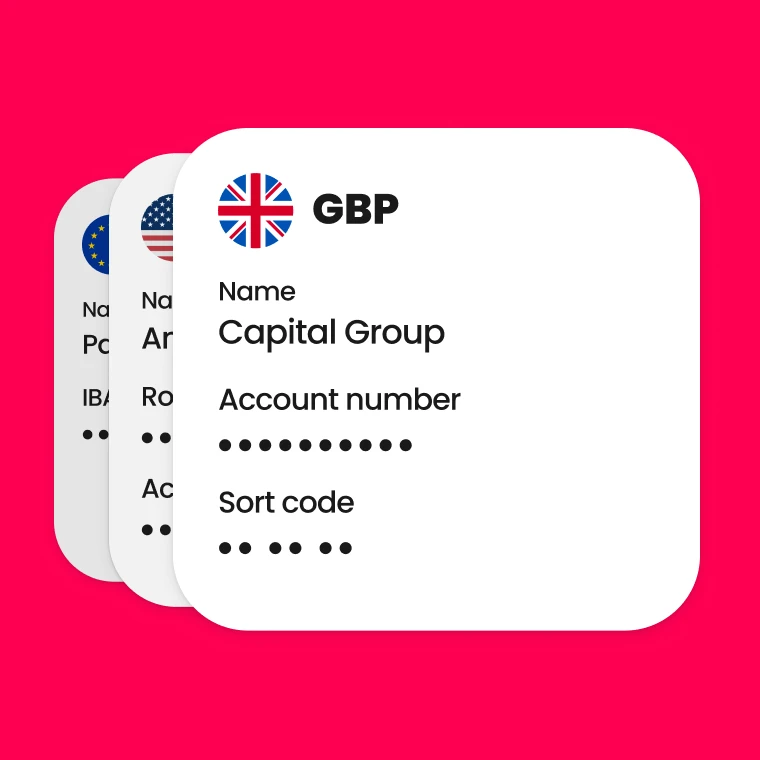
The multi-currency version is structured to keep the selected currency consistent across service rates, subtotals and the total due. It also contains a formatted block for the receiving details shown in World Account for the selected supported currency.
Downloads: [Word] [Excel] [PDF]
Follow these eight steps to complete your invoice template:
Use the legal business names and addresses shown in the contract, purchase order and company records. Add the client’s purchase order, project code or contract reference where required.
Assign a unique invoice number within a consistent series, such as INV-2026-014.
Enter the invoice and supply dates. For work delivered over a period or milestone, also show the relevant service, completion or acceptance dates.
Connect each charge with a specific deliverable, milestone or billing period. Broad wording such as “professional services” gives the approver little information to compare with the contract.
Clearer examples include:
Separate the main service charge from approved expenses, deposits, credits, discounts and VAT.
| Element | What it shows |
| Service fee | Agreed service charge |
| Approved expense | Reimbursable cost |
| Deposit or credit | Amount deducted from the balance |
| Discount | Agreed reduction |
| VAT | Tax charged, where applicable |
| Amount due | Final balance payable |
Use the currency agreed in the contract and state its three-letter code, such as GBP, EUR or USD.
Apply the same currency to the rates, line items, subtotal and amount due. Where UK VAT applies to a foreign-currency invoice, include the required sterling VAT figure.
Show the agreed terms and exact due date:
Use the invoice number as the payment reference unless the client has provided another one.
For a supported currency, use the receiving details displayed in your World Account.

Follow WorldFirst’s Receiving Account guidance:
The Receiving Account currency should match the invoice currency. Available currencies and account identifiers vary by business registration and selected currency.
Check the client entity, reference numbers, dates and service description against the contract. Then confirm the calculations, VAT treatment, currency, due date and receiving details.
Keep the editable Word or Excel version and send the final PDF unless the client requires another format. VAT-registered businesses must retain copies of the VAT invoices they issue.
Read more: How do SWIFT transfers work?
The payment deadline determines when late-payment rights begin, while the contract determines which interest terms apply.
An agreed payment date must usually fall within 30 days for a public authority or 60 days for a business transaction. For business transactions, you can currently agree a longer period when the extended term is fair to both businesses.
Where no payment date was agreed, payment becomes late 30 days after the later of:
Statutory interest on a late business-to-business payment is 8% above the Bank of England base rate. You can’t claim statutory interest when the contract sets a different rate. A public-authority contract can’t set a lower interest rate.
A supplier can also claim a fixed recovery sum:
| Outstanding debt | Fixed sum |
| Up to £999.99 | £40 |
| £1,000 to £9,999.99 | £70 |
| £10,000 or more | £100 |
Only one fixed sum applies to each late payment. A supplier may also claim reasonable costs incurred while recovering the debt.
Overseas contracts: The Late Payment of Commercial Debts (Interest) Act 1998 doesn’t automatically apply to every overseas contract. Section 12 of the Act sets out how the governing law and the contract’s connection with the UK affect its application.
As of 7 August 2026, the Commercial Payments Bill has completed committee stage in the House of Lords, but its report-stage date hasn’t been announced. The Bill hasn’t become law, so the current rules above still apply.
The Bill would make statutory interest mandatory, introduce a maximum 60-day payment term with limited exemptions and strengthen the Small Business Commissioner’s powers.
Read more: FX international payments explained for business
Your billing model determines which service, timing and payment fields the template needs. The legal, VAT and currency details still depend on the business and transaction.
| Use case | How to adapt the template |
| Fixed-fee project | Add the deliverable, contract or purchase order reference, currency and fee |
| Project milestone | Add the milestone, acceptance date and amount due |
| Hourly or day-rate work | Add the billing period, time worked and agreed rate |
| Monthly retainer | Add the service period, included work and recurring fee |
| Deposit and final balance | Add the project value, deposit paid and remaining balance |
These use cases can be combined with the sole trader, VAT or multi-currency versions. For example, a VAT-registered consultant billing a US business for a completed milestone would combine the milestone and foreign-currency fields, with VAT handled under the applicable place-of-supply rules.
Consider a UK consultancy invoicing a US client for US$25,000. If the invoice provides GBP account details, the USD may be converted before it reaches the consultancy, leaving the business with less control over the conversion point.
A multi-currency account can keep receipts separate from conversion.
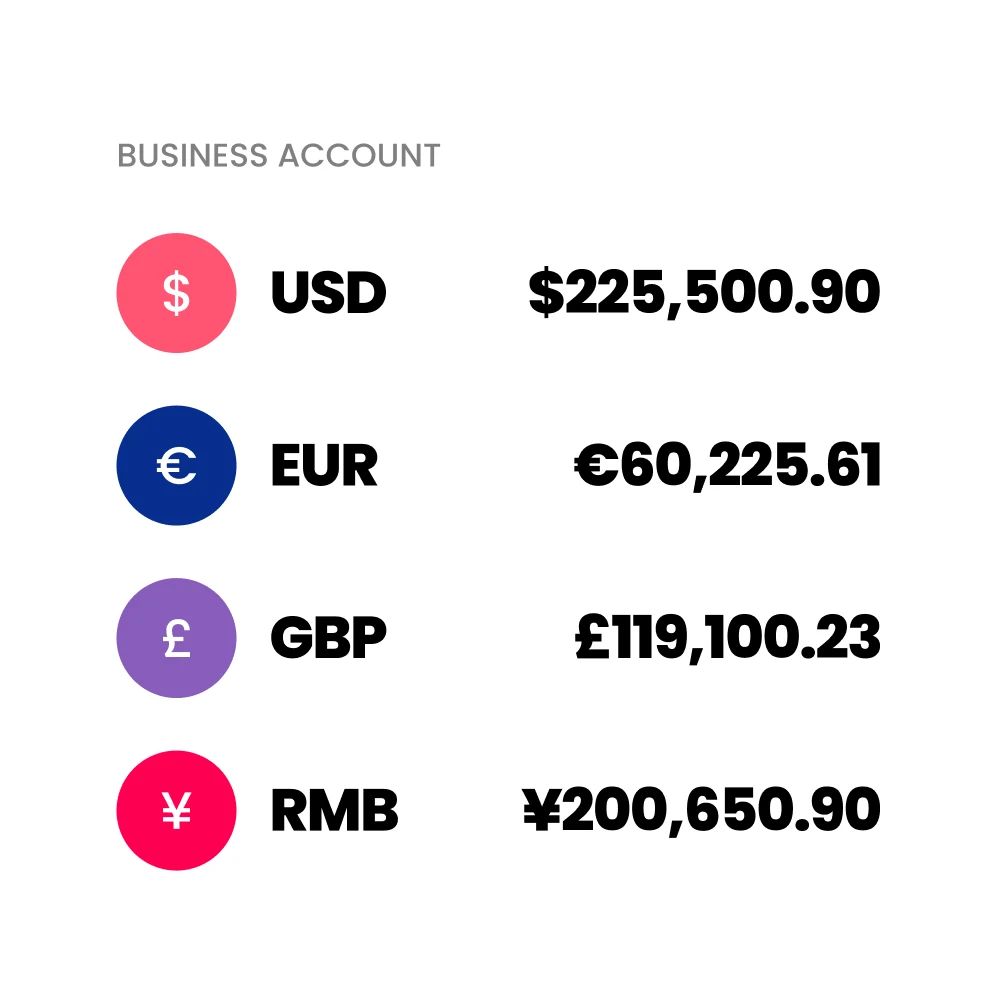
With WorldFirst, eligible UK businesses can use World Account to receive and hold payments in 20+ currencies, then decide when to convert the balance or use it for supported business payments.
For a USD invoice, the consultancy provides the USD Receiving Account details displayed in World Account. The client pays US$25,000 into the consultancy’s USD balance, settling the invoice without forcing an immediate conversion into GBP.
The consultancy can convert the USD into GBP when needed or retain part of the balance for future dollar-denominated costs. Keeping enough USD for an upcoming cost can avoid converting the client payment into GBP and later buying USD again.
You can receive the client’s payment in the invoiced currency, hold the funds and convert or use them when it fits your cash flow.
WorldFirst isn’t a bank, and World Account isn’t a bank account. World First UK Limited is authorised by the Financial Conduct Authority as an Electronic Money Institution under the Electronic Money Regulations 2011, firm reference number 900508.
Open a World Account to receive overseas client payments in supported currencies and choose when to convert or use the balance.
You usually won’t charge UK VAT when the place of supply for your business-to-business service is outside the UK. Check the client’s business status and location, as special service rules or local tax obligations may still apply.
Your client may deduct withholding tax before paying the remaining balance to you. Ask for evidence of the deduction and check the relevant tax treaty, as you may be able to claim Foreign Tax Credit Relief in the UK.
You may need to complete Form W-8BEN-E if a US payer requests it to confirm your UK company’s foreign status. If you operate as a sole trader, you normally use Form W-8BEN instead and return it to the client rather than the IRS.
You and the client should agree who covers international transfer fees before you issue the invoice. Record the agreed fee treatment in the contract and invoice, although the charges applied can still depend on the payment route.
Use the exchange rate required by your accounting policy for the transaction date. For VAT conversions, follow an HMRC-approved method and keep a consistent record of the rate used.
Sources:
Choose a product or service to find out more
Save money, time, and have peace of mind when expanding your global business.
It looks like you're sending money to family or friends — that's a personal transfer, which is best handled through our app.
Sending money to family or friends? Download our app for the best experience.