





























UOB business accounts are corporate bank accounts in Singapore that let SMEs manage local payments, hold funds and send international transfers, with fees and FX margins that directly affect day-to-day cash flow.
For many SMEs in Singapore, your account choice affects how fast you pay suppliers, how much you lose on FX and how easily you collect global revenue.
UOB works well for local banking and SGD payments, but once you start sending money overseas or dealing with multiple currencies, fees, FX rates and transfer routes become much more important. That matters even more in Singapore, where daily FX trading reaches about US$1.485 trillion, making it the world’s third-largest FX centre.
This guide breaks down UOB business accounts for Singapore SMEs and compares them with alternatives, such as WorldFirst, if you need more control over international payments.
Key takeaways:
- UOB works best for local SGD operations: It covers everyday payments well with FAST, GIRO and PayNow, making it a strong choice if most of your business stays in Singapore
- You get four account types, each tied to how you operate: eBusiness, Corporate Current, BizTransact and Global Currency accounts. Each has different limits and balance requirements, which directly affect your costs and flexibility
- Real costs come from FX, transfers and balance rules: The annual fee is low, but expenses build through FX margins, SWIFT fees and fall-below charges if you don’t meet minimum balances
- Strong locally, more limited globally: UOB gives you stability and full banking services, but international payments are slower and managing multiple currencies takes more work
- Global businesses need a more flexible approach: If you handle international payments often, WorldFirst helps you manage multiple currencies in one place, reduce FX costs and move money faster
What is UOB?
United Overseas Bank (UOB) is a Singapore-based commercial bank that provides business accounts, payments, lending and international transfer services for SMEs and larger companies.
UOB started in 1935 as United Chinese Bank and later rebranded in 1965 as it expanded across Asia.
Today, UOB stands as one of Singapore’s largest banks, with a strong regional footprint and a full range of business banking services. SMEs use their accounts to manage SGD transactions, pay local suppliers and staff and send international transfers through traditional banking networks.
UOB gives you stability and access to financing. But for cross-border payments and FX, it follows standard bank pricing.
What are the UOB business account types?
UOB offers four main business account types in Singapore, each built around transaction volume, balance requirements and how your business handles payments and currencies.
Here’s a closer look at what each option actually gives you:
1. UOB eBusiness Account
The UOB eBusiness Account targets startups and SMEs that mainly run local SGD payments through digital channels.
Key features:
- 60 free FAST and PayNow FAST transfers per month, then SG$0.50 per transfer
- 60 free GIRO payments or collections, then SG$0.20 per transaction
- Minimum average daily balance: SG$5,000
- Access via UOB Infinity and UOB SME app for approvals, payments and tracking
Transaction limits matter here. Once you exceed 60 payments per month, every additional supplier payment or payroll run incurs an incremental cost. For businesses with predictable, lower transaction volumes, that structure keeps fees manageable.
2. Corporate Current Account
The Corporate Current Account focuses on basic banking functionality with access to physical banking services.
Key features:
- Minimum initial deposit: SG$1,000
- Minimum average daily balance: SG$10,000
- Annual fee: SG$35
- Includes corporate ATM cards and access to branch services
- Available to Singapore-registered entities and overseas companies operating locally
Cash handling and branch access still matter for some industries, especially retail, F&B and businesses that handle physical payments. That’s where this account becomes more relevant than fully digital options.
3. UOB BizTransact Account
The UOB BizTransact Account is for companies that handle large monthly payment volumes.
Key features:
- 300 free FAST and PayNow FAST transactions, then SG$0.50 each
- 300 free GIRO transactions, then SG$0.20 each
- Telegraphic transfer (TT) fee: 1/16% commission
- No annual account fee
- Minimum average daily balance: SG$50,000
Higher free transaction limits reduce per-payment costs, but the SG$50,000 balance requirement changes the equation. Businesses need consistent cash flow to justify locking in that balance.
For companies running payroll, supplier batches or recurring payouts, those 300 free transactions can quickly offset costs.
4. UOB Corporate Global Currency Account
The UOB Corporate Global Currency Account supports holding and transacting in up to 10 major currencies within one banking relationship.
Key features:
- Supports currencies like USD, EUR, GBP and others
- Minimum initial deposit: SG$1,300 to SG$9,300 depending on currency
- Minimum average daily balance: SG$7,000 to SG$11,000
- Managed through UOB Infinity and SME app
Each currency has its own balance requirement and structure, so managing multiple currencies means tracking multiple thresholds and conditions.
Businesses handling imports, exports or foreign revenue streams often use this setup to avoid immediate conversion into SGD.
Key features of UOB business accounts
UOB business accounts combine strong local payment infrastructure in Singapore with bank-led international transfers and FX handling, which directly affects how SMEs manage cash flow.
1. Local payment support
UOB supports all major domestic payment methods used by Singapore SMEs, including real-time and batch payment systems.
That matters even more because Singapore’s payments market is set to grow from US$24.1 billion in 2025 to US$50.3 billion by 2033, putting fast, digital payments at the centre of how businesses move money.
Here are the key capabilities:
- FAST transfers: real-time SGD transfers between banks, usually completed within minutes
- GIRO payments and collections: used for payroll, supplier payments and recurring billing
- PayNow Corporate: instant payments using a UEN instead of bank account details
- Corporate ATM access: debit cards for withdrawals and deposits across local ATM networks
2. International payments (SWIFT and UOBSend)
UOB processes international transfers through telegraphic transfers (TT) on the SWIFT network and its UOBSend digital remittance service.
These transfers connect Singapore businesses to global suppliers, but they follow standard banking routes.
Here’s how it works:
- Telegraphic transfers (TT) move funds internationally via SWIFT
- Fees depend on the account and transfer type and can be percentage-based or flat fees
- UOBSend offers lower-cost transfers in selected corridors
- Transfers usually take 1–4 business days, depending on destination and routing
SWIFT transfers may pass through intermediary banks, which can add extra charges and extend processing time beyond UOB’s direct control.
3. Multi-currency handling and FX
UOB offers foreign currency accounts but operates under a traditional banking structure rather than a unified multi-currency wallet, which affects both control and visibility.
Key points to understand:
- Businesses can hold multiple currencies, including USD, EUR and GBP
- Each currency operates as a separate account or sub-account
- Currency conversions use bank-set exchange rates with built-in margins
- FX costs sit inside the rate rather than appearing as a separate fee
Holding and paying in the same currency reduces the need for conversion. Once a conversion happens, FX margin becomes a core cost driver, especially for businesses that handle regular cross-border payments.
4. Business banking tools
UOB supports its accounts with a range of digital tools and operational features that help manage payments, approvals and reporting.
That’s especially relevant given that 35% of B2B invoices in Singapore are overdue, with average payment terms of around 46 days.
Core tools include:
- UOB Infinity (web platform) for payments, approvals and transaction tracking
- UOB SME app (mobile) for account access, alerts and approvals
- Multi-user access controls with approval workflows
- Business debit and credit cards for expenses and travel
- Trade finance services such as letters of credit and guarantees
- Payroll and collections tools using GIRO
- Integrations with accounting platforms like Xero
These tools help businesses stay on top of cash flow timing, payment approvals and collections, which becomes critical when payments don’t always arrive on time.
UOB business account fees and costs
UOB pricing comes from three main areas: account fees, transaction charges and FX costs and each one affects your total cost differently depending on how your business operates.
1. Account fees
UOB keeps base account fees relatively low, but minimum balance requirements drive most of the cost.
Here’s how it breaks down:
1. Annual account fee:
- Around SG$35 per year for eBusiness and Corporate Current accounts
- BizTransact waives this fee
2. Minimum balance and fall-below fees:
- eBusiness: SG$5,000 minimum, SG$15/month if you drop below
- BizTransact: SG$50,000 minimum, SG$50/month if you drop below
- Global Currency Accounts: separate minimum balances per currency, each with its own fall-below fee
3. Account setup (foreign-owned companies):
Setup fees can start from around SG$500, depending on the structure
2. Transaction fees
Transaction pricing depends on how many payments you make and which account you use.
Here are the key points:
1. Local transfers (FAST, PayNow, GIRO):
- eBusiness: about 60 free transactions per month
- BizTransact: about 300 free transactions per month
After that:
- FAST/PayNow: SG$0.50 per transfer
- GIRO: SG$0.20 per transaction
2. UOBSend (international transfers):
- Flat fee of around SG$8 (or ~US$6) per transfer
- Plus FX margin
3. Outward telegraphic transfers (SWIFT):
- BizTransact: 1/16% of transfer amount (min SG$10, max SG$50)
- Other setups: flat fees around US$30–40 per transfer
4. Incoming transfers:
Some accounts waive fees, but intermediary bank charges may still apply
5. Cash and cheque handling:
- Over-the-counter deposits/withdrawals: around SG$20 per transaction
- Cheque deposits: around SG$0.75 per cheque
3. FX rates and margins
FX costs don’t appear as a line item, but they often represent the largest hidden cost in UOB accounts.
Here’s how FX works:
- UOB uses bank-set exchange rates with built-in margins
- The exact margin isn’t published
- The cost gets included directly in the conversion rate
Estimates from market comparisons suggest bank FX margins often fall in the ~1%–2% range for major currencies, though this varies by currency and market conditions.
For example, a small difference in the USD/SGD rate can translate into a noticeable cost on every international payment or conversion.
Pros and cons of UOB business accounts
Pros:
- Strong local banking infrastructure: United Overseas Bank offers a wide branch network, ATM access and a well-established brand in Singapore
- Efficient domestic payments: FAST, GIRO and PayNow support fast and low-cost SGD transactions, with rebates on digital payments depending on your account
- All-in-one banking services: You can manage corporate cards, lending and trade finance within the same bank relationship
- Digital banking access: UOB Infinity and the SME app give you 24/7 control over payments, approvals and account activity
Cons:
- No unified multi-currency setup: UOB accounts operate mainly in SGD. Foreign currencies require separate accounts with their own balances and conditions, not a single wallet
- FX pricing lacks transparency: Currency conversions use bank-set rates with built-in margins, without mid-market pricing or a clear breakdown of FX costs
- Slower international transfers: Cross-border payments rely on SWIFT routing, which typically takes 2–4 business days depending on the corridor and intermediary banks
- More admin for multiple currencies: Managing several currency accounts means tracking multiple balances, fees and requirements
- Limited online onboarding for foreign-owned businesses: Many cases still require in-person verification or additional setup steps, especially for non-resident owners
Who should use a UOB business account and who shouldn’t?
A UOB account makes sense if you:
- Run most operations in SGD: Local payments, payroll and supplier costs stay within Singapore
- Need branch access and full banking services: Cash handling, in-person support and products like loans or trade finance matter
- Plan to build a banking relationship: Useful if you want access to credit lines, financing or long-term banking support
It isn’t the right fit if you:
- Sell or operate globally: Receiving foreign payments and paying overseas suppliers becomes more complex
- Handle frequent international transfers: FX costs and SWIFT transfer times can add up
- Need fast setup and flexibility: Many fintech platforms offer quicker onboarding and more flexible support
Why is WorldFirst a better alternative than UOB?
UOB works well for local banking in Singapore. Still, its structure relies on separate currency accounts, bank-set FX rates and SWIFT transfers, which can limit control and increase costs for businesses operating internationally.
WorldFirst isn’t a bank but a global payments provider built for cross-border business transactions, centered on its World Account multi-currency account, designed for how SMEs actually handle international money.
World Account offers:
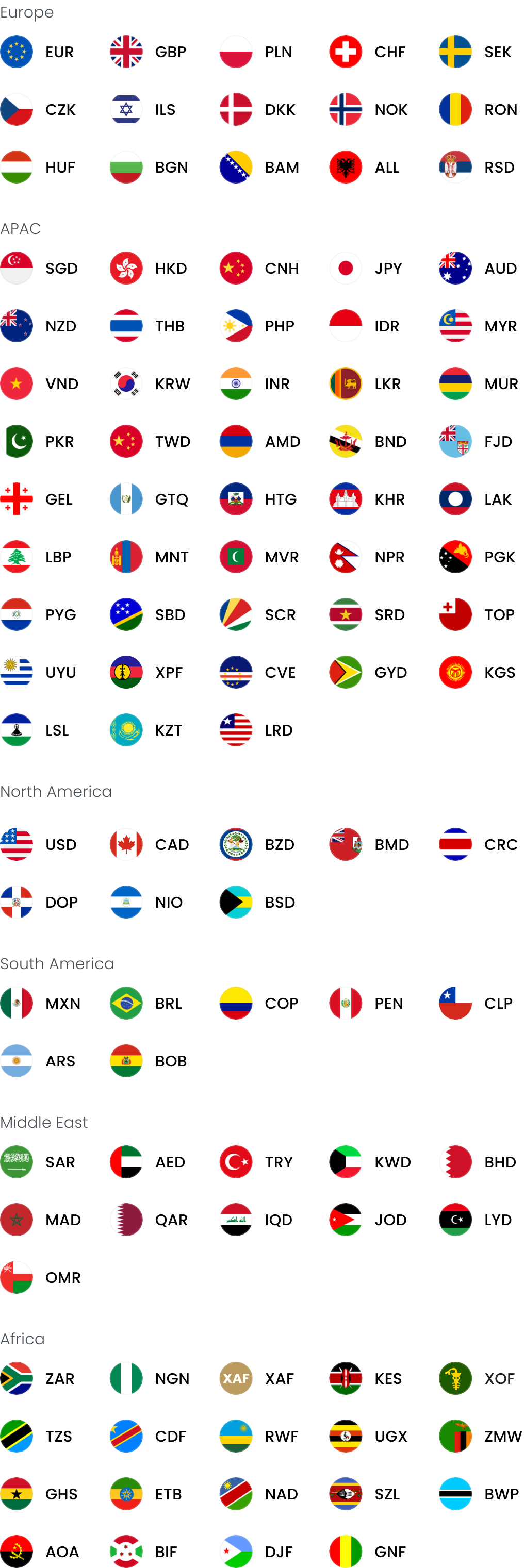
- Multi-currency in one place: Hold 20+ currencies in a single Singapore-based account, with local bank details in major markets, so that you can receive payments like a local business
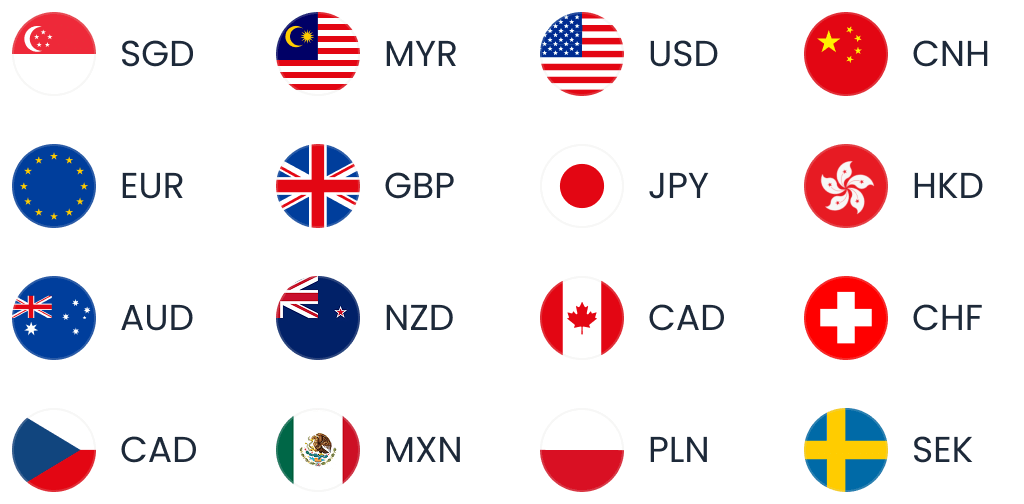
- Wide currency coverage: Receive in SGD, USD, EUR, GBP, AUD, NZD, CAD, JPY, CNH, HKD and more and pay suppliers in 100+ currencies
- Transparent FX: Clear pricing with margins typically up to 0.6% above mid-market, plus tools like rate alerts and forward contracts
- Fast transfers: Most major currency payments settle in 1 business day, often same-day, with instant transfers between supported accounts
- No hidden fees: No monthly fees, no minimum balance and free account opening with free local receiving accounts
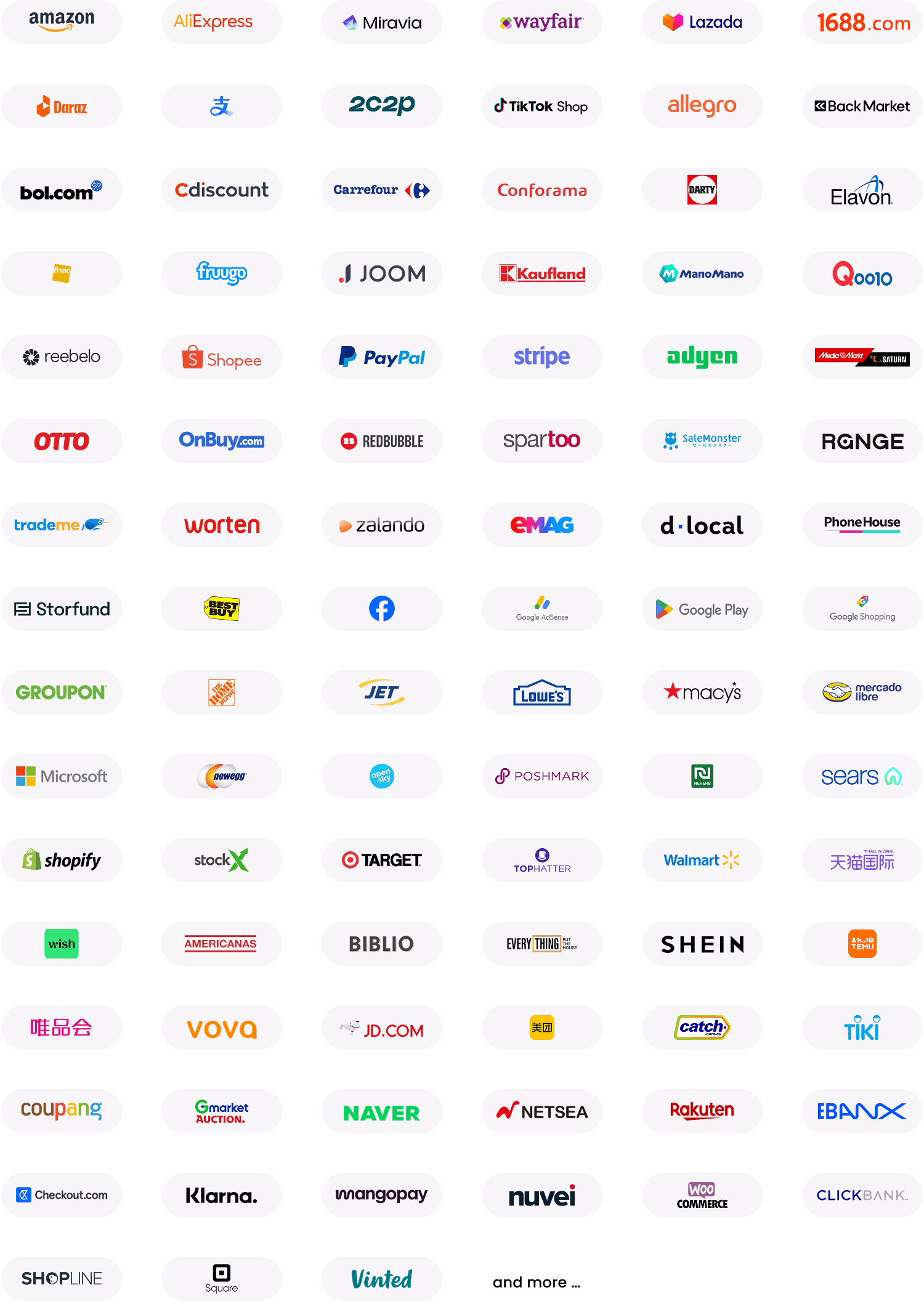
- Integrations: Direct connections to marketplaces like Amazon, Alibaba and Lazada, plus accounting tools like Xero and NetSuite
- World Card: Multi-currency Mastercard with no annual fee, with up to 25 cards per account for business expenses
That setup simplifies how you manage international payments. You don’t need to open multiple accounts for different currencies, track separate balances or convert funds immediately to receive payments.
United Overseas Bank (UOB) vs WorldFirst World Account: key differences
| Feature / capability | United Overseas Bank (UOB) | WorldFirst World Account |
|---|---|---|
| Account type | Traditional business bank | Global payments provider (World Account) |
| Currencies you can hold | SGD + separate foreign currency accounts | 20+ currencies in one account |
| Receiving payments | Local + per-currency accounts | Local receiving accounts in major markets |
| Currencies you can pay | SWIFT-based international transfers | 100+ currencies globally |
| FX pricing | Bank-set rates with built-in margins | Clear FX margins (around 0.6%) |
| FX control | Limited | Full control over conversion timing |
| Transfer speed | 1–4 business days (SWIFT) | Same-day or next-day (major routes) |
| Account structure | Multiple accounts | Single multi-currency account |
| Fees | Account, transfer, and balance fees | No monthly fees or minimum balance |
| Cards | Business debit/credit cards | World Card (multi-currency) |
| Best fit | Local Singapore business | International, multi-currency businesses |
If your business handles international payments regularly, it’s worth using a setup built for that from the start.
FAQ
1. How long does it take to open a UOB business account?
It usually takes anywhere from a few days to a couple of weeks. If your company is registered in Singapore and has local directors, the process is faster. If there are foreign shareholders or a more complex structure, expect extra checks and possibly an in-person step.
2. Can I open a UOB business account online?
You can start the process online, but full online setup isn’t always guaranteed. Some businesses, especially those with foreign ownership, may still need to visit a branch or provide additional documents before their accounts are approved.
3. Can I receive international payments with a UOB account?
Yes, you can receive money from overseas through SWIFT transfers or foreign currency accounts. Keep in mind that incoming payments may include receiving fees and currency conversions can add extra costs if the funds don’t match your account currency.
Sources:
- https://www.uob.com.sg/business/index.page
- https://statrys.com/reviews/uob-business-account
- https://www.worldfirst.com/sg/
- https://www.devex.com/organizations/united-overseas-bank-uob-120133
- https://fintechnews.sg/119624/fintech/singapore-fx-centre/
- https://www.marketdataforecast.com/market-reports/Singapore-Cards-and-Payments-Market
- https://atradius.at/dam/jcr:1644c5be-185f-4353-b889-7d0219045368/payment-practices-barometer-asia-2025-singapore-en.pdf
- https://www.mycurrencycost.com/blog/5-ways-banks-mark-up-foreign-exchange-rates/


![Revolut Business Card review Singapore [2027]: Features, fees & more](https://mdn.marmot-cloud.com/worldfirst/sites/9/2026/09/20261001002258848-300x200.webp)