





























Singapore’s trade growth is putting more pressure on how you move money. Total merchandise trade increased 8.7% to S$1.4 trillion in 2025, following 6.6% growth in 2024, according to Enterprise Singapore.
That growth can show up quickly in your day-to-day work. You may need to pay more overseas suppliers, receive marketplace payouts in different currencies or convert funds before your next invoice is due.
DBS remains a strong choice for everyday business banking in Singapore. But once international payments become part of your routine, one main bank account may not give you the control you need.
In this article, you’ll find 10 DBS alternatives that make sense for Singapore businesses managing payments, currencies and regional growth.
What is DBS and why are businesses looking for alternatives?
DBS is Singapore’s largest bank and a major name in business banking. It offers SME accounts, cards, business loans, trade services, FX tools and digital banking through DBS IDEAL.
That strength makes DBS a natural starting point for many Singapore businesses. Reuters reported that DBS posted S$2.93 billion in net profit for Q1 2026, up 1% year on year, with performance ahead of analyst expectations.
But size doesn’t always solve the day-to-day problems that come with international trade. If you’re paying suppliers in China, receiving marketplace revenue in USD or managing invoices across Asia, you may need more than a strong local bank relationship.
DBS alternatives become more useful when your main pressure points are international, not local. You may still want a bank for regional support, lending or trade services. But for overseas collections, supplier payments, multi-currency balances, cards, FX and marketplace payouts, a specialist platform can give you more control.
How we chose the best DBS alternatives
A right DBS alternative should make international money movement easier to manage, not add another account for your team to check.
We compared each option across six areas that matter when your business sends, receives and manages money across markets:
- Cross-border payments: The provider should support the way you pay suppliers, collect customer payments, send contractor payouts or receive overseas revenue
- Multi-currency control: Strong options let you hold, convert and spend in multiple currencies without constantly moving money between separate accounts or platforms
- Clear costs: Pricing should be easy to understand before you move money, including fees, FX rates, transfer charges and card costs
- Everyday control: The platform should make daily work easier with practical features such as team access, expense cards, payment approvals, transaction tracking and reconciliation tools.
- Fit for regional growth: Asia accounted for 52.4% of Singapore’s direct investment abroad at the end of 2024, so we looked for providers that work well across regional markets.
- Regulation and reliability: Each provider should have clear regulatory standing, an established market presence and transparent information about how its financial services are delivered.
10 best DBS Bank alternatives for international business banking
The comparison table below shows how each DBS Bank alternative compares across currency support, integrations, typical usage and the type of business it best fits:
| DBS Bank alternative | Currency support | Integrations / usage | Best suited for |
|---|---|---|---|
| WorldFirst | Receive and hold 20+ currencies, pay in 100+ currencies | 130+ marketplaces, payment gateways, Xero and NetSuite | Marketplace sellers, importers and SMEs managing supplier payments |
| OCBC | 13 major currencies | OCBC Velocity, local banking tools and cards | SMEs that want another major Singapore bank |
| UOB | 10 major currencies | UOB Infinity, local payments, financing and trade services | Businesses that value relationship banking |
| Wise Business | Multi-currency tools and selected receiving details | Invoices, payment links and batch payments | Agencies, consultants and freelancers |
| Airwallex | 20+ receiving currencies, collections in 70+ countries | Global accounts, cards, spend tools and APIs | Digital-first SMEs operating across markets |
| Aspire | SGD, USD, EUR and IDR accounts | Cards, expenses, approvals and accounting integrations | Startups and lean teams managing spend |
| HSBC | Major currencies through HSBC Global Wallet | HSBCnet, global payments and trade services | Established SMEs with international banking needs |
| Standard Chartered | Selected foreign currency accounts | Straight2Bank, telegraphic transfers and cards | SMEs with specific currency and overseas payment needs |
| ANEXT Bank | SGD, USD, CNH and EUR balances | FAST, PayNow, GIRO, MEPS and online onboarding | Digital-first SMEs wanting simple online banking |
| Payoneer | Multi-currency receiving | Marketplace payments and bank withdrawals | Sellers and freelancers collecting overseas payouts |
1. WorldFirst
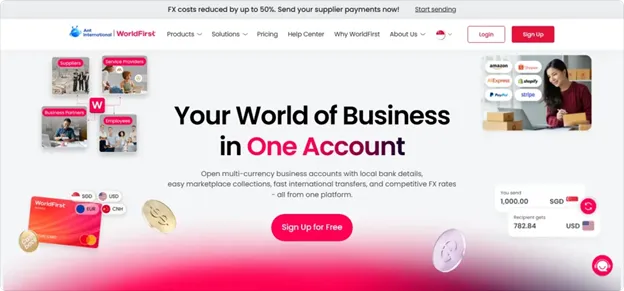
WorldFirst is the best DBS Bank alternative if your main challenge is managing international revenue, supplier payments and currencies from a single platform.
Its World Account gives businesses one place to manage overseas supplier payments, marketplace payouts, international collections, foreign currency balances and conversions that fit their cash flow.
Key features:
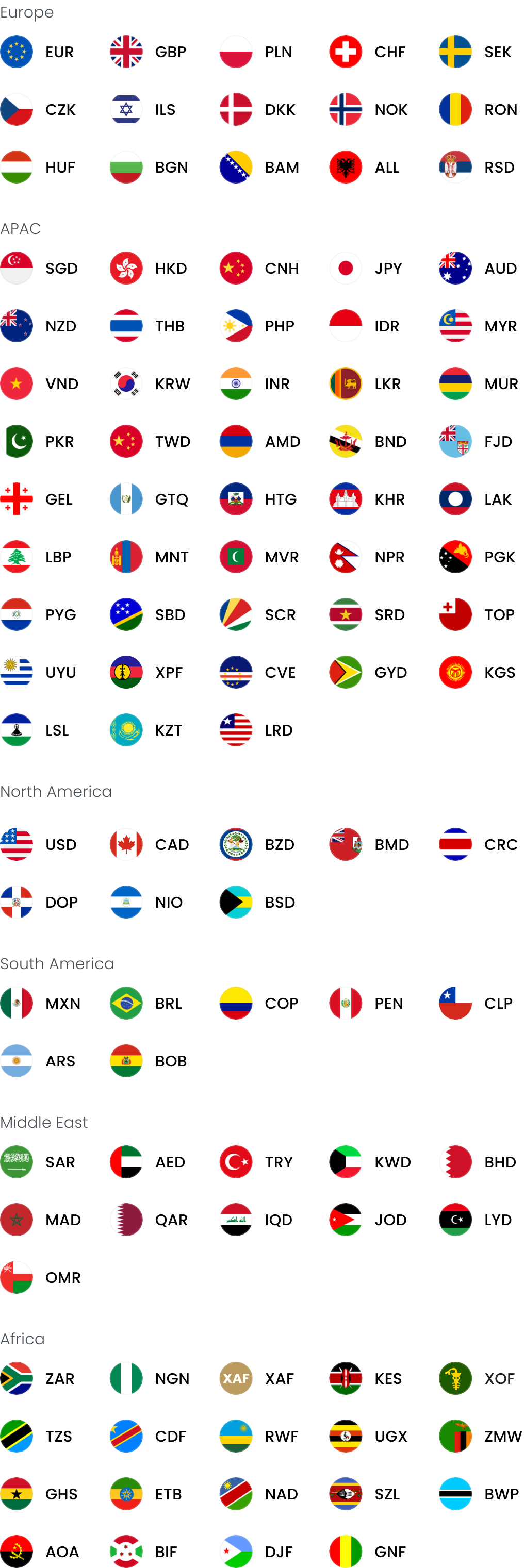
- Multi-currency receiving: Receive and hold funds in 20+ currencies, which can help if you collect revenue from overseas customers, marketplaces or payment gateways
- Supplier payments: Pay suppliers, vendors and partners in 100+ currencies across 210+ countries and territories
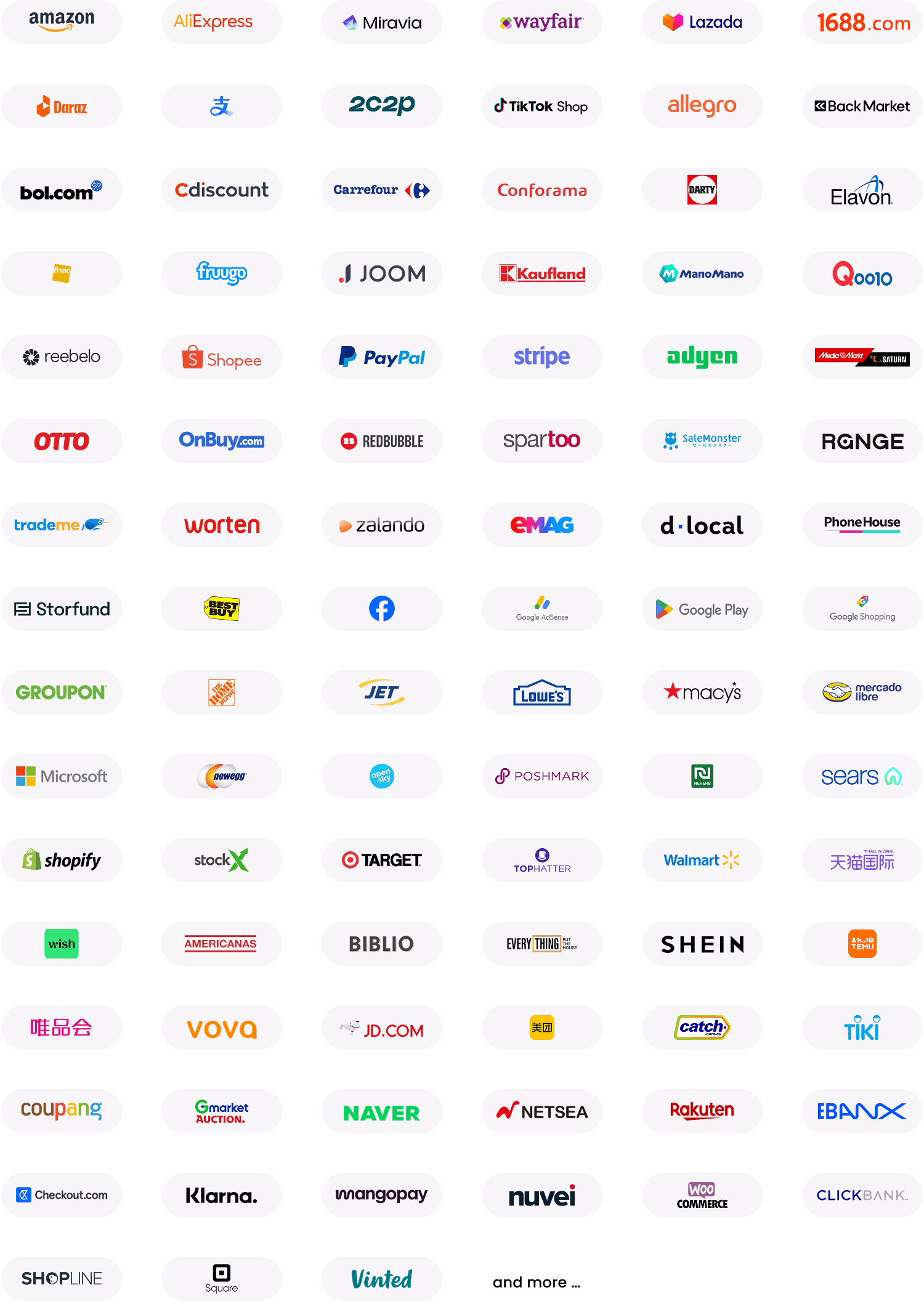
- Marketplace collections: Connect with 130+ marketplaces and payment gateways, including Amazon, Shopee, Shopify and PayPal
- Currency control: Hold balances and convert between currencies from one dashboard, so you can reduce unnecessary SGD conversions
- Accounting connections: Connect World Account with Xero and NetSuite to support cleaner reconciliation
- Business spend: Use World Card for eligible business spend where available, especially for online tools, ads or supplier costs
Best fit: WorldFirst works well for Singapore SMEs that collect marketplace payouts, pay overseas suppliers or need more control over multi-currency payments.
Why choose WorldFirst over DBS?
WorldFirst is the better fit when your main pain is not local banking, but keeping overseas revenue, supplier payments and currency conversions under control.
Open a World Account to receive, hold, convert and pay in multiple currencies from one platform.
2. OCBC
OCBC is the closest DBS alternative if you want to stay with a major Singapore bank.
You get a familiar business banking setup, but with a different mix of account options, digital tools and foreign currency support.
Key features:
- Multi-currency account: Trade in 13 major currencies, including USD, EUR, AUD, JPY, GBP, CNH and HKD
- Local business banking: Use OCBC business accounts for SGD payments, collections and daily account needs
- Digital banking: Manage payments and account activity through OCBC Velocity, which helps if you want bank-backed tools without relying on branch visits
- Bank-backed support: Access cards, financing and broader business banking products from a major Singapore bank
Best fit: OCBC makes sense for SMEs that want another established local bank for everyday banking and selected foreign currency support.
Why choose OCBC over DBS?
OCBC keeps you within a traditional Singapore banking setup while giving you a different mix of accounts, digital tools and currency options
3. UOB
UOB may appeal if you value relationship banking and want a second major local bank to compare against DBS.
The bank can support Singapore account needs, selected foreign currency requirements and broader SME products.
Key features:
- Foreign currency accounts: Hold 10 major currencies through the Corporate Global Currency Account, including USD, EUR, JPY, GBP, HKD and CNH
- Business accounts: Manage local payments, deposits and daily cash flow through UOB business account options
- Digital access: Use UOB Infinity to handle payments and account activity online
- SME banking products: Access financing, trade services and relationship banking where available
Best fit: UOB suits businesses that value relationship banking, SME products and support for selected foreign currency accounts.
Why choose UOB over DBS?
UOB offers another bank-led option if you want local account services, access to financing and foreign currency tools from a single provider.
4. Wise Business
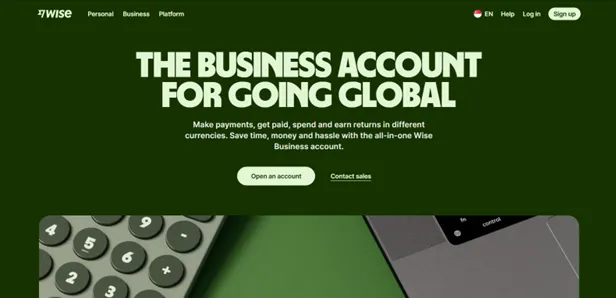
Wise Business stands out because it makes international transfer costs easier to see before you send money.
That can help if you pay contractors, invoice overseas clients or manage smaller global payments.
Key features:
- Upfront pricing: See transfer fees before making an international payment, so you can compare the cost before funds leave your account
- Multi-currency tools: Manage supported currencies for client payments, transfers and business use
- Receiving options: Use account details for selected currencies where available, which can make client payments easier to collect
- Payment tools: Create invoices, payment links and batch payments for simpler global workflows
Best fit: Wise Business is a good match for agencies, consultants, freelancers and SMEs with straightforward international transfer needs.
Why choose Wise Business over DBS?
Wise Business’s main advantage is clearer international transfer pricing and simpler global payments.
Read more: Wise Singapore review 2026
5. Airwallex
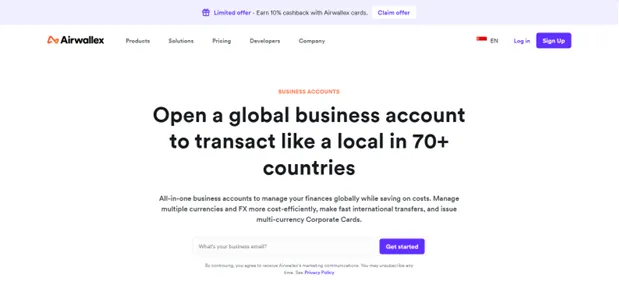
Airwallex is a useful option for companies that manage money across markets from a digital platform.
Accounts, collections, payments, cards and spend controls are integrated into a single workflow, helping online and regional teams avoid juggling too many tools.
Key features:
- Global accounts: Open local currency accounts in 20+ countries to receive money in key markets
- Multi-currency collections: Receive funds in 20+ currencies and collect in 70+ countries
- Cards and spend controls: Manage corporate cards, expenses and approvals from one platform
- Digital tools: Use payment links, plugins and API options if your business needs online payment workflows
Best fit: Airwallex suits digital-first SMEs that want global accounts, payments, cards and spend controls on one platform.
Why choose Airwallex over DBS?
Airwallex can bring collections, payments and team spending into one digital workflow across markets.
Read more:
6. Aspire
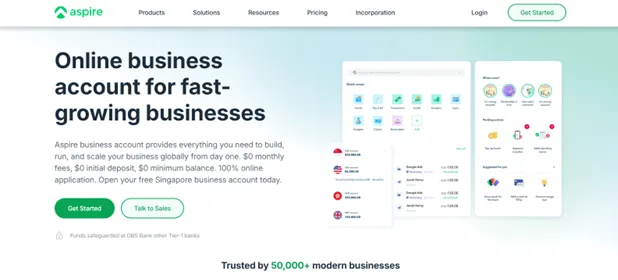
Aspire is an acceptable fit when spending control matters as much as payments.
Startups and SMEs can use it to manage accounts, cards, expenses and approvals without making every finance task feel like a bank process.
Key features:
- Multi-currency accounts: Open accounts in SGD, USD, EUR and IDR for selected currency needs
- International payments: Receive payments in 30+ currencies and transact across 130+ countries
- Corporate cards: Manage software, ads, travel and recurring business spend with team cards
- Expense tools: Track spending, approvals and reimbursements with less manual admin
Best fit: Aspire works well for startups and lean SMEs that want cards, expenses, approvals and payments in one place.
Why choose Aspire over DBS?
Aspire can reduce daily finance admin when card spend, approvals and expense tracking take up too much time.
Read more: Aspire alternatives
7. HSBC
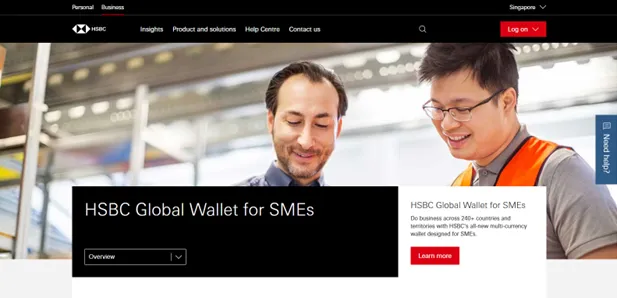
HSBC is worth considering if your business wants international banking support from a global bank rather than a fintech platform.
Established SMEs with trade activity, overseas partners or operations across several markets may find its global network useful.
Key features:
- HSBC Global Wallet: Hold and transact in major currencies through HSBCnet if your business qualifies
- Wide payment reach: Send payments across 240+ countries and territories through HSBC’s international network
- Local-style payments: Pay like a local in selected currencies where available
- Banking relationship: Access broader HSBC business, trade and international services
Best fit: HSBC is a satisfactory option for established SMEs that want international banking support from a global bank.
Why choose HSBC over DBS?
HSBC’s global network may appeal if your business needs relationship-led banking across several markets.
8. Standard Chartered
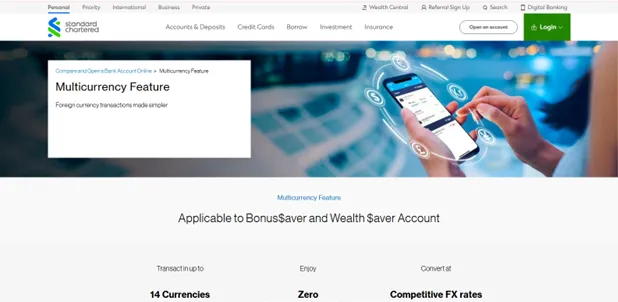
Standard Chartered makes sense if you want an established bank for specific foreign currency and international payment needs.
Businesses that prefer traditional banking support may find it more suitable than a digital-first payment platform.
Key features:
- Foreign currency accounts: Open Non USD Foreign Currency Accounts in selected currencies such as AUD, GBP, HKD and NZD
- Online banking: Use Straight2Bank for account and payment management
- Telegraphic transfers: Send international payments through bank transfer channels
- Business support: Access account, card and customer support services from an established bank
Best fit: Standard Chartered suits SMEs that want traditional bank support for selected foreign currency accounts and international transfers.
Why choose Standard Chartered over DBS?
Standard Chartered offers another established bank route for businesses with specific currency and overseas payment needs.
9. ANEXT Bank
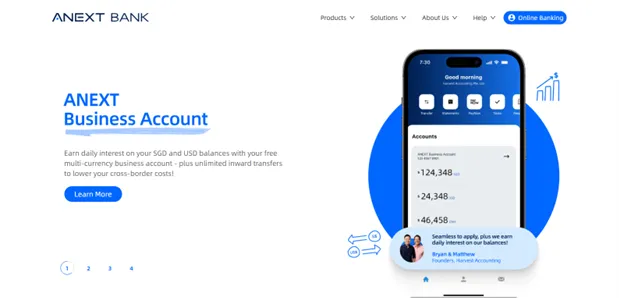
ANEXT Bank offers a more digital route into business banking.
Smaller or online-first SMEs may find the account useful for simple onboarding, local transfers and basic multi-currency support without a heavy branch-led setup.
Key features:
- Multi-currency account: Hold SGD, USD, CNH and EUR balances in one ANEXT Business Account
- Local transfers: Use FAST, PayNow, GIRO and MEPS for Singapore payment needs
- International transfers: Send selected currencies with flat fees where supported
- Online application: Apply through CorpPass and MyInfo Business without relying on branch onboarding
Best fit: ANEXT Bank is a good option for digital-first Singapore SMEs that want online banking, local transfers and basic multi-currency support.
Why choose ANEXT Bank over DBS?
ANEXT Bank may feel simpler if you want to open an online account and conduct core business banking without a branch-led process.
10. Payoneer
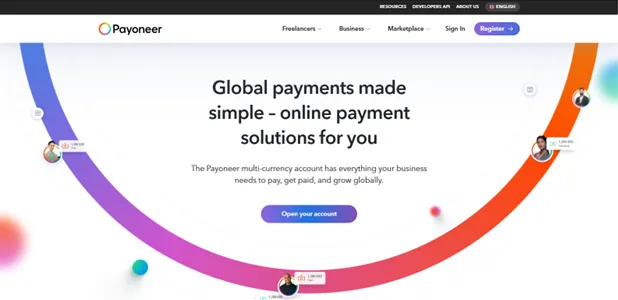
Payoneer is more useful as an international receiving layer than a full business bank replacement.
Sellers, freelancers and agencies can use it to collect money from global platforms or overseas clients.
Key features:
- Multi-currency receiving: Receive payments from clients and marketplaces in multiple currencies
- Local receiving details: Share account details for selected currencies where available
- Marketplace payments: Collect revenue from supported global platforms and online marketplaces
- Bank withdrawals: Move funds from Payoneer into a linked local bank account
Best fit: Payoneer works well for marketplace sellers, freelancers and agencies that need international receiving capabilities beyond what full local banking offers.
Why choose Payoneer over DBS?
Payoneer helps platform-based businesses collect overseas payouts and move funds into a local bank account.
Why WorldFirst stands out for Singapore SMEs trading globally
For Singapore SMEs, adding a DBS Bank alternative should make global trade easier to manage, not create another finance login for your team to check.
Say you collect US$50,000 from overseas marketplace sales this month. Before that money becomes useful for the next order, you may need to pay a supplier in China, cover logistics costs and keep enough SGD available for local expenses. A bank-led setup can still work, but it can mean extra conversions, account transfers and payment timing decisions.
WorldFirst helps with that specific challenge. With a multi-currency World Account, you can collect the marketplace payout, hold the funds in the currency received, convert only the amount you need for SGD expenses and use the remaining balance for overseas supplier payments, depending on the currency, destination and available payment method.
WorldFirst isn’t a bank. In Singapore, WorldFirst (Singapore) Merchant Services Pte. Ltd. is licensed as a Major Payment Institution by the Monetary Authority of Singapore.
WorldFirst is strongest when your business needs one connected workflow for marketplace revenue, supplier payments, multi-currency balances and FX timing.
That is why WorldFirst can work well alongside DBS. Your bank can still handle local banking, lending and domestic account needs. WorldFirst can support the part of the workflow that often creates more pressure as you grow overseas: getting paid in one currency, paying out in another and choosing when to convert.
Open a World Account to keep more control over currency and payment timing as your business trades across markets.
FAQ
1. Is a multi-currency account the same as a business bank account?
No. A multi-currency account helps you receive, hold, convert or send money in different currencies, while a business bank account may also support local banking services such as loans, cheque services, cash deposits or branch support.
2. What should I check before switching from DBS to another provider?
Check the provider’s currency coverage, transfer fees, FX rates, account limits, local payment options, integrations, card features and regulatory status.
3. Which DBS alternative is best for marketplace sellers?
Marketplace sellers should look for a provider that supports international collections, local receiving details, foreign currency balances and marketplace integrations.
Sources:
- https://www.trade.gov/country-commercial-guides/singapore-ecommerce
- https://www.reuters.com/world/asia-pacific/singapore-bank-dbs-first-quarter-net-profit-rises-1-year-2026-04-29/
- https://www.singstat.gov.sg/files/c82cd7ba-7b88-40e9-97f9-8f4b98ccf576.pdf
- https://www.worldfirst.com/sg/
- https://www.ocbc.com/business-banking/smes/accounts/business-growth-account
- https://www.uob.com.sg/general/index.page
- https://wise.com/sg/business/
- https://www.airwallex.com/sg/business-account
- https://aspireapp.com/business-account
- https://www.hsbc.com.sg/
- https://www.sc.com/sg/
- https://www.anext.com.sg/bank/
- https://www.payoneer.com/


![Revolut Business Card review Singapore [2027]: Features, fees & more](https://mdn.marmot-cloud.com/worldfirst/sites/9/2026/09/20261001002258848-300x200.webp)