




























Home > blog > Global Business Tips > What’s the easiest way to manage recurring supplier payments in Europe?
What’s the easiest way to manage recurring supplier payments in Europe?
Last update:


There are a number of ways that make managing recurring supplier payments easy. In this post, we share some of the top options, including multi-currency business accounts from WorldFirst, Revolut and Wise.
1. The standard payment methods in Europe
In the European Single Euro Payments Area (SEPA), there are three primary “low-effort” options:
| Method | Best For | Pros | Revolut Business |
|---|---|---|---|
| SEPA Direct Debit (B2B) | Utility bills, SaaS, rent | You authorise the supplier to "pull" funds. Once set up, it requires zero manual effort. | High-growth companies needing payments + finance automation |
| SEPA Instant Credit Transfer | One-off or variable bills | Payments arrive in 10 seconds. Many modern banks allow you to schedule these as recurring "standing orders". | 25+ currencies |
| Virtual cards | Online subscriptions/ads | Single-use or recurring card numbers that offer high security and automated cashback. | Not specifically highlighted |
| Batch / mass payments | Up to 200 payments at once | Up to 1,000 transfers at once | Not specifically highlighted |
| FX + risk management tools | Transparent FX pricing (capped at 0.50% for major currencies); forward contracts up to 24 months; World Card with zero FX fees in selected currencies | Mid-market exchange rate with transparent fees | Forward contracts + limit orders; business cards and expense tools |
2. Top platforms for automation (2026)
Rather than logging into your bank every time, these platforms sit on top of your accounting software (Xero, QuickBooks, NetSuite) and handle the “recurring” logic for you:
- For SMEs: WorldFirst, Wise Business or Revolut Business. These are highly popular in Europe for their low FX fees (if paying suppliers outside the eurozone) and easy-to-use batch payment features.
- For Mid-Market: Tipalti or Payhawk. These platforms automate the entire workflow: they scan the invoice, match it to a purchase order, and execute the payment on a set schedule without you lifting a finger.
- For High Volume: Adyen or Stripe Billing. Best if you are managing complex, high-frequency B2B payments across multiple borders.
3. Best practices when paying European suppliers
Keep these best practices in mind to keep supplier payments easy and consistent:
- Standardise payment terms and frequencies with suppliers (e.g., all on net‑30, paid in a weekly or monthly run) to reduce ad‑hoc payments
- Collect and verify bank details and currencies once, then store them centrally in your finance or payment system to minimise errors
- Set up recurring / batch payment rules in your platform (e.g., monthly SEPA pulls for rent or services, scheduled FX payments for overseas suppliers)
- Enable automatic reconciliation so that once a batch is paid, your ledger is updated and matched to invoices in one step.
Read more: Best euro business account UK: 4 options compared
Key tools to make managing supplier payments easier
1. WorldFirst
WorldFirst makes recurring payments much easier to manage for global businesses by combining flexible currency tools with streamlined payment features designed for scale.
Instead of relying on manual bank transfers each month, businesses can handle ongoing international payments more efficiently through:
Multi-currency account
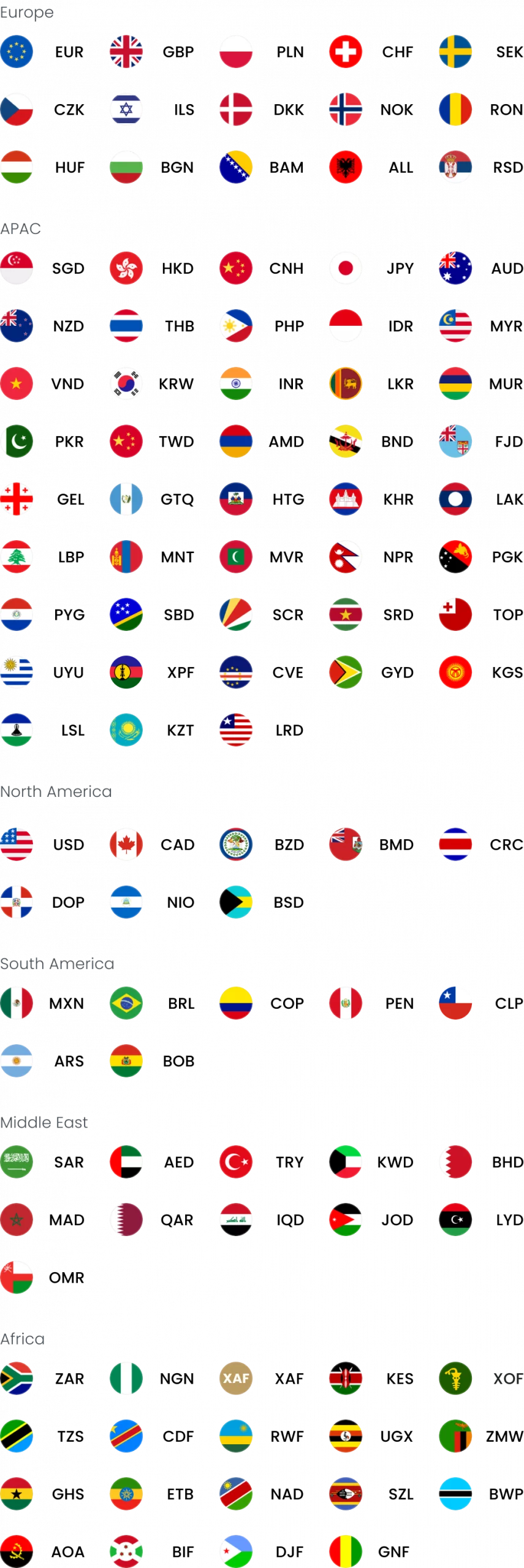
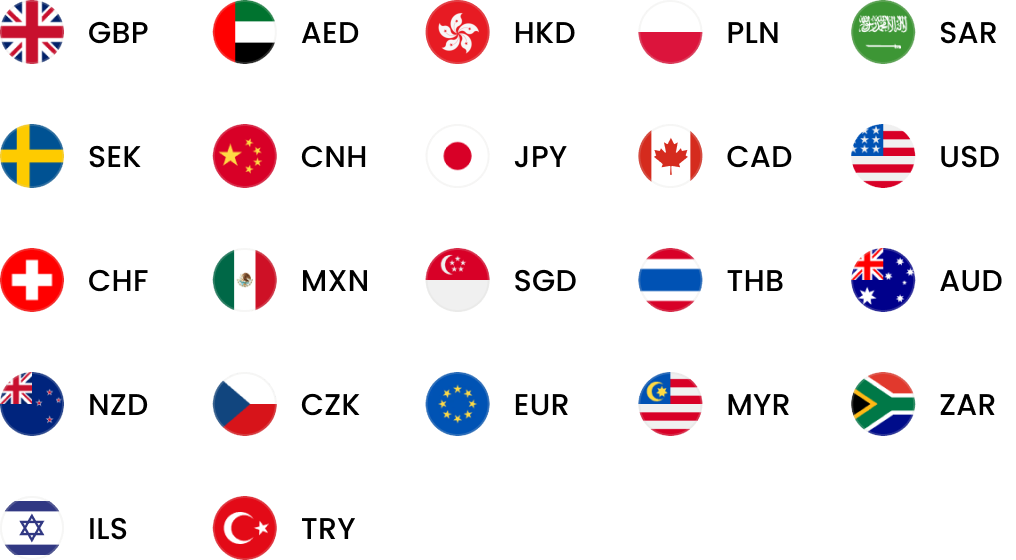
WorldFirst allows companies to hold and manage funds in 20+ currencies in one place. This is especially useful for recurring supplier or service payments, because you can:
- keep balances in the currencies you pay most often
- reduce repeated conversion fees
- make cross-border payments more predictable
Read more: Best business bank accounts for foreign transactions: 9 top options
Virtual cards for subscription-style expenses
For businesses paying regular digital or service-based costs (like software platforms or online advertising), the World Card provides a secure way to manage recurring charges without using traditional corporate cards.
They help by:
- separating spending by vendor or team
- reducing exposure of sensitive card details
- simplifying ongoing subscription payments
Read more: Virtual cards for subscriptions: 4 top options in the UK
Batch payments for repeat supplier transfers
If you need to send recurring payments to multiple suppliers or partners, WorldFirst supports batch payments, allowing you to process many transfers at once instead of handling them individually.
This is ideal for companies with:
- monthly supplier invoices
- recurring contractor payouts
- high-volume international payments
Read more: How to pay multiple suppliers simultaneously: 7 steps to fast business payments
Centralised dashboard for payment management
All payments can be monitored through a single, central dashboard, giving finance teams better visibility and control over recurring obligations.
From one interface, businesses can:
- track outgoing payments and history
- manage beneficiaries
- stay organised across multiple currencies and markets
2. Revolut Business
Revolut Business is designed to simplify recurring supplier payments for companies operating internationally. Businesses can hold and send 25+ currencies from one multi-currency account, making it easier to pay overseas suppliers without converting funds each time an invoice is due.
Revolut also offers virtual cards to manage ongoing supplier or service expenses securely, helping separate spending by vendor and reducing exposure of account details.
For businesses paying multiple suppliers regularly, the platform supports scalable payment workflows and fast international transfers. All activity can be tracked through a centralised dashboard, giving finance teams better visibility and control over recurring outgoing payments.
3. Wise Business
Wise Business is built to simplify recurring supplier payments for international companies by combining multi-currency accounts with scalable payment tools. Businesses can hold and manage 40+ currencies in one account, making it easier to pay overseas suppliers directly without converting funds each time an invoice is due.
Wise also supports batch payments, allowing companies to pay up to 1,000 suppliers or invoices at once by uploading a spreadsheet – ideal for businesses with regular outgoing payment cycles.
Teams can monitor transfers, manage recipients, and track activity through a centralised account dashboard, giving finance teams clearer visibility and control over recurring supplier obligations.
FAQs about recurring supplier payments
1. What’s the simplest way to automate recurring supplier payments in Europe?
The easiest approach is to use SEPA-based payment methods like direct debit or scheduled credit transfers, paired with a centralised multi-currency business account. Platforms such as WorldFirst can help automate recurring payments, reduce manual admin and streamline supplier management across multiple European markets.
2. Which payment method works best for recurring supplier invoices in the SEPA zone?
SEPA Direct Debit is one of the most low-effort options because suppliers can automatically pull funds once authorised. For more variable invoices, SEPA Instant Credit Transfers or standing orders may be better. Many businesses combine these with tools like WorldFirst for added automation.
3. How can businesses reduce FX costs when paying suppliers outside the Eurozone?
Using a multi-currency account allows businesses to hold funds in the currencies they pay most often, reducing repeated conversion fees. Platforms such as WorldFirst, Wise and Revolut make it easier to manage cross-border supplier payments while improving predictability and lowering FX expenses.
4. What tools help manage recurring payments to multiple suppliers at once?
Batch payment features are especially useful for companies paying many suppliers on a regular schedule. Instead of processing transfers individually, finance teams can upload or execute payments in bulk. WorldFirst and Wise Business both support batch workflows that save time and reduce errors.
5. What are best practices for keeping supplier payments consistent across Europe?
Businesses should standardise payment terms, verify supplier details once, and store them centrally. Setting up recurring rules, scheduling SEPA payments, and enabling automatic reconciliation ensures payments stay organised. Platforms like WorldFirst can provide dashboards and automation to simplify ongoing supplier obligations.
Shawn Ma leads business development at WorldFirst UK, with a deep expertise in fintech, risk management and cross-border commerce.

Shawn Ma
Author
Continue reading


Subscribe
The Weekly Dispatch
Get the latest news and event invites. Signup for our weekly update from the worlds of fashion, design, and tech.