


























Remittance refers to the transfer of money from one party to another. In practice, it’s most often used to describe international money transfers.
Remittances have been around for decades. But as the world becomes more connected, they’ve taken on a much bigger role: Businesses source, sell and hire internationally, and people live, work and earn across borders more than ever before.
In other words, moving money internationally has become much more common – and people need reliable, efficient ways to do so.
In this guide, we’ll break down exactly what remittance means, why international remittances are more complex than domestic payments and how WorldFirst’s World Account helps simplify global money movement.
Table of contents:
- What is a remittance? Definition and key characteristics
- Why international remittances are more complex than domestic payments
- How WorldFirst makes remittances easier
WorldFirst’s World Account is a multi-currency account that makes it easy to receive and make global payments. You can open a World Account for free today.
What is a remittance? Definition and key characteristics
The word remittance comes from the Latin “mittere,” which means “to send.” That meaning still holds true today.
Traditionally, remittances described money sent by migrant workers to support family members in their home countries. These transfers played – and still play – a vital role in supporting households, communities and local economies around the world. In some developing countries, remittances are one of the biggest sources of income for citizens and may even account for a significant portion of a country’s gross domestic product (GDP).
Over time, though, the definition has broadened. Today, a remittance generally refers to any cross-border funds transfer, regardless of whether it’s sent for personal support, professional reasons or to cover ongoing obligations abroad.
While remittances can be for different reasons, they usually share a few defining features:
- They’re cross-border by nature. Remittances move money between countries, often involving different currencies and banking systems
- They’re purpose-driven transfers. Unlike retail payments (such as buying something online), remittances are typically sent to support people, cover living costs, manage business operations or meet financial commitments overseas
- They’re often recurring. Many remittances happen regularly. Think monthly support for family, ongoing international payments to overseas partners or repeated transfers between accounts in foreign countries
- They’re typically sent through electronic payment systems. Remittances are usually transferred via banks or licensed money transfer services using regulated electronic payment networks
Types of remittances: Personal vs. business vs. institutional
Remittances tend to fall into three categories:
- Personal remittances are money transfers between individuals. Common examples include migrant workers sending financial support back home, parents supporting children studying abroad and individuals managing personal finances across multiple countries. These remittances are usually lower in value and more frequent.
- Business remittances support commercial and professional activity across borders. Paying international suppliers or service providers, sending salaries to overseas workers and moving funds between international entities are a few common examples. Business remittances demand clear tracking, predictable delivery times and cost efficiency, especially when they’re part of regular operations.
- Institutional remittances involve government bodies, charities or NGOs and are often linked to aid or public-sector funding. While these transfers operate at a different scale, they rely on the same underlying international payment infrastructure as personal and business remittances.
Read more: Cross-border business payments: Everything you need to know
Why international remittances are more complex than domestic payments
Sending money domestically is usually straightforward. Funds move within a single banking system, in one currency, following familiar rules and timelines.
International remittances are different. When money crosses borders, it also crosses currencies, regulations and payment networks. That adds complexity. Here are some of the main reasons why:
- Currency conversion and foreign exchange risk: Most international remittances involve converting money from one currency to another. That process often comes with exchange rate markups and rate fluctuations between the time a transfer is initiated and when it settles. For anyone sending remittances regularly, even small differences in exchange rates can add up over time.
- Cross-border payment rails and intermediaries: Traditional international bank transfers often rely on SWIFT and correspondent banking networks. That means bank remittance payments may pass through several intermediaries, with each one adding fees and delays. The more intermediaries involved, the less visibility you have over where your money is and when it will arrive.
- Different banking systems and local rules: Each country has its own settlement cycle and clearing systems. A domestic bank transfer may be instant, while an international transfer from the same bank may take days, simply because the destination country operates on a different timetable or infrastructure.
- Regulatory and compliance requirements: International remittances must meet Know Your Customer (KYC), Anti-Money Laundering (AML) and reporting requirements in multiple jurisdictions. These checks are essential for security and compliance, but they can also introduce friction, particularly if information is missing or needs manual review.
All of this explains why international remittances are often slower, more expensive and less transparent than domestic payments – and why choosing the right way to send money matters.
Read more: Cross-border payment companies: 6 top providers compared
How WorldFirst makes international payments easier
Traditional remittance services were designed primarily with personal money transfers in mind. They’re often slow, expensive and limited in functionality.
Modern users need more than a basic money transfer service. Whether you’re managing a global business or supporting family overseas, you should be able to move money quickly, affordably and across borders with ease.
Operating for over two decades, WorldFirst is a global payments platform designed to make international money movement simpler. Our World Account goes beyond basic remittance services by combining international payments, foreign exchange and multi-currency account functionality in one place.
Rather than treating each remittance as a one-off transaction, WorldFirst helps customers manage global money movement as part of everyday life. Here’s what you can do with a World Account:
Hold and pay in multiple currencies from one account
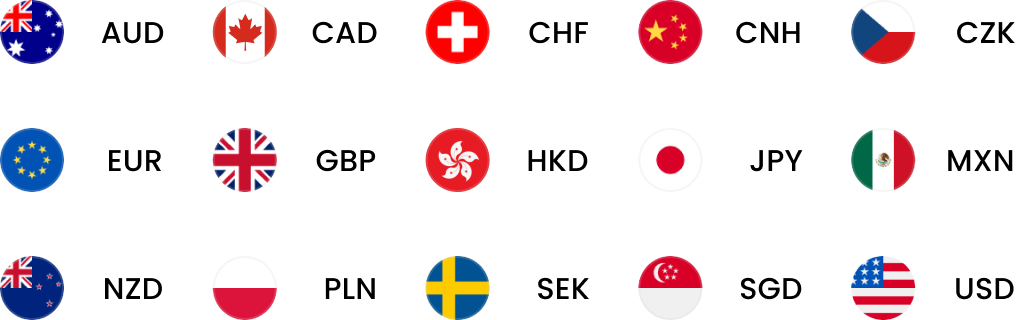
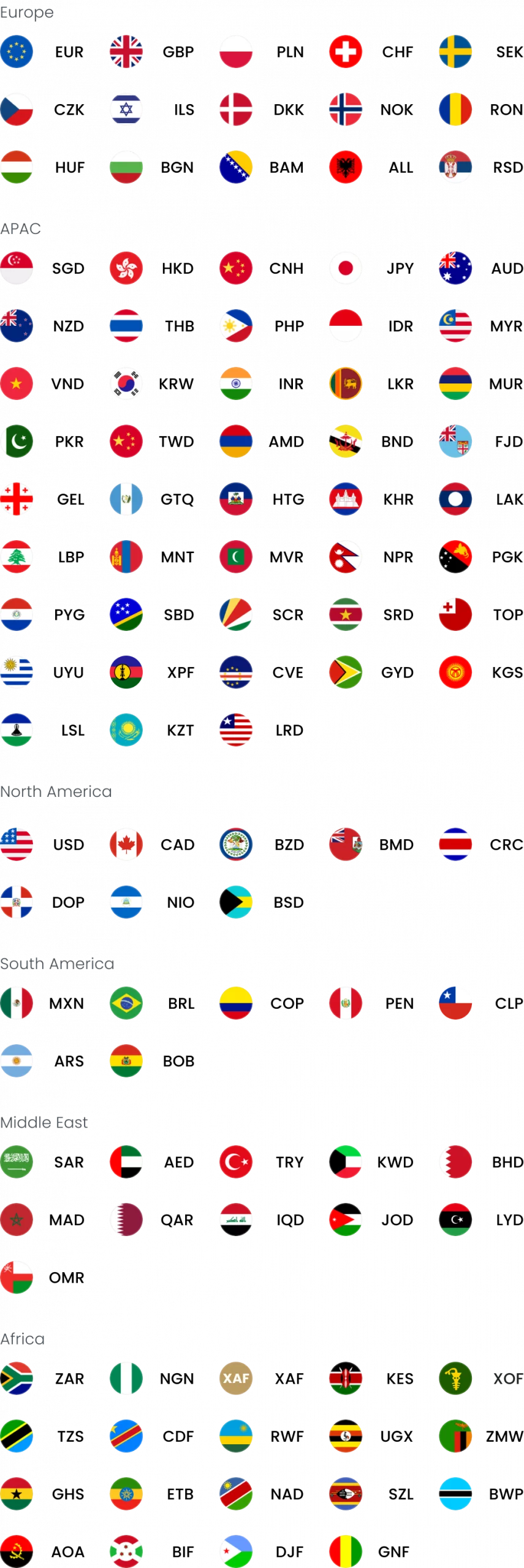
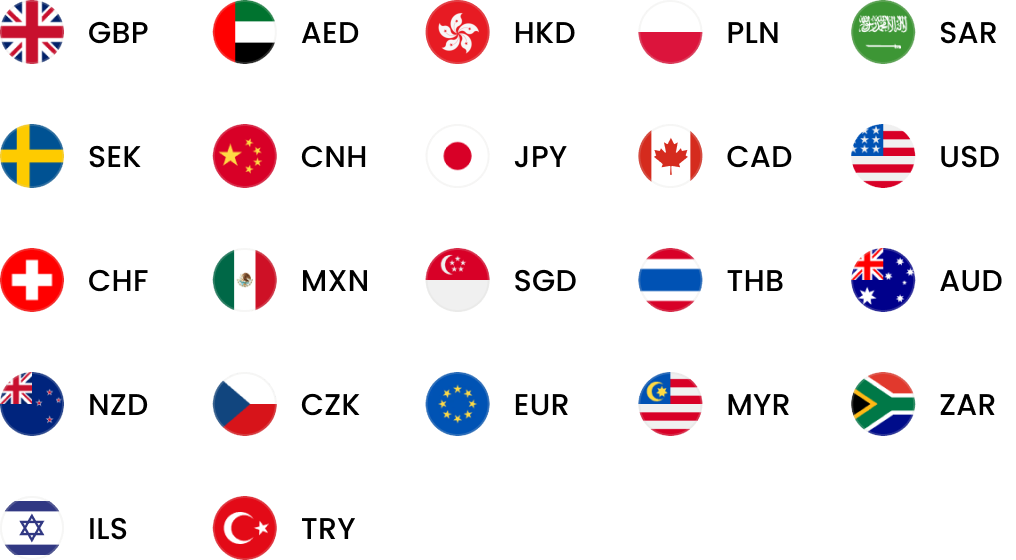
With a World Account, you can receive and hold funds in 20+ currencies and send payments in 100+ currencies to 210+ countries and territories. This removes the need to rely on traditional remittance services every time you need to send money internationally.
A multi-currency account also gives you more control over conversion timing. With traditional wire transfers, you’d typically send money in your home currency. That payment is automatically converted into the recipient’s local currency at whatever rate is available at that moment – often including a significant markup set by the bank or remittance provider.
With a WorldFirst multi-currency account, the approach is different.
Because you can hold balances in 20+ foreign currencies, including GBP, EUR, USD, CNH, HKD, SGD, AUD, JPY and more, you’re able to convert to your recipient’s currency when rates are favourable and hold the funds in your account until you choose to use them.
When it’s time to make a payment in one of those currencies, you can pay directly from your existing balance – without triggering another conversion. For payments in currencies you don’t hold, funds are converted at a competitive exchange rate at the point of payment.
This approach gives you more predictability, fewer unnecessary conversions and greater control over how and when your money moves internationally.
Read more: What’s the best way to transfer large sums of money internationally?
Pay and get paid faster with local payment rails
One of the biggest frustrations with traditional remittances is how long they can take. Payments sent through correspondent banking chains often pass through multiple intermediaries, which slows settlement and increases costs.
WorldFirst uses local payment rails wherever possible rather than relying solely on long correspondent banking chains. This means payments through WorldFirst involve:
- Fewer intermediary banks
- Fewer unexpected deductions
- Faster, more predictable delivery times
Around 90% of WorldFirst payments arrive within a day, giving you greater certainty over when funds will reach their destination.
Read more: How long do international transfers take – and why?
Advanced tools that individual remittance services don’t offer
Most remittance providers are built for individuals making occasional transfers. They don’t offer the management features businesses – or even frequent individual users – rely on for efficient money management.
The World Account includes tools designed for sophisticated users, such as:
- Batch payments to make up to 200 remittances at once, eliminating the need for multiple individual transfers
- Team access and permissions, so companies can assign roles, track activity and operate more efficiently while maintaining proper controls and oversight
- Clear payment references and comprehensive reporting for easier reconciliation and record-keeping, whether for business accounting or personal financial management
- Advanced FX tools, including forward contracts to lock in exchange rates for up to 24 months and firm orders to automatically execute transfers when your target rate is reached
These features reduce manual work, minimise errors and make international payments easier to manage, whether you’re remitting one payment or hundreds.
Read more: Multi-currency payments: How to manage business transactions across borders?
Integrated with global marketplaces and platforms
For online sellers and internationally active businesses, remittances often sit alongside marketplace payouts and platform fees.
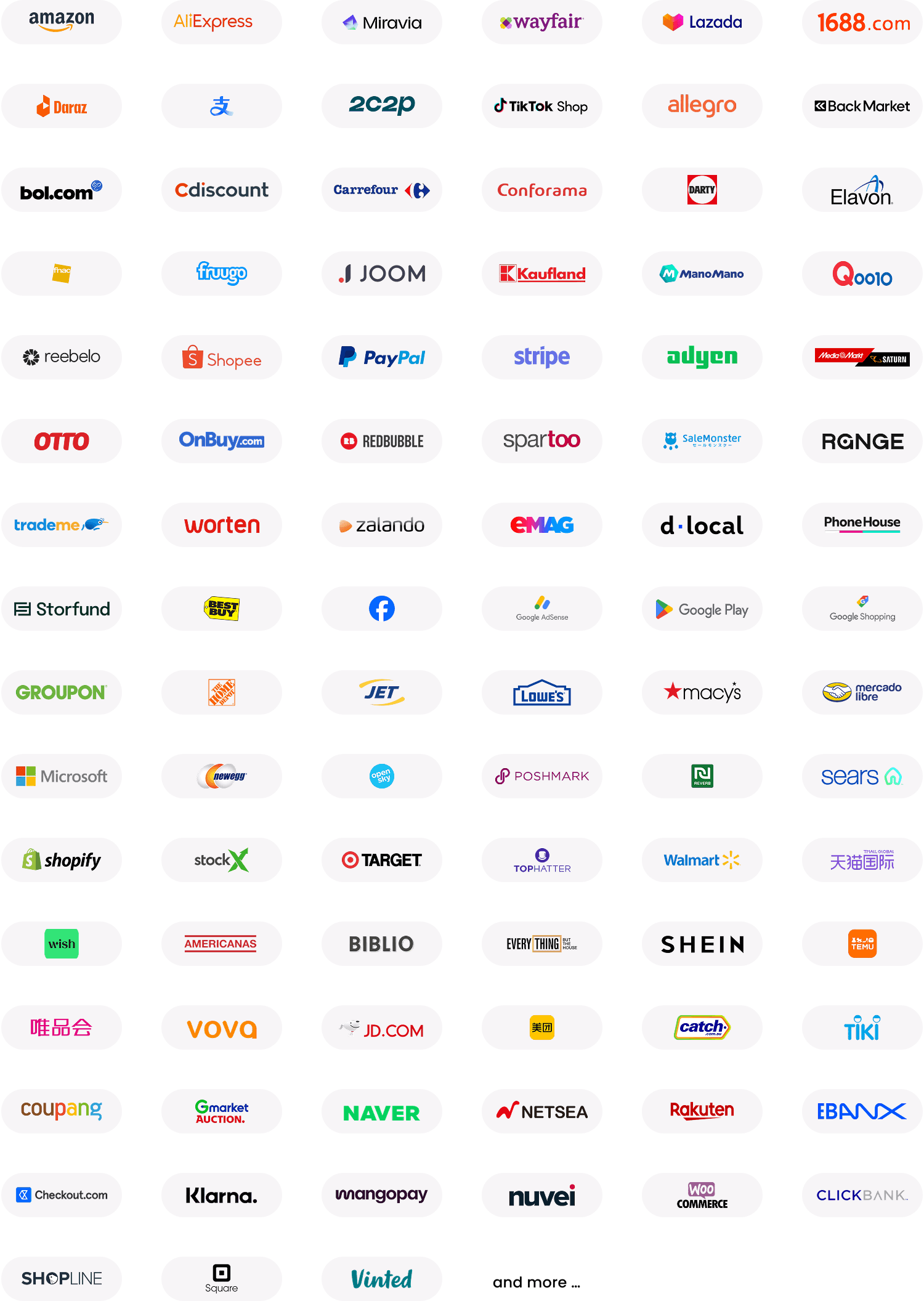
WorldFirst integrates directly with 130+ global marketplaces and payment gateways, enabling businesses to:
- Receive international sales proceeds directly into their World Account
- Hold funds in the original currency
- Use those funds to pay overseas suppliers
This creates a smoother end-to-end flow, where you can collect international income and send payments globally from a single platform, rather than juggle separate tools for collections, conversions and international transfers.
A better approach to international remittances
Remittance may simply mean sending money from one place to another, but how you move money internationally is just as important as the ability to move it at all.
Traditional remittance services weren’t built for the modern, globally connected world. They’re often slow, costly and limited in functionality.
With a World Account, WorldFirst helps you move beyond basic remittances, offering faster payments, multi-currency control and sophisticated tools that support international financial management.
Ready to make international payments easier? Register for a World Account today for free and handle remittances with more speed and control.