



























Buying from overseas should be simple: place the order, send the payment and get the goods on time. However, anyone who has tried knows it’s rarely that smooth. Dealing with suppliers in another currency, watching money vanish into bank fees and waiting days for a transfer to clear can turn what looked like a great deal into a stressful experience.
The usual fix is a foreign currency account at the bank. It works, but it typically requires multiple accounts and additional paperwork – and often comes with hidden fees. A multi-currency account keeps it simple: hold, switch and send money globally from one dashboard.
By following the steps outlined in this article on how to open a foreign currency account for import/export businesses, you’ll be able to simplify payments, protect your margins and keep your trade moving smoothly.
Key takeaways:
- A foreign currency account cuts out unnecessary conversions: Instead of being forced to settle every deal in your home currency, you can hold, send and receive in multiple currencies. This method means less FX leakage, more predictable margins and more flexibility in how you manage international trade
- Traditional banks create friction with fees and delays: Banks often require separate accounts for each currency, add hidden markups on FX rates and process transfers slowly. These costs and delays can strain supplier relationships and reduce profit on every transaction
- Multi-currency accounts simplify the entire trade cycle: With one account, you can pay suppliers in their local currency, receive funds in the currency of sale, hold multiple balances and convert when it suits your cash flow
- Opening an account is straightforward if you prepare properly: Map out your key currencies, compare providers beyond headline fees, gather required documents and apply online
- WorldFirst makes global payments effortless: With the World Account, you receive payments in 20+ currencies, pay in 100+ currencies and trade across 200+ countries from a single platform
What is a foreign currency account and why does it matter for import/export
A foreign currency account is a bank or payment account denominated in a currency other than your home currency. Instead of forcing every transaction into pounds, the account lets you hold, send and receive in multiple currencies directly. That means fewer conversions and more control over when you exchange.
For importers and exporters, the benefits are immediate: you can pay suppliers in the currency they expect, invoice overseas buyers in their local currency and avoid the constant exchange losses that chip away at margins. Many banks and fintech providers now offer versions of these accounts designed specifically for businesses trading internationally.
Why importers and exporters should care:
- Reduce FX leakage: Avoid automatic conversions at poor rates by holding balances in the right currency until you choose to exchange
- Improve supplier relationships: Paying in the currency your supplier quotes often secures better terms or discounts
- Speed up settlement: Use local account details and local rails to cut transfer times and lower costs
- Gain clearer visibility: Track balances across currencies and markets in one place, making it easier to manage working capital
- Manage risk proactively: Hold and convert funds when rates are more favourable, protecting your margins from volatility
The common pain points with traditional banking setups
Traditional banks weren’t designed with today’s global supply chains in mind. They process cross-border payments, but their account structures, fees and processes slow trade and cut into profit margins.
In practice, the setup often creates more friction than freedom with:
1. Single-currency bias
Most banks still treat every currency as a separate account. If you work with multiple markets, you have to open a new account for each currency. This multiplies paperwork, account fees and reconciliation tasks, while also making it more challenging to maintain a consolidated view of cash flow. The more currencies you deal with, the more fragmented your finances become.
Example: An importer paying suppliers in euros, exporting in US dollars and covering shipping in Japanese yen must manage three separate accounts, each with its own statements, balances and fees.
2. Hidden or layered fees
The most expensive part of banking abroad is often not the visible transfer fee but the invisible spreads on foreign exchange. Banks typically charge a margin of 1–3% on top of the market rate and if your money passes through correspondent banks, each one deducts additional charges. The final amount that arrives is often lower than expected, which complicates supplier relationships.
Example: UK importers paying Chinese suppliers can cut 1–3% FX markups and hidden bank fees by using a multi-currency account to send funds in RMB directly. Payments arrive faster and in full, strengthening supplier trust and improving terms.
3. Slow, manual processes
Traditional banks still rely on manual approvals, paper forms and lengthy compliance checks. Opening a new account in a foreign currency can take weeks and sending payments often requires navigating cut-off times and bank operating hours. For businesses operating on tight shipping schedules, those delays can jeopardise deals and strain trust with key business partners.
Example: An exporter who needs to quickly set up a Canadian dollar account to receive payments from their Canadian partner may face weeks of waiting, during which the distributor may switch to another supplier who already has local banking in place.
4. Limited visibility
When you spread your company’s funds across multiple banks and currencies, it becomes difficult to monitor balances in real time. You often find out your actual cash position only during month-end reconciliation, which means you’re reacting to market conditions instead of planning ahead. This makes it harder to time currency conversions or allocate liquidity where it’s needed most.
Example: A company that maintains funds in euros while its dollar account slips into overdraft misses the warning signs until the exchange rate changes, forcing it to absorb a preventable loss on conversion.
The benefits of opening a multi-currency account for import/export
For businesses trading internationally, every transaction involves not only the movement of goods, but also the movement of money across borders.
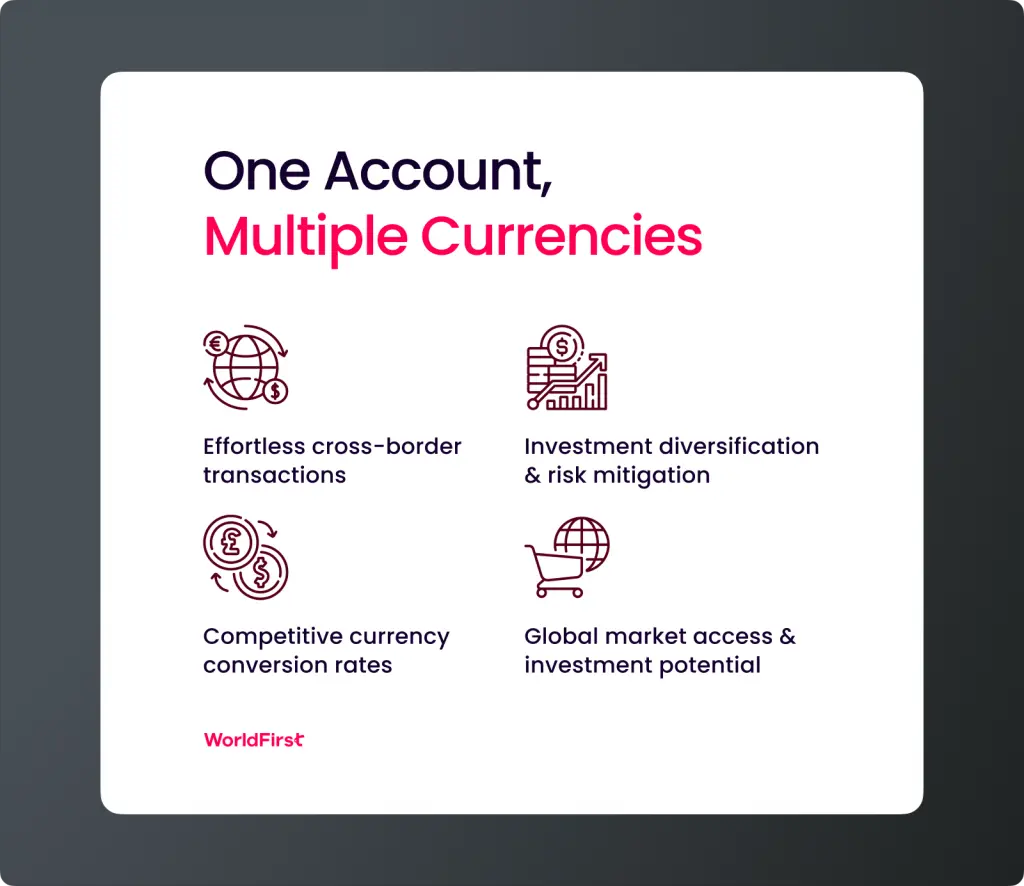
A multi-currency account reduces friction by centralising currency management, improving cost control and providing more flexibility in cash flow:
1. Pay suppliers in their local currency
Suppliers often add a hidden margin to protect themselves against exchange rate volatility when buyers pay them in a foreign currency.
By paying directly in the supplier’s local currency, you remove that uncertainty. It builds trust, speeds up fulfilment and can even open the door to preferential pricing because the supplier no longer needs to cover potential losses on conversion.
2. Receive in the currency of sale
When you sell internationally, the currency in which you receive payment matters as much as the price you set. Collecting funds in the buyer’s local currency makes your product or service more attractive because it simplifies the deal for them.
For your business, it prevents forced conversions at the moment of sale. Holding the revenue in that currency allows you to manage conversion strategically, rather than having it dictated by your bank at settlement.
3. Hold balances across currencies
A multi-currency account enables you to hold balances in multiple currencies simultaneously. This approach provides the flexibility to align currency inflows with outflows, reducing the need for repeated conversions that erode margins.
Instead of moving money back and forth between currencies, you can store it where you’ll use it, making financial planning more straightforward and lowering transactional overhead.
4. Convert when rates are favourable
Currency markets fluctuate daily and even small changes can have a major impact on high-value transactions. A multi-currency account gives you the option to choose when to convert, rather than being locked into the rate on the day funds arrive.
That control translates directly into savings: improving the rate by even a fraction of a percent can preserve thousands in margin over the course of a year. This flexibility shifts foreign exchange from being a constant drain to a tool for protecting profitability.
5. Improve cash-flow management
The traditional banking model scatters balances across multiple accounts and institutions, often in different time zones. A multi-currency account consolidates this complexity into one central dashboard. With a single view of receivables, payables and balances across currencies, businesses gain real-time insight into their financial position.
This transparency supports better forecasting, faster decision-making and more efficient working capital management, ensuring businesses always align liquidity with operational needs.
Step-by-step: How to open a foreign currency account for import/export
Opening a foreign currency account is about aligning your financial setup with the way your business actually trades. Here’s how to approach it strategically:
Step 1: Map your currency needs
Start by identifying where your money flows. List your main supplier countries, your key sales markets and the currencies used in each. Think not just about today, but about where your business is growing.
A UK importer sourcing goods from China may need CNH or USD to pay suppliers, while a European exporter selling into the US will prioritise USD collection. Sellers on marketplaces like Amazon or Shopify often require multiple currencies such as USD, EUR, GBP, AED, AUD and JPY to match their global customer base.
Step 2: Compare providers
Not all foreign currency accounts are created equal. Compare traditional banks with fintech providers and focus on what matters most for your business:
- Coverage: Do they offer the currencies and payment corridors you actually need?
- Costs: Look beyond headline transfer fees to the real FX costs and hidden charges
- Speed and reliability: Can you pay suppliers and receive funds fast enough to match your trade cycle?
- Integrations: Does the platform connect with your marketplaces, ERP or accounting tools?
Banks can provide traditional currency accounts, but they often require separate accounts for each currency and longer onboarding times. Fintech providers, by contrast, are designed for cross-border trade, offering a single platform that supports multiple currencies, local account details and a faster setup process.
Step 3: Confirm eligibility and documentation
Before applying, gather the necessary documents. Regulated providers must verify both your business and its key people. Typically, they’ll ask for:
- Proof of company registration and ownership structure
- Identity documents for directors and beneficial owners
- Proof of address for both the business and its principals
Some banks also require a minimum opening deposit or an existing domestic business account. These rules vary, so check carefully before applying.
For example, in the UK, most banks require your company to be registered with Companies House, and at least one director must be a UK resident. Minimum opening deposits usually range from £1,000 to £5,000 for business accounts, depending on the bank and account type.
Step 4: Apply online
Many modern providers offer complete digital onboarding, eliminating the need for back-and-forth paper forms and branch visits. Once approved, you’ll receive local account details for the selected currencies.
You can share these account details directly with overseas customers or connect them to your sales platforms and payment gateways. Doing so eliminates one of the biggest bottlenecks in traditional banking by removing the delays created by manual processes.
Step 5: Put your multi-currency account to work
Once your account is live, you can use it across the whole trade cycle:
- Receive: Collect payments in multiple currencies as if you had local banking in each market
- Hold: Maintain balances in the relevant currencies to match incoming and outgoing payments without unnecessary conversions
- Convert: Choose when to exchange funds, timing it to fit your cash flow or market conditions
- Pay: Send payments to suppliers worldwide from a single, intuitive dashboard, reducing both costs and complexity
What sets WorldFirst apart for import/export businesses
WorldFirst was created for international commerce, not adapted to it. The World Account is purpose-built for importers, exporters, manufacturers, wholesalers and online sellers who need to move money across borders efficiently. Instead of juggling multiple bank accounts, businesses manage everything from a single platform where they can receive, hold, convert and pay in the currencies that they need.
Here’s what makes WorldFirst stand out for global businesses:
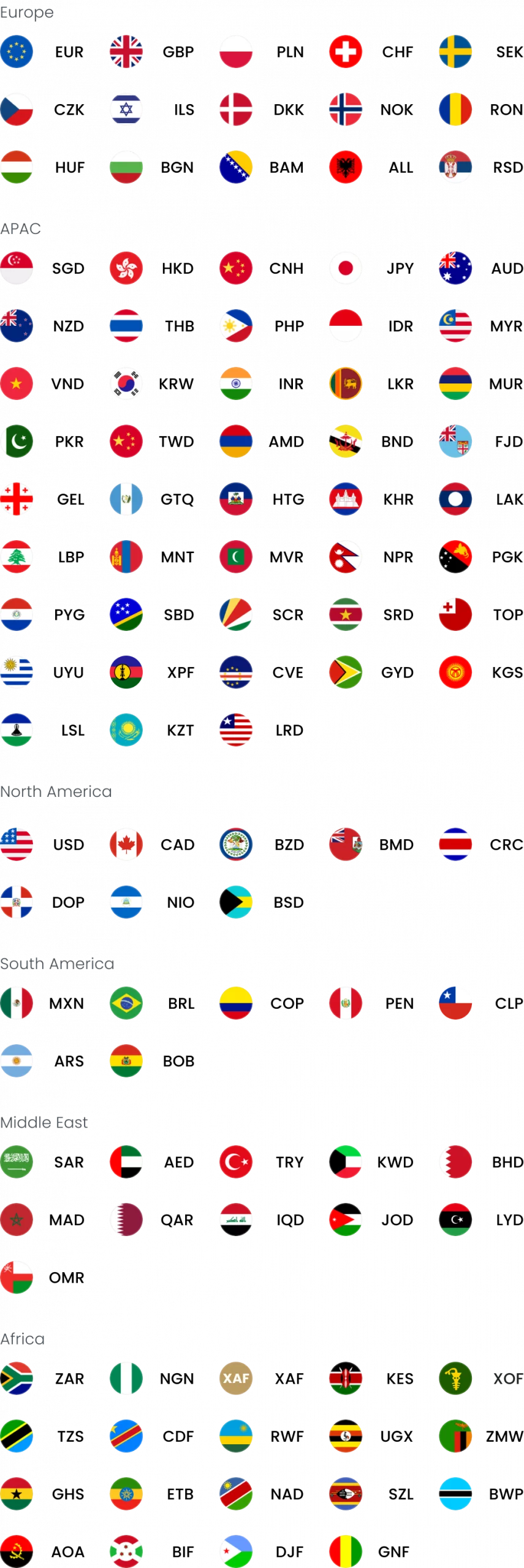
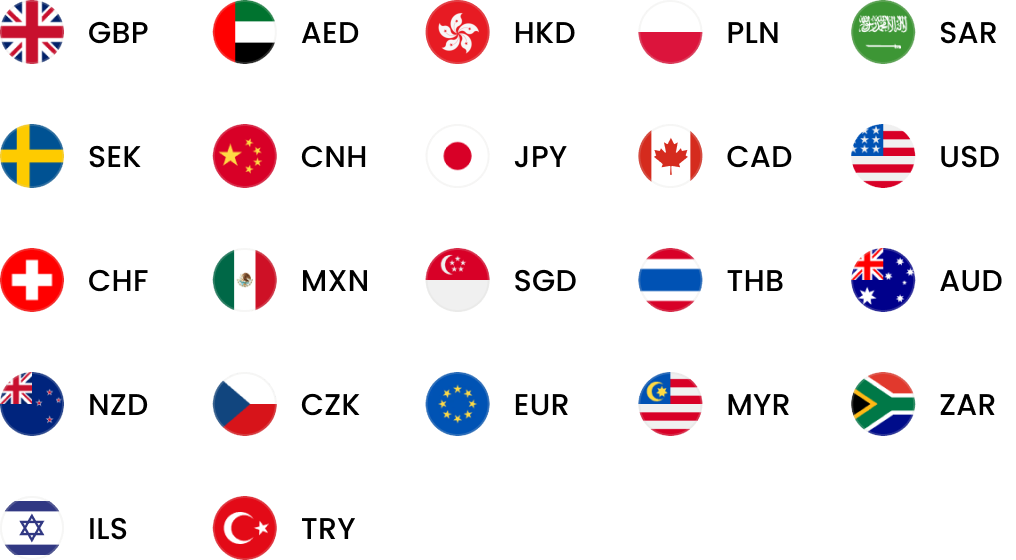
- One platform, many currencies: Open local receiving accounts in 20+ currencies (USD, EUR, GBP, CNH, JPY, AUD, etc.). Receive funds as if they were local payments, pay in 100+ currencies to 200+ countries and move balances between currency accounts with ease
- Faster collections with local rails: Receive payments through local bank details, so funds arrive sooner and more predictably than traditional cross-border wires
- Control over conversions: You decide when to convert your funds. This gives you flexibility to protect margins, avoid forced conversions and work with more favourable rates
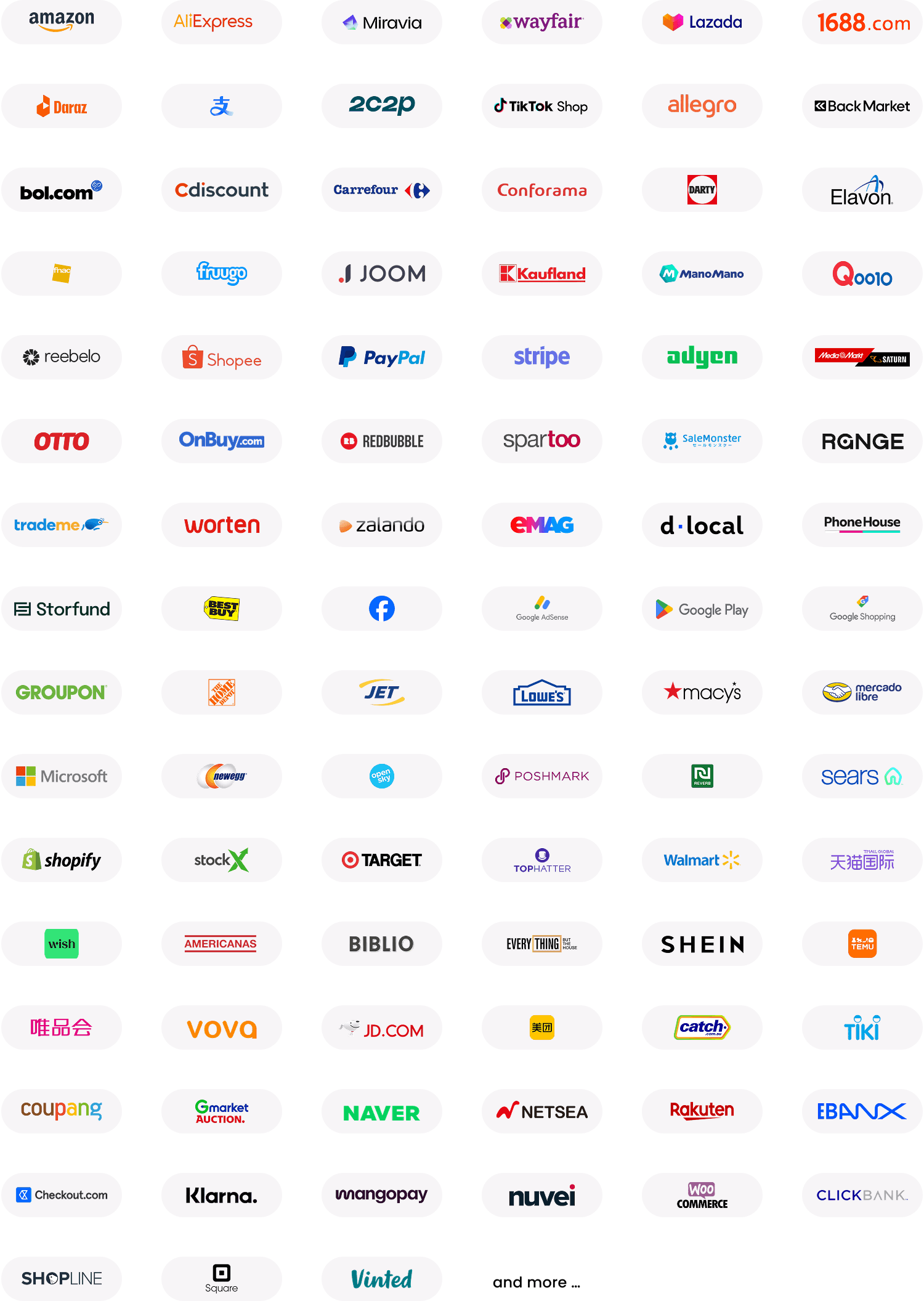
- Marketplace-ready and integration-friendly: WorldFirst integrates with over 130 marketplaces and payment platforms. You can receive sales settlements in your preferred currencies and reconcile them in one place
- Transparent pricing: There are zero charges for account setup, monthly maintenance or receiving payments. FX margins are competitive and clearly published before you make a trade
How to open a foreign currency account for import/export businesses with WorldFirst
Here’s how to get started step by step:
- Create your WorldFirst account: Register for a WorldFirst business account online. The process is digital, designed for importers, exporters, wholesalers, e-commerce brands and marketplace sellers
- Access your currency dashboard: Once your account is approved, navigate to Collections, click on ‘Manage accounts’ and add a new receiving account
- Create the accounts you need: Select the currency from the dropdown menu and confirm. You can assign a nickname to the account for easier tracking
- Find the account details: In your dashboard, find the receiving account you want and click ‘View details’‘
- Start trading globally: Share your new account details with overseas customers, add them to your marketplaces for payouts and begin holding, converting and paying in the currencies your business needs
Ready to take the next step for your import/export business?
Open your WorldFirst multi-currency account for free today and simplify how your business trades internationally.