Business
Multi-currency accounts, competitive FX, and global transfers — Everything you need to pay and get paid internationally
Products
Enterprise
Built for faster payments, smarter liquidity, and robust compliance-all powered by our next-gen API toolkit and Al-native architecture.
Products
Resources
About us
Named a Top Global Fintech Company by CNBC & Statista, we’ve supported 1.5M+ businesses since 2004.
About WorldFirst
Europe
Asia
Oceania
Africa

We provide coverage in South Asia and Middle East: servicing 210+ countries and territories.

Barclays business account review: fees, features and international payments

Contents

If you’ve been quoted £15 for a single international payment or watched a supplier invoice shrink after a 2% conversion charge, you’re not imagining the squeeze. Barclays is one of the UK’s biggest business banking names, but size doesn’t automatically translate into the cheapest or fastest way to move money abroad.

In the CMA’s independent survey of 20,450 small business banking customers, Barclays ranked 16th out of 17 banks for overall service quality, a gap that matters if you’re weighing a switch or a second provider.

This Barclays business account review breaks down Barclays’ fees, FX charges, international payment costs, account opening timeline and independent service rankings, then looks at where a specialist cross-border provider fits alongside a Barclays account.

Key takeaways:

  • Barclays suits businesses that want full-service banking: the account combines everyday UK banking with access to lending, overdrafts and branch support.
  • International payments can become expensive: fixed transfer fees sit alongside Barclays’ own FX conversion charge, so the total cost rises as payment values increase.
  • Cross-border features are more limited than specialist providers: Barclays can send and receive international payments, but it isn’t built primarily around multi-currency holding or marketplace collections.
  • Account opening is relatively slow: straightforward applications can take around a week, with more complex ownership structures requiring additional checks.
  • Service quality is a weaker point: Barclays ranked near the bottom of the CMA’s latest SME banking survey for overall service.
  • WorldFirst can complement a Barclays account: businesses can keep Barclays for domestic banking and use WorldFirst separately for multi-currency balances, marketplace collections and international supplier payments

Open a World Account to see live FX rates before you confirm an international payment, with no monthly fee to receive or hold multiple currencies.

Barclays Business Account at a glance

Here’s a quick overview of Barclays’ main business account costs, international payment fees and service details:

Feature Barclays Business Account
Monthly fee Free for 12 months, then £8.50/month
Standard electronic payments Free (Faster Payments, Direct Debits, Standing Orders)
Cash/cheque handling 60p per cash-in or cheque-in, £1.20 per £100 over the counter
International transfer (BIPS) £15 online, £25 staff-assisted
Receiving international payment £6 (non-euro, £100+)
FX conversion charge Up to 2%, reducing above £25,000
Non-sterling card fee 2.75%
Account opening Typically 7-10 working days
CMA overall service rank 16th of 17 banks

Figures checked against Barclays’ published tariffs and the CMA survey referenced throughout this article; verify current pricing directly with Barclays before switching, as tariffs are reviewed periodically.

Barclays Business Account: key features and pricing

Barclays structures its business account around three size tiers, and the pricing you see depends heavily on which one you fall into.

Barclays Business Account: key features and pricing

The start-up business account suits businesses trading for under 12 months. It’s free for the first year, comes bundled with FreshBooks accounting software, and reverts to the standard £8.50 monthly fee once the introductory period ends, provided you haven’t previously held a Barclays business current account.

Businesses with turnover up to £400,000 sit on the same core pricing, while those turning over between £400,000 and £6.5 million get access to relationship managers and a more complex payments platform.

Day-to-day domestic banking is where Barclays looks competitive. Simple electronic payments, including Faster Payments, Direct Debits and Standing Orders, are free, as are debit card payments and cash withdrawals from ATMs, the Post Office or self-service machines.

Where costs appear is in manual handling: cash-in and cheque-in transactions cost 60p each, counter cash transactions cost £1.20 per £100, and any payment that needs staff assistance rather than online processing costs £1.50.

Barclays also promotes non-price benefits that matter to some SMEs:

  • 24-hour fraud protection
  • Access to Eagle Labs startup support
  • Women in Business programme
  • Net Zero specialists for sustainability-focused firms

These are worth factoring in if you value in-person or advisory support over pure transaction cost, but they don’t offset the international payment charges covered next.

International payments and FX costs

Barclays’ international payment costs can add up quickly if you regularly pay overseas suppliers or receive money from customers abroad. The transfer fee and FX conversion charge are separate, so you need to account for both.

For outgoing payments, Barclays currently charges:

  • SEPA transfer: £0.35 online
  • Barclays International Payments Service: £15 online or £25 with staff assistance
  • CHAPS payment: £15 online
  • Incoming non-euro payment: £6 for payments of £100 or more

The exchange rate can add a larger cost. Barclays states that its conversion charge for business customers is no more than 2%, with the percentage falling on transactions above £25,000.

Independent analysis from Cambridge Currencies estimates Barclays’ personal FX margins at 2.82% for transfers under £25,000, falling to 1.19% at £200,000. These figures apply to personal transfers, while Barclays’ own business tariff caps the conversion charge at 2%. The charge is calculated against the Barclays Reference Exchange Rate rather than the live mid-market rate, which can make the total FX cost harder to assess from the tariff alone.

A few other charges can also apply:

  • USD cover charge: £3 when sending US dollars outside the United States
  • Overseas delivery: £4, £6 or £12 depending on the destination and how receiving-bank fees are handled
  • Non-sterling card purchases: 2.75% when using a Barclays business debit card in another currency

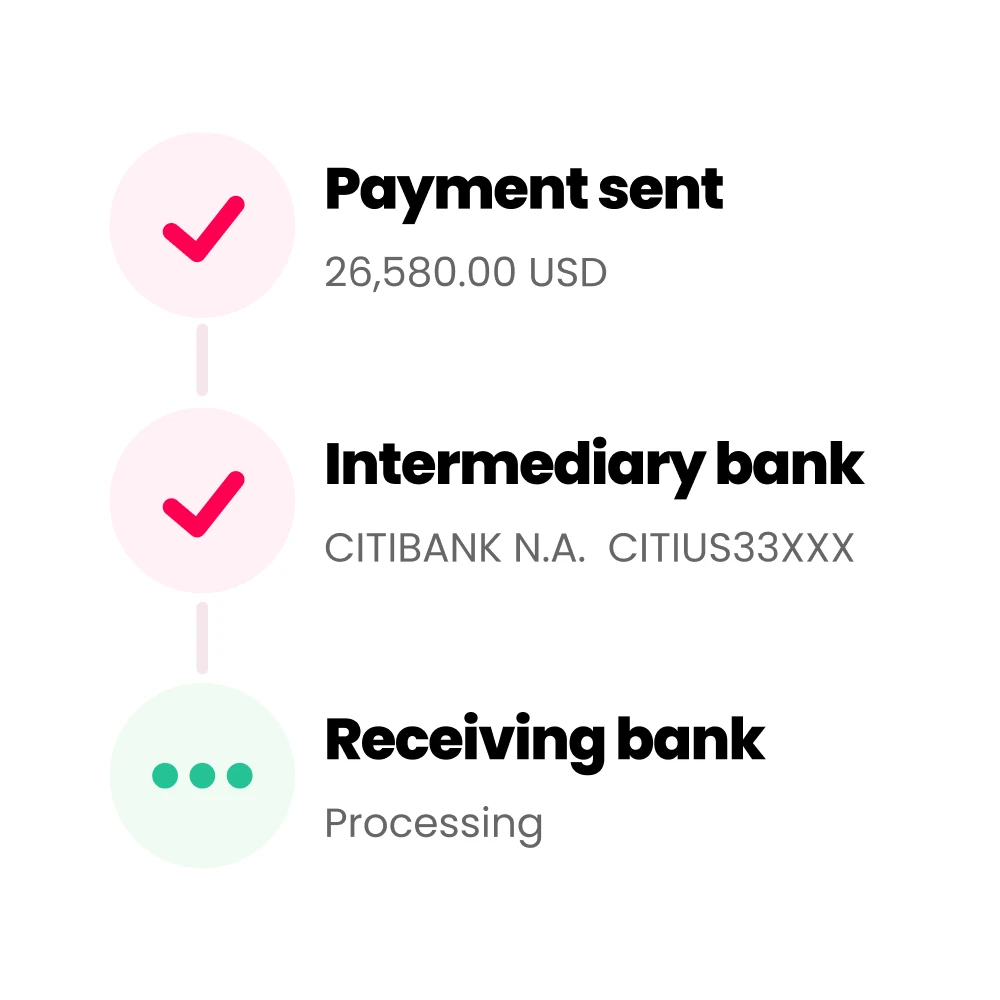
Payment speed also varies. SWIFT transfers typically take one to five working days, while SEPA transfers usually arrive within one working day.

For businesses regularly paying suppliers in China or collecting marketplace revenue in USD or EUR, these costs can become significant. A £50,000 payment with a 2% conversion charge adds £1,000 in FX costs before the £15 transfer fee.

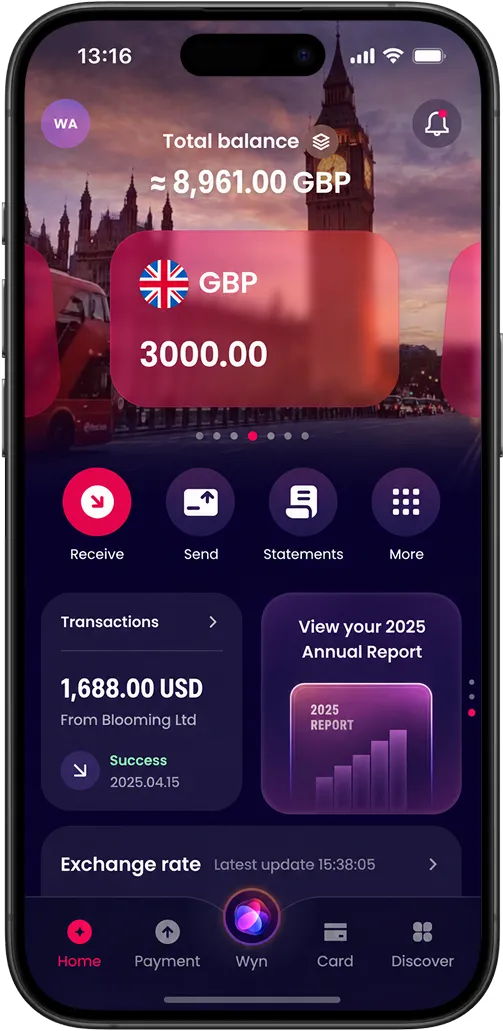
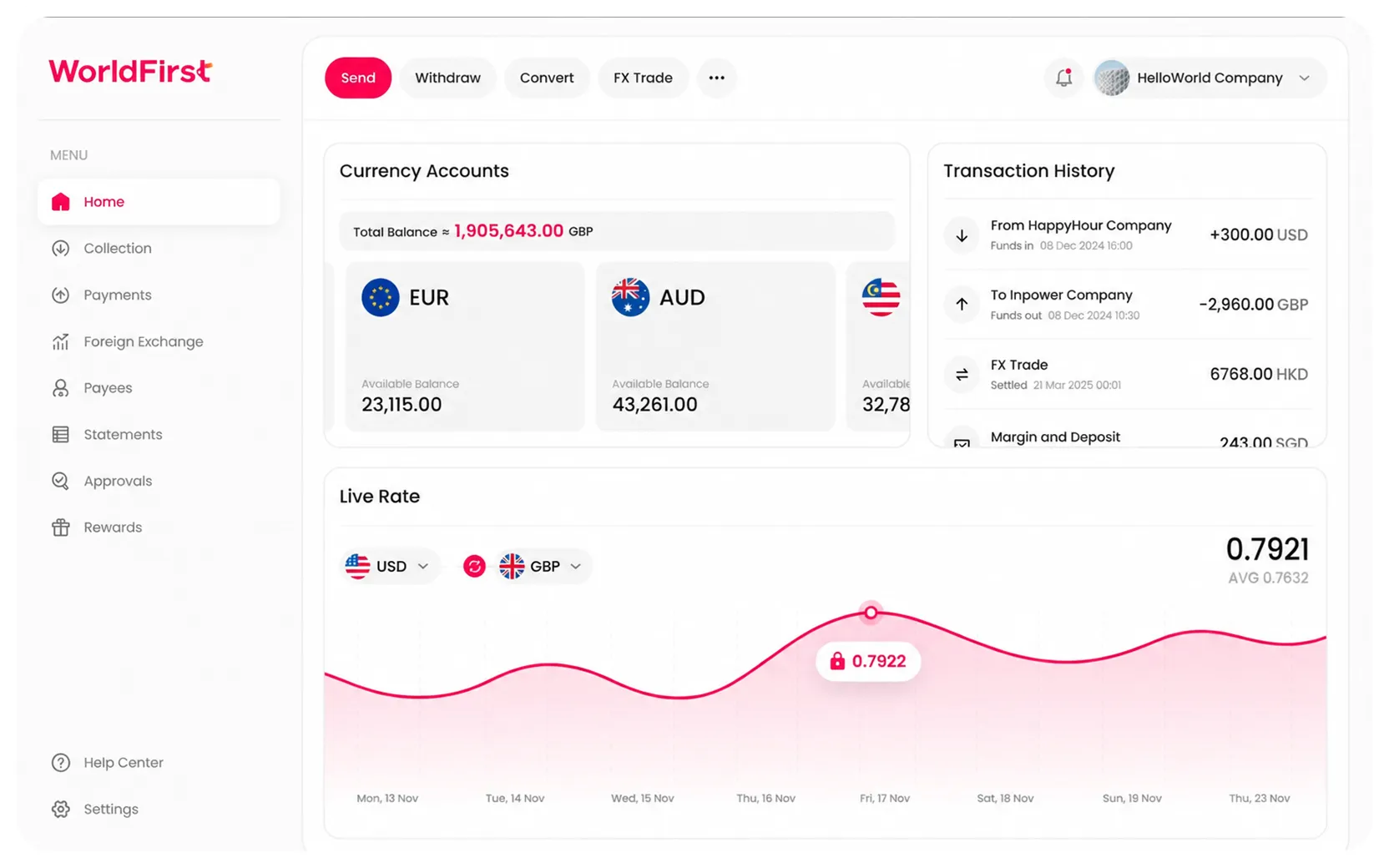
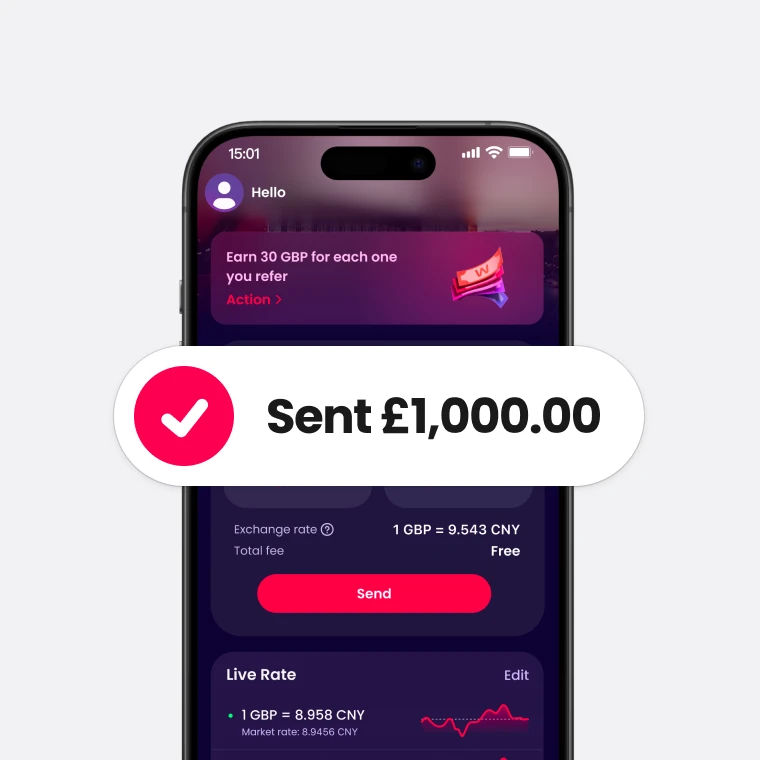
Specialist cross-border providers such as WorldFirst take a different approach. The World Account shows the exchange rate before you confirm a transfer and lets you hold 20+ currencies, so you don’t have to convert an entire USD or EUR balance immediately.

How long does it take to open a Barclays business account?

Opening a Barclays business account typically takes seven to ten working days if you provide all the required information upfront. More complex applications can take considerably longer.

Barclays may ask for:

  • Personal details: you must be 18 or over, with at least one applicant resident in the UK
  • Address history: three years of residential addresses
  • Business information: your trading address, turnover and tax details
  • Company details: a Companies House registration number for limited companies
  • Ownership information: details of all directors or partners

Barclays says accounts are typically up and running within seven working days once the required company information is submitted. 

More complex ownership can extend the process. Government guidance notes that businesses with overseas directors or shareholders may wait four weeks to three months because of additional due diligence.

For comparison:

  • Straightforward Barclays application: around seven to ten working days
  • More complex overseas ownership: potentially four weeks to three months
  • Many fintech and specialist providers: often one to two business days for straightforward UK-registered businesses

If getting your first payment out quickly matters more than having a branch relationship, the onboarding timeline is worth comparing before choosing Barclays as your main account.

Barclays in the CMA SME banking survey

The CMA survey, covering 20,450 small business customers surveyed between January and December 2025, placed Barclays 9th for mobile and online banking and 9th for overdraft and loan services, positions that sit in the middle of the pack rather than at the bottom, but still trail the leading digital-first banks.

What does this mean in practice?

A low overall service ranking doesn’t mean Barclays’ core banking is broken, its Faster Payments, card processing and basic account functions work as expected. It does suggest that if you value responsive support, an intuitive app or fast resolution of account issues, digital-first banks are outperforming Barclays according to customers who’ve used both.

If your priority is a large branch network, established lending relationships or being part of a bank with a long trading history, Barclays’ position looks different, but it’s worth going in with realistic expectations on service responsiveness.

Pros and cons of the Barclays Business Account

Barclays combines the advantages of a full-service UK bank with some clear drawbacks, particularly for businesses that make regular international payments.

Pros:

  • Established banking infrastructure: Barclays offers branch access, telephone banking and a long-standing UK banking presence, which suits businesses that want in-person support alongside digital banking
  • Free 12-month introductory period: new businesses can avoid the £8.50 monthly fee during the first year
  • Access to lending and overdrafts: Barclays offers structured lending and overdraft facilities that non-bank payment providers such as WorldFirst don’t provide
  • FSCS-eligible deposit protection: eligible Barclays deposits can receive FSCS protection up to the applicable statutory limit, subject to eligibility rules

Cons:

  • International payment fees add up: BIPS transfers cost £15–£25, some incoming international payments cost £6, and the FX conversion charge can reach 2%
  • Service scores are relatively weak: Barclays ranked 16th out of 17 banks for overall service in the CMA’s independent SME banking survey
  • Account opening can take longer: straightforward applications typically take seven to ten working days, with more complex overseas ownership structures taking considerably longer

Read more: Best business bank accounts for foreign transactions 

Barclays and WorldFirst: when a specialist account makes sense

Barclays can still work well for domestic banking, lending and FSCS-protected deposits, while WorldFirst can handle the cross-border side of your business. The case for using both becomes stronger as international payment volumes grow and FX costs start to outweigh the convenience of keeping everything with one bank.

A 2% conversion charge costs £200 on a £10,000 payment and £2,000 on £100,000. WorldFirst shows the exchange rate before you confirm a transfer, making it easier to see the cost upfront.

The World Account also lets you:

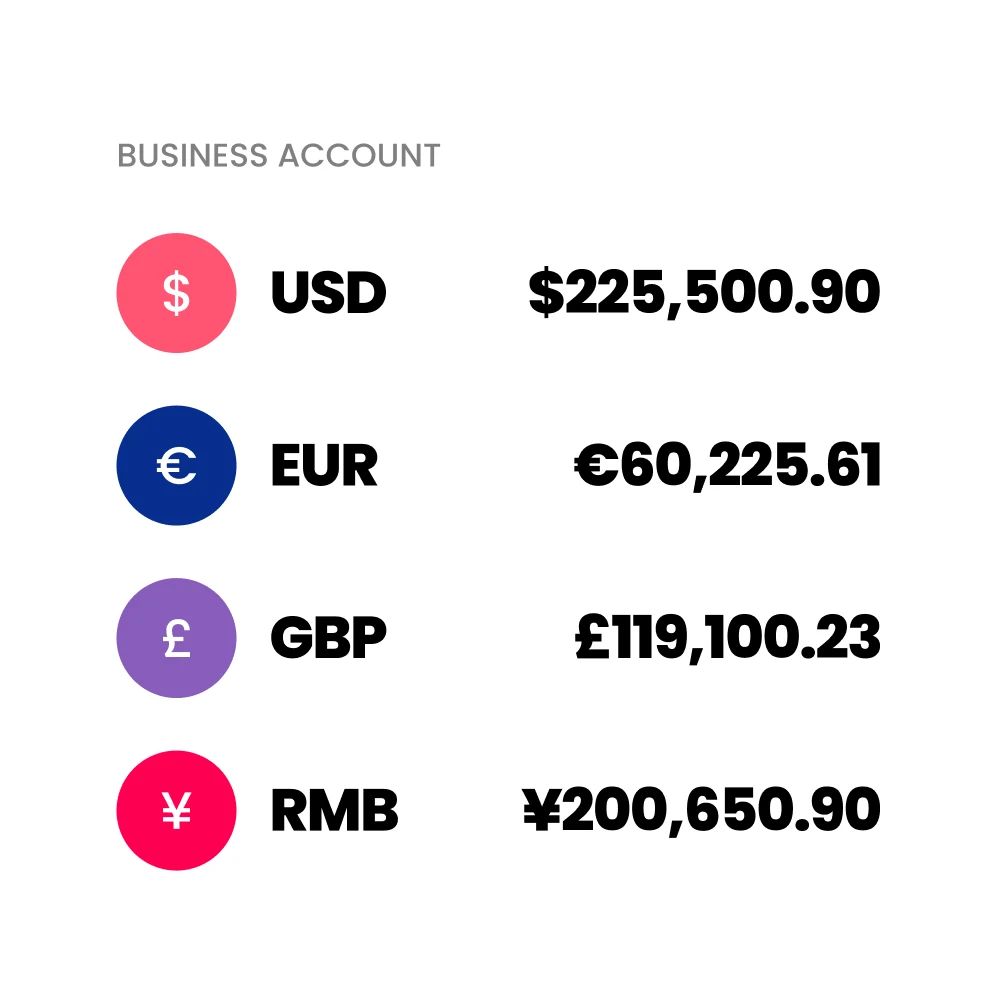
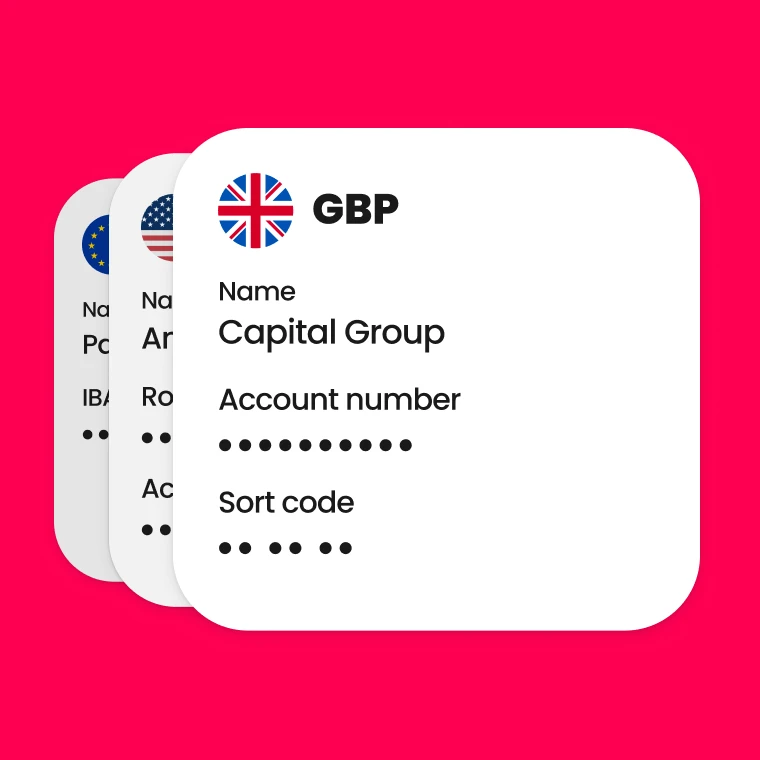
  • Receive and hold 20+ currencies without converting every incoming payment to GBP
  • Collect from 130+ marketplaces, including major international ecommerce platforms
  • Pay in 100+ currencies to 210+ countries and regions
  • Avoid unnecessary conversions when you receive and later spend the same currency
  • Open an account with no monthly fee

Consider a Sheffield homeware importer paying a supplier in China with a £4,000 deposit followed by a £16,000 balance. Through Barclays BIPS, each transfer carries a £15 fee plus a conversion charge of up to 2%. On the £16,000 balance alone, a 2% conversion charge would add £320 before the transfer fee.

WorldFirst offers a different route by showing the applicable FX rate before confirmation and allowing the importer to compare the total payment cost before sending. The exact saving depends on the currency pair, rate and pricing available at the time.

For businesses that need both, Barclays can remain the main domestic bank while WorldFirst handles international supplier payments, marketplace collections and multi-currency balances.

WorldFirst isn’t a bank. World First UK Limited is authorised by the FCA as an Electronic Money Institution under the Electronic Money Regulations 2011. Customer funds are safeguarded rather than protected by the FSCS, and WorldFirst doesn’t provide lending, overdrafts, payroll or full domestic banking.

Open a World Account to compare live FX rates before your next international payment.

FAQs

1. How long does it take Barclays to approve a business account?

Barclays typically opens accounts within seven to ten working days, according to Barclays’ own Introducer Zone and independent reporting from ANNA Money, provided you submit complete identification, address history and Companies House details upfront.

Businesses with overseas directors or shareholders should expect longer, with government guidance citing four weeks to three months for more complex ownership structures, due to additional due diligence requirements.

2. How much does Barclays charge for international business payments?

Barclays charges different fees depending on the payment route. A Barclays International Payments Service payment currently costs £15 when sent online and £25 when staff-assisted. Additional FX conversion charges and, in some cases, overseas bank charges can also apply.

3. Can a Barclays business account hold foreign currencies?

Barclays offers foreign-currency and international banking products that allow eligible businesses to hold and manage currencies other than GBP. The exact functionality and fees depend on the account and international banking service being used.

4. Are Barclays business deposits FSCS protected?

Eligible deposits held with Barclays can receive Financial Services Compensation Scheme protection up to the applicable statutory limit, subject to FSCS eligibility rules. This protection is different from the safeguarding model used by electronic money institutions such as WorldFirst.

5. Is WorldFirst cheaper than Barclays for international payments?

It depends on the currency pair, transaction size and Barclays service you use. Barclays combines fixed payment fees with its own currency conversion pricing, while WorldFirst publishes its international payment and FX pricing. Comparing the total cost of the same payment through both providers is the most reliable way to assess the difference.

6. Can I use Barclays and WorldFirst together?

Yes. You do not need to close your Barclays business account to use WorldFirst. A business can keep Barclays for domestic banking, lending and other bank services while using a WorldFirst World Account separately for supported international payments, marketplace collections and multi-currency balances.

Sources:

  1. https://www.gov.uk/government/news/cma-releases-banking-satisfaction-survey-results
  2. https://www.simplybusiness.co.uk/knowledge/banking/best-small-business-bank-account/
  3. https://anna.money/blog/guides/how-to-open-a-barclays-business-account/
  4. https://www.barclays.co.uk/content/dam/documents/business/Accounts/BAR_9912312_UK-0521_Online.pdf
  5. https://cambridgecurrencies.com/barclays-international-payments/
  6. https://www.barclays.co.uk/business-banking/introducers/
  7. https://www.business.gov.uk/invest-in-uk/expand-your-business-in-the-uk/guide/detailed-guides/how-to-choose-and-set-up-a-uk-bank-account/
  8. https://www.barclays.co.uk/business-banking/introducers/
  9. https://www.financial-ombudsman.org.uk/decision/DRN-4233805.pdf

Continue reading

Pay your suppliers around the world. Collect payments for free in 20+ currencies. Convert when it suits you. All in one place.
barclays business account review

The simpler way to pay and get paid

Save money, time, and have peace of mind when expanding your global business.

扫描二维码下载WorldFirst app
打开手机扫一扫

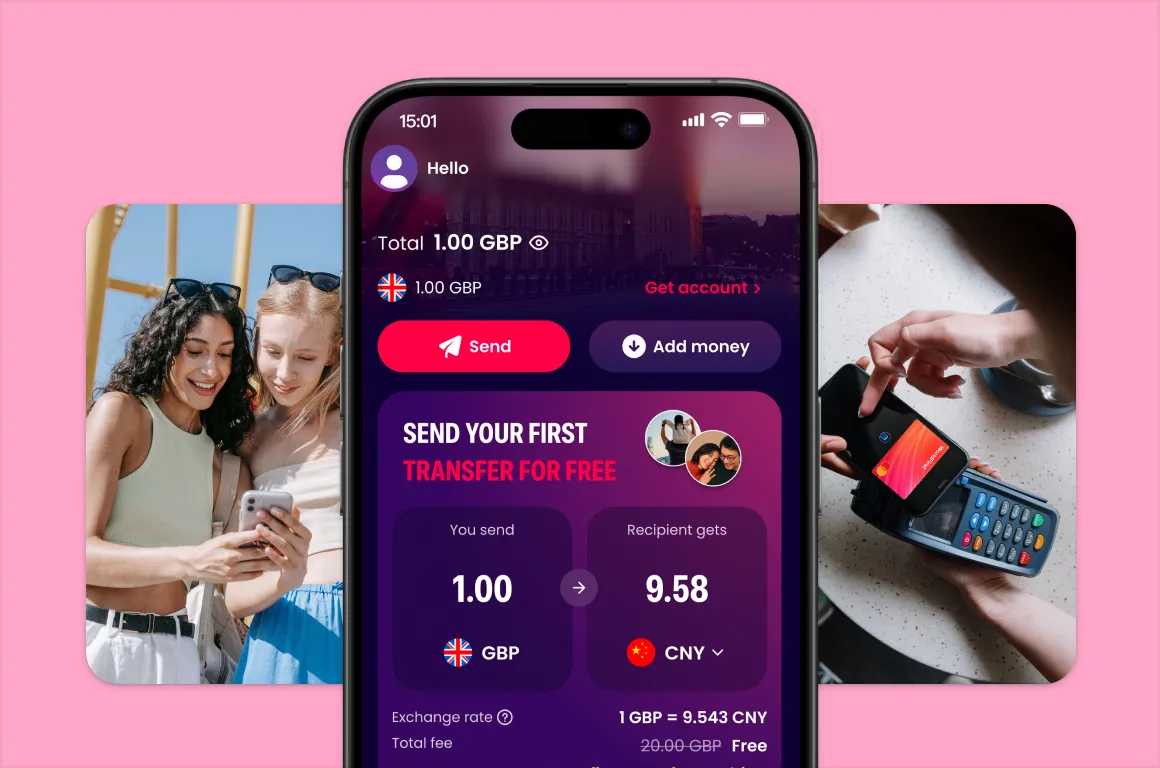
It looks like you're sending money to family or friends — that's a personal transfer, which is best handled through our app.

Sending money to family or friends? Download our app for the best experience.

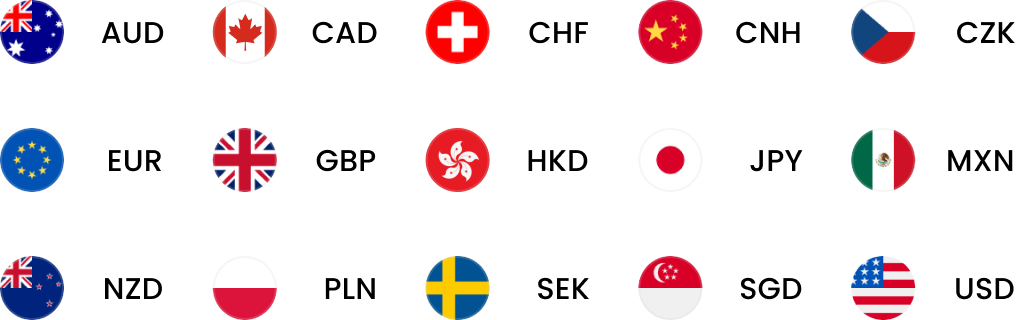
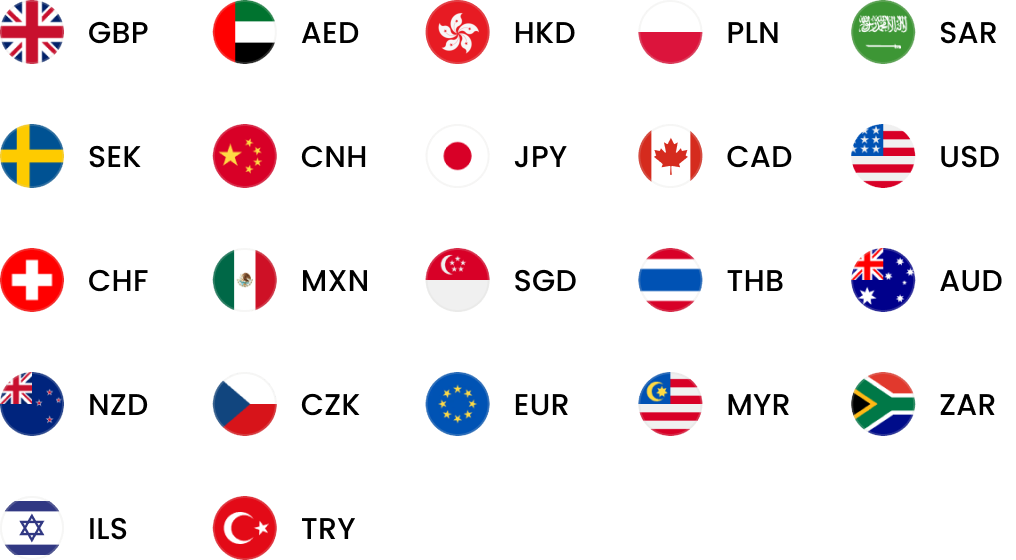
Pay in 15 currencies with World Card, no FX fees

Enjoy zero FX fees when paying in the following 15 currencies with World Card.

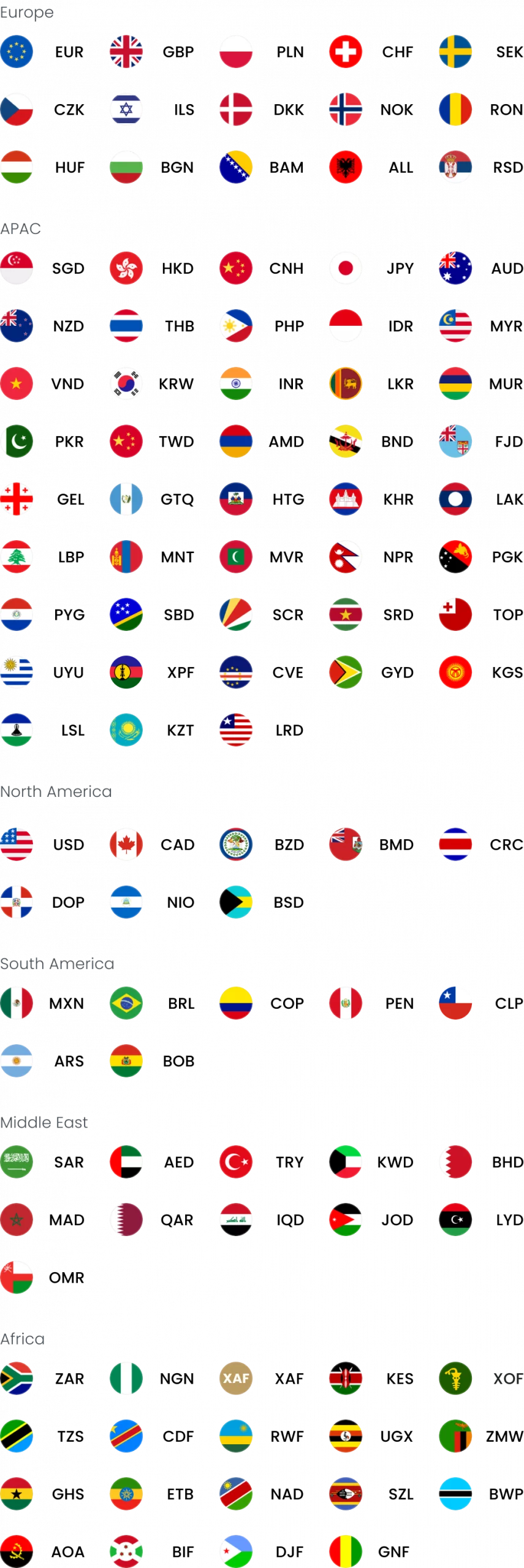
Send money in 100+ currencies

You can send money in your WorldFirst account to any of the currencies we support.

Get Paid by 130+ marketplaces

Seamlessly get paid by 130+ marketplaces and pay your suppliers anywhere.

Collect money in 20+ currencies

You can collect money in 20+ currencies. It only takes a few minutes to open an account in the currency you need.