





























Home > blog > International Transactions > How long does a bank-to-bank transfer take? A guide to faster international payments
How long does a bank-to-bank transfer take? A guide to faster international payments
Last update:


Waiting for a bank transfer to land can be frustrating – especially when you’re trying to pay suppliers, manage cash flow or move quickly on a new opportunity.
For businesses operating across borders, slow or unpredictable transfers can cause real operational issues:
- Unpredictable payment timing can damage trust with international suppliers that rely on steady cash flow
- Variable transfer speeds make it harder to predict when funds will be available
- Slow processing puts businesses at a disadvantage when competing for supplier capacity during busy periods
The good news? Not all bank transfers take days. Many payments can arrive the same day or even within hours – if you’re using the right setup.
In this guide, we’ll explain how long bank-to-bank transfers typically take, what causes delays and how businesses can move money faster and more predictably. We’ll also look at how we at WorldFirst help businesses speed up international payments by using local banking networks across the globe.
Read on to learn:
- How long a bank transfer takes: Domestic vs. international transfers
- The factors that slow down your business transfers
- How to speed up bank-to-bank money transfers
- How using WorldFirst can help your international transfers land faster
Ready to speed up your international transfers? Open a World Account for free and make same-day payments in major currencies.
How long does a bank transfer take? Complete timeline breakdown
A bank-to-bank transfer is exactly what it sounds like: money sent directly from one bank account to another.
For UK businesses, this includes:
- Domestic transfers between UK bank accounts in GBP
- International transfers between the UK and overseas bank accounts, typically in foreign currencies
While they’re often grouped together, domestic and international transfers work differently behind the scenes – which is why transfer times can vary from seconds to more than a week.
Domestic bank transfers: Same-day to 3 business days
Most UK bank-to-bank transfers are relatively fast, thanks to well-established local payment systems.
Here’s how long they typically take:
- Faster Payments Service: Usually completed within seconds or a few hours and almost always on the same day. This is the most common method for everyday UK payments
- BACS payments: Typically take three working days from submission to settlement. BACS is often used for payroll, direct debits and bulk payments, where speed isn’t critical
- CHAPS payments: Same-day delivery, provided the payment is submitted before your bank’s cut-off time (often early afternoon). CHAPS is mainly used for high-value or time-sensitive transfers
International bank transfers: 1–10 business days
International transfers take longer than domestic transfers, largely because the money often passes through multiple banks before reaching the receiving bank.
In most cases, international bank-to-bank transfers take anywhere from one to ten business days. The exact timing depends on factors like:
- The destination country
- The currency being sent
- Whether intermediary banks are involved
- Local regulations and compliance requirements
As a general guide:
- SWIFT wire transfers to major financial centres (such as the US, EU or Canada) typically take one to two business days
- Transfers to emerging markets or countries with stricter banking controls can take five to ten business days
- Payments to China via traditional banks often take seven to ten days, because of regulatory requirements, currency controls and intermediary bank processing
For businesses paying overseas suppliers regularly, these delays can quickly add up, tying up cash and creating unnecessary uncertainty.
Read more: Cross-border business payments: Everything you need to know
Factors that slow down your business transfers
Understanding what causes delays can help you plan better and choose faster alternatives. Here are the main culprits:
- The payment network used. Local payment rails (such as Faster Payments or SEPA) are usually much quicker than international networks like SWIFT, which rely on intermediary banks to route payments between countries.
- The destination country and currency. Payments sent in major currencies to well-connected banking systems tend to move faster than transfers to emerging markets or less commonly used currencies.
- Cut-off times and banking hours. If you miss a bank’s cut-off time, your payment may not be processed until the next working day. Weekends and bank holidays can also add delays. Multi-time zone businesses often face two- to three-day delays when transfers span weekends across different regions
- Compliance and security checks. Banks are required to carry out fraud, AML (Anti-Money Laundering) and KYC (Know Your Customer) checks. Transfers to certain countries may also require more due diligence that can extend processing by several days, particularly for larger amounts or first-time recipients.
- Intermediary banks. International transfers may pass through one or more intermediary banks. Each intermediary adds another processing step, as well as potential delays, fees and reduced visibility into where your payment is. Banks without direct relationships in the destination country typically rely on more intermediaries, significantly extending transfer times.
Read more: International business payment methods: What are the options?
How to speed up bank-to-bank money transfers
While you can’t eliminate all delays when using traditional banking channels, here are practical steps businesses can take to minimise transfer times:
- Send payments during normal banking hours to avoid overnight processing delays
- Avoid sending urgent payments late on Fridays, as they may not be processed until Monday
- Double-check beneficiary details before submitting to prevent returns and re-processing
- Use the recipient’s local currency where possible to avoid conversion processing delays
- Consider express or priority transfer options if your bank offers them (though these typically come with higher fees)
Most importantly, consider how you’re sending money. The payment network you use plays a major role in how quickly funds arrive.
Domestic transfers rely on local payment rails, which are built for speed and automation. International transfers, on the other hand, often use the SWIFT network, which routes payments through multiple intermediary banks. Each extra step increases processing time, cost and uncertainty, especially when payments cross borders or currencies.
Read more: What’s the best way to send money overseas? 7 top options for businesses
How WorldFirst helps businesses transfer money faster
Multi-currency business accounts can remove many of the bottlenecks that slow down traditional bank-to-bank transfers. By giving businesses access to local account details in several currencies, multi-currency accounts let payments move through domestic banking networks rather than slow international routes.
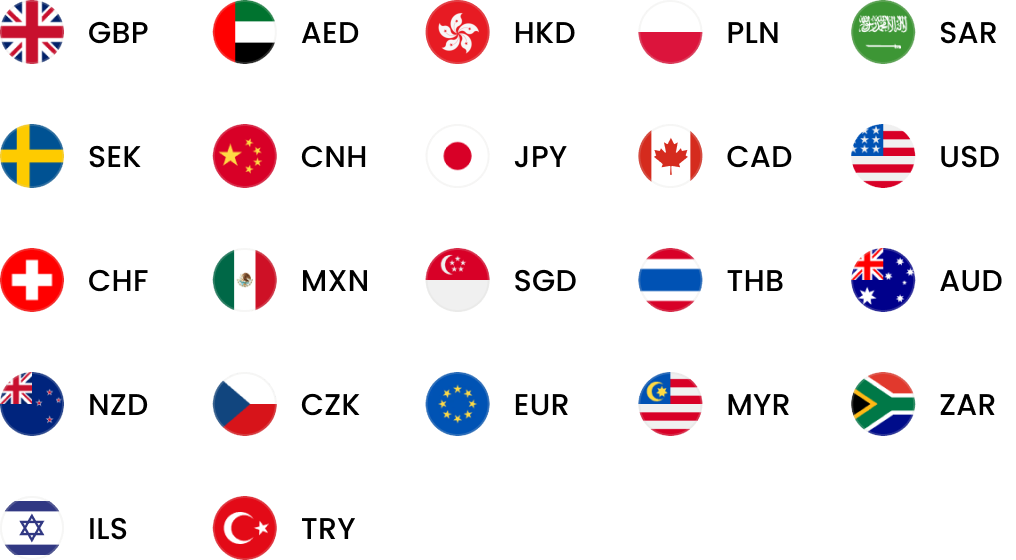
The WorldFirst World Account is a multi-currency business account that lets you receive, hold and manage 20+ currencies and make payments in 100+ currencies worldwide. Since 2004, over 1.5 million businesses have sent $500 billion around the world with WorldFirst and its partner brands.
Here’s how you can use a World Account to speed up your international money transfers:
Get local account details in 20+ currencies and avoid conversion delays
With a World Account, you receive local account details for each currency you hold – like USD routing numbers, UK sort codes and European IBANs – without having to establish local entities or open bank accounts in each country.
This means you can:
- Pay suppliers using domestic banking networks for faster processing and lower costs
- Hold multiple currencies simultaneously to eliminate conversion delays when payment timing is critical
- Receive payments in 20+ currencies like a local business without the complexity of international transfers
Read more: How to choose a multi-currency business account (+ 6 options)
Make more same-day and next-day transfers, thanks to our use of local payment rails
Fast payments are always ideal, but they’re particularly important for supplier relationships and cash flow management.
With a World Account, you can make payments in 100+ currencies to 210+ countries and territories. WorldFirst uses local payment rails wherever possible to avoid SWIFT network delays entirely. As a result, cross-border payments typically arrive within hours rather than days, with 80% of transfers arriving on the same day, and 90% by the next day.
When you pay business partners quickly – and they receive the full amount – it positions you as a reliable, premium client. This can lead to better pricing, priority production slots and more flexible order changes during peak seasons.
Read more: How to send international payments: 6 options for businesses
Access faster ways to pay your Chinese suppliers
Paying Chinese suppliers has traditionally been one of the most challenging parts of international business. With traditional bank transfers taking up to 10 days to clear, delays can quickly disrupt production schedules and cash flow.
WorldFirst offers a faster alternative. Through local banking partnerships, we’re able to send USD payments directly to banks in China and Hong Kong using local payment rails. That means same-day USD payments to Chinese bank accounts, with funds often arriving within hours.
Payments are even faster when both sides use WorldFirst. If your supplier already has a World Account – and over 150,000 Chinese suppliers do – you can send money instantly and without transfer fees, removing delays altogether for high-priority payments.
If you buy through 1688.com, payments are simpler, too. The World Account integrates directly with 1688.com, letting you pay any of its 10+ million suppliers instantly from your balance. There’s no need for a sourcing agent or a Chinese bank account – just a single, compliant way to pay suppliers as quickly as your business moves.
Read more: How to buy and sell from China: 5 tips for online sellers
Transfer money faster with a World Account
Waiting days for a bank transfer to arrive isn’t just inconvenient. For growing businesses, it creates uncertainty around cash flow and weakens supplier relationships – especially when you’re operating across borders.
Traditional bank-to-bank transfers, while reliable, weren’t designed for the speed and flexibility modern international businesses require. Whether you’re competing for supplier capacity or trying to capitalise on time-sensitive opportunities, slow payment processing puts you at a disadvantage.
If predictable, fast transfers matter to your business, it may be time to move beyond traditional bank-to-bank payments and choose a setup designed for international growth.
With a WorldFirst World Account, you can receive international payments in 20+ currencies, pay in 100+ currencies and benefit from same-day or next-day settlement on major routes.
Open your World Account today to make faster, more reliable business transfers.
Continue reading


Subscribe
The Weekly Dispatch
Get the latest news and event invites. Signup for our weekly update from the worlds of fashion, design, and tech.