


























If you’re a UK business owner looking for new growth opportunities, you’ve probably noticed one thing: China’s e-commerce market is enormous but feels almost impossible to break into.
Taobao.com – China’s biggest online marketplace with over 600 million users – offers huge potential to reach new customers. But overseas brands face a number of barriers. You’ll typically need to register a Chinese business entity to open a store. Then you’ll need to meet certain payment requirements, such as connecting to Alipay, which typically involves a local Chinese bank account.
This guide is here to help you navigate those challenges. We’ll walk you through the steps to set up your store and reach an entirely new audience.
We’ll cover:
- Why sell on Taobao from the UK?
- What are some of the challenges for UK sellers?
- Can overseas brands sell on the platform?
- How to set up a company in China to sell on Taobao
- How to create your Taobao store
- Using WorldFirst for payment methods and currency
- FAQs about selling on Taobao from the UK
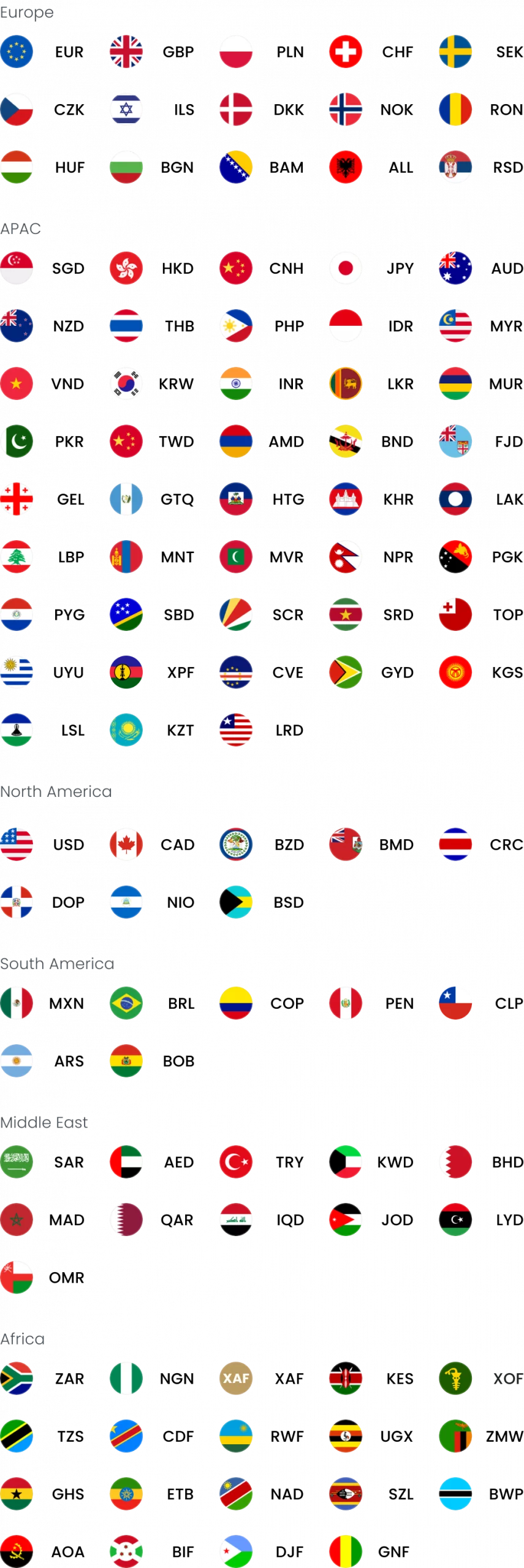
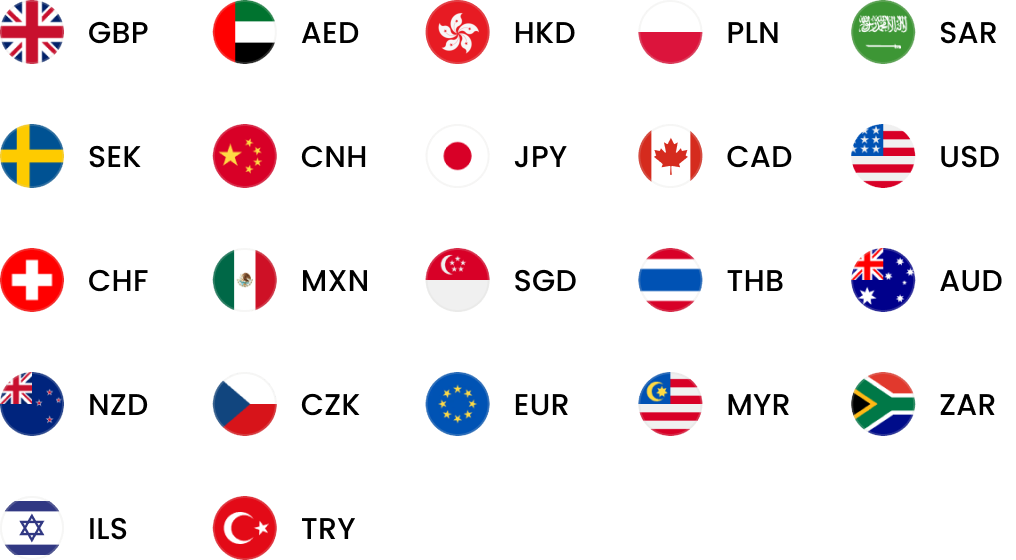
Open a World Account for free today and collect and hold funds in 20+ currencies, including RMB, and simplify payments to Chinese suppliers.
Why sell on Taobao from the UK?
Taobao is China’s largest e-commerce store, owned by Alibaba Group. It functions like a virtual bazaar, connecting 600 million monthly active users with more than one billion products. Unlike its sister brand, Tmall, which focuses on established brands and premium retail experiences, the platform is known for catering to price-sensitive local customers and smaller-scale sellers.
Selling on Taobao gives UK businesses direct access to China’s massive and growing online shopping market. For UK brands, selling on Taobao is a way to:
- Reach a new audience that buys online daily
- Build brand recognition in one of the world’s biggest markets
- Diversify sales channels beyond domestic and Western marketplaces
- Capture demand for foreign-made, high-quality products
However, you’ll need to plan and manage your operations carefully. Chinese customers expect fast, reliable delivery – even for Taobao purchases coming from overseas. You’ll need to carefully manage your shipping method, shipping cost and shipping number to avoid delays and maintain trust.
Selling on the marketplace isn’t as simple as listing on Amazon or eBay. You’ll need to navigate specific requirements around cross-border payments, logistics and customer expectations unique to the Chinese market – all of which we explore in detail below.
What are some of the challenges for UK sellers?
While the opportunity is huge, opening your shopfront on the platform comes with real challenges that UK business owners need to understand upfront:
- You may need to register a company in China. Taobao isn’t designed for foreign companies to sell directly. To open a seller account, you’ll generally need to register a company on the Chinese mainland and maintain a real office address – not a virtual one. This can be time-consuming, costly and complex without local expertise.
- You’ll have to deal with language barriers. The entire Taobao platform is in Chinese. Product listings, customer service and backend management require at least basic fluency or reliable local support. Without careful translation and cultural adaptation, your product descriptions and customer interactions may fall flat.
- You’ll need a local payment setup. The marketplace runs on Alipay, which requires a Chinese business bank account. You’ll need to be set up locally to receive payments and manage refunds – but services like WorldFirst can help you manage cross-border payments more easily (see below).
- Logistics and shipping can be complex. Chinese consumers expect fast, reliable delivery – even from overseas sellers. That means finding a trusted freight forwarder or logistics provider like DHL or Cainiao, Alibaba’s in-house logistics platform, to handle international shipping, shipping costs, customs, taxes and returns smoothly.
- Competition and customer expectations are high. This is a crowded marketplace with millions of sellers. Shoppers expect strong customer service, competitive pricing and localised marketing. Standing out requires investment in both branding and ongoing operations
- You’ll need to follow local regulations. Certain product categories face strict import and labeling rules. You’ll need to ensure your goods meet Chinese regulations to avoid shipment delays or rejections at customs
Can overseas brands sell on the platform?
The short answer is: not directly, unless you have a legal presence in China. The platform is primarily built for domestic sellers, which means you can’t simply open a store from the UK without meeting local requirements.
However, there are a few ways to work around this:
Option 1: Register a subsidiary in China
Selling from the UK is not impossible. Overseas brands can set up a subsidiary company in China. Foreign nationals are allowed to fully own limited liability companies or enter partnerships with local firms. This route requires registering a business on the mainland, securing a real office address and completing all formal licensing – so it’s not a light commitment.
Option 2: Partner with a local seller or distributor
Another option is to partner with a Chinese distributor or Taobao agent – a local intermediary who helps with setup, sourcing and fulfilment on the platform. While this can reduce your setup burden, it usually means giving up a share of your margins and some control over branding and customer experience.
Option 3: Consider Tmall Global instead
It’s also important to note that Taobao is a localised platform built for Chinese consumers. Many overseas brands focus on Tmall Global instead, which is designed for cross-border e-commerce. It offers a more premium, international-friendly experience but comes with higher costs and stricter requirements.
How to set up a company in China to sell on Taobao
If you want to sell directly on Taobao as an overseas brand, you’ll need to establish a registered company in mainland China. The platform requires sellers to have a verified local business entity – not just a virtual office or postbox company.
Here’s a step-by-step guide to setting up a company in China:
- Secure a physical office address. To register a business, Chinese authorities require proof of a real, physical premises – virtual offices don’t count. You’ll need to sign a legitimate office rental contact and submit it as part of your application. Be prepared to pay a deposit plus 3–6 months’ rent upfront, depending on your city and landlord requirements. You can find more guidance on office registration requirements here.
- Complete the business licence application. Once you’ve secured your lease, you can apply for a business license through the local Administration for Market Regulation (AMR). This process can take several months and often requires support from a Chinese legal or consultancy firm to prepare and submit the paperwork. Incorporation typically costs between 20,000–30,000 RMB (around £2,200–£3,300) depending on your location and professional fees. Read a step-by-step guide to setting up a Wholly Foreign-Owned Enterprise (WFOE) in China.
- Verify your identity and submit supporting documents. As a foreign investor, you’ll need to provide authenticated copies of your passport, proof of overseas residence, and – in some cases – financial statements or a certificate of good standing for your existing UK company. These documents must be translated and sometimes notarised in both the UK and China. Make sure to include your business’s phone number and ensure it’s reachable during the verification process. (You can check local requirements via your target city’s AMR portal or consult a cross-border legal service. Find more info here.)
- Open a business bank account or payment solution. After your business license is approved, you’ll need to set up a local business bank account. Taobao processes customer transactions via Alipay, which typically requires a linked Chinese business bank account. Many foreign-owned businesses choose major banks like ICBC, Bank of China or China Merchants for this, while for others – if not ready to open a local account – can use cross-border payment solutions like WorldFirst.
WorldFirst Tip:
While WorldFirst doesn’t provide Chinese domestic bank accounts, it allows you to hold CNH (offshore Chinese yuan), receive funds from your distributor or partner and withdraw in GBP, simplifying currency management and helping you bring revenue back to the UK more efficiently.
Learn more about using WorldFirst for managing Taobao payments and FX below.
How to create your Taobao store
Once your business is registered and you have a local bank account set up, you’re ready to create your storefront. This is where your customers will discover, browse and buy your products – so it’s worth taking the time to set it up properly.
- Register as a seller: Start by creating an account on Taobao and registering as a seller. You’ll need to provide your new Chinese business credentials, verify your identity with official documents, and complete the seller onboarding process.
- Connect to Alipay: Next, connect your store to Alipay, Alibaba Group’s widely used payment platform. Alipay is essential for transactions and works similarly to Apple Pay or PayPal, holding customer payments in escrow until the buyer confirms they’re satisfied with the order. Once confirmed, funds are released to your account.
- Customise your store: Now comes the fun part. After your account is verified, you can begin customising your storefront. This is your brand’s first impression for online shopping customers in China, so make it count. Add your logo, choose a design theme, and include strong visual elements like banners showcasing your best-selling or most distinctive products. Clear, appealing branding can help you stand out in a crowded marketplace.
- Upload product listings: Taobao refers to individual products as “babies” (don’t be alarmed by the translation!). For each listing, use high-quality photos and videos to showcase your products. If you’re selling from abroad, include details about international shipping, estimated shipping rates, and any import taxes.
- Set up Aliwangwang: Finally, install and configure Aliwangwang, Taobao’s built-in customer service chat tool. Chinese shoppers expect fast, direct communication with sellers. If you or your team don’t speak Mandarin fluently, you’ll need reliable local staff or partners to manage inquiries, handle post-sales support, and maintain a high customer rating. The Taobao app also supports real-time notifications for customer messages, which can help you respond quickly and improve your seller rating.
And just like that, you’re ready to trade. You can use Taobao’s marketing tools to promote your store and boost the audience reach of specific products. Marketing your products within the Taobao platform can help you establish your international venture faster.
Using WorldFirst for payment methods and currency
Selling on Taobao means you’ll need to manage payments across borders, currencies and suppliers. Even once you’ve set your Chinese entity and Alipay account, you’ll still face the challenge of moving money internationally, paying suppliers and managing currency exchange.
WorldFirst’s World Account makes managing your supplier chain much smoother and more predictable, helping you meet local expectations around shipping rates and delivery times.
Setting up a local Chinese bank account can be slow, expensive and complex – especially for UK businesses without a legal entity in China. That’s why it makes sense to use a World Account instead. With WorldFirst, you can hold and receive CNH (offshore Chinese yuan), get paid by Chinese buyers or partners, and withdraw funds back to GBP – all without needing a physical local presence.
Collect and hold payments in multiple currencies
When selling on the platform, you may get paid in Chinese Yuan (RMB) but need to manage costs in GBP, USD or other currencies. Traditionally, selling internationally meant opening separate local bank accounts in every country – including all the paperwork, approvals and fees that come with it.
But now, with a World Account, you can:
- Open 20+ local currency accounts online, all from the UK
- Receive payments like a local, with local account details in CNH, GBP, USD, EUR and more
- Avoid multiple bank relationships and fees, with everything centralised in one place
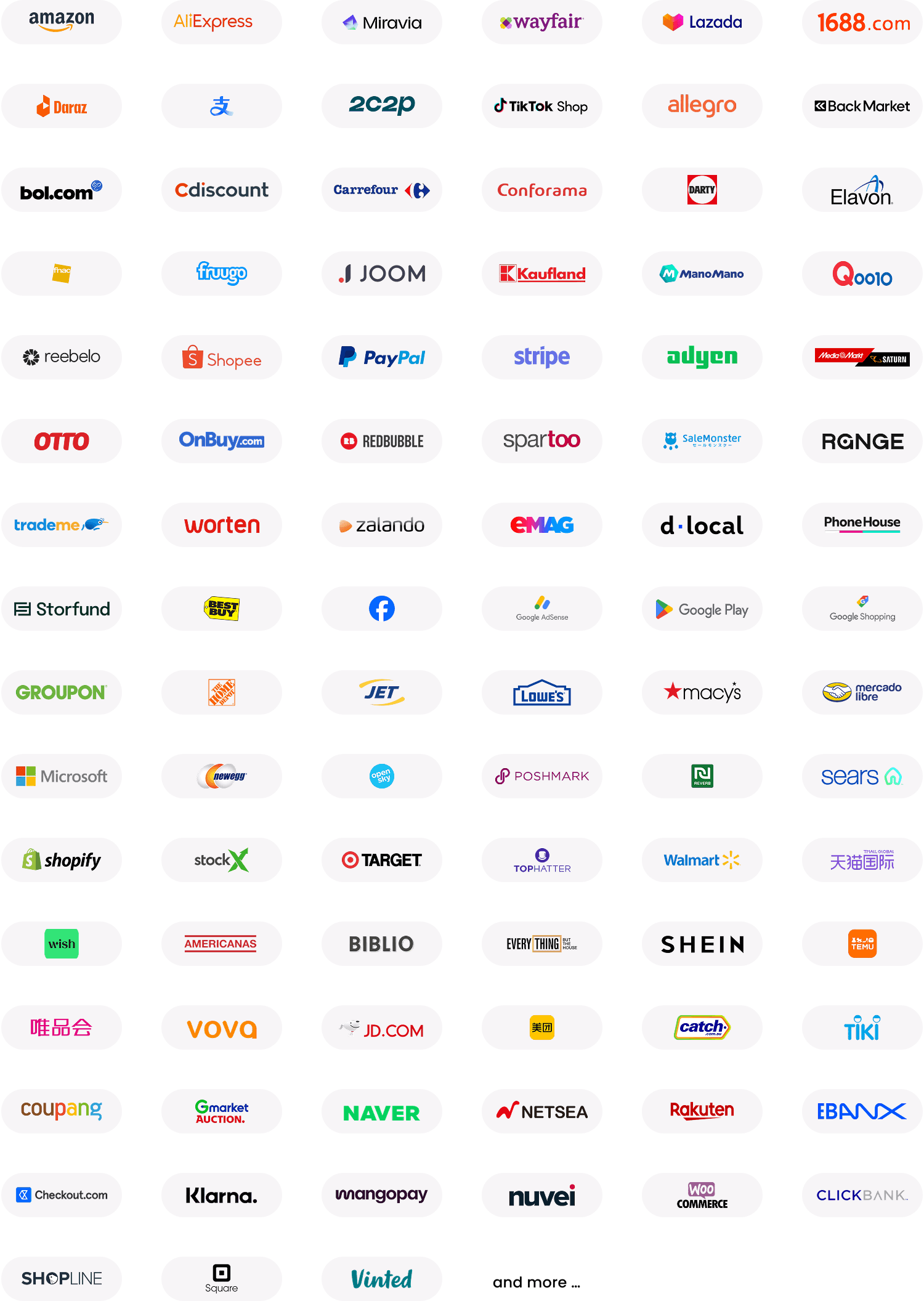
This is especially useful if you’re also selling on other marketplaces (Amazon, Shopify, PayPal) as WorldFirst integrates with 130+ global marketplaces and payment platforms, meaning you can more easily consolidate your international sales revenue.
Pay your suppliers in RMB quickly and cost-effectively
If you’re sourcing products or working with fulfillment partners in China, you’ll need to pay them in CNH. That can be slow and expensive through traditional banks, with SWIFT fees, poor FX rates and long settlement times.
WorldFirst lets you:
- Pay suppliers in over 100 currencies to 210+ regions, including CNH, via local payment rails
- Benefit from same-day or next-day transfers, so your suppliers get paid faster and your inventory stays stocked
- Make instant payments to other World Accounts, reducing delays and strengthening supplier relationships
- Even pay suppliers on com instantly in CNH, thanks to direct integration at checkout
This makes managing your supply chain much smoother and more predictable, helping you meet local expectations around shipping rates and delivery times.
Get better FX rates and manage currency risk
Selling cross-border means constant exposure to foreign exchange risk. A small shift in the GBP to CNH rate can erode your margins overnight.
WorldFirst helps you manage this by:
- Providing access to competitive, transparent FX rates, often better than traditional banks
- Allowing you to lock in rates for up to 24 months with forward contracts, so you can plan pricing and supplier costs confidently
- Enabling spot transfers for real-time currency conversion when you need to act fast
This flexibility helps you protect your profit margins, simplify budgeting and ensure you’re not overpaying when exchanging large sums for supplier payments or repatriating your profits.
Ready to grow your business in China?
Selling on Taobao isn’t a quick win or a simple plug-and-play export channel. It requires time, investment, and a genuine commitment to understanding the Chinese market – from local company registration to cultural nuances in customer service.
But for UK brands ready to take that step, the reward is access to one of the world’s largest, most engaged online shopping audiences. With over 600 million monthly users, the marketplace offers an unparalleled opportunity to grow your business in China’s booming e-commerce sector.
If you’re serious about expanding into China, start by planning carefully. Build the right local partnerships, make sure you understand regulatory requirements, and prepare to localise your marketing and service for Chinese consumers. You may also want to study a tutorial or onboarding video to get familiar with platforms like the Taobao app, Cainaio logistics, and customer service best practices.
Now’s the time to explore selling on Taobao, invest in the groundwork and put your products in front of millions of new online shopping customers. Open a WorldFirst account for free to collect earnings.
FAQs about selling on Taobao from the UK
Can UK businesses sell on Taobao?
Yes – but not directly from the UK without setting up a legal entity in China. To open a seller account, you’ll need to register a Chinese company with a real office address and local business licence. Alternatively, you can partner with a Chinese distributor or local company that sells on your behalf, though that often reduces your profit margins and limits your control over branding.
How do I set up a shopfront as a foreigner?
Foreign companies need to follow China’s formal incorporation process. This includes securing an office rental contract, applying for a business licence (which can take several months), verifying your identity with documentation, and opening a Chinese business bank account to connect with Alipay, your payment method on the platform. Once registered, you can create your seller account, customise your storefront, upload product listings, and set up customer service through Aliwangwang.
What is the difference between Taobao and Tmall?
Taobao is China’s biggest consumer-to-consumer (C2C) marketplace, known for low prices, huge variety and smaller-scale sellers – including local manufacturers and entrepreneurs. It’s highly competitive and very localised.
Tmall, also owned by Alibaba Group, is the higher-end, business-to-consumer (B2C) platform. It caters to established brands and offers a more premium, international-friendly experience. Tmall Global, in particular, is designed for cross-border sales without requiring a physical Chinese company – but it comes with higher fees, stricter requirements, and typically targets more established brands with larger budgets.
If you’re just starting out, you might also explore platforms like Aliexpress, which support smaller-scale cross-border sales and offer built-in logistics and shipping services.
What should UK exporters know about logistics, customs and returns?
Shipping to China is complex. Customers expect fast, reliable delivery – even from overseas brands. You’ll need logistics partners experienced in cross-border shipping, shipping methods, shipping costs and local warehousing if you want to reduce delivery times.
Be prepared for customs duties, taxes, and strict import regulations, which vary by product category. Your packaging and labeling must comply with Chinese standards. Returns and refunds also need careful planning, as local expectations are high for responsive service and easy resolution of complaints.
You might also consider consolidated shipping methods, where customers group multiple purchases into a single shipment to reduce shipping costs and improve delivery efficiency.
How can UK brands ensure regulatory compliance?
Before listing products, make sure you understand China’s import rules for your category. Some items (like cosmetics, food or electronics) face specific safety and labeling requirements. Failing to comply can result in customs delays, fines or confiscated shipments.
It’s wise to work with legal or compliance consultants who specialise in China market entry to make sure your products meet all local standards before shipping.