




























Everything Singapore sellers need to know about Amazon FBA–how it works, what it costs and how to reach international marketplaces
Key takeaways
- Amazon FBA lets sellers hand over warehousing, packing, shipping and customer service to Amazon, so they can focus on product development and marketing
- Singapore sellers use FBA both on Amazon.sg locally and, more commonly, on international marketplaces like Amazon.com, Amazon.co.uk, Amazon.de and Amazon.co.jp
- FBA fees are pay-as-you-go, with per-unit fulfilment fees based on product size and weight, plus monthly inventory storage costs
- A multi-currency account lets Singapore sellers collect Amazon payouts in the marketplace’s local currency instead of converting to SGD on every payout, and hold or convert balances on their own timing
For Singapore e-commerce sellers, Amazon FBA opens up two big opportunities: reaching Singapore customers through Amazon.sg, and, more importantly, selling to much larger markets like the US, UK and EU without needing to set up warehouses or logistics operations abroad.
Singapore has a compact domestic market, but its position as a regional business hub and its strong export orientation make cross-border e-commerce a natural fit. Amazon Global Selling has projected [Singapore’s B2C e-commerce export revenue will grow from SGD 1.7 billion in 2022 to SGD 3.9 billion by 2027 , with US and UK marketplaces being the top expansion targets for Singapore sellers.
This guide covers how Amazon FBA works, what it costs, and how Singapore sellers can use it to sell both locally and internationally.
What is Amazon FBA?
Fulfilment by Amazon (FBA) is a service that lets third-party sellers hand over the entire order fulfilment process to Amazon. Instead of storing inventory yourself, packing orders, dealing with shipping and handling customer service, you send your products to an Amazon fulfilment centre, and Amazon takes over from there.
When a customer places an order, Amazon picks the product from storage, packs it, ships it and provides customer service on your behalf. Returns and refunds are also handled by Amazon. Sellers using FBA can offer Amazon Prime shipping to their customers, which typically drives higher conversion rates than merchant-fulfilled listings.
The alternative to FBA is Fulfilment by Merchant (FBM), where the seller handles storage, packing, shipping and service themselves. FBA is the more popular choice for most third-party sellers on Amazon, particularly those selling higher volumes or across multiple markets.
Amazon FBA in Singapore vs cross-border FBA
Singapore sellers use Amazon FBA in two different ways, and understanding the difference matters for planning your inventory, logistics and payment setup.
- FBA on Amazon.sg (domestic Singapore): Amazon Singapore has its own FBA network, allowing Singapore-based sellers to store inventory locally and fulfil orders to Singapore customers. This is a natural fit for sellers targeting local buyers, though the Singapore market is compact compared to major international markets.
- FBA on international Amazon marketplaces (cross-border): Many Singapore sellers ship their inventory to Amazon fulfilment centres in the US, UK, EU, Japan and Australia to sell into those markets directly. This is often where the biggest revenue opportunities sit, since these marketplaces have significantly larger customer bases than Amazon.sg. Amazon Global Selling supports this cross-border model with tools, resources and marketplace access from a single Amazon seller account.
How Amazon FBA works for Singapore sellers
The FBA process for Singapore sellers follows a consistent path, whether selling domestically or internationally.
Step 1: Set up an Amazon seller account: Register on the Amazon marketplace you want to sell on (Amazon.sg for local, or Amazon.com, Amazon.co.uk and others for cross-border). Your Singapore business registration and identification documents are required as part of the verification process.
Step 2: Enrol in FBA: From within Amazon Seller Central, go to your account settings and register for Fulfilment by Amazon. You can convert existing product listings to FBA or add new products directly under the FBA fulfilment method.
Step 3: Create product listings: Add each product to your Amazon catalogue with accurate titles, descriptions, images, dimensions and pricing. Product dimensions matter for FBA because they determine the fulfilment fee tier your product falls into.
Step 4: Prep and label your inventory: Amazon requires products to meet specific prep and labelling standards before they arrive at the fulfilment centre. This can be done yourself, through your supplier (many Chinese suppliers handle this routinely), or through Amazon’s FBA Prep Service and FBA Label Service for a per-item fee.
Step 5: Ship inventory to Amazon fulfilment centres: Create a shipping plan in Seller Central. For Singapore-to-Singapore fulfilment, this is a domestic shipment. For cross-border FBA, you’re arranging international freight (air or sea) to Amazon fulfilment centres in the destination country. Some suppliers in China offer direct shipping to Amazon fulfilment centres worldwide, which can simplify the logistics further.
Step 6: List, market and monitor: Once your inventory arrives and is scanned in, your listings go live. Amazon handles fulfilment, and you focus on driving traffic through Amazon advertising, external marketing and listing optimisation.
Amazon FBA fees for Singapore sellers
Amazon FBA operates on a pay-as-you-go model with several fee components. Take a look at all the different Amazon FBA fee you might have to pay
Fulfilment fee: A flat per-unit fee based on the product’s size tier and shipping weight. Size tiers include envelope, standard and oversize, with fees scaling up for larger and heavier products. This fee covers picking, packing, shipping and customer service. Rates on Amazon.sg apply to both domestic and FBA Export orders.
Monthly inventory storage fee: Charged monthly based on the cubic metre volume of your inventory stored in Amazon fulfilment centres. Storage rates are typically higher during Q4 (October to December) due to peak season demand on fulfilment centre space.
Long-term storage fee: Additional fees apply to inventory that sits in fulfilment centres for more than a year, encouraging sellers to move slower-selling inventory efficiently.
Removal order fees: If you want Amazon to return unsold inventory to you (or dispose of it), a per-item fee applies.
Optional service fees: FBA Prep Service and FBA Label Service each carry per-item fees if you prefer Amazon to handle these steps instead of doing them yourself or via your supplier.
Referral fees: Charged as a percentage of the sale price for each item sold, separate from FBA fees. Rates vary by product category.
Amazon’s FBA revenue calculator is a useful tool for estimating fees on specific products before you commit to selling them, letting you check whether the unit economics work at your target price.
How WorldFirst supports Singapore Amazon sellers
WorldFirst is an Amazon Payment Service Provider (PSP) that simplifies cross-border marketplace collections for Singapore sellers operating across multiple Amazon marketplaces.
With the World Account, you can collect Amazon payouts in the local currency of each marketplace you sell on, without forced conversion to SGD on every payout.
Key features for Singapore Amazon sellers:
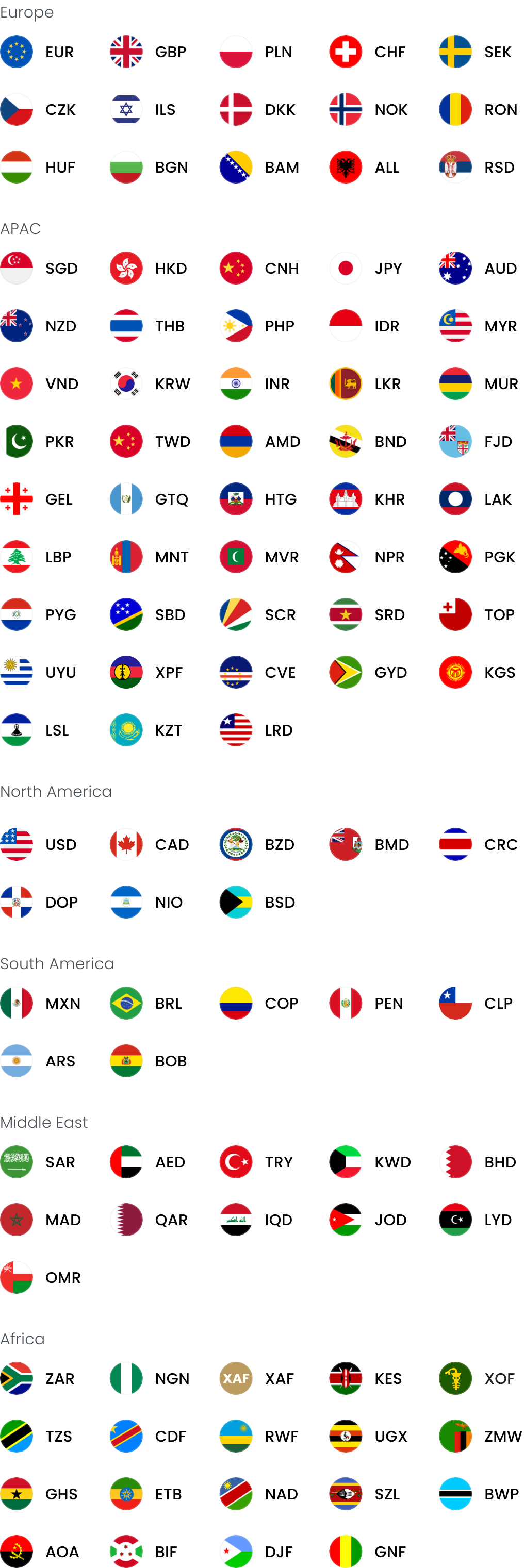
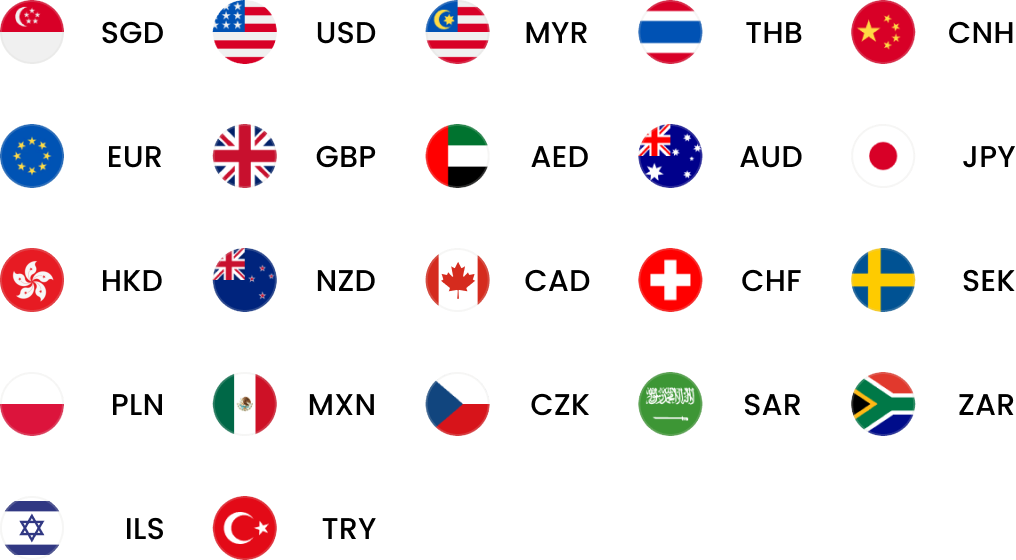
- Local receiving accounts in 22 currencies, including SGD, USD, GBP, EUR, JPY, AUD, HKD and others. Add each currency’s account details to your Amazon seller accounts as payout destinations.
- Collect Amazon payouts in the original currency rather than converting to SGD on arrival. Hold the balance and convert only when it suits you.
- Send payments in 100+ currencies to 200+ countries and regions, useful for paying overseas suppliers, freight forwarders and contractors in their preferred currency.
- The World Card, a Mastercard-powered business debit card that supports payments in 150+ currencies, with zero FX fees on 15 supported currencies (when sufficient balance is held). Up to 20 virtual cards at no additional cost for team spending and expense allocation.
- World Pay for 1688.com, the authorised international payment provider for 1688.com, useful for Singapore sellers sourcing from Chinese wholesalers.
- Forward contracts for locking in exchange rates on future currency conversions.
- Xero and NetSuite integrations for multi-currency reconciliation.
→ Explore the top e-commerce platforms in Singapore alongside Amazon to compare your marketplace options.
This article is intended for informational purposes only and does not constitute legal advice or professional advice. This article should not be regarded as constituting an offer or a solicitation to buy or sell any regulated or financial products or services. WorldFirst makes no representations or warranties regarding the accuracy, completeness, or applicability of the content, and readers are encouraged to consult with legal professionals or other professionals for advice tailored to their specific situation. WorldFirst does not guarantee the accuracy and completeness of this article and expressly disclaims any and all liability to any person in respect of the consequences of anything done or omitted to be done wholly or partly in reliance on this article.

![Trust card review [2027]: Features, fees and more](https://mdn.marmot-cloud.com/worldfirst/sites/9/2026/10/20261020214810193-300x200.webp)
![HSBC business account review [2026] Singapore: Features, fees and more](https://mdn.marmot-cloud.com/worldfirst/sites/9/2026/10/20261020213428771-300x200.webp)

![Revolut Business Card review Singapore [2027]: Features, fees & more](https://mdn.marmot-cloud.com/worldfirst/sites/9/2026/09/20261001002258848-300x200.webp)