



























Thinking of starting a dropshipping business in Singapore? Here is what to know about the legal requirements, finding suppliers, taxes, and managing international supplier payments
Key takeaways
- Dropshipping is legal in Singapore as long as the business is registered with ACRA, complies with consumer protection laws, and meets tax obligations including GST registration once turnover exceeds S$1 million
- Singapore has few local dropshipping suppliers, so most sellers source from overseas marketplaces like AliExpress, Alibaba, and CJdropshipping
- Competition from Shopee, Lazada, Qoo10, and TikTok Shop is significant, and Singaporean shoppers are generally price-sensitive and quick to compare across platforms
- Profit margins in dropshipping tend to be tight, so managing FX costs on supplier payments and platform fees on customer payouts matters from day one
- The World Account by WorldFirst lets Singapore dropshippers collect from international marketplaces and pay overseas suppliers in their local currency, with forward contracts available to lock in supplier-payment rates
Dropshipping is one of the lowest-barrier ways to start an e-commerce business in Singapore. There’s no warehouse to rent and no upfront capital tied up in stock that might not sell. You list products, a customer places an order, and the supplier ships directly to them. The margin sits in the gap between what you charge and what the supplier charges you.
The catch is that the same low barrier applies to everyone else. Singapore’s e-commerce market is small geographically but crowded with established platforms, fast-shipping marketplaces, and price-aware shoppers.
Most dropshipping suppliers aren’t based in Singapore, which means longer shipping times and FX cost on every supplier payment. This guide walks through what’s involved in setting up a dropshipping business in Singapore, the legal and tax requirements, the realities of finding suppliers, and how to manage payments without leaving margin on the table.
Is dropshipping legal in Singapore?
Yes. There are no laws in Singapore that prohibit dropshipping as a business model. What matters is that the business operates within the standard regulatory framework that applies to any Singapore-based retail business.
Here are the core requirements:
- Register the business with ACRA: The Accounting and Corporate Regulatory Authority oversees business registration in Singapore. Most dropshipping businesses register as a sole proprietorship (lower cost, simpler structure) or a private limited company (better liability protection, more credible for B2B partnerships)
- Comply with Singapore’s consumer protection laws: Product descriptions must be accurate, return and refund policies must be honoured, and false advertising is prohibited under the Consumer Protection (Fair Trading) Act
- Register for GST once turnover exceeds S$1 million annually: Below that threshold, GST registration is optional. Once over, the business must charge GST on Singapore sales and file returns with IRAS (the Inland Revenue Authority of Singapore)
- Check product-specific regulations: Some products require import licences or certifications. Cosmetics, supplements, electronics, and certain food categories have additional requirements. Verify against the relevant agency before listing
How dropshipping works in Singapore
Here’s how dropshipping works in Singapore
- A customer places an order on your website at the listed price
- You receive the payment, minus your platform’s payment processing fee
- You forward the order to your supplier and pay them at the wholesale price
- The supplier ships the product directly to the customer
- You keep the difference as gross margin, before deducting platform fees and FX costs on the supplier payment
How to set up a dropshipping business in Singapore
The setup runs in five practical stages.
1. Pick a niche and validate demand
Avoid broad categories like “home goods” or “fashion.” Look for specific niches with clear customer profiles: eco-friendly pet products, ergonomic workspace accessories, Korean skincare for a specific skin concern. Test demand using free tools like Google Trends and keyword research before committing.
2. Find suppliers
Most Singapore dropshippers source from overseas. The main options:
- AliExpress: Best for beginners. Lower minimum orders, integrations with Shopify, large product range
- Alibaba: Wholesale prices, but minimum order quantities apply. Better for sellers who want private-label products or larger inventory commitments
- CJdropshipping, Spocket: Platform-based supplier networks that integrate with Shopify and offer faster shipping options from regional warehouses
- Direct supplier outreach: For specialised niches, contacting manufacturers directly via LinkedIn or trade shows can yield better pricing and exclusivity
Make sure to vet every supplier before listing their products. Place a test order, check shipping times, and review product quality.
3. Register the business
Register with ACRA online through BizFile+. The charges for the registration depends on the type of business you want to register.
4. Build the store
Shopify is the most common platform for Singapore dropshippers, with WooCommerce as a self-hosted alternative. Both integrate with most supplier platforms and payment gateways used in Singapore, including Stripe, PayPal, and HitPay.
5. Set up payments and FX
The payment workflow has two sides:
- Customer payments come in through the storefront’s payment gateway, typically settling to a Singapore business account in SGD
- Supplier payments go out in the supplier’s currency, usually USD or CNH
The gap between the two is where FX cost lives and where you get your actual profit margins.
How WorldFirst supports dropshipping payments
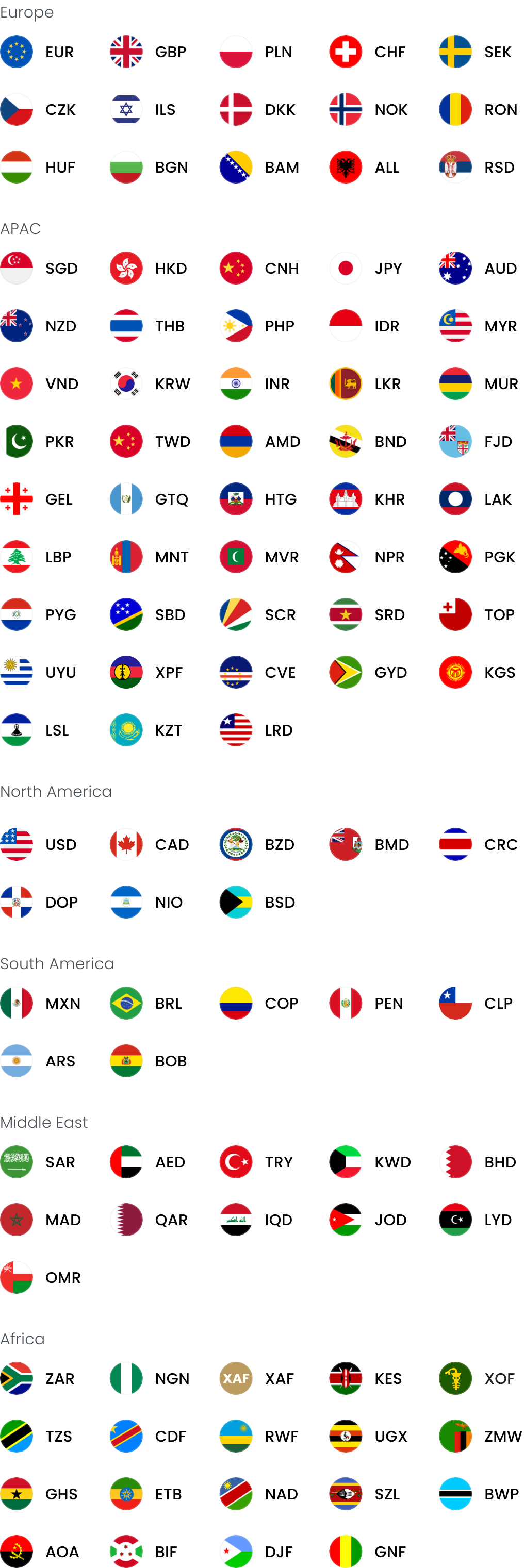
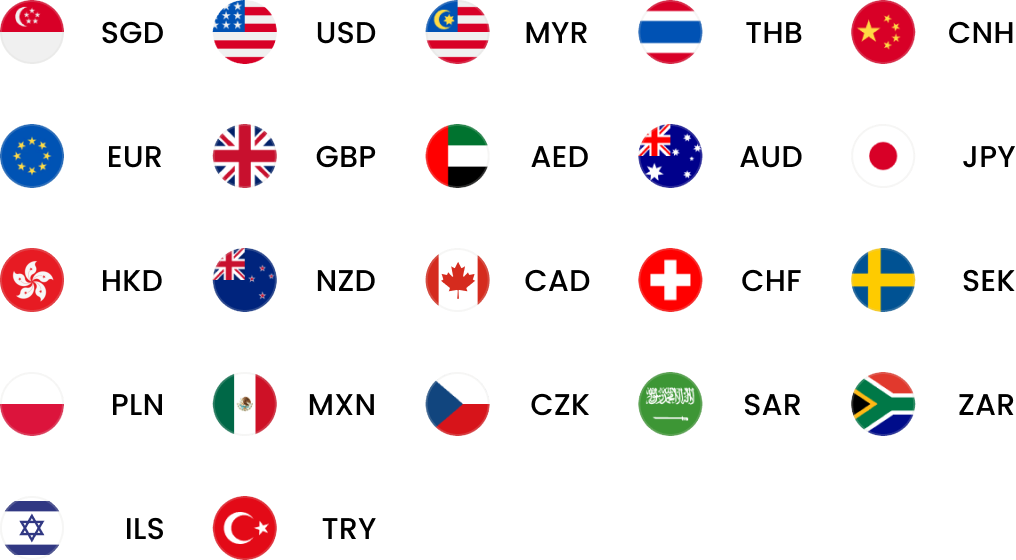
The World Account by WorldFirst is a multi-currency account that lets Singapore businesses hold balances in 20+ currencies, including SGD, USD, EUR, GBP and CNH. For dropshippers, it changes the FX equation in three ways:
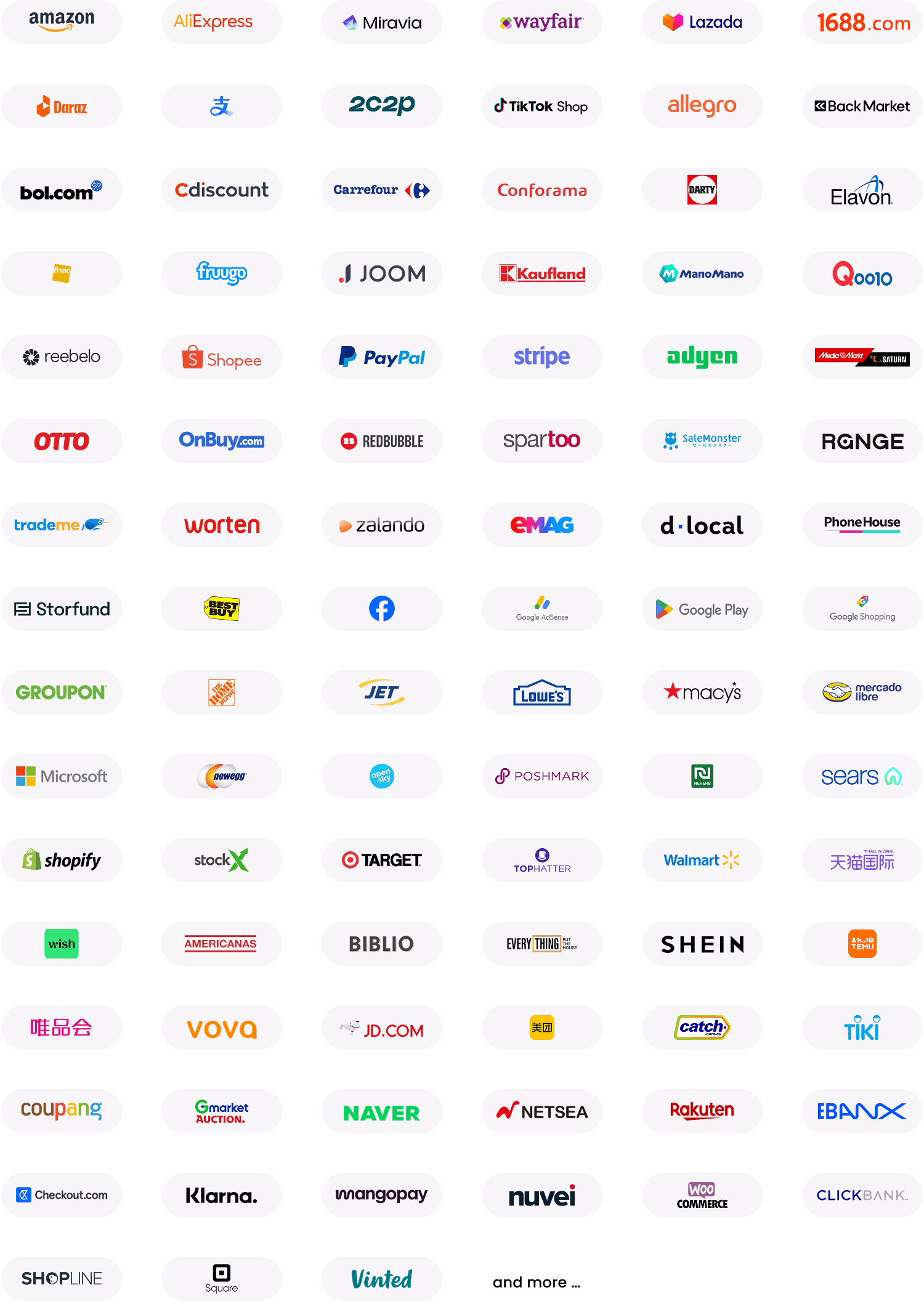
- Collect from marketplaces and gateways in the original currency. Add World Account local currency details to Shopify Payments, Stripe, Amazon, or any of 130+ supported marketplaces and gateways. Funds settle in the currency the customer paid in, not auto-converted to SGD
- Pay suppliers in their preferred currency: Hold USD or CNH and pay suppliers directly from those balances, For Chinese suppliers on 1688.com, World Pay, the authorised international payment provider for 1688.com, helps businesses handles the supplier payment in CNH without needing a Chinese bank account
- Lock in supplier-payment rates with forward contracts. For dropshippers with predictable supplier payments, a forward contract through WorldFirst locks exchange rates for a specific period
The World Account also includes the World Card, a Mastercard-powered virtual payment card that draws from World Account balances. Up to 20 cards can be issued from a single account at no extra cost, with no fees when paying in any of the 15 supported currencies, with sufficient balance held in that currency. The World Account also supports payments in 100+ currencies across 200+ countries and regions
Cashback is available on eligible World Card spending. Terms and Conditions Apply.
FAQ
How do I find dropshipping suppliers in Singapore?
Most Singapore dropshippers source from overseas platforms like AliExpress, Alibaba, CJdropshipping, Spocket, and Zendrop. For specific niches, direct manufacturer outreach via LinkedIn or trade shows can also work.
Do I need to pay GST on dropshipping income in Singapore?
GST registration becomes mandatory once annual turnover exceeds S$1 million. Below that threshold, registration is optional. Income tax applies regardless of GST status, with rates depending on the business structure (sole proprietorship versus private limited company).
This article is intended for informational purposes only and does not constitute legal advice or professional advice. This article should not be regarded as constituting an offer or a solicitation to buy or sell any regulated or financial products or services. WorldFirst makes no representations or warranties regarding the accuracy, completeness, or applicability of the content, and readers are encouraged to consult with legal professionals or other professionals for advice tailored to their specific situation. WorldFirst does not guarantee the accuracy and completeness of this article and expressly disclaims any and all liability to any person in respect of the consequences of anything done or omitted to be done wholly or partly in reliance on this article.

![Revolut Business Card review Singapore [2027]: Features, fees & more](https://mdn.marmot-cloud.com/worldfirst/sites/9/2026/09/20261001002258848-300x200.webp)