




























Take a look at how Singapore SMEs source from China, from vetting suppliers and choosing shipping modes to clearing customs and paying the GST at the border
Key takeaways
- Singapore charges 9% GST on the CIF value (cost + insurance + freight) of goods imported from China
- Most goods carry 0% customs duty, but the GST alone can significantly change your landed cost
- Shipping mode can make a lot of difference too. Courier and air freight are faster but pricier; sea freight (LCL or FCL) is cheaper for larger volumes but takes longer
- A multi-currency account like the World Account lets Singapore businesses hold CNH balances and send payments directly to Chinese suppliers and shipping partners
Singapore SMEs across e-commerce, manufacturing, retail and wholesale often source from China to keep products at a viable price point. The process runs through a consistent sequence: finding a supplier, agreeing terms, arranging shipping, clearing Singapore customs and paying the 9% GST that applies at the border.
Freight, insurance, GST, customs clearance fees and last-mile delivery all add to the final figure, and mistakes at any stage (wrong HS code, wrong Incoterm, wrong shipping mode) can wipe out the savings on the goods themselves.
This guide covers each stage of the import process, from vetting suppliers to arranging supplier payments through a multi-currency account.
Step 1: Find and vet Chinese suppliers
Where to find suppliers: The main starting points are the major Chinese B2B marketplaces: 1688.com (Alibaba’s domestic Chinese wholesale platform) and Alibaba.com (its international-facing marketplace). Each lists thousands of suppliers with details on factory capabilities, product ranges, minimum order quantities and buyer reviews.
Verify the supplier before ordering: Check business licence records, request samples before placing bulk orders, look for third-party verification badges on marketplaces, and read buyer reviews carefully. For larger orders, consider hiring a third-party inspection service to visit the factory or inspect goods before shipping.
Send to a business bank account only: Established Chinese suppliers operate through registered business bank accounts. If a supplier asks for payment to a personal account, that’s a red flag worth investigating before you commit funds.
Step 2: Classify your goods with the correct HS code
Every product imported into Singapore needs a Harmonised System (HS) code on the customs declaration. Singapore classifies imports under the 8-digit ASEAN Harmonised Tariff Nomenclature. The HS code determines the duty rate (usually 0% since Singapore is a free port), whether the goods are controlled, and whether any specific import conditions apply.
Step 3: Meet Singapore’s import requirements
Singapore has a clear set of import requirements administered by Singapore Customs. If you’re a first-time importer, work through these before your first shipment.
1. Register your business with ACRA
Register your business with the Accounting and Corporate Regulatory Authority (ACRA) to trade in Singapore. Once registered, you’ll receive a Unique Entity Number (UEN), which acts as your business identification number for all customs and tax transactions.
2. Activate your Customs Account
Activate your Singapore Customs Account through the Singapore Customs website. This account is where you’ll manage permits, duties and any customs-related interactions.
3. Check if your goods are controlled
Some goods (medicines, telecom equipment, certain foods and cosmetics, air conditioners, washing machines, fireworks and 30+ other categories) are classified as controlled goods and require approval from the relevant Competent Authority before import. Check the Singapore Customs website for the full list and the relevant authority for each category.
4. Set up an Inter-Bank GIRO (IBG)
An IBG account is required for paying GST, duties and any customs charges directly to Singapore Customs. The IBG application takes 3 to 4 weeks to approve. If you’re using a declaring agent to handle customs on your behalf, they may pay through their own IBG and bill you separately.
5. Apply for security (for dutiable goods)
For dutiable goods (alcohol, tobacco, petroleum, motor vehicles), you’ll need to furnish security to Singapore Customs. Common forms include banker’s guarantees and insurance bonds.
6. Obtain import permits through TradeNet
Every commercial shipment needs an import permit filed through TradeNet, Singapore’s national single-window trade platform. You can register as a declaring agent yourself, or appoint a freight forwarder or customs broker to file on your behalf. Each permit costs S$2.88 excluding any agent fees.
7. Prepare cargo clearance documents
Standard documents for every shipment include:
- Commercial invoice
- Packing list
- Bill of lading (sea freight) or air waybill (air freight)
- Certificate of origin
- Import permit
- Import licence if applicable (for controlled goods)
Singapore Customs requires importers to keep these documents for at least five years after the permit approval.
Step 5: Choose your shipping mode
Shipping mode is one of the biggest cost decisions in the whole import process. Match the mode to your volume, urgency and product value.
| Mode | Best for | Transit time | Relative cost |
| Courier (DHL, FedEx, UPS) | Samples, small parcels | 3 to 5 days | Highest per kg |
| Air freight | Urgent or high-value cargo | 5 to 7 days | High per kg |
| Sea LCL (Less than Container Load) | Small to mid volumes | 10 to 14 days | Low per unit |
| Sea FCL (Full Container Load) | Large or regular volumes | 10 to 14 days | Lowest per unit |
- Courier is fastest and simplest for samples or small orders, but per-kilogram costs are high. Ideal for testing a supplier before a bigger commitment.
- Air freight works well for urgent restocks, perishables or high-value items where speed pays for itself. It’s priced on chargeable weight (whichever is greater between actual weight and volumetric weight), which can catch out first-time shippers who assume they’re paying by actual weight only.
- Sea LCL consolidates your goods with other shipments in a shared container. Cheaper than air per unit, but adds handling time at both ends for consolidation and deconsolidation.
- Sea FCL moves an entire container as one sealed unit. Best for larger orders (typically 6+ pallets in a 20ft container, 12+ pallets in a 40ft container). Lowest per-unit cost and fewer handling touchpoints, which reduces damage risk.
Pay Chinese suppliers, shipping partners and freight forwarders through WorldFirst
Once you’ve found your supplier, agreed the terms and arranged shipping, you still need to pay for the whole thing. Paying Chinese suppliers, shipping partners and freight forwarders in their local currency (CNH for Chinese suppliers, or USD for international freight forwarders) typically works out cheaper than sending SGD through a standard bank wire and having it converted at the other end.
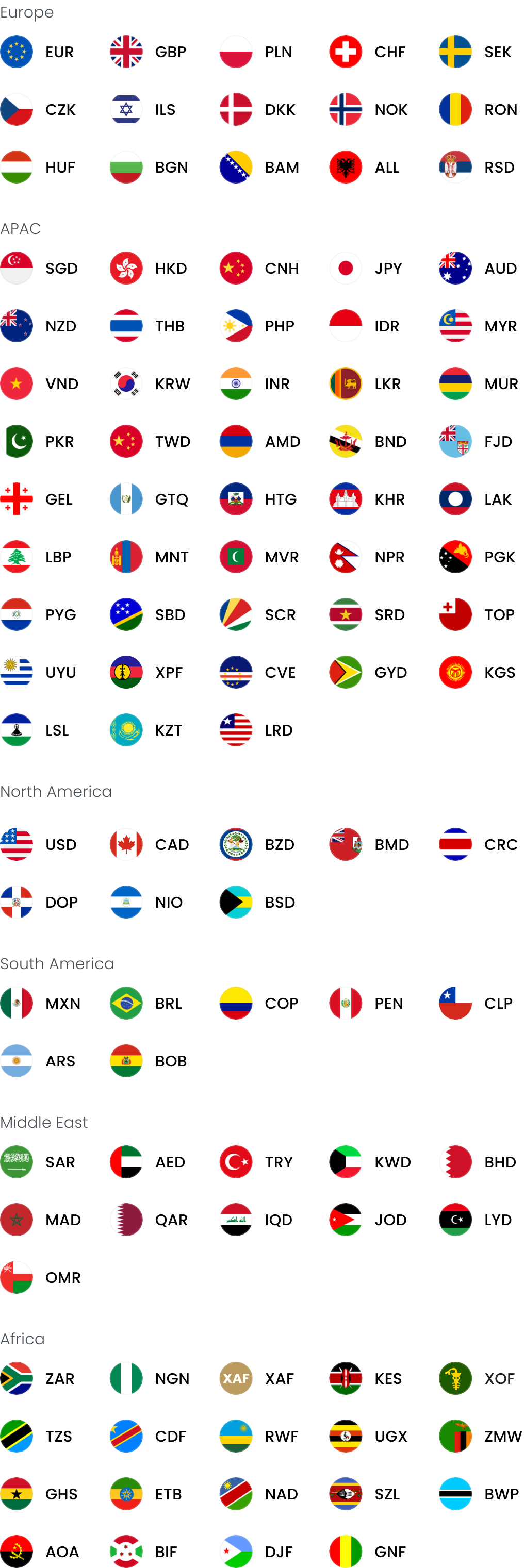
The World Account is a multi-currency account from WorldFirst that lets Singapore businesses hold CNH, USD and 20+ other currencies, then send payments directly to Chinese suppliers, shipping partners and freight forwarders in the right currency.
World Pay, the authorised international payment provider for 1688.com, supports direct payment to 1688 suppliers from your World Account.
Disclaimer: The information contained is general only and largely our views. Before acting on the information you should consider whether it is appropriate for you, in light of your objectives, financial situation or needs. Although information has been obtained from and is based upon multiple sources the author believes to be reliable, we do not guarantee its accuracy and it may be incomplete or condensed. All opinions, estimates, mentioned products/services and referenced material constitute the author’s own judgement as of the date of the briefing and are subject to change without notice. WorldFirst shall not be responsible for any losses or damages arising from your reliance of such information.

![Trust card review [2027]: Features, fees and more](https://mdn.marmot-cloud.com/worldfirst/sites/9/2026/10/20261020214810193-300x200.webp)
![HSBC business account review [2026] Singapore: Features, fees and more](https://mdn.marmot-cloud.com/worldfirst/sites/9/2026/10/20261020213428771-300x200.webp)

![Revolut Business Card review Singapore [2027]: Features, fees & more](https://mdn.marmot-cloud.com/worldfirst/sites/9/2026/09/20261001002258848-300x200.webp)