




























In the heart of Southeast Asia, Malaysia offers a strategic location, strong economic growth and a genuinely welcoming business environment. If you’re a Singaporean business looking to expand internationally, Malaysia is one of the most natural places to start.
But while the opportunities are plentiful, scaling across the border comes with real costs and challenges too. You’ll have regulation and tax rules to navigate, and you’ll face the costs of currency exchange and making international payments.
In this article, we share the opportunities, the costs, and practical strategies for making your international expansion into Malaysia a success. We’ll also introduce you to the World Account, our multi-currency account that makes it simpler and more affordable to scale globally.
We cover:
- The opportunities of scaling into Malaysia as a Singaporean business
- The challenges and costs of doing business in Malaysia
- Practical strategies for expanding into Malaysia
- How WorldFirst’s multi-currency account supports your growth
Growing abroad and need support with cross-border business payments? Open a multi-currency account with WorldFirst and save on international transactions and FX costs.
Key takeaways
- Malaysia’s economy is forecast to grow 4.0% to 4.5% in 2026, and the new Johor-Singapore Special Economic Zone, agreed in January 2025, is opening up faster cross-border connectivity specifically for Singaporean businesses.
- Singapore remained Malaysia’s largest source of foreign direct investment in 2025, ahead of Hong Kong and China, reflecting how established this corridor already is.
- Malaysia’s standard corporate tax rate is 24%, though qualifying SMEs get a tiered rate of 15% on the first RM150,000 of chargeable income and 17% up to RM600,000.
- Malaysia’s e-commerce GMV is projected to reach $16 billion by 2025 and $25 billion by 2030, making it one of Southeast Asia’s fastest-growing digital markets.
- A multi-currency account like WorldFirst’s World Account lets you hold and pay in MYR and SGD from one platform, cutting the cost and delay of managing separate local bank accounts, and WorldFirst now holds its own Bank Negara Malaysia licence to support the market directly.
The opportunities of scaling into Malaysia as a Singaporean business
There are three key reasons Malaysia stands out for Singaporean businesses looking to scale internationally: it’s genuinely business-friendly, it has a tech-savvy population, and it’s a diverse, fast-growing economy.
Malaysia is one of the more business-friendly markets in the region
Malaysia has consistently ranked well for ease of doing business. In its final edition before the World Bank discontinued the report in 2021 following data integrity concerns, the 2020 Doing Business report placed Malaysia 12th globally out of 190 economies. The World Bank has since replaced it with a new “Business Ready” assessment, but Malaysia’s underlying strengths that drove that ranking, including efficient business registration and strong protection for minority investors, remain largely intact.
Like Singapore, Malaysia is a founding member of ASEAN, and the two countries have a genuinely deep economic relationship. Singapore was Malaysia’s largest single source of foreign direct investment in 2025, ahead of Hong Kong and China, part of a record MYR 53.46 billion in total FDI inflows for the year. English is also widely used alongside Malay in business contexts, which lowers the usual friction of expanding into a new market.
A new special economic zone is lowering the barrier further
One development worth knowing about specifically if you’re a Singaporean business is the Johor-Singapore Special Economic Zone (JS-SEZ), agreed by both governments in January 2025. The JS-SEZ is designed to improve cross-border goods connectivity, ease the movement of people, and strengthen the business ecosystem across the Johor-Singapore corridor, and it’s already becoming a magnet for Singaporean investment into southern Malaysia. If your expansion plan involves any physical presence near the border, it’s worth researching the specific incentives available under the JS-SEZ before you commit to a location.
Malaysia has an extremely tech-savvy population
Malaysia’s digital economy has become a genuine engine of growth. The government has targeted digital activity reaching 25.5% of GDP, up from around 23% a couple of years ago, and Malaysian consumers are increasingly comfortable with online shopping and tech-driven services. According to a joint Deloitte and WorldFirst report on digital trade, Malaysia’s e-commerce gross merchandise value is projected to reach $16 billion by 2025 and $25 billion by 2030, positioning it as a high-potential market for digital-first businesses expanding from Singapore.
Malaysia is a diverse, high-growth economy
Malaysia’s GDP growth is forecast at 4.0% to 4.5% in 2026, supported by semiconductors, renewable energy and professional services, continuing a run of strong fundamentals over the past decade. ASEAN as a whole, the trade bloc that includes Malaysia, Thailand, Vietnam, Indonesia and six other countries, is projected by some estimates to become the world’s fourth largest economy by 2050.
One of Malaysia’s particular strengths is its diversity. Alongside the modern business hubs of Kuala Lumpur and Penang, full of entrepreneurs and international students, you’ll find rural regions rich in opportunities across agriculture and manufacturing.
What are the costs and challenges of doing business in Malaysia?
Malaysia has plenty of opportunities for Singaporean businesses looking to grow, but there are always costs to plan for when scaling across a border. Here are some of the main ones to prepare for.
Set-up fees and licensing
You’ll have basic costs to get established in Malaysia, including registration fees, legal bills and the cost of any licences you need. E-commerce brands, for example, typically need a business licence from the Suruhanjaya Syarikat Malaysia (SSM), Malaysia’s Companies Commission.
Business overheads and taxation
Rents for offices or shop space are generally reasonable, particularly outside busy centres like Kuala Lumpur, and wages for skilled workers tend to be lower than in Singapore without a compromise on quality.
On tax, Malaysia’s standard corporate tax rate is 24%. Qualifying SMEs, generally those with paid-up ordinary share capital of RM2.5 million or less, benefit from a tiered structure instead: 15% on the first RM150,000 of chargeable income and 17% on the portion up to RM600,000, with the standard 24% rate applying above that. Budget 2026 also introduced some changes worth knowing about if you’re setting up now, including a rise in the service tax from 6% to 8% across a wider range of services, and an expanded digital service tax that now covers more cross-border software and e-commerce transactions.
Digital tools and international marketing
You’ll also need to budget for digital tools and marketing, including technology and services like high-speed internet, cybersecurity, cloud computing and digital marketing campaigns. Digital marketing tailored to local audiences can be genuinely cost-effective, but it requires a real understanding of local consumers to land well. Using a local marketing agency or consultant adds cost on top of your media spend, but can help you navigate the market more effectively while you build that understanding yourself.
International transactions and currency exchange
Whenever you’re doing business internationally, you need to manage different currencies. Many businesses do this by opening a local bank account in each country they operate in, but that adds cost, admin and an extra layer of hassle to managing the business.
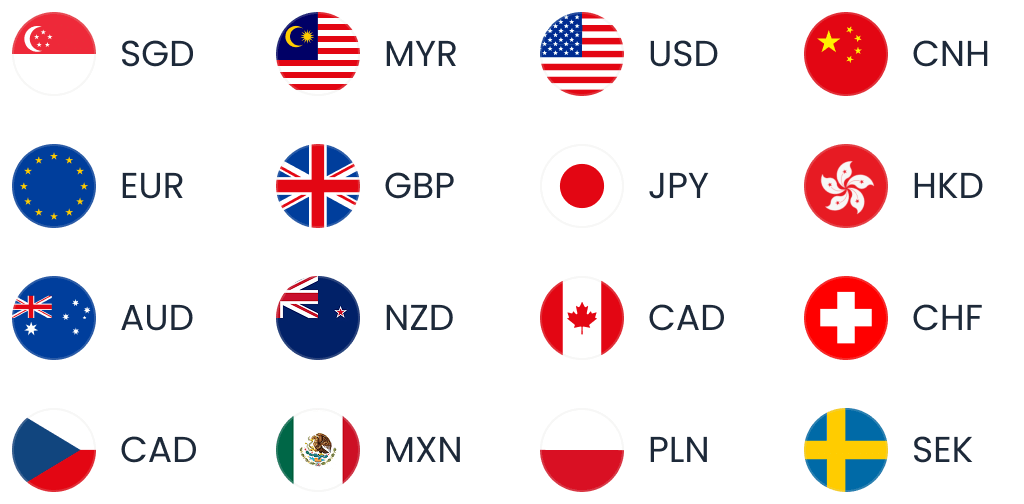
While we can’t reduce all of these costs, at WorldFirst we can help manage the burden of making international payments. With a World Account, you can hold funds in 20+ currencies, including Malaysian ringgit (MYR) and Singapore dollar (SGD), helping you save on conversion fees and pay local suppliers more quickly. Find out more below.
Practical strategies for expanding into Malaysia
Here’s our advice for any Singaporean business looking to set up in Malaysia successfully.
Leverage established online marketplaces if you’re an e-commerce business
Selling on marketplaces like Lazada, Shopee or TikTok Shop can significantly reduce the setup costs associated with a physical store or local entity, while giving you access to a large base of consumers already comfortable buying online. You’ll still need to think carefully about pricing strategy to stay competitive once you’re on a shared marketplace alongside local sellers.
Decide whether to partner locally or set up your own entity
Partnering with a local company can be a strategic way into the market, letting you draw on their existing knowledge, networks and systems from day one. Setting up your own branch or subsidiary in Malaysia gives you complete control over your operations instead, though it typically requires more upfront investment in exchange for direct market access and full control.
Build personal relationships to support your expansion
Malaysia has real cultural similarities to Singapore, but there are subtle differences in business etiquette that can affect how quickly you build trust. There’s a strong emphasis on respect and hierarchy, and communication is often more polite and indirect than Singaporean businesses may be used to.
Personal relationships matter here. It can take several meetings and social gatherings to build the trust needed before finalising an agreement, so factor that timeline into your expansion plan rather than expecting a fast close.
Make the most of Malaysia’s trade agreements
The ASEAN Free Trade Area (AFTA) lets regional members reduce tariffs between each other, which can translate into lower costs when exporting goods into Malaysia and make your products more competitive on price.
Malaysia is also part of the Comprehensive and Progressive Agreement for Trans-Pacific Partnership (CPTPP) and the Regional Comprehensive Economic Partnership (RCEP), both of which reduce trade costs and streamline operations by aligning regulations across member countries. Together, these agreements give foreign companies more stable trade conditions and better protection for investments and intellectual property, on top of whatever specific incentives apply under the JS-SEZ if you’re setting up in Johor.
Use a multi-currency business account for faster, lower-cost transactions
Fast, reliable payments matter in Malaysia, especially for international transactions, and a slick payment process genuinely helps build trust with suppliers and partners. A multi-currency account like WorldFirst’s World Account lets you hold, convert, pay and receive in different currencies from one place, so you can speed up transactions and cut down on constant currency conversion.
How WorldFirst’s multi-currency account supports your growth into Malaysia
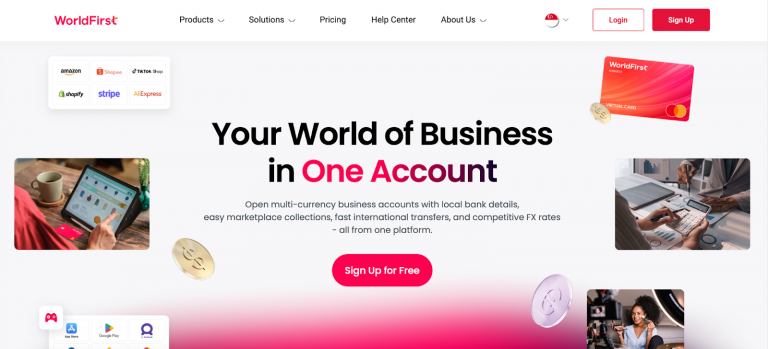
At WorldFirst, our mission is to give global businesses simple, secure cross-border payments. If you’re a Singaporean business expanding into Malaysia, our payment solutions can help you save on the cost of cross-border transactions, and we now hold our own Bank Negara Malaysia Class A Money Services Business licence, strengthening our ability to support businesses expanding into and out of the Malaysian market directly.
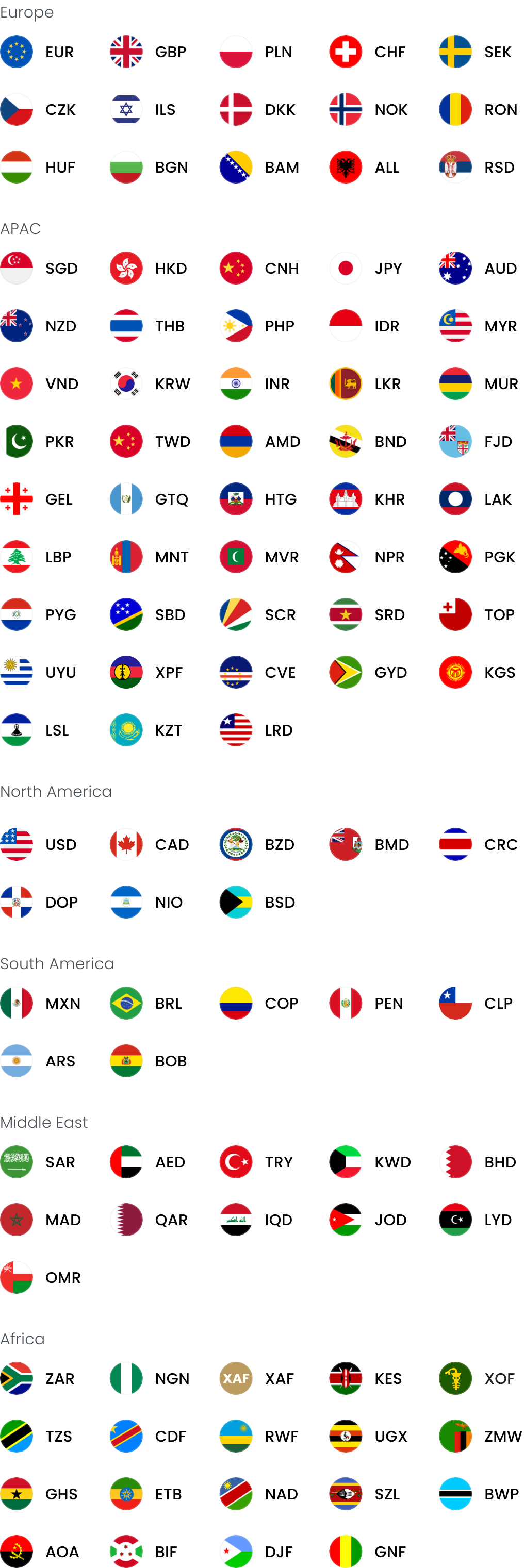
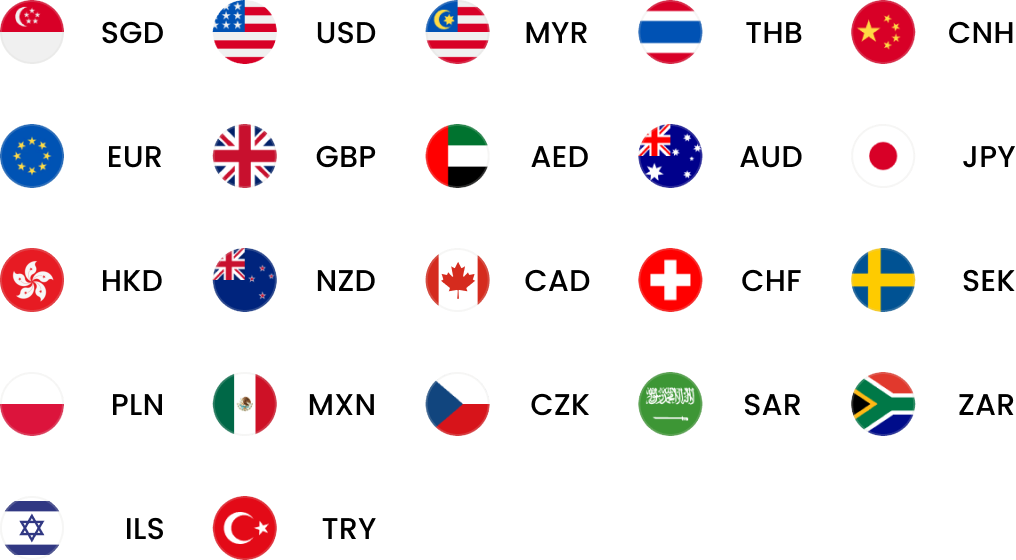
With a World Account, you can create currency accounts in 20+ currencies, including MYR and SGD, and make payments in 100+ currencies. Here’s how that plays out in practice.
Receive and hold SGD, MYR and 20+ currencies in one platform
One of the biggest hassles of doing business across borders is typically needing a separate local bank account in each country you operate in, which brings its own maintenance fees and high costs when moving money between accounts.
With a World Account, you create currency accounts in 20+ currencies, including SGD, MYR and major currencies like USD and EUR, and manage them all from a single digital platform. Each currency account comes with local account details, so you can use local payment networks rather than relying on international transfers, which can take several days to settle. That means you can pay your Malaysian suppliers faster, in their local currency, and when you want to move money back to Singapore, you simply transfer between your own currency accounts at competitive exchange rates, without transaction fees.
Make payments in 100+ currencies at competitive FX rates
While you can hold funds in 20+ currencies, you can make payments in over 100. Wherever you’re doing business and whoever you’re paying, WorldFirst helps you do it affordably, with three ways to convert currency depending on what suits your situation:
- Spot contracts for an instant conversion at the live market rate, the fastest way to convert when you need funds moving right away.
- Forward contracts to lock in an exchange rate for up to 24 months, giving you predictable cash flow on recurring payments.
- Firm orders that let you set a target rate and have the conversion execute automatically, 24/7, without needing to watch the market yourself.
For example, if you have suppliers in China alongside your Malaysian operations, you could use a forward contract to lock in a rate from SGD or MYR to CNH, so you know exactly what your supplier payments will cost for up to the next two years.
Connect to 130+ marketplaces and payment gateways
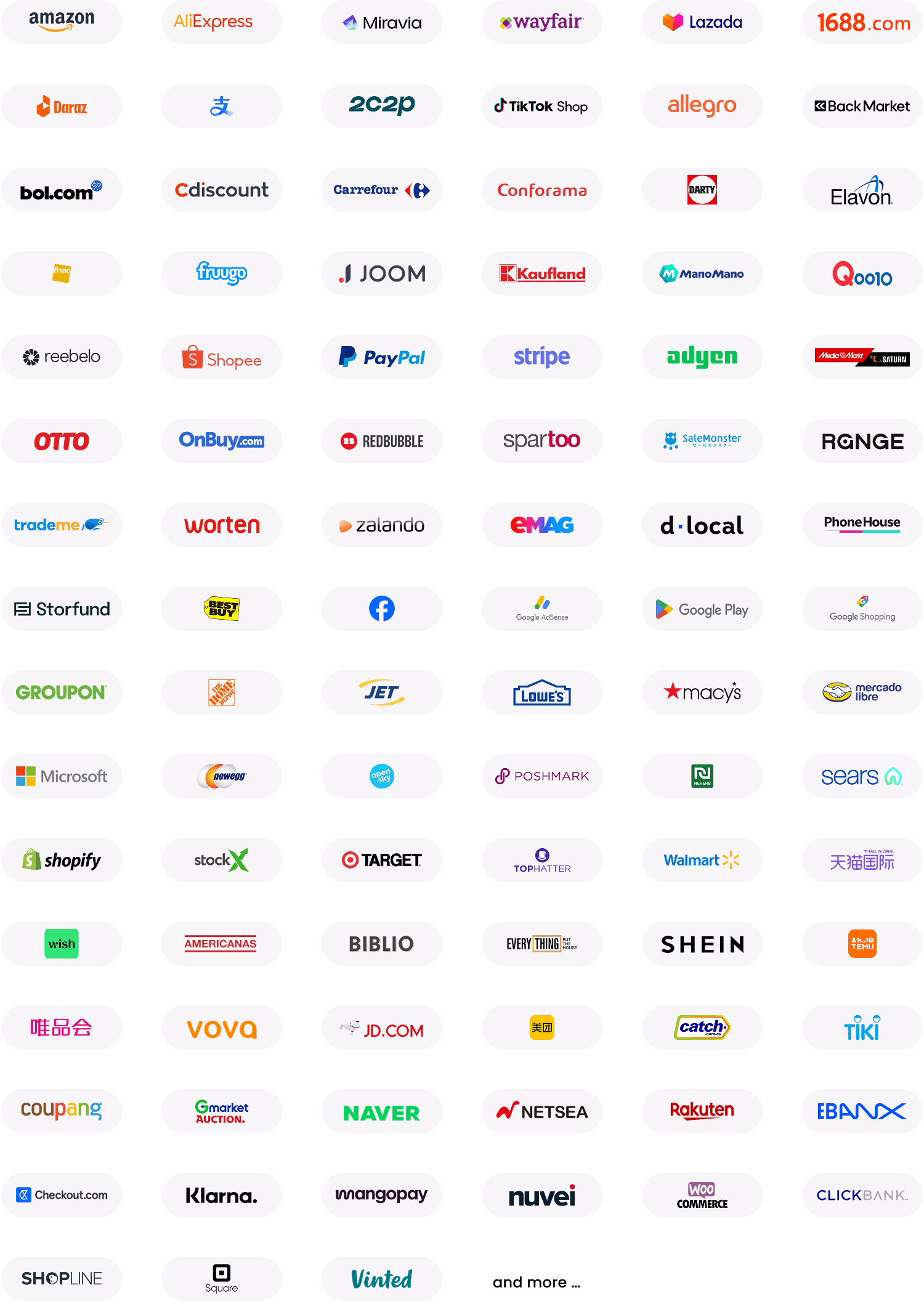
Alongside our currency exchange and payment tools, we offer specific solutions for e-commerce brands too. If you’re a digital business selling across borders, you can connect your World Account to 130+ marketplaces, including Amazon, Shopee, Etsy and TikTok Shop, and download an ownership verification letter instantly whenever a marketplace needs proof of your bank details.
We’re also the official international payment partner for 1688.com, China’s leading wholesale sourcing platform. Simply connect your World Account to your 1688 account to pay suppliers instantly, without needing a Chinese bank account.
Ready to grow your business in Malaysia?
We’ve covered some of the opportunities, costs and strategies for scaling into Malaysia as a Singaporean business. If you want to grow internationally while keeping a lid on cross-border payment costs, a multi-currency account is one of the more straightforward ways to do it. The World Account can help you save on international transactions and FX costs, while making it easier to sell across e-commerce marketplaces at the same time.
Open a World Account today and see how it works.
FAQs
1. Do I need a local entity in Malaysia to do business there?
Not necessarily. You can partner with a local company to enter the market using their existing networks, or set up your own branch or subsidiary for full control. Many Singaporean e-commerce businesses also start by selling through marketplaces like Lazada, Shopee or TikTok Shop, which reduces the need for a physical or legal presence at the outset.
2. What licence do I need to sell e-commerce products in Malaysia?
E-commerce brands generally need a business licence from the Suruhanjaya Syarikat Malaysia (SSM), Malaysia’s Companies Commission, alongside any sector-specific permits relevant to what you’re selling.
3. How much is corporate tax in Malaysia?
The standard corporate tax rate is 24%. Qualifying SMEs with paid-up ordinary share capital of RM2.5 million or less benefit from a tiered rate instead: 15% on the first RM150,000 of chargeable income and 17% on the portion up to RM600,000, with the standard rate applying above that threshold.
4. Do I need a Malaysian bank account to pay local suppliers?
Not with a multi-currency account. A World Account gives you local MYR account details without needing to open a bank account with a Malaysian bank, letting you pay suppliers through local payment rails instead of a slower international transfer.
5. What trade agreements benefit businesses expanding into Malaysia?
Malaysia is a member of the ASEAN Free Trade Area (AFTA), the CPTPP and RCEP, all of which reduce tariffs and align regulations across member countries. Singaporean businesses setting up in Johor may also benefit from specific incentives under the Johor-Singapore Special Economic Zone, agreed in January 2025.
6. What’s the biggest cultural difference to be aware of when doing business in Malaysia?
Malaysian business culture places a strong emphasis on respect, hierarchy and indirect communication compared with Singapore. Building trust often takes several meetings and social interactions before a deal is finalised, so it’s worth planning for a longer relationship-building phase than you might expect.

![Trust card review [2027]: Features, fees and more](https://mdn.marmot-cloud.com/worldfirst/sites/9/2026/10/20261020214810193-300x200.webp)
![HSBC business account review [2026] Singapore: Features, fees and more](https://mdn.marmot-cloud.com/worldfirst/sites/9/2026/10/20261020213428771-300x200.webp)

![Revolut Business Card review Singapore [2027]: Features, fees & more](https://mdn.marmot-cloud.com/worldfirst/sites/9/2026/09/20261001002258848-300x200.webp)