




























Home > Wire transfers: A guide to payments for global businesses
Wire transfers: A guide to payments for global businesses
Last update:


A wire transfer is an electronic method of moving money between bank accounts or financial institutions. You can use wire transfers to send funds domestically within one country or internationally across borders.
For decades, wire transfers have been the default option for businesses making large or overseas payments. They’re widely accepted and generally secure. But they also come with trade-offs, including high fees, slow processing times and unfavourable exchange rates that can quietly eat into your margins.
In this guide, we’ll break down what you need to know about wire transfers so you can decide whether they’re the right option for your business – or whether a modern alternative could help you transfer money more efficiently.
We’ll also introduce WorldFirst, a global payments platform designed to help businesses send, receive and manage international payments with less friction than traditional bank wire transfers.
We’ll cover:
- Types of wire transfers: Domestic vs international
- Wire transfer costs and fees: What you’ll actually pay
- Wire transfer speed: How long transfers take
- When you should use wire transfers
- Why businesses choose WorldFirst over traditional bank wire transfers
Open a World Account for free today to make faster, more affordable international payments.
Types of wire transfers: Domestic vs international
Wire transfers generally fall into two categories: domestic and international. While they work in similar ways, the experience – and cost – can be different.
- Domestic wire transfers move money between banks within the same country. In many cases, they occur in real time and settle on the same day if the transfer is initiated before the bank’s cut-off time (often around 5 p.m.). These transfers use national payment networks, such as CHAPS in the UK.
- International wire transfers, on the other hand, move money across borders. They usually involve currency conversion, additional compliance checks and one or more intermediary banks. As a result, they’re slower and often more expensive.
Most international wire transfers rely on the SWIFT network, which connects over 11,500 financial institutions across more than 200 countries and territories. While SWIFT offers global reach, payments often pass through multiple correspondent banks before reaching the recipient, adding time, cost and uncertainty along the way.
Read more: Bank wire vs bank transfer: Which one should your business use?
Wire transfer costs and fees: What you'll actually pay
One of the biggest challenges with wire transfers is understanding their true cost. Fees are rarely limited to a single charge, with many deducted along the way.
Common costs associated with wire transfers include:
- Outgoing (sending) fees: Most sending banks charge a fee to initiate a wire transfer. These apply to both domestic and international transfers, but are typically higher for international payments
- Incoming (receiving) fees: The recipient’s bank may also charge a fee to receive the wire. This is often deducted directly from the transferred amount, meaning your recipient could receive less than you intended to send
- Intermediary or correspondent bank fees: International wire transfers often pass through one or more intermediary banks. Each intermediary may deduct its own processing fee, and these charges are not always disclosed upfront
- Exchange rate markups: If the transfer involves currency conversion, banks commonly apply a markup to the exchange rate rather than using the mid-market rate. These foreign exchange markups are often one of the largest – and least visible – costs, especially for higher-value payments
Because wire transfer fees are spread across multiple parties, it can be difficult to estimate the final cost of wiring money in advance. Once sending fees, intermediary charges, receiving fees and exchange rate markups are added together, international wire transfers can end up costing far more than expected.
Read more: What’s the best way to transfer large sums of money internationally?
Wire transfer speed: How long transfers take
Wire transfer processing times vary dramatically depending on whether you’re sending domestically or internationally.
- Domestic wire transfers typically arrive the same day if sent before the bank’s cut-off time, though funds may not be immediately available depending on the receiving bank’s policies
- International wire transfers are slower. Payments can take up to six business days to arrive, largely because they have to go through multiple banks, compliance checks and time zones. Weekends and public holidays can add further delays.
For businesses managing cash flow, inventory or supplier relationships, these delays can quickly become a problem.
Read more: How to make same-day international money transfers as a cross-border business
When you should use wire transfers
Despite their drawbacks, wire transfers still have a place in certain situations. Wire transfers can make sense when:
- You’re sending large or high-value payments, especially domestically. Wires are often used for high-value transactions where reliability and an established banking relationship matter more than convenience
- Security and traceability are a priority. Wire transfers move through established banking networks and provide a clear audit trail, which can be reassuring when working with new partners
- You need global reach. Bank wires are widely accepted worldwide, including in regions where alternative payment methods aren’t always available
That said, wire transfers aren’t always the most efficient choice, especially for businesses making frequent international payments.
Over time, the cost and relatively slow speed of wire payments can drain funds, complicate cash flow planning and create issues with overseas partners. That’s why many businesses look for alternatives that offer faster money transfers, clearer pricing and better control over exchange rates – without losing global reach.
Read more: What’s the best way to send money overseas? 7 top options for businesses
Why businesses choose WorldFirst over traditional bank wire transfers
WorldFirst was created to solve the everyday pain points businesses run into when making international business payments, such as high fees, slow settlement times and poor currency exchange rates.
Our World Account is a multi-currency account designed specifically for international businesses. With a World Account, you can manage currencies, pay suppliers and move money globally from a single platform that uses local payment networks wherever possible.
Here are some of the main reasons businesses switch from traditional bank wire transfers to WorldFirst.
Faster, more cost-effective international payments
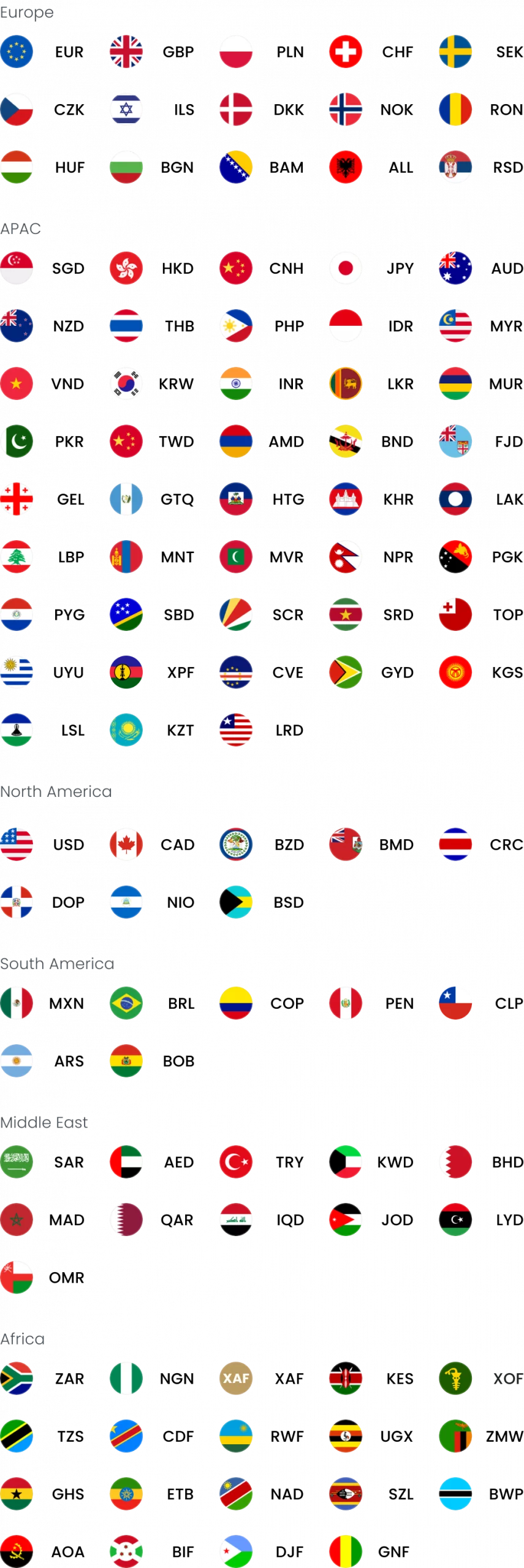
With WorldFirst, you can make payments in 100+ currencies to 210+ countries and territories.
By using local payment rails instead of relying solely on SWIFT, our international payments are processed much faster. In around 90% of cases, funds arrive the same day rather than taking several business days.
You can even send up to 200 payments at once with our batch payment feature. That means no more processing individual wire transfers when you need to pay several suppliers or partners simultaneously.
Pricing is also transparent. Exchange rates are clearly shown upfront, with FX fees capped at 0.5% for major currencies. Payments over $5,000 are fee-free. This helps you avoid hidden markups and unpredictable deductions that are common with bank wire transfers.
Read more: How to send international payments: 6 options for businesses
A multi-currency account that gives you control over conversions
Traditional wire transfers usually force you to convert to the foreign currency at the time of payment – often at whatever rate your bank offers that day.
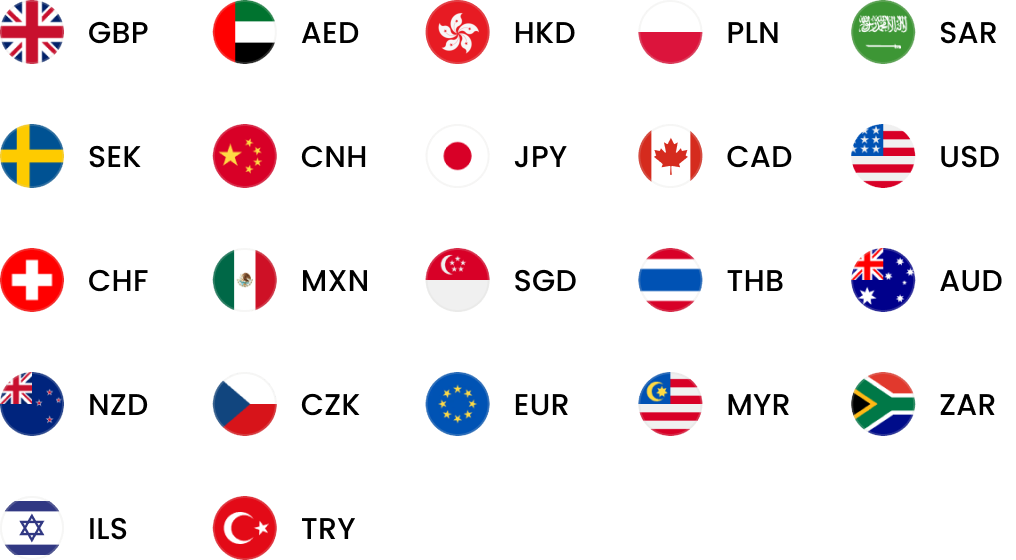
With a World Account, you can hold funds in 20+ currencies, choose when to convert and pay suppliers in their preferred currency when the timing makes sense. Tools like forward contracts and firm orders help you manage currency risk and plan ahead, rather than scrambling after exchange rate swings.
There are also no monthly account fees or charges for holding funds. You only pay when you move money. And when you’re paying another World Account holder, transfers are instant and free, eliminating wire transfer costs for those transactions.
Read more: How to choose a multi-currency business account (+ 6 options)
Additional benefits for businesses paying suppliers in China
If your business sources from and pays Chinese suppliers, WorldFirst offers advantages that traditional wire transfers can’t match.
Over 150,000 Chinese suppliers already use WorldFirst, which means payments between your business and their WorldFirst accounts are instant and fee-free. This eliminates the delays and unpredictability of SWIFT transfers to China, which can sometimes take up to 10 business days to clear.
WorldFirst also supports direct USD payments to banks in China and Hong Kong through local banking partnerships, helping you reduce delays and complexity when paying suppliers that don’t have WorldFirst accounts.
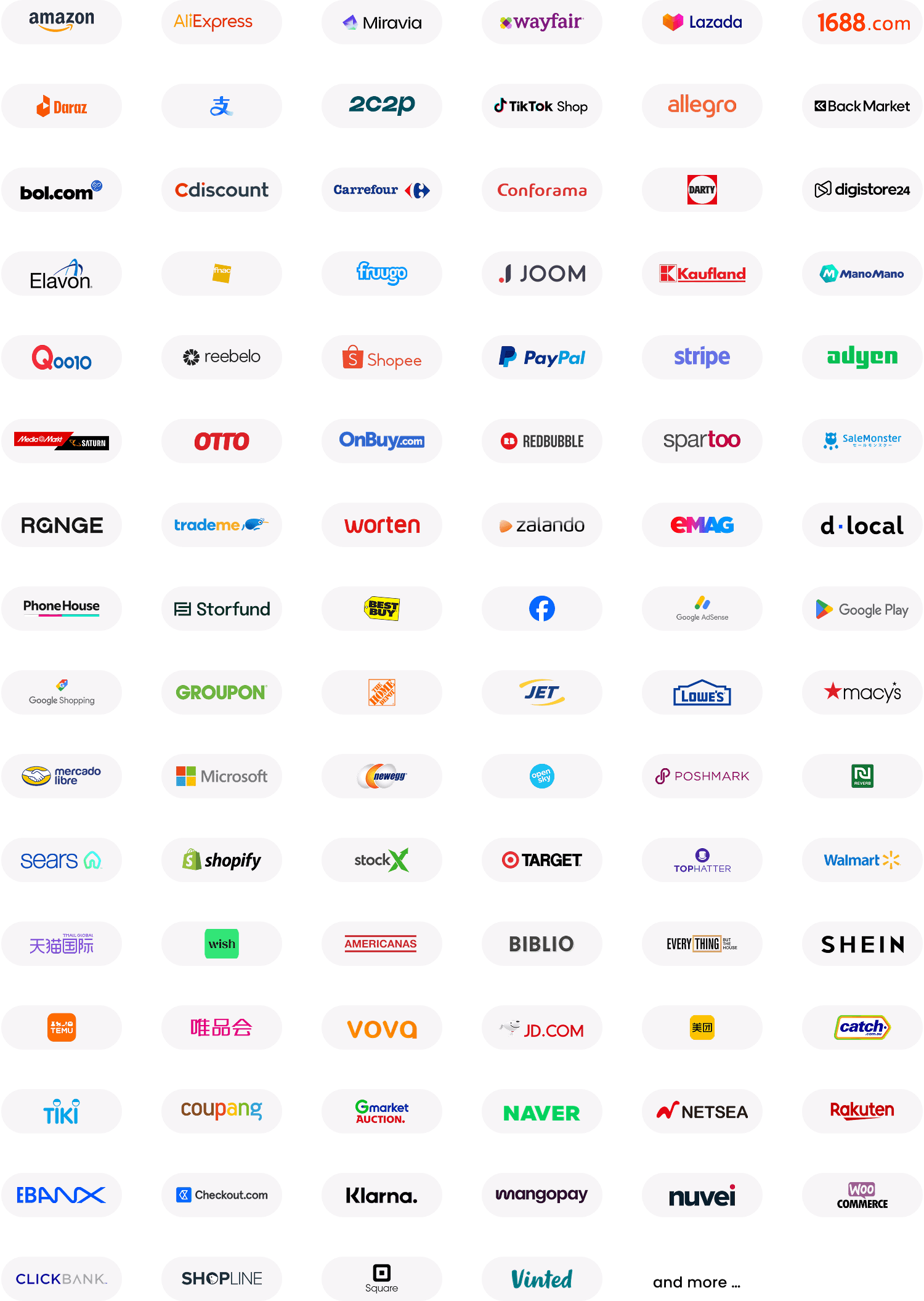
On top of that, WorldFirst is the only account provider with direct integration into 1688.com, China’s leading wholesale marketplace with over 10 million suppliers. This integration lets you pay suppliers directly and instantly through the marketplace, without relying on manual wire transfers or third-party workarounds that can add days to your procurement process.
Tools built for day-to-day international operations
Beyond individual payments, WorldFirst offers features designed for businesses that operate globally.
Our direct integrations with major marketplaces and payment gateways mean you can receive money directly into your World Account in the local currency instead of waiting for marketplace payouts to arrive via wire transfer.
We also integrate with accounting tools like Xero and NetSuite. This streamlines reconciliation by automatically syncing transaction data, eliminating the manual work of matching wire transfer confirmations with your accounting records.
Meanwhile, team access and permissions make it easy to manage who can send payments, set approval workflows and maintain financial controls.
WorldFirst makes transferring money easier
Wire transfers remain a reliable way to move money, particularly for large or one-off payments. But for businesses making frequent international transfers, the fees and delays can quickly become a drag on cash flow and operations.
If you’re regularly paying suppliers overseas, managing multiple currencies or sourcing from markets like China, WorldFirst can make a real difference. You get faster payments, clearer pricing and more control over how and when you move money – all without sacrificing global reach.
Ready to move beyond traditional bank wires? Register for a World Account for free.
Shawn Ma leads business development at WorldFirst UK, with a deep expertise in fintech, risk management and cross-border commerce.

Shawn Ma
Author
Continue reading


Subscribe
The Weekly Dispatch
Get the latest news and event invites. Signup for our weekly update from the worlds of fashion, design, and tech.