

























Selling your products on Amazon connects you to a marketplace few businesses could reach on their own. Amazon drew more than 2.6 billion visits a month in 2025 and generated close to $717 billion in net sales worldwide, and independent sellers on the platform average well over $290,000 in annual US sales. If you want to sell on Amazon but aren’t sure where to start, this guide walks through everything you need to know, from choosing the right plan to listing your first product.
Key takeaways
- Amazon organises global selling into four regions: the Americas, Europe, Asia-Pacific, and the Middle East and North Africa. A single account can cover several countries in the Americas and Europe, while other regions need country-specific registration.
- The Individual plan costs £0.75 per item sold with no monthly fee; the Professional plan costs £25 a month (excluding VAT) with no per-item charge and includes access to the Buy Box and advertising, which the Individual plan doesn’t offer.
- Registering as a Professional seller typically takes Amazon around 10 working days to verify, though incomplete documentation can extend this, so respond quickly to any follow-up requests.
- You’ll need a currency account with local bank details for each Amazon region you sell in. A multi-currency account can remove the need to open a separate local bank account in every country.
- Every product needs a valid identifier (UPC, EAN, ISBN or a GTIN exemption) and, if you’re building a brand, registering with Amazon Brand Registry adds meaningful IP protection and unlocks tools like A+ Content.
Why register to sell on Amazon?
An easy way to get an e-commerce business off the ground quickly is to sell through an established marketplace with a large existing customer base, rather than building traffic to a new site from scratch. Amazon organises its marketplaces into four regions:
- Americas
- Europe
- Middle East and North Africa
- Asia-Pacific
Account structure varies by region. In the Americas, a single North America and Brazil unified account lets you reach customers on Amazon.com, Amazon.ca, Amazon.com.mx and Amazon.com.br. In Europe, one Europe account gives you access to Amazon’s storefronts in the UK, Germany, France, Italy, Spain, the Netherlands, Poland, Sweden, Belgium and Turkey, with Amazon citing a combined reach across 28 European countries through its logistics network.
The Middle East and North Africa, and Asia-Pacific, work differently. These use standalone, country-specific accounts rather than a single regional login. In the Middle East and North Africa, that means separate registration for the United Arab Emirates, Saudi Arabia and Egypt. In Asia-Pacific, Australia, India and Japan each need their own account, and Amazon also runs dedicated seller sites for Singapore, Vietnam, Thailand, Taiwan and South Korea. Amazon has continued expanding this footprint too, with South Africa launching in 2024 and Ireland following in 2025, so it’s worth checking Amazon’s current Global Selling page before you commit to a specific market, since new marketplaces open periodically.
How to register and choose the right selling plan
New sellers register as either an Individual or a Professional seller, and separately choose whether to register as an individual (signing up in your own name, often as a sole trader) or as a company (registering under your business name, for example an LLC or a UK limited company).
Individual plan. You can sell up to 35 items a month, but you can’t run advertising. Amazon charges £0.75 (excluding VAT) for every item sold on this plan, on top of the standard referral fee, both taken from the card you register with. There’s no cost to register and no monthly commitment, which makes it a low-risk way to test a product before committing further.
Professional plan. Whether you’re a sole trader or an incorporated company, the Professional plan removes the limit on how many products you can sell and lets you advertise. It costs a flat £25 a month (excluding VAT) in the UK, regardless of sales volume, and includes access to inventory management tools, API integrations and onsite advertising and promotional support. Just as importantly, Professional sellers are eligible for the Buy Box, the default “Add to Basket” button on a shared listing page, where the large majority of Amazon sales happen. Individual sellers aren’t included in the Buy Box by default, which puts their listings at a real visibility disadvantage once a category gets competitive. As a rule of thumb, once you’re consistently selling more than around 34 items a month, the Professional plan works out cheaper as well as unlocking more tools.
Registering for a Professional plan: what you’ll need
Before you start, gather the following:
- A valid government-issued ID or passport
- A recent bank account or credit card statement
- Your company details
- A valid credit card
- A mobile number
Head to Amazon Seller Central and select “Sign up.” If you already have an Amazon shopping account, suited to individual sellers, you can log in with your registered mobile number or email. If you’ve set up a new company, it’s best to register with a fresh email and password rather than reusing a personal account, since Amazon restricts sellers from holding multiple accounts, particularly once a phone number has already been verified. Amazon will allow a second account where there’s a clearly distinct business purpose, for example selling a different product category or a separate brand.
Once you’re signed in, Amazon will ask you to verify your identity with ID documents and a face scan. If you’re registering as a company, you’ll also need your business name, registered address and any shareholder information. If you’re not the beneficial owner of the business, you’ll need authorisation from a company director before you can complete registration.
Amazon will then ask for a valid credit card to take payments, after which you can choose your store name and select product identifiers for your catalogue. You’ll also need to submit a tax classification, using a W-8 form if you’re a US taxpayer or a W-9 form if you’re not, to establish tax residency for the income you earn on the platform. If your business income is reported on your personal tax return, select “individual” and enter your residential details. If it’s reported through a company tax return, select “business” and enter your full company name, country of incorporation and registered VAT address instead.
Verification typically takes around 10 working days. If you haven’t heard back after that, log in to Seller Central and request an account status update from the help section. Keep an eye on your email throughout, since Amazon may request additional documentation, and you’ll usually need to upload it within 30 days to avoid delaying your application further.
Set up and link your business bank account with Amazon
Amazon needs your business bank account details to pay you. You’ll find a list of approved traditional banks and payment service providers (PSPs) that sellers can use in Seller Central, and you’ll need a currency account with local bank details before you register, for example a local USD account if you’re selling on Amazon’s American marketplaces.
Rather than opening a separate account with a local bank in every country you sell in, you can open a World Account with WorldFirst instead. WorldFirst is a certified participant in Amazon’s Payment Service Provider Programme, which means your marketplace payouts land directly into your World Account in their original currency, USD from Amazon.com, EUR from Amazon.de, and so on, without Amazon converting them for you first. That matters more than it might sound: receiving a foreign-currency payout directly into a GBP account typically triggers an automatic conversion at 2% to 3% above the mid-market rate, and holding the payout in its original currency until you choose to convert can meaningfully reduce that cost over time.
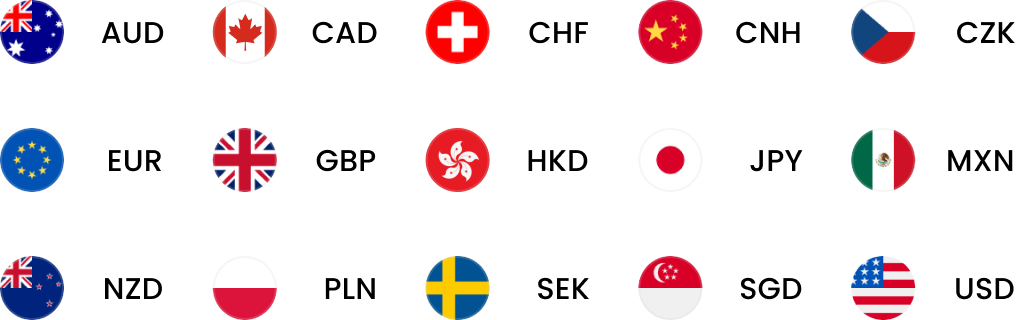
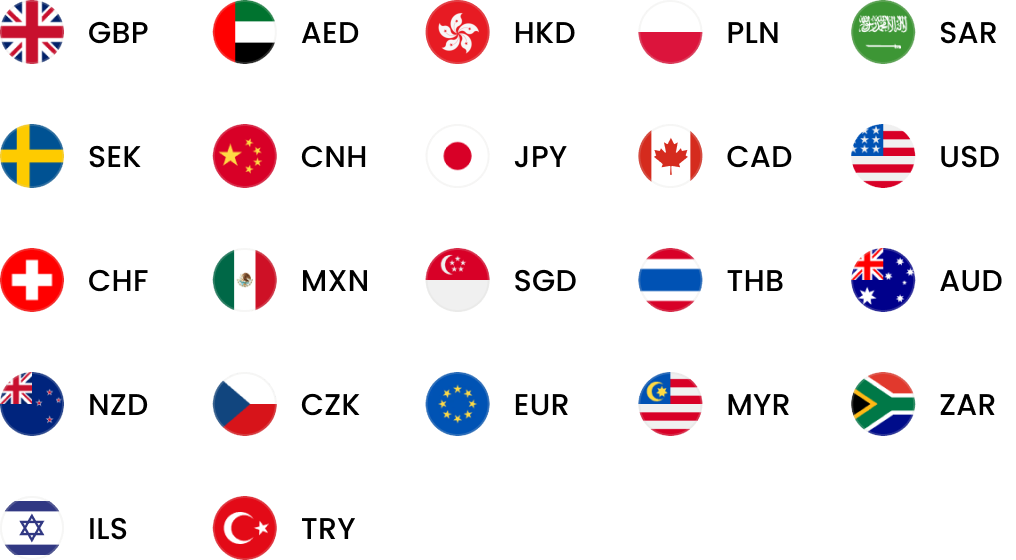
A World Account lets you receive payments quickly, just like a local seller, in 20+ major currencies, and it connects to more than 130 marketplaces and payment gateways worldwide, including PayPal and Shopify, alongside Amazon. There’s no fee to open an account and no ongoing account management charge. WorldFirst isn’t a bank; in the UK it’s authorised by the Financial Conduct Authority as an Electronic Money Institution, and customer funds are safeguarded in line with regulatory requirements.
Registering your brand for IP protection
If you’re selling your own branded products, registering your intellectual property with Amazon Brand Registry is worth doing early. You’ll need a registered or pending trademark to apply. Once approved, customers can search directly for your brand, and you get meaningfully stronger protection if another seller tries to infringe on your listings or hijack your product pages, alongside access to tools like A+ Content for richer product pages and Amazon Brand Analytics for deeper performance data. Enrolment itself is a straightforward sign-up process, though approval timelines depend on how quickly Amazon can verify your trademark, so it’s worth applying as soon as your trademark filing is in place rather than waiting until launch.
Choosing how you want to fulfil your orders
There are three main ways to fulfil Amazon orders, each with a different balance of cost and control:
- Fulfilment by Amazon (FBA). You ship your products to Amazon’s fulfilment centres, where they’re inspected on arrival before being stored. Once a customer orders, Amazon picks, packs and ships it on your behalf, and Prime members get access to same-day or next-day delivery. Use Amazon’s FBA revenue calculator to check fulfilment and storage fees for your specific products before committing, since these vary by size, weight and time of year. Storage costs in particular rise sharply in the run-up to peak season, so it’s worth reviewing them each autumn rather than assuming last year’s numbers still apply.
- FBA dropshipping. Here, your supplier ships directly to Amazon’s fulfilment centres on your behalf, so you never handle storage yourself. The trade-off is a loss of control over product quality, packaging and shipping standards, which can translate into refunds and negative reviews if your supplier doesn’t deliver consistently.
- Merchant fulfilment (FBM). You ship orders to customers yourself once they come in. This avoids FBA’s storage and fulfilment fees, which suits sellers with lower volumes, though customers may see longer delivery windows and any shipping charges you pass on could affect conversion. Sellers who can consistently hit Amazon’s delivery speed and service standards can apply for Seller Fulfilled Prime, which restores Prime eligibility without moving stock into Amazon’s warehouses.
Understand your fees before you price a product
Two fee types apply on every sale regardless of which selling plan or fulfilment method you choose. The referral fee is a percentage of the sale price that Amazon takes on every item, typically between 8% and 15% depending on category, with a minimum referral fee of around £0.25 on most categories. If you use FBA, fulfilment and storage fees are added on top, and Amazon has expanded its reduced-fee tier for lower-priced products, so it’s worth checking whether your items now qualify for lower per-unit fulfilment costs. Pricing without factoring these in is one of the more common reasons new sellers find their margin is thinner than expected once the numbers are run properly, so use Amazon’s fee estimator for any product before you commit to a price or an order size.
List your products and choose your keywords
Once your account is verified, it’s time to list your products. In Seller Central, go to “Inventory” and select “Add a product.” You can search for existing listings by product name, UPC, EAN, ISBN or ASIN (Amazon Standard Identification Number, the unique code Amazon assigns to every product in its catalogue). If you’re dropshipping, you’ll usually find the UPC or EAN on the product’s packaging.
If you’re listing for the first time and need a barcode, certified UPCs and EANs are available from providers like GS1. To create a new listing, enter the product ID, write a title that includes the key features people search for, choose the right category, add your brand name if applicable, and enter the manufacturer. If you’re selling variations of the same product, different colours or sizes of the same t-shirt, for example, add these as variations under one listing rather than as separate products.
From there, add the price, stock quantity, condition and fulfilment method, along with product images and packaging details. Finish with a clear product description, bullet points covering the features you want to highlight, any required legal disclaimers, and a set of accurate keywords so customers can find the listing, taking care not to reference other brands’ trademarks. Tools like Jungle Scout or Amazon’s own Product Opportunity Explorer can help with product research and keyword selection.
It’s worth listing content quality as more than a box-ticking exercise in 2026. Amazon’s shopping assistant, Rufus, and its underlying product knowledge graph increasingly use listing content, not just keywords stuffed into a title, to decide which products to surface for a given customer question, so clear, accurate, well-structured product information does more work than it used to.
New listings typically take up to a day for Amazon to review. Once approved, you’ll be able to see the page exactly as a customer browsing that category would see it.
Turning your first listing into a scalable Amazon business
Getting your first product live is the starting point, not the finish line. The sellers who scale well on Amazon tend to treat pricing, fulfilment costs and currency handling as ongoing decisions rather than one-off setup tasks, revisiting them as volume grows and as Amazon’s own fee structures shift. If you want to explore starting and scaling further, our other guides on WorldFirst cover topics like expanding your business internationally and comparing the top online marketplaces beyond Amazon.
Ready to get paid like a local on every Amazon marketplace you sell on? Open a World Account online in minutes, free to set up, with no ongoing account fees.
FAQs
1. How much does it cost to start selling on Amazon?
There’s no cost to register for the Individual plan, though Amazon charges £0.75 per item sold plus a referral fee. The Professional plan costs £25 a month (excluding VAT) regardless of sales volume, and is generally cheaper once you’re selling more than around 34 items a month, as well as unlocking Buy Box eligibility and advertising.
2. Do I need a company to sell on Amazon?
No. You can register as an individual, often as a sole trader, or as a registered company. Both routes are available on the Individual and Professional plans, though a company registration requires your business name, registered address and shareholder details.
3. What’s the difference between FBA and FBM?
With Fulfilment by Amazon (FBA), Amazon stores, picks, packs and ships your products, and eligible items qualify for Prime delivery. With merchant fulfilment (FBM), you handle storage and shipping yourself, which avoids FBA’s fulfilment and storage fees but generally means slower delivery unless you qualify for Seller Fulfilled Prime.
4. How long does Amazon seller verification take?
Typically around 10 working days, though this can extend if Amazon requests further documentation. Respond quickly to any follow-up requests, since incomplete information is the most common cause of delays.
5. Do I need a local bank account for every Amazon marketplace I sell on?
Not necessarily. A multi-currency account, such as WorldFirst’s World Account, lets you receive marketplace payouts directly in their original currency across 20+ currencies, without opening a separate local bank account in every country you sell in.
6. What is Amazon Brand Registry, and do I need it?
Brand Registry is Amazon’s programme for protecting registered or pending trademarks on the platform. It’s not compulsory, but it’s worth doing if you’re building a private label brand, since it strengthens your protection against listing hijacking and counterfeit sellers, and unlocks tools like A+ Content and Brand Analytics.