





























Home > blog > Global Business Tips > 4 Best alternatives to traditional banks – digital and fintech options (2026)
4 Best alternatives to traditional banks – digital and fintech options (2026)
Last update:


UK businesses that trade internationally are increasingly dissatisfied with legacy banking services.
The survey of 2,250 UK SMEs found that 70% reported overall satisfaction with their main bank. However, half of SMEs report receiving inadequate proactive advice from their bank and 29% plan to switch banks.
This frustration is not limited to fast-growing startups or niche exporters. E-commerce sellers, importers, wholesalers, manufacturers and professional services firms all face the same reality: international payments are now routine, but banking infrastructure has not kept pace.
Expectations on speed, reach and cost control have grown, yet the underlying banking infrastructure has barely evolved.
This guide highlights the digital and fintech alternatives to traditional banks available to UK businesses in 2026.
Key takeaways:
- Traditional banks still work for domestic needs, but struggle with international trade: UK banks remain useful for lending, overdrafts and local payments. Once money crosses borders, businesses often face slower payments, limited currency support and FX costs that are hard to track or control
- Day-to-day friction is pushing businesses to look elsewhere: Late payments, FX volatility, poor digital tools and generic support create real cash flow and operational pressure
- Most businesses add alternatives rather than switching banks outright: UK companies rarely replace their bank. Instead, they layer in specialist fintech solutions to handle international payments, multi-currency balances and FX, while keeping banks for core domestic services
- Different alternatives solve different international pain points: Multi-currency accounts help manage global cash flow, payment platforms improve speed and tracking, marketplace payout tools simplify reconciliation and FX-focused providers offer better control over conversion and risk
- WorldFirst brings these capabilities together in one platform: World Account lets businesses receive, hold, convert and pay in multiple currencies from a single location, helping reduce FX friction, improve visibility and support international growth more efficiently – all without actually being a bank account
Explore how a World Account handles international payments, holds multiple currencies and chooses when to convert.
Why UK businesses are moving away from traditional banks
For many UK businesses, the decision to look beyond traditional banks is driven less by dissatisfaction in principle and more by day-to-day friction.
The most common pressure points include:
- Late payments and cash flow pressure: Nearly 90% of UK firms report overdue receivables, often 4–5 weeks late. SMEs face the biggest pain, as delays compromise cash flow
- Volatile FX and hidden costs: Over half of trading SMEs say currency swings have hit profits. One survey found 54% lost money to FX volatility (an average loss of £53,000 each). Such volatility forces many firms to revise FX strategies or hedge more actively. Legacy banks’ FX mark‑ups and fixed fees worsen these losses
- Poor digital services and integration: Firms want banking that seamlessly integrates with their sales and accounting platforms. 27% of SMEs cite technical/integration issues as a barrier to new payment solutions. Many feel their bank’s online tools are clunky and lack automation. This fragmentation leads companies to handle finance tasks manually or use multiple systems, undermining efficiency
- Lack of personalised support: Small business owners increasingly expect services that reflect how their businesses actually operate. In practice, many find bank support impersonal, slow to respond or poorly matched to their growth plans. This gap has pushed more businesses toward alternative providers that offer quicker onboarding, more transparent pricing and flexible self-service tools
These frustrations, confirmed by multiple industry reports, emphasise why UK firms are considering alternatives. A leading payments analysis notes “SMEs regularly use non-bank providers” for foreign business payments: 23% of UK SMEs now handle cross‑border transactions outside their bank (versus only 13% for domestic payments).As economic pressures mount (inflation, Brexit impacts, supply-chain challenges), businesses are less tolerant of rigid bank services.
Key types of alternatives to traditional banks for UK businesses
UK businesses rarely replace their bank overnight. More often, they add a specialist option to remove the friction that shows up in international trade: getting paid in multiple currencies, paying overseas suppliers on time, reconciling across sales channels and keeping FX costs visible.
Below are the main types of alternatives UK businesses use, the problems they solve and when each one makes the most sense:
1. Multi-currency business accounts
A multi-currency business account supports companies that earn, hold and pay in more than one currency. Instead of opening separate bank accounts in every market, you can manage multiple currency balances in one place and use local receiving details where available.
What do they help with:
- Receiving international revenue without forced conversion: If you get paid in US dollars, euros or other currencies, you can often hold those balances and convert when the timing is right, rather than being pushed into an automatic conversion at the point of receipt
- Paying overseas suppliers from matching currency balances: This is especially useful if you buy inventory in USD or EUR and want to avoid converting GBP for each invoice
- Reducing admin: Instead of managing multiple accounts, statements and banking portals, finance teams can centralise cash management and reporting
Best fit for businesses that:
- Pay overseas suppliers regularly
- Sell internationally and get paid in multiple currencies
- Want more control over when currency conversion happens, especially when FX markets move
Why this matters in practice:
Cross-border payments are more complex than domestic payments because they move across different banking systems and often involve currency conversion.
The Bank of England defines cross-border payments as transactions in which the payer and recipient are in separate countries. It explains that businesses can make them through bank transfers, cards and non-bank methods such as e-money wallets.
How the World Account supports international trading businesses
World Account from WorldFirst is a multi-currency business account (not a bank account) designed specifically for UK businesses that need to make international business payments.
It allows businesses to hold and manage funds in multiple currencies, receive payments using local account details in key markets and make international payments from the same platform.
World Account vs a traditional UK business bank account:
| Feature | Traditional UK business bank account | World Account |
| Currency support | Typically GBP-only, with FX applied per transaction | Hold and manage multiple currencies in one account |
| Receiving international payments | Often received via international transfers with added fees | Local receiving details available in key currencies |
| FX conversion | FX usually applied at receipt or payment | Convert when you choose, not automatically |
| Paying overseas suppliers | Payments routed through GBP with conversion each time | Pay directly from matching currency balances |
| Visibility and control | Fragmented across accounts and statements | Centralised view of balances, payments, and FX |
| Built for international trade | Primarily designed for domestic banking | Yes, designed around cross-border activity |
2. Digital payment platforms for international trade
Some platforms focus less on “accounts” and more on moving money across borders efficiently. The value is speed, tracking and predictability.
Traditional cross-border bank transfers often rely on correspondent banking chains. That can introduce delays, extra fees and limited transparency when something goes wrong mid-route. This is a widely recognised friction point across the industry.
What do they help with:
- Faster supplier payments in key corridors: Many platforms route payments through local clearing networks in the destination market rather than sending everything through the traditional correspondent chain
- Better visibility: More consistent tracking and status updates reduce the “Where is the payment?” loop between finance teams and suppliers
- Fewer surprise costs: A clearer fee breakdown helps teams forecast payment costs and avoid small charges that add up over time.
How UK businesses typically use them:
- Alongside a bank account for core UK banking
- Paired with a multi-currency account so you can hold balances and send payments in the same workflow
The Bank of England’s work on access to UK payment systems for non-bank payment service providers highlights how the market has expanded beyond banks, with non-bank PSPs participating in payment infrastructure in different ways.
3. Marketplace and e-commerce payout solutions
If you sell through marketplaces or take online payments internationally, the “getting paid” side can become as important as making payments.
Marketplaces may settle on their own schedule, pay out in specific currencies and apply conversion rules based on your setup. That can create friction when you try to reconcile sales, fees, refunds and payouts across multiple storefronts or regions.
What these solutions help with:
- Local receiving details in key currencies: This can make it easier to collect marketplace payouts in the currency you expect, rather than accepting them in a converted currency by default
- Cleaner reconciliation: A single view of incoming payouts across regions helps finance teams match transactions to orders, fees and settlements
- Cash flow planning: More predictable payout handling reduces the lag between selling and having usable funds
How the World Account supports marketplace payouts
Marketplace payouts can quickly become complex, especially for businesses selling across multiple regions.
Platforms like Amazon calculate sales, fees, refunds and settlements in the local currency of each marketplace, then pay out according to their own schedules and rules. The World Account helps sellers manage this process more clearly.
Instead of forcing payouts through automatic currency conversion, it lets businesses receive marketplace funds using local receiving details and hold them in the original currency. Sellers can then decide when to convert, rather than losing visibility or margin at the payout stage.
This approach helps sellers maintain more transparent oversight of their marketplace revenue by separating:
- Gross sales from marketplace fees and refunds
- The timing and value of each settlement
- The FX impact on revenue, rather than mixing it into sales performance
For businesses selling on multiple Amazon marketplaces or operating international online stores, this setup simplifies reconciliation, improves cash flow planning and reduces unnecessary FX conversions between receiving payouts and paying overseas suppliers.
4. FX-focused fintech providers
Some alternatives specialise primarily in foreign exchange. These options give businesses tighter control over conversion timing, clearer pricing and tools to reduce FX risk, especially when margins are sensitive.
What do they help with:
- More control over conversion timing: Convert when you choose, not automatically when money hits your account
- FX risk management: Depending on the provider and setup, businesses may use tools that support budgeting and risk controls for future payments
- Operational clarity: Better visibility into conversion costs makes it easier to build accurate landed-cost models for inventory and to report on FX impact
Best fit for businesses that:
- Price in one currency but buy in another
- Have recurring supplier invoices in foreign currencies
- Need more precise cost control for international trade
Where traditional banks still make sense and where they fall short
Most UK businesses do not need to “break up” with their bank. They need to be clear about what banks still do well and where international trade exposes the cracks.
What traditional banks still do well
Despite their limitations for international trade, traditional banks still play an important role for many UK businesses:
- Domestic borrowing and working capital: When you need a straightforward overdraft facility or a loan, traditional banks often remain the default route for many businesses. An overdraft gives you an agreed buffer for short-term cash flow swings, which can help cover timing gaps between paying suppliers and getting paid by customers
- Established credit products and longer banking relationships: For businesses that rely on card facilities, credit lines and long-standing bank relationships, banks can still provide stability, familiar processes and access to traditional credit underwriting models
Strong domestic payment rails: UK payment infrastructure serves domestic needs well and business usage continues to shift toward fast, account-to-account payments. In 2024, UK Finance reported that Faster Payments accounted for around 50% of all payments made by UK businesses, overtaking other payment methods as the most used
Where fintech alternatives often outperform banks
Banks can feel less effective once your money routinely crosses borders. That is not a minor issue for trading businesses. It shows up in four practical areas:
- International payments: speed, transparency and predictability. Cross-border payments lag domestic payments in terms of cost, speed, access and transparency and can take several days in some cases. That gap is exactly where many digital platforms focus, by designing payment flows for cross-border movement rather than treating international transfers as a slower extension of domestic banking
- Multi-currency cash flow and currency control: If you earn in one currency and pay in another, a domestic bank account setup can force repeated conversion and make it harder to see where FX costs hit. Multi-currency and trade-focused platforms typically give businesses more control over when to convert and make it easier to match incoming and outgoing currencies
- Clearer fees and better tracking: International trade teams often care less about “features” and more about fewer exceptions: fewer payments stuck in processing, fewer supplier chases band fewer unexpected deductions. Platforms built around cross-border flows prioritise payment status tracking and clearer pricing structures, especially for frequent international payments
Workflows that fit modern finance operations: Businesses increasingly want systems that align with accounting and treasury workflows, rather than forcing manual steps or duplicate entries. This is one reason many businesses use a specialist platform for international activity while keeping a bank for domestic lending and core UK banking
Note on regulation and safeguarding
Not all alternatives are banks. In the UK, many payment and e-money providers operate under the FCA’s regulatory framework for payment institutions and electronic money institutions, with specific safeguarding expectations around customer funds.
For a UK business buyer, the practical takeaway is simple. When assessing an alternative, check:
- Regulatory status and the authority under which the provider operates
- How the provider safeguards funds and where it holds customer money
What protections apply if the provider experiences financial difficulty
Why businesses choose WorldFirst over traditional banks
For many businesses, the choice comes down to control and visibility.
Rather than trying to adapt domestic banking tools to global use cases, WorldFirst focuses on the practical realities of international trade: receiving money in different currencies, paying overseas suppliers on time, managing FX exposure and keeping financial operations simple as volumes grow.
The World Account acts as a central hub for international business activity. It gives UK businesses a way to manage global payments and currencies without the complexity of opening and maintaining multiple overseas bank accounts.
From a single platform, businesses can:
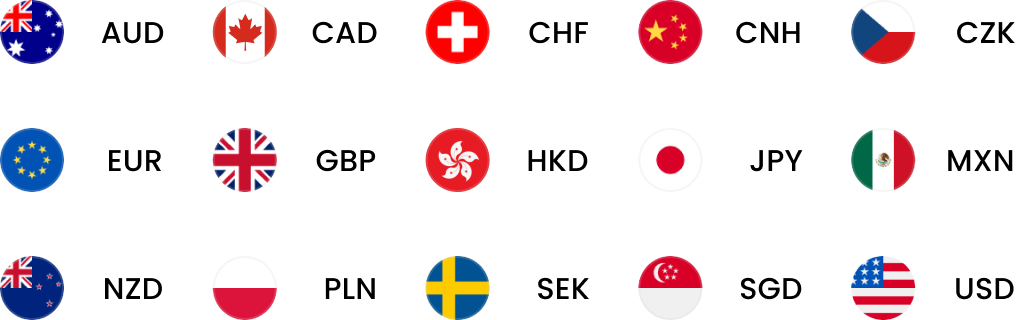
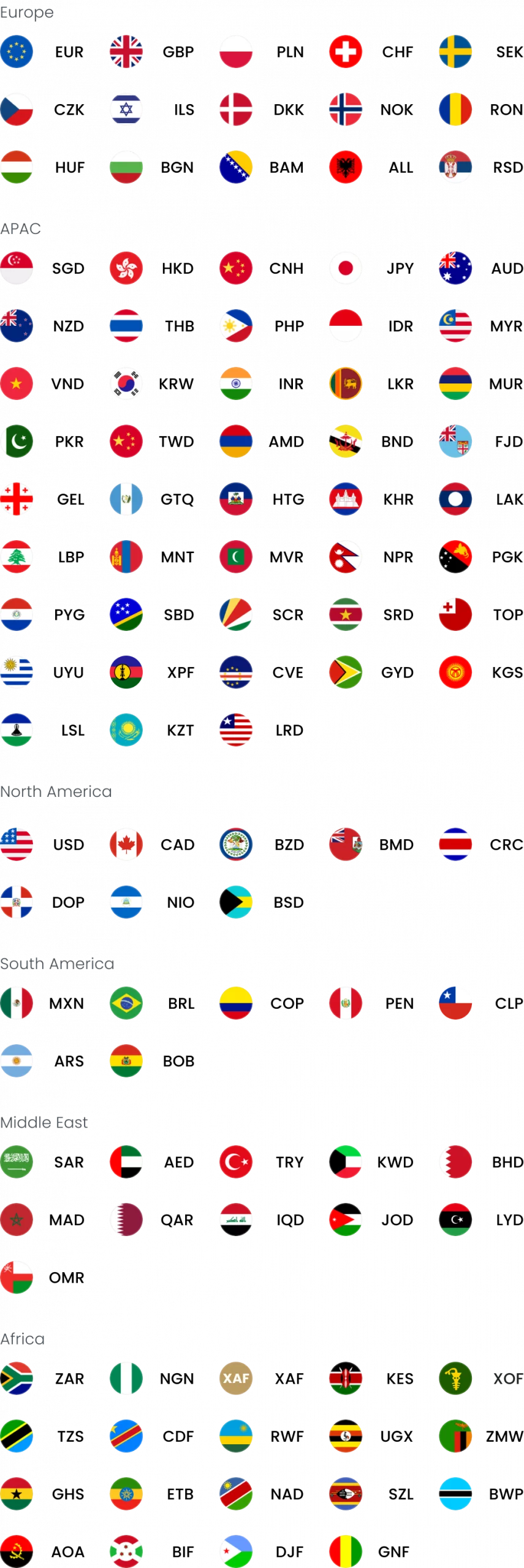
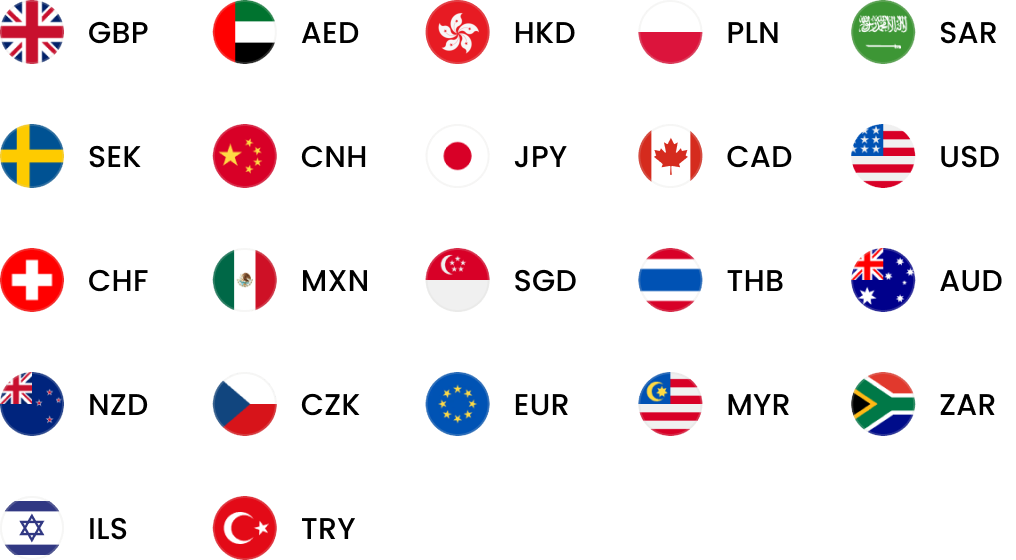
- Receive funds in 20+ currencies, often using local receiving details in key markets
- Hold and manage balances in those currencies, instead of converting immediately
- Convert between currencies with transparent, competitive FX pricing
- Pay suppliers and service providers in 100+ currencies, using routes designed for international payments
This structure allows businesses to separate domestic banking needs from international money flows. GBP activity can remain with a traditional bank, while global revenue, supplier payments and FX management sit within one dedicated system.
WorldFirst tends to support the parts of a business that traditional banks struggle with most once activity crosses borders. Common use cases include:
- Paying overseas suppliers without delays: Importers and manufacturers use WorldFirst to pay suppliers in major sourcing markets such as China and the United States, avoiding slow correspondent banking chains and repeated currency conversions
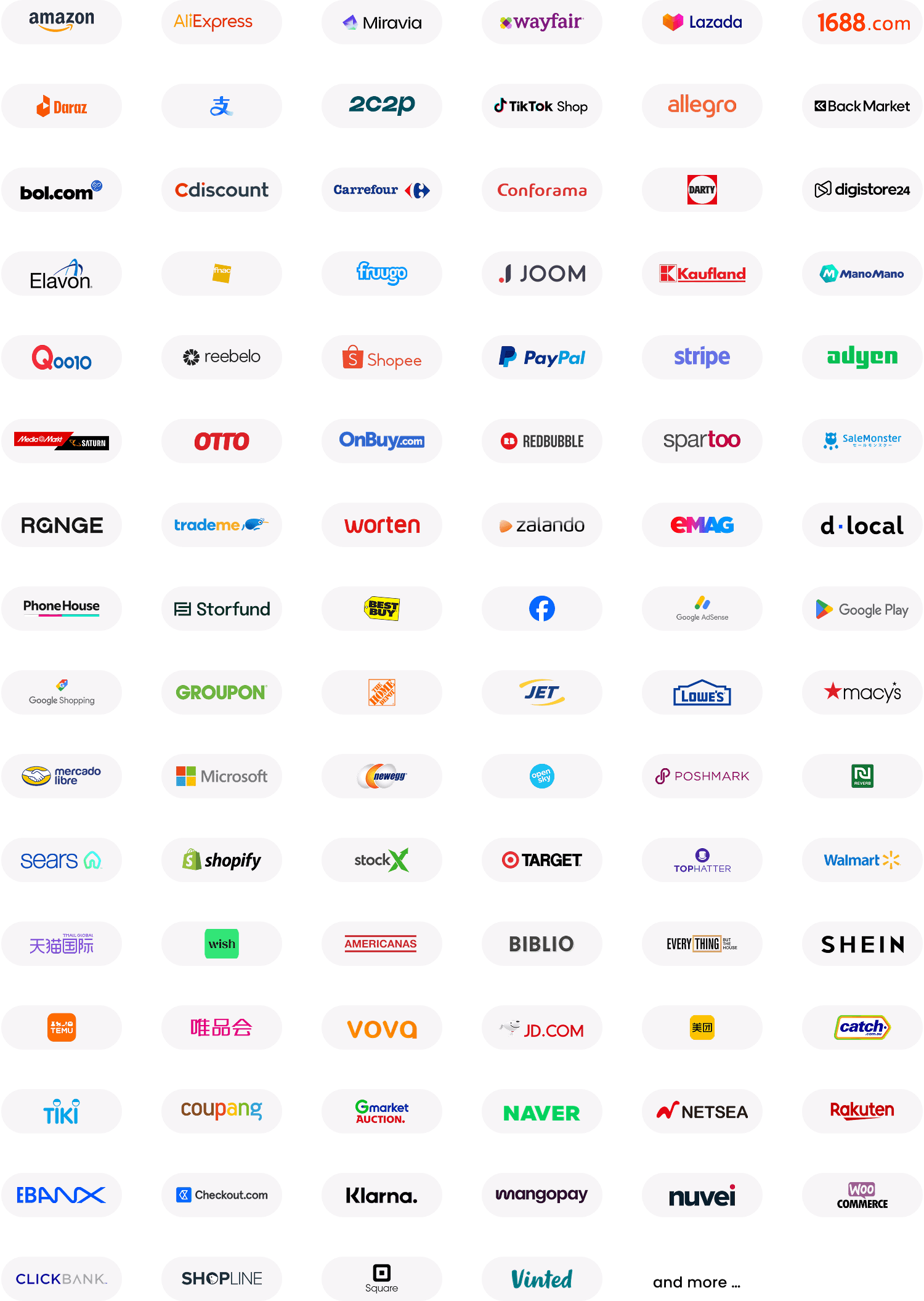
- Getting paid by global marketplaces and platforms: E-commerce sellers receive payouts in the original currency from international marketplaces and payment gateways, improving visibility into sales performance and fees
- Holding multiple currencies to avoid forced conversion: Businesses with both incoming and outgoing foreign-currency payments can hold balances and convert only when needed, rather than losing margin through automatic FX at every step
- Simplifying reconciliation and reporting: A single view of international balances and payments makes it easier for finance teams to match transactions, track settlement timing and close accounts without relying on manual workarounds
- Timing FX conversion deliberately: Instead of treating FX as a background cost, businesses can decide when to convert based on cash flow needs, supplier schedules or market conditions
International trade demands better alternatives to traditional banks.
Open a World Account to streamline international payments, improve cash flow visibility and reduce unnecessary FX conversions.
Sources:
- https://www.gov.uk/government/publications/payment-practices-and-performance
- https://www.bankofengland.co.uk/payment-and-settlement/rtgs-renewal-programme
- https://www.openbanking.org.uk/about-us/latest-updates/open-banking-in-numbers/
- https://www.fsb.org.uk/resources-page/late-again-how-the-uk-is-failing-small-businesses-on-late-payments.html
- https://www.british-business-bank.co.uk/research/small-business-finance-markets-report-2023/
- https://www.fca.org.uk/publications/research/sme-access-financial-services
- https://www.gov.uk/government/statistics/uk-business-population-statistics-2024
- https://www.pwc.co.uk/industries/financial-services/insights/how-uk-smes-are-embracing-fintech.html
- https://www.capgemini.com/insights/research-library/world-payments-report-2023/
- https://www.statista.com/statistics/1201859/open-banking-users-in-the-united-kingdom-uk/
- https://www.mckinsey.com/industries/financial-services/our-insights/how-smes-are-reshaping-business-banking
- https://www.weforum.org/agenda/2024/01/digital-payments-cross-border-trade-sme-finance/
Jennifer Dodd leads marketing for WorldFirst UK, and has over 20 years' experience in financial services and publishing.

Jennifer Dodd
Author
Continue reading


Subscribe
The Weekly Dispatch
Get the latest news and event invites. Signup for our weekly update from the worlds of fashion, design, and tech.
You might also like
Choose a product or service to find out more

E-commerce guides


Doing business with China

Exploring new markets

Business Tips

International transactions
E-commerce expansion guides
Doing business with China