





























Home > blog > e-Commerce & Online Sellers > How to expand a business internationally in 2026 (9 simple steps)
How to expand a business internationally in 2026 (9 simple steps)
Last update:


Discover how to expand a business internationally to take advantage of the lucrative export opportunities awaiting your business abroad and online.

Recent exciting developments in e-commerce, including AI-driven personalisation and voice commerce, continue to transform the consumer experience. E-commerce growth accelerates most rapidly in developing regions like Asia-Pacific and Latin America, where rising incomes and mobile penetration outpace mature markets such as the UK.
While China remains the largest e-commerce market by far, with online sales exceeding $2.5 trillion in 2025 and accounting for roughly half of all global ecommerce revenue, the United States follows with more than $1 trillion in annual online sales. Across Europe and Asia, markets like the UK, South Korea, India and Indonesia are rapidly expanding their digital marketplaces as well.
If you’d like to learn how to expand a business internationally to meet this emerging demand, we’ve outlined some steps below.
What does it mean to expand a business internationally?
Expanding a business internationally means entering one or more foreign markets to sell products or services, either through exporting, e-commerce, partnerships, or setting up local operations. Businesses expand internationally to reach new customers, diversify revenue, and reduce reliance on a single domestic market.
Why expand internationally? The strategic case
Expanding beyond your home country is not just a growth hack. It’s a strategic transformation that can:
- Drive new revenue streams and increase total addressable market (TAM)
- Reduce dependence on a single economy or customer base
- Increase brand authority and attractiveness to investors
- Extend product lifecycle in slower or saturated markets
- Access a global talent pool and innovation hubs
But international expansion also brings complexity: cultural differences, regulatory hurdles, operational diversity, pricing models, language barriers and competition. The key is preparation. So let’s go through the steps to help you prepare.
How to expand a business internationally – 9 effective steps
1. Source financial and skills support
UK entrepreneurs don’t have to face the task of expanding their business internationally all on their own. Instead, they can use strategic support available through the GREAT Britain campaign and access financial support through the UK Export Finance (UKEF) office.
These specialist services are run by the UK government, and they’re aimed at helping UK SMEs take advantage of the export opportunities that await them overseas. Both the GREAT Britain campaign and UKEF can help you understand which countries your business should target first. Use the links provided above to learn more about the support available and which programme is best suited to your business.
2. Understand your capabilities
Another early step in expanding your business internationally is identifying your strengths, weaknesses, opportunities and threats. This process is known as a ‘SWOT’ analysis and will give you an overview of how you can develop an export strategy to maximise or compensate for certain skills.
Some of the key opportunities you may wish to consider are trade agreement terms or differences in nations’ forecasted GDP growth, as both are highly influential on your business success. For example, while India is set to lead the world in GDP growth until 2026, the e-commerce market is more established in China on multiple fronts, including the total number of buyers and market size. If you’d like more of a background on vulnerabilities your business could face, our article on International business risk factors to consider can help you get started.
3. Research and pick a market
If you haven’t already done so, you’ll need to pick a single market to focus on. This can be tough. As you evaluate your options, consider factors such as the economic and political stability of the market in question, the investment you’ll need to make in translation and advertising services (see more below), and practical challenges such as time differences and the infrastructure available to handle deliveries and shipments.
Ask:
- Is there evidence of demand for your product outside your home market?
- Can your product technically and culturally adapt?
- Will customers in new geographies pay for your offering at sustainable price points?
Tools to validate demand include surveys, pilot launches, competitor traction, SEO keyword analysis and user research.
If you can’t decide which markets to export to – either because you’re faced with too many options or because suitable markets aren’t forthcoming – hone your market research, or try modifying your product. Sometimes, small changes lead to big opportunities.
Pro Tip: Try a soft launch within a new market first to test demand and audience interest before going all in.
[Use World Account global block option 1]
4. Complete a competitive analysis
There are other external factors in business that you’ll need to account for – for example competitors, rival products, price points, product benefits and weaknesses, and so on.
Conducting a competitor analysis is a crucial step in expanding your business internationally as some regions have more saturated markets than others. If your business is eyeing opportunities abroad, being a de facto larger player in one market can bring advantages over competing in a more crowded one. Use the same SWOT framework (see above) to determine where your competitors may be ahead and where you need to bridge gaps.
5. Refine your USP
A unique sales proposition, or USP, attracts customers to one business over another. The importance lies in the term ‘unique’ – customers need to understand and value why your business is better.
Cultural factors may influence your business’s USP, so regional consumer differences are important to keep in mind. Electrical appliances – like white goods that save users time – are internationally popular, while accessory products – like clothing or jewellery – may be more fashionable or acceptable in one region than another. Finding a compromise between what your business can offer and how you’ll meet consumers’ existing needs may take time and insight.
6. Set up your business legally
If you’re looking to expand a business internationally, you have to comply with local legislation and regulations. Some countries place higher burdens for transparency on foreign investors, while others have more relaxed manufacturing laws. You may have to register your business for tax and possibly apply for permits or licences so you can operate legally. Consult with locally qualified solicitors and accountants and make sure your business is compliant before you start trading.
7. Expand your business online
As a UK-based entrepreneur, you can expand your business online instead of opening international retail stores. You might already be selling on platforms like Amazon or eBay, or maybe you have your own e-commerce website; either way, with just a few tweaks to your profile or website settings, you can start appearing in consumer product searches in other countries.
If you want to maximise your international search engine visibility, you’ll need to invest in translation and personalisation. If you don’t professionally translate your product information or refine your customer experience, you risk losing out on sales. Hiring a translator and a local marketing consultant can help you avoid embarrassing mistranslations and highlight essential safety information. Locally savvy marketing professionals can also ensure that your marketing claims are appealing.
8. Outline goals and measure your performance
With all the preparation work completed, it’s almost time to start trading. The final step you’ll need to complete is outlining a business plan and sales goals. If you’re unsure of the viability of the market you’re joining, you might decide to go with a trial manufacturing run before ordering additional stock.
If you’re convinced of the value in your chosen market, on the other hand, you may want to focus on brand awareness strategies that build your business’s profile for long-term growth. Either way, strategy and sales forecasting is essential. Otherwise, you risk wasting time and capital on disorganised growth projects that don’t deliver.
As you’re drafting your business plan, take time to consider how you’ll track your progress. Track metrics such as:
- Revenue growth by region
- Customer acquisition cost
- Market share
- Operational efficiency
For example, measuring your revenue to date is more straightforward than measuring your brand awareness, so taking a comprehensive and detailed view of your business’s long-term success may take time.
International expansion is not a one-time project. Continuous learning, adaptation, and reinvestment are key to sustained success.
Read our guides How to manage economic risk in international business – we discuss how you can mitigate risk factors through performance indicators and how you can achieve sustained growth across your future trading.
9. Send and receive international currencies
One of the most overlooked challenges when expanding a business internationally is managing payments across multiple currencies. Customers expect to pay in their local currency, while businesses need to pay suppliers, staff, and partners across borders.
Without proper currency management, businesses risk higher FX costs, delayed payments, and lost sales. In 2025, 92% of customers report feeling happier and more likely to buy when prices are displayed in their own currency. This preference persists, with 85% of Hong Kong shoppers and similar shares globally expecting local currency pricing to build trust and reduce cart abandonment.
Failure to localise currency contributes to a high cart abandonment rate, often exceeding 70–80% in cross-border scenarios.
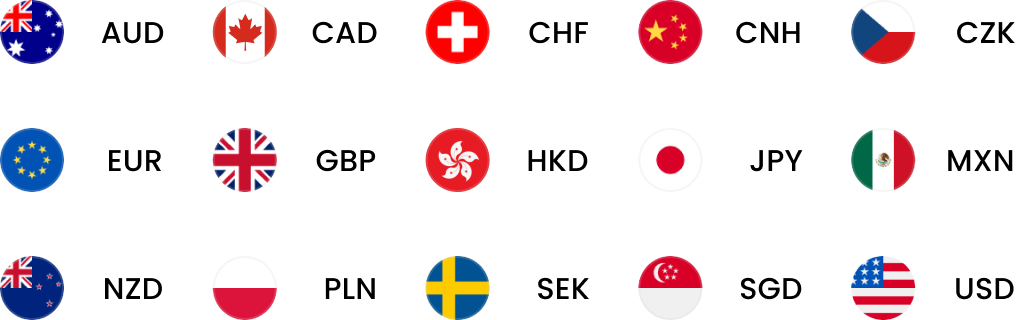
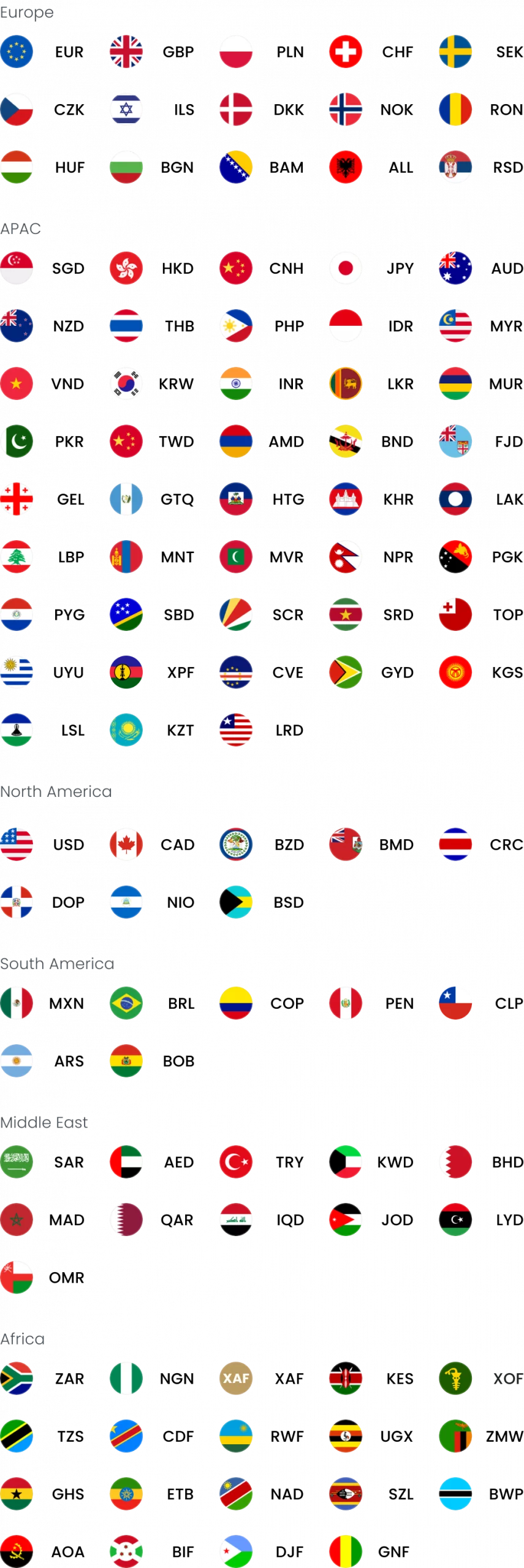
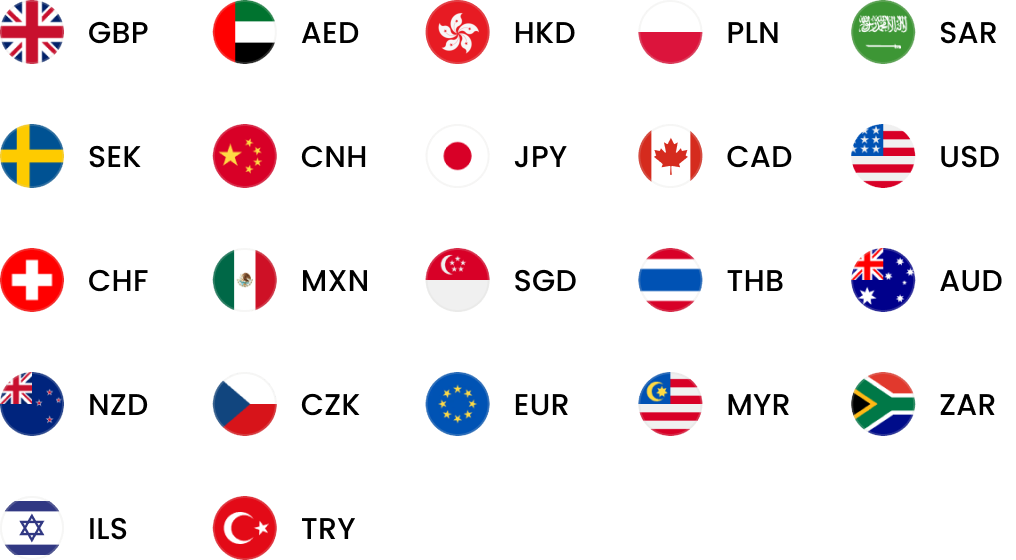
Whether you’re looking to receive or send funds across borders, WorldFirst has the solution. With a World Account from WorldFirst, you can accept payment in multiple international currencies, just like local businesses in your target markets.
WorldFirst also has same-day payment options available on major currency pairs (subject to cut-off times), so you can rest assured your money will get where it needs to on time.
Open your World Account for free today and start accepting payments in local currencies worldwide to boost conversions and reach emerging markets effortlessly.
FAQs
What is the easiest way to expand a business internationally?
For many companies, selling online through international e-commerce platforms or exporting directly is the easiest and lowest-risk entry point.
What should a company consider before expanding internationally?
Market demand, legal requirements, cultural differences, logistics, and currency management are key considerations.
Is expanding internationally risky?
All expansion carries risk, but careful planning, market research, and financial controls can significantly reduce exposure.
Do I need to set up a local company to sell internationally?
Not always. Many businesses sell internationally through online channels or distributors without establishing a local entity.
Sources:
- https://capitaloneshopping.com/research/online-shopping-statistics-by-country/
- https://www.great.gov.uk/
- https://www.statista.com/statistics/264885/gross-domestic-product-gdp-growth-forecast-in-selected-countries/
- https://www.statista.com/statistics/277391/number-of-online-buyers-in-china/
- https://www.statista.com/statistics/377624/leading-countries-retail-e-commerce-sales/
- https://www.hsgcap.com/article/cross-border-ecommerce-trends-2025/
- https://www.salecycle.com/blog/featured/10-fascinating-stats-cart-abandonment/
Lawrence Bennett is UK Country Manager at WorldFirst. He brings 15+ years of experience across fintech, ventures and e-commerce.

Lawrence Bennett
Author
Continue reading


Subscribe
The Weekly Dispatch
Get the latest news and event invites. Signup for our weekly update from the worlds of fashion, design, and tech.
You might also like
Choose a product or service to find out more

E-commerce guides


Doing business with China

Exploring new markets

Business Tips

International transactions
E-commerce expansion guides
Doing business with China
The simpler way to pay and get paid
Save money, time, and have peace of mind when expanding your global business.