



























Take a look at how Singapore businesses can source products from China, from finding and vetting suppliers to shipping and paying across currencies.
Key takeaways
- The China-Singapore Free Trade Agreement eliminates tariffs on 95% of Singapore’s exports to China and allows third-party invoicing of goods.
- B2B marketplaces like 1688.com and Alibaba, and trade fairs like the Canton Fair, remain the most popular channels to find Chinese suppliers
- Sourcing agents help Singapore businesses that want someone on the ground in China to handle supplier vetting, quality checks and freight coordination
- A multi-currency account like the World Account lets Singapore businesses pay Chinese suppliers in CNH or USD and manage freight payments from the same account
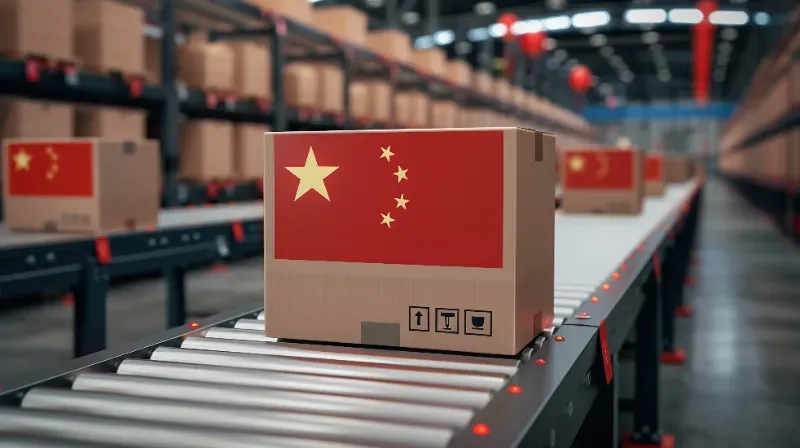
For Singapore businesses, China is one of the most practical places to source products. Decades of concentrated manufacturing have produced specialised supplier clusters, competitive unit pricing, and the kind of logistics infrastructure that can turn a product idea into a shipment on the water within weeks.
Singapore also has a few structural advantages for sourcing from China. The two countries sit close to each other geographically, which keeps freight times short. Trade frameworks like the China-Singapore Free Trade Agreement (CSFTA) reduce tariffs and simplify documentation on cross-border trade. And established cross-border payment infrastructure in Singapore makes paying suppliers more straightforward than in many other markets.
This guide covers how to source from China as a Singapore business–finding suppliers in China, vetting them, negotiating pricing, arranging shipping and setting up a reliable way to pay suppliers in China.
Is sourcing from China still worth it in 2027?
China’s trading relationship with Singapore has been growing rapidly. In July 2026, China exported US$10.3 billion to Singapore and imported US$4.5 billion in return.
Between July 2025 and July 2026, China’s exports to Singapore rose by US$4.2 billion, a 69.1% increase from US$6.08 billion to USD 10.3 billion. Imports from Singapore grew by US$1.13 billion, a 33.4% increase from US$3.38 billion to US$4.5 billion.
Even as manufacturing in Vietnam, India, Indonesia and Mexico has grown, China still dominates in high-volume production, specialised clusters, and freight infrastructure.
The CSFTA eliminates tariffs for 95% of Singapore’s exports to China, allows for third-party invoicing of goods (useful when a Singapore trading entity sits between the Chinese supplier and the final destination), and simplifies rules of origin for products that cross borders multiple times.
Benefits of sourcing from China
A few reasons Singapore businesses continue to source from China:
Competitive unit pricing: Lower input and labour costs keep Chinese manufacturing cost-effective at scale, which protects margins once products reach Singapore retail or ecommerce channels.
Range of customisation: Factories across most categories offer private-label, white-label and OEM options, with varying minimum order quantities. This gives Singapore brands a way to build their own product lines rather than reselling generic goods.
Fast shipping to Singapore: Sea freight from southern Chinese ports to Singapore typically takes 5 to 10 days. Air freight takes about 2 to 4 days. For a business importing regularly, this is faster than most other low-cost sourcing destinations.
CSFTA benefits: Reduced tariffs, streamlined rules of origin, and third-party invoicing make the paperwork lighter than for many other sourcing corridors.
Step by step guide to sourcing from China to Singapore
1. Decide what type of supplier fits your requirements
Factories give you the lowest unit prices but need bulk orders and more negotiation. Wholesalers and distributors suit smaller order quantities with faster turnaround. Sourcing agents handle the whole process for a commission, usually 1% to 5% of the order value. Many Singapore importers use agents for their first few orders then transition to direct supplier relationships once they know the market.
2. Find suppliers through the right channels
B2B marketplaces are the easiest starting point. Alibaba.com for international buyers and 1688.com for domestic Chinese wholesale pricing. The Canton Fair in Guangzhou (held twice yearly in spring and autumn) is the largest trade fair in China and still a strong way to meet suppliers in person. For specialised categories, industry-specific trade fairs across the year surface more niche manufacturers.
3. Vet suppliers properly
Check the business licence of suppliers through Chinese business registries. Review platform ratings, response times and transaction history. Request factory inspection reports, ISO certifications or export documents. Order a sample before committing to bulk. For higher-value orders, hire a third-party inspection service to audit the factory in person.
4. Negotiate pricing and terms
The quoted price is rarely final. Share your realistic annual order volume to show the supplier what the long-term opportunity looks like. Standard payment terms are 30% deposit on order placement and 70% balance before shipment, but a higher upfront deposit can earn a better unit price.
5. Arrange shipping
Sea freight (FCL for full containers, LCL for shared) suits larger volumes at the lowest cost per unit. Air freight is faster but more expensive, better suited to high-value or time-sensitive goods. A freight forwarder manages the documentation, customs clearance at both ends, and insurance. For first-time importers, this is the simplest route.
6. Prepare documentation
Each shipment needs a commercial invoice, packing list, Bill of Lading or Air Waybill, Certificate of Origin (particularly relevant for CSFTA tariff benefits), and any product-specific permits or compliance certificates. Document errors are the most common cause of customs delays, so cross-check everything before the shipment leaves China.
7. Handle customs clearance in Singapore
All imports require a declaration via Singapore Customs TradeNet before arrival. GST at 9% applies to most imports on the CIF value, though GST-registered businesses can reclaim it. Your freight forwarder or customs broker typically files the declaration.
8. Pay suppliers
Each payment to a Chinese supplier involves currency conversion from SGD to CNH or USD. Fees and exchange rate markups on international payments can eat several percent out of your margin. More on this in the WorldFirst section below.
Best products to import from China to Singapore
A few categories consistently work well for Singapore importers:
- Consumer electronics and accessories: Phone cases, chargers, earbuds, smart home gadgets
- Fashion and apparel: T-shirts, hoodies, bags, shoes, athleisure
- Home and living: Kitchen tools, storage solutions, small furniture, décor
- Beauty and personal care: Skincare tools, nail products, beauty accessories
- Baby and kids products: Toys, strollers, feeding products
- Pet supplies: Grooming tools, toys, feeding accessories
- Health and fitness: Resistance bands, yoga mats, massage devices
The right product for your business depends on your target customer, margin requirements and whether you’re selling direct-to-consumer or through e-commerce marketplaces in Singapore like Shopee, Lazada and Qoo10.
Paying Chinese suppliers with WorldFirst
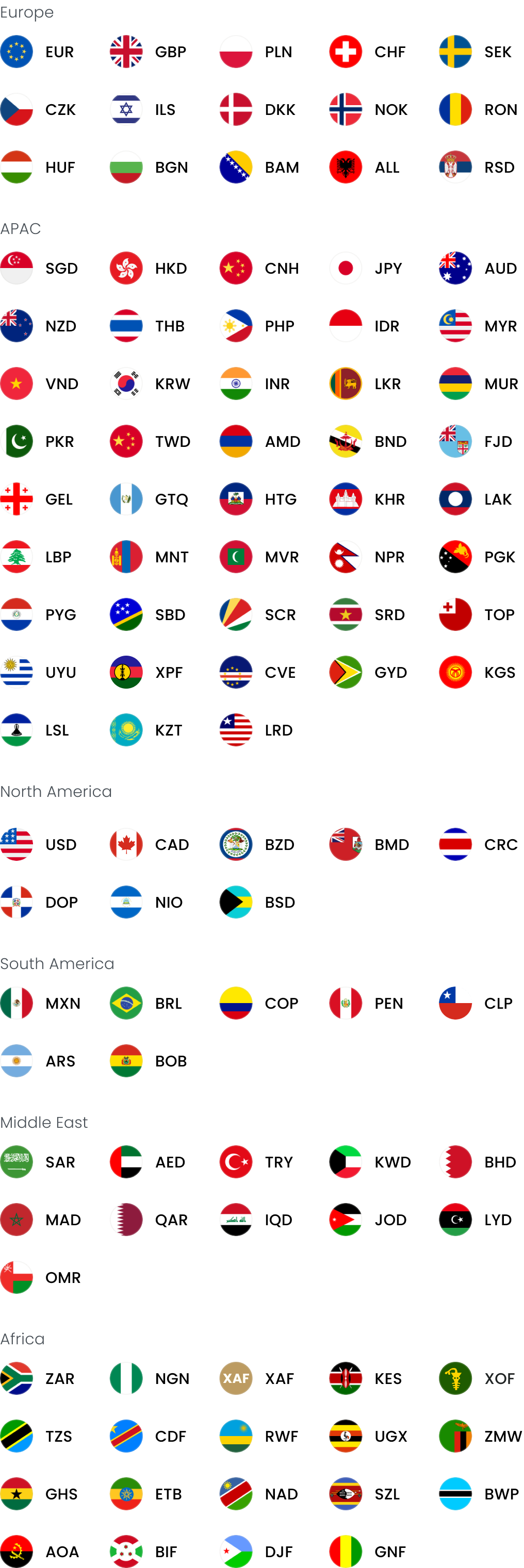
WorldFirst is an international payments provider that helps cross-border businesses handle their payments. The World Account is a multi currency account in Singapore that lets you receive, hold, send and convert funds across 20+ currencies, including SGD, USD, GBP, EUR, CNH, HKD and JPY. Each supported currency gets a local receiving account under your business name, with its own account number and bank details.
For Singapore businesses sourcing from China, the World Account solves one specific problem: it keeps supplier payments in the currency the supplier wants to be paid in, without routing every payment through SGD.
Here’s how it works in practice:
Send CNH or USD payments to Chinese suppliers: Hold USD or CNH in your World Account and send payments directly to your suppliers’ Chinese bank accounts. No need to open a Chinese bank account yourself, and no double conversion through SGD. The World Account supports payments in 100+ currencies to 200+ countries and regions. Pay your freight forwarder, customs broker and insurance provider from the same account.
Pay 1688 suppliers through World Pay: WorldFirst is the authorised international payment provider for 1688.com. If your sourcing includes 1688 wholesale suppliers, you can pay 1688 suppliers directly in CNH from your World Account without a Mainland China bank account.
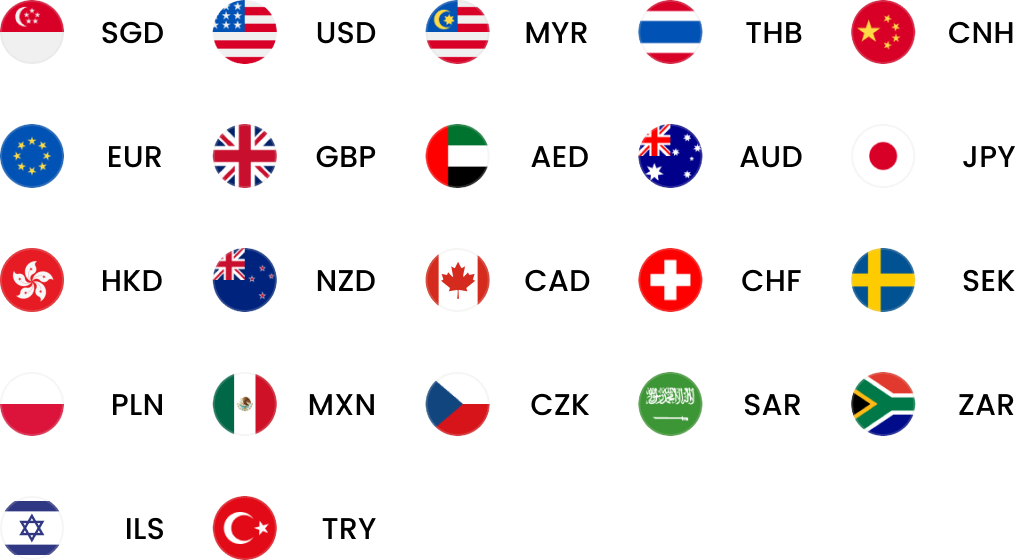
Spend with the World Card: The World Card is a Mastercard-powered multi currency card linked to your World Account. Use it on supplier platforms, ad spend, SaaS subscriptions and other business expenses. When you pay in one of the 15 supported currencies and hold sufficient balance, there’s no foreign exchange fee. Up to 20 cards can be issued per account at no additional cost, with cashback on eligible spending (Terms and Conditions Apply).
The World Account also comes with zero fees on account opening, holding balances and receiving funds. Setup is fully online with no branch visits required, and it integrates with Xero and NetSuite for reconciliation.
Disclaimer: The information contained is general only and largely our views. Before acting on the information you should consider whether it is appropriate for you, in light of your objectives, financial situation or needs. Although information has been obtained from and is based upon multiple sources the author believes to be reliable, we do not guarantee its accuracy and it may be incomplete or condensed. All opinions, estimates, mentioned products/services and referenced material constitute the author’s own judgement as of the date of the briefing and are subject to change without notice. WorldFirst shall not be responsible for any losses or damages arising from your reliance of such information.