




























Here’s a walkthrough for running an AliExpress dropshipping business from Singapore, including supplier payments and customer collections.
Key takeaways
- AliExpress is a B2C retail marketplace where Singapore businesses can source single units with no MOQ, making it the quickest way to test dropshipping ideas
- Long shipping times, branded product risks and saturated niches are the three most common pitfalls for AliExpress dropshippers
- Dropshipping tools can automate order placement, inventory sync and tracking updates between AliExpress and your store
- The World Account from WorldFirst handles the payment side: pay suppliers through the World Card in USD, and collect customer revenue in multiple currencies without converting to SGD on each payment

AliExpress is a B2C marketplace designed for individual consumers buying one or two items at a time at retail prices. But AliExpress also has a dedicated dropshipping corner on the website where you can find a wide range of products to dropship.
Even at retail prices, AliExpress can be a good way to start your dropshipping business to experiment with different products and the audience’s reaction to it.
The margins on AliExpress dropshipping are already thin. The payment side can make them even thinner.
You pay AliExpress suppliers in USD and collect customer payments in SGD, USD or other currencies depending on the market. Each conversion along the way takes a small cut out of your margin.
This guide covers how AliExpress dropshipping works for Singapore businesses and how to set up the payment side to protect your margins.
Why AliExpress works as a dropshipping source
A few features of the platform make it particularly suited to dropshipping:
No minimum order: You can place a single-unit order for most products, which means you can list items in your store without pre-committing to inventory.
Built-in buyer protection: AliExpress holds the payment until the buyer confirms delivery or the protection window expires, which gives dropshippers an escrow mechanism without having to set one up.
Supplier experience with dropshipping: Many AliExpress suppliers are already familiar with the dropshipping workflow which includes, providing tracking numbers and handling returns through the AliExpress interface.
How AliExpress dropshipping actually works
Here’s how AliExpress dropshipping from Singapore usually works:
- A customer places an order on your Shopify, WooCommerce or marketplace listing at your retail price (The customer may or may not be based in Singapore)
- You place the same order on AliExpress at the AliExpress price
- You enter the customer’s shipping address at checkout
- The AliExpress supplier packs and ships the product directly to the customer
- The supplier provides a tracking number, which flows back to the customer through your store or email
Your margin is the difference between the retail price on your store and the AliExpress price, minus any marketing, platform fees and currency conversion costs. Realistic margins on AliExpress dropshipping tend to run 10% to 30% after all costs, which is why product selection and marketing efficiency matter more than the sourcing side itself.
→ Learn how to find suppliers in China
How to choose an AliExpress supplier
- Check store history: Look for sellers who have been on AliExpress for several years with consistent ratings. New stores aren’t automatically bad, but there’s less to go on.
- Review ratings and feedback: Prefer suppliers with 4.5-star ratings or higher. Pay attention to item accuracy, communication, and shipping speed scores separately, not just the overall number.
- Read photo reviews: Buyer photos show what the product actually looks like, not just the supplier’s listing shots. Read the 3-star reviews first, since that’s where recurring defects show up.
- Check shipping location and dispatch time: Suppliers shipping from China’s main warehouses tend to be faster than those shipping from smaller cities. Dispatch time (how long after the order before the parcel ships) adds to total delivery time.
- Message the supplier before ordering: A quick, specific reply is a good sign. Slow or copy-pasted responses suggest problems once you have an actual order.
- Confirm blind shipping and custom inserts: Ask whether the supplier can ship without AliExpress branding, price slips or promotional material, and whether they can include your branded insert in the parcel.
- Order more than one sample: The first order is usually the supplier at their best. A second order weeks later tells you how consistent they really are.
- Have a backup: Products get delisted, prices change, and stock runs out. Keep a second supplier for every product you sell so you’re not stuck when things break.
→ Take a look at how to find suppliers in China
Steps to dropship from AliExpress to Singapore
Here are the main steps to dropship from AliExpress to Singapore
- Pick a niche and a target audience: A specific audience with a specific problem gives you something to write ads and product pages for. It also helps you stand apart
- Research products: Use the AliExpress Dropshipping Center to filter by sales volume, shipping method and seller rating. Cross-check demand on TikTok, Instagram and Amazon to confirm the product is actually selling, not just listed.
- Order samples: Buy the product yourself before listing it. The goal is to check quality, packaging, delivery time to Singapore, and whether the supplier ships blind (without AliExpress branding).
- Set up your store: You can choose to set up your online store through platforms like Shopify, WooCommerce, Wix and BigCommerce. If you are planning to sell on an e-commerce marketplace in Singapore, make sure it allows dropshipping.
- Connect a dropshipping tool: You can’t manually place orders on AliExpress every time a new order on your online store comes in. As your dropshipping business scales, you can use a dropshipping tool to place orders automatically when customers buy, and sync tracking numbers back to your store.
- Price for the real costs: Factor in product cost, supplier shipping, payment gateway fees, ad spend per sale, and a buffer for refunds.
- Launch and test with small ad budgets: Run paid ads on Meta, TikTok or Google with a small daily budget per product. Decide upfront what counts as a winner and what you’ll kill. Most products won’t convert, which is normal.
Pros and cons of AliExpress dropshipping in Singapore
Pros
- Low startup cost: You can start testing products with a Shopify subscription and a small ad budget.
- Huge product range: There are millions of products across every consumer category.
- Fast product testing: You can list a new product, run a test ad, and know within a week if it converts.
- Easy to pivot: Products that don’t sell can be swapped out without inventory sitting around.
Cons
- Long delivery times: Standard shipping from China takes 15 to 45 days. ePacket brings it down to 7 to 20 days but still slower than local Singapore delivery.
- Thin margins: For dropshipping, the margins are already low and any mistakes in pricing or ad spend can wipe this out.
- Saturated niches: Trending products attract hundreds of competing stores at the same time, leading you to compete on pricing and even pushing ad costs up.
- Limited quality control: You don’t see each parcel before it reaches the customer, so defects and shipping issues can surface after the fact.
- Returns are complicated: Shipping products back to China often costs more than the item is worth, so you’ll usually offer partial refunds instead.
Alibaba vs AliExpress: Which one is write for your dropshipping business in Singapore
Dropshippers often start with AliExpress because the economics are simpler at low volumes. You may pay retail prices but your MOQ can be as low as one. With Alibaba, the prices are low but the MOQs might be high–or you may only be able to access the low prices when you commit to high MOQs.
If you are new to dropshipping in Singapore, committing to high MOQs may not be possible
| AliExpress | Alibaba | |
| Buyer type | Individual consumers | Businesses |
| Pricing | Retail (per unit) | Wholesale (bulk) |
| MOQ | None | Low to moderate |
| Shipping | Supplier arranges international shipping as standard | Buyer arranges freight separately |
| Interface | English, consumer-facing | English, B2B-oriented |
| Buyer protection | AliExpress Buyer Protection on every order | Trade Assurance (escrow-based) |
Managing AliExpress dropshipping payments with WorldFirst
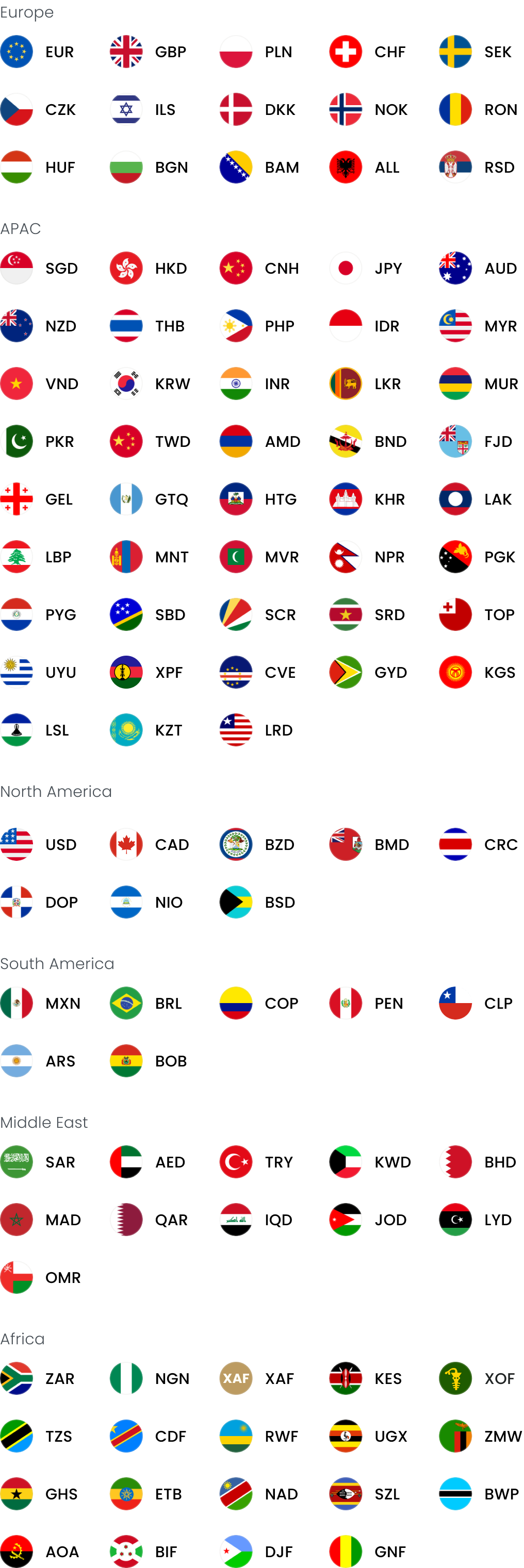
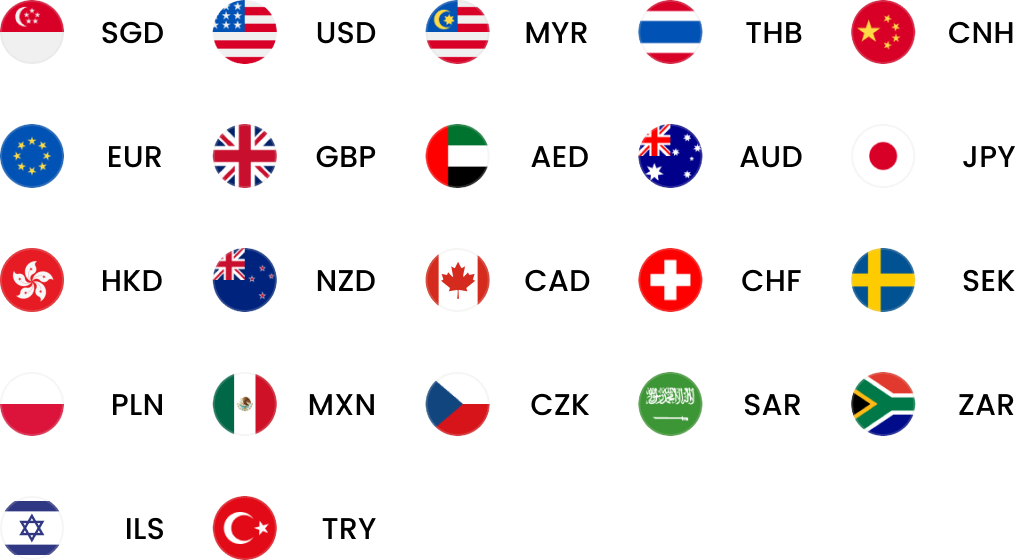
WorldFirst is an international payments provider that helps cross-border businesses handle their payments. The World Account is its multi-currency account that lets you receive, hold, send and convert funds across 20+ currencies, including SGD, USD, GBP, EUR, CNH, AUD and HKD. Each supported currency gets a local receiving account under your business name, with its own account number and bank details.
For AliExpress dropshippers, the World Account solves one specific problem: it keeps foreign currency income in its original currency so you don’t have to convert everything through SGD.
Here’s how it works in practice:
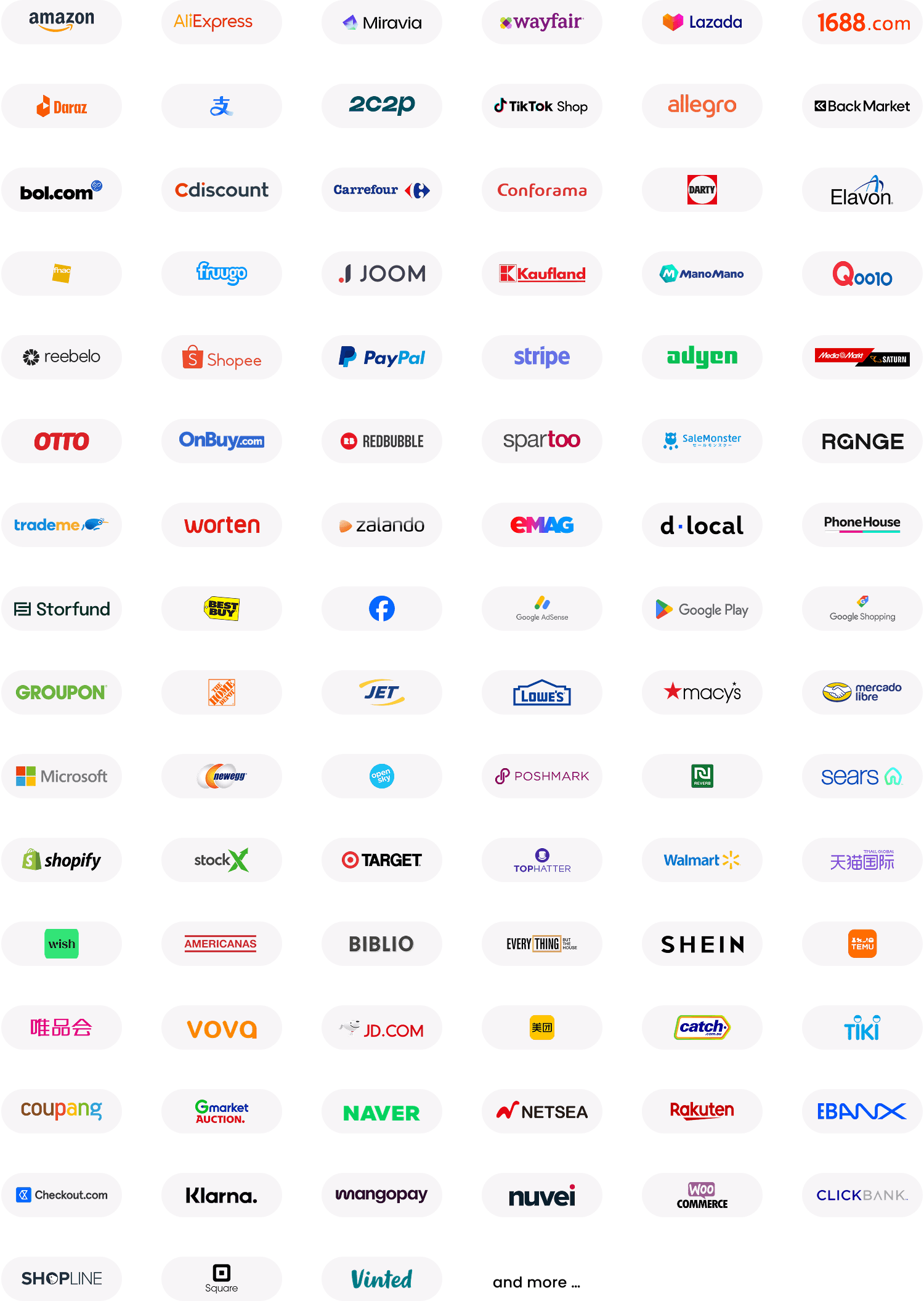
Collect customer payments in multiple currencies: When US customers pay in USD through Stripe or your Shopify store, the money lands in your USD balance. The World Account connects to 130+ marketplaces and payment gateways, so payouts from Amazon, eBay, Shopify and Etsy also settle in their native currencies.
Pay AliExpress suppliers with the World Card: The World Card is a Mastercard-powered multi-currency card linked to your World Account. You can use it on AliExpress just like any other card at checkout. The card draws from your USD balance directly with no foreign exchange fee, so the USD income you’ve collected from US customers can go straight back out as supplier payments. Up to 20 cards can be issued per account at no additional cost, with cashback on eligible spending (Terms and Conditions Apply).
Do more with your World Account: As your business scales beyond AliExpress, the same account can pay 1688 suppliers through World Pay, the authorised international payment provider for 1688.com. You can also pay other suppliers in China directly into their bank account in CNH or USD, like a local would.
Lock in rates for upcoming payments: Forward contracts let you fix an exchange rate now for a conversion that happens later, subject to eligibility. Useful when you have predictable monthly supplier spend and want to protect your margin from currency swings.
The World Account also comes with zero fees on account opening, holding balances and receiving funds. Setup is fully online with no branch visits required, and it integrates with Xero and NetSuite for reconciliation.
Disclaimer: The information contained is general only and largely our views. Before acting on the information you should consider whether it is appropriate for you, in light of your objectives, financial situation or needs. Although information has been obtained from and is based upon multiple sources the author believes to be reliable, we do not guarantee its accuracy and it may be incomplete or condensed. All opinions, estimates, mentioned products/services and referenced material constitute the author’s own judgement as of the date of the briefing and are subject to change without notice. WorldFirst shall not be responsible for any losses or damages arising from your reliance of such information.